Sacramento Home Renovation Costs: A Full Breakdown
Get a clear picture of Sacramento home renovation costs, including kitchen, bathroom, and addition estimates, plus tips for budgeting your next project.
|
May 8, 2026

In this article:
Planning a home renovation can feel like you’re trying to solve a puzzle with a lot of moving pieces. The biggest piece of that puzzle is almost always the budget. Knowing what to expect financially gives you control over your project and the confidence to move forward. My goal is to provide a clear and honest look at Sacramento home renovation costs, so you can stop guessing and start planning. We will cover average price ranges for popular projects, discuss the key factors that influence your final number, and share strategies for financing and managing your expenses from start to finish.
Key Takeaways
- Plan for the Unexpected, Not Just the Obvious: Your budget needs to cover more than just materials and labor. A solid plan includes costs for permits and cleanup, plus a non-negotiable contingency fund of 10% to 20%. This buffer is your safety net for handling surprise issues like old wiring or foundation problems without compromising your vision.
- Control Costs by Making Smart Choices Early: The biggest budget impacts come from your project's scope and material quality. You can save thousands by keeping your home's current layout, which avoids expensive plumbing and electrical work. Similarly, mixing high-end statement pieces with more affordable materials gives you a luxe look for less.
- Assemble the Right Team and Financing Plan: Getting multiple quotes from vetted contractors is essential for securing a fair price. Before you sign any contracts, explore all your financing options, from HELOCs to construction loans, to find a payment plan that fits your budget. A good team will help you align your design, budget, and financing from the start.
How Much Will Your Sacramento Renovation Cost?
Figuring out a realistic budget is one of the first, and often most stressful, steps of any home project. While the final price tag will always depend on your specific tastes, home size, and project scope, I can give you a solid starting point. Think of these numbers as a guide to help you begin the planning process. From a simple bathroom refresh to a full-scale addition, here’s a look at typical renovation costs in the Sacramento area.
Remember, these are just estimates. The cost of materials, the complexity of the job, and the professionals you hire will all influence your final number. The best way to get an accurate figure is to create a detailed project plan. A Realm advisor can help you build a custom budget based on your goals and connect you with vetted local contractors, ensuring you have a clear financial picture before any work begins.
Kitchen Renovations
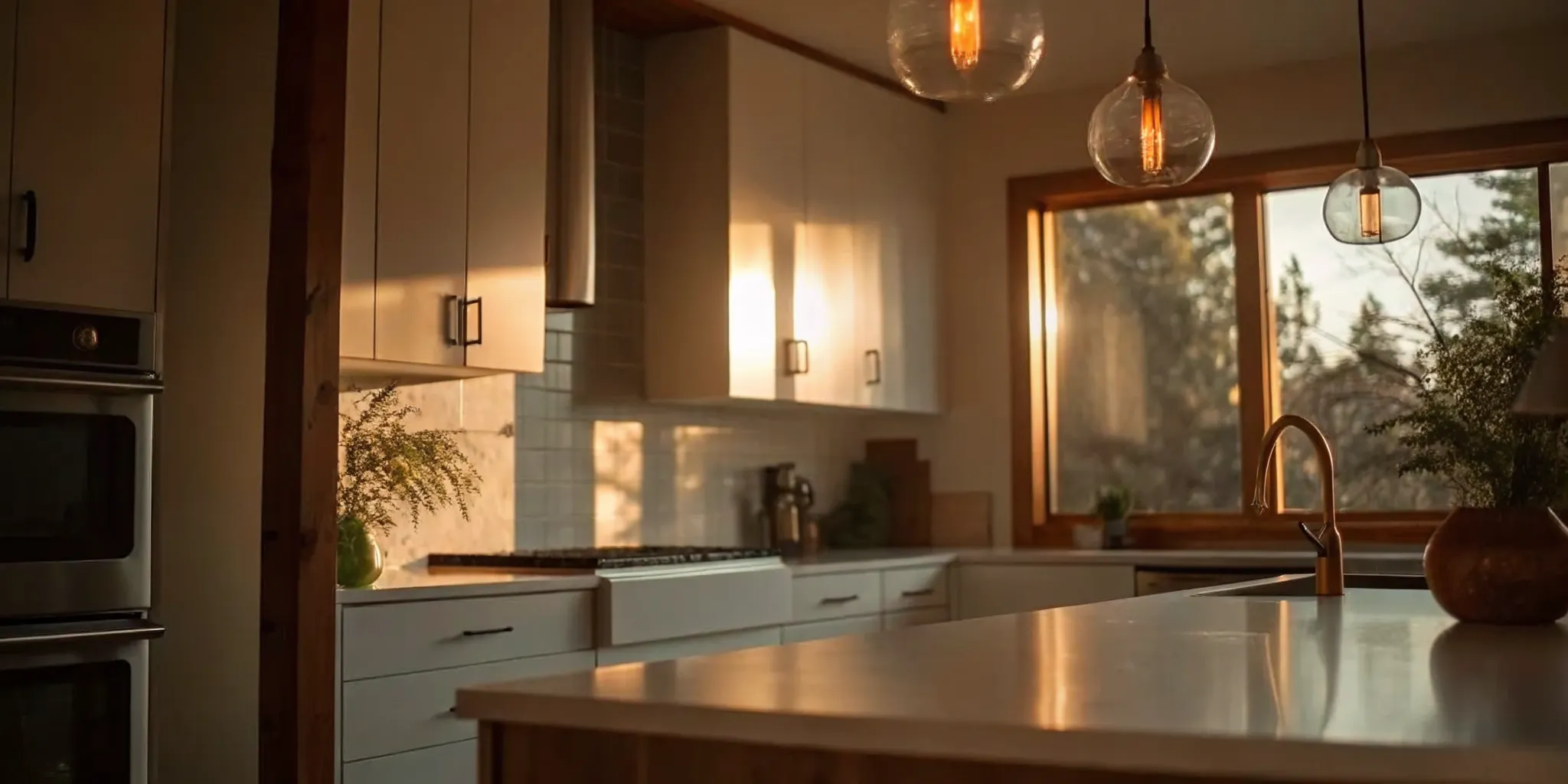
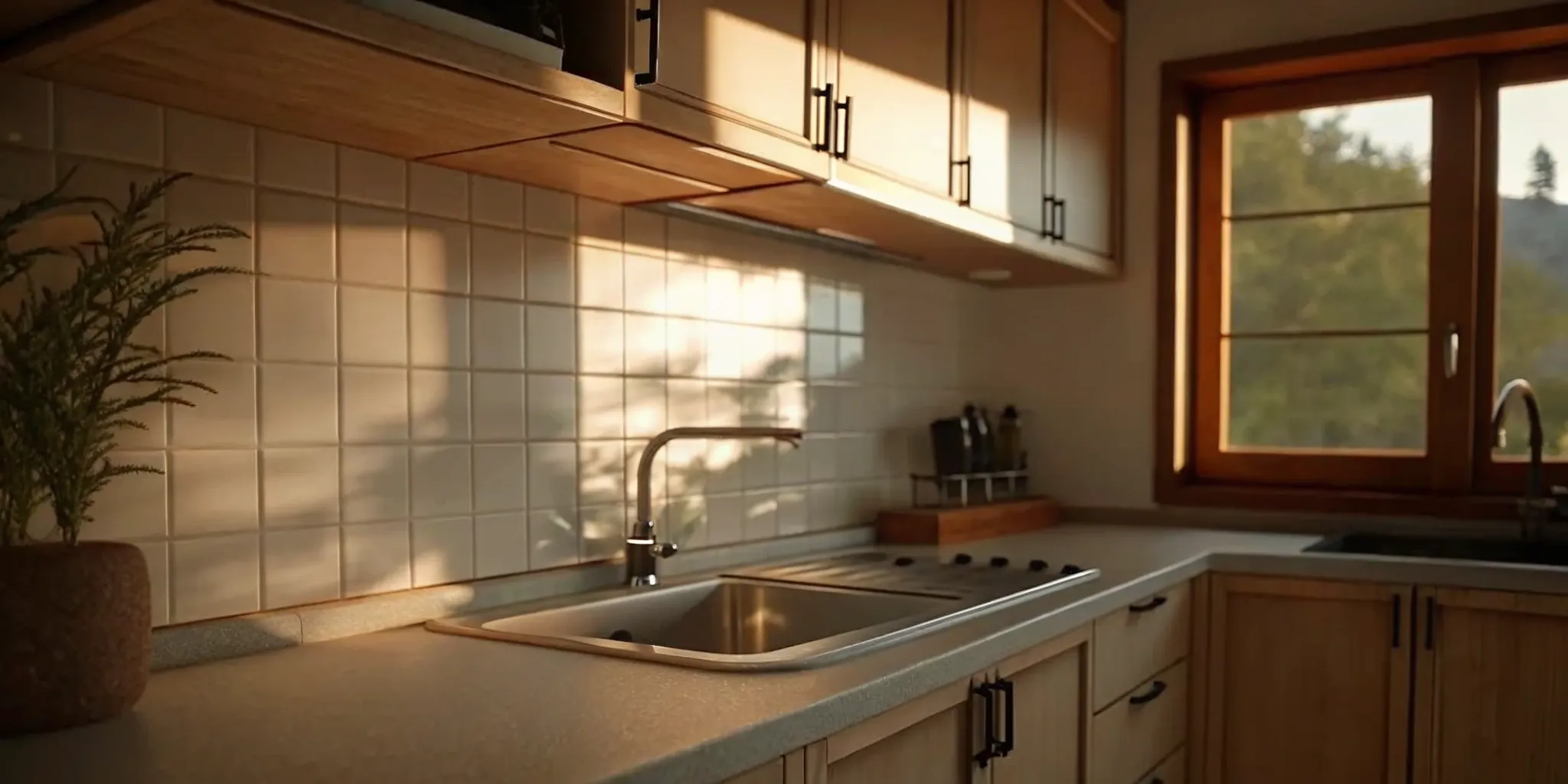
The kitchen is the heart of the home, and its renovation cost reflects that. For a mid-range kitchen remodel in Sacramento, you can expect to spend between $25,000 and $75,000. If you’re dreaming of a high-end, luxury kitchen with custom cabinets, stone countertops, and professional-grade appliances, the cost can easily exceed $100,000. The biggest cost drivers are often cabinets and appliances, but changing the layout by moving plumbing or gas lines will also significantly add to the budget. The good news? Kitchen remodels consistently offer one of the strongest returns on investment.
Bathroom Remodels
A bathroom renovation is a great way to add comfort and value to your home. In Sacramento, a standard bathroom remodel typically costs between $15,000 and $40,000. This range covers essentials like a new vanity, toilet, flooring, and fixtures. If you want to add more luxurious features, such as a spacious walk-in shower, a freestanding tub, or heated floors, your costs will move toward the higher end of that spectrum. While it’s a smaller space, the combination of plumbing, electrical, and tile work means costs can add up quickly.
Home Additions and ADUs
Need more space? A home addition is a major project with a price tag to match. In Sacramento, you can estimate the cost to be between $300 and $400 per square foot. For example, a 400-square-foot family room or primary suite addition could start around $120,000. Accessory Dwelling Units (ADUs) are also incredibly popular for adding rental income or multigenerational living space. These projects are complex, but they can dramatically increase your property's functionality and value. Your dedicated advisor can help you understand the specific zoning rules and potential costs for your property.
Whole Home Renovations
For a complete overhaul of your entire house, you’ll be looking at a significant investment. In Sacramento, a whole home renovation can range from $100,000 to $200,000 or more. This is a wide range because the final cost depends entirely on the size of your home, the extent of the changes, and the quality of materials you choose. A project of this scale involves nearly every trade, from plumbing and electrical to framing and finishing. Careful planning and budgeting are absolutely essential to keep a project this large on track and within your financial reach.
What Influences Sacramento Renovation Costs?
When you start planning a renovation, it’s easy to get caught up in the design details. But before you start picking out paint colors, it’s important to understand the key factors that will shape your budget. Your final price tag isn't just one number; it’s a combination of several moving parts. Knowing what these are ahead of time will help you create a realistic budget and make informed decisions throughout your project. From the scale of your changes to the people you hire, let’s break down what really drives renovation costs in Sacramento.
Project Size and Scope
The single biggest factor determining your renovation cost is the size and scope of the project itself. Are you planning a simple cosmetic refresh or a full-scale structural overhaul? The difference is huge. A small update, like painting a few rooms or replacing fixtures, might fall in the $10,000 to $30,000 range. However, a major remodel that involves moving walls, reconfiguring layouts, or adding square footage can easily surpass $150,000. Defining your project's scope is the first step to understanding your potential investment, which is why a clear plan is so crucial. A customized project plan can help you visualize the work and its associated costs from the very beginning.
Material Quality
Your choice of materials will have a direct and significant impact on your budget. This is one of the areas where you have the most control. For example, opting for laminate countertops is a budget-friendly choice, while high-end materials like quartz or natural stone will cost considerably more. The same principle applies to flooring, cabinetry, tile, and fixtures. While premium materials can create a luxurious feel, there are many beautiful and durable mid-range options available. It’s all about finding the right balance between the look you want, the durability you need, and the price you’re comfortable with. Thinking through these choices early on will prevent your budget from spiraling later.
Local Labor Rates
Labor is a substantial portion of any renovation budget, and rates can vary based on skill and demand. In Sacramento, you can expect to pay between $75 and $150 per hour for skilled tradespeople and contractors. For a large project that requires weeks or months of work, these costs add up quickly. This is why it’s so important to work with professionals who are not only skilled but also efficient and transparent about their pricing. Using a platform with a network of vetted contractors ensures you’re getting fair market rates from reliable experts, which protects both your home and your wallet.
Permits and Building Codes
Don’t forget to account for the administrative side of renovating. Most projects, especially those involving electrical, plumbing, or structural changes, require building permits from the city. These permits ensure your project is safe and up to code. The fees can range from a few hundred to several thousand dollars, depending on the complexity of your renovation. While it might seem like a hassle, skipping this step can lead to major fines, legal issues, and problems when you eventually sell your home. An experienced project advisor can handle the permitting process for you, making sure everything is filed correctly so you can focus on the fun parts of your renovation.
How to Budget for Your Sacramento Renovation
Creating a budget for your renovation can feel like the most daunting part of the process, but it doesn’t have to be. A solid financial plan is your roadmap to a successful project, helping you make clear decisions and avoid stress down the line. The key is to be thorough from the start and plan for the unexpected. By breaking it down into a few key steps, you can build a realistic budget that aligns with your vision and gives you confidence as you move forward with your Sacramento home project. Think of it less as a restriction and more as a tool that empowers you to get the home you want without financial surprises. Let’s walk through how to get it right.
Create a Comprehensive Budget
Your first step is to outline every potential cost. A truly comprehensive budget goes beyond the big-ticket items. It should account for materials, labor, demolition, cleanup, and any necessary city permits. Start by researching the average costs for your specific project in the Sacramento area to get a baseline. From there, create a detailed list of everything you can think of. This is where having expert guidance can be invaluable, as an experienced advisor can help you spot costs you might have missed. A detailed plan not only helps you secure financing but also serves as a critical guide for comparing contractor bids accurately.
Set Aside a Contingency Fund
No matter how well you plan, renovations almost always come with surprises, especially in older homes. That’s why a contingency fund is essential. This is money set aside specifically for unforeseen issues that pop up during construction. A good rule of thumb is to budget an extra 10% to 20% of your total project cost for this fund. This financial cushion can cover unexpected problems like discovering old, faulty wiring once a wall is opened, finding hidden water damage, or needing to address a foundation issue. Having this fund ready means a surprise won't derail your entire project or force you to make compromises on your vision.
Get Multiple Contractor Quotes
To ensure you’re getting a fair price and high-quality work, you should always get at least three quotes from different contractors. Comparing bids isn't just about finding the lowest number; it's about understanding what each contractor includes in their price. A detailed quote helps you compare apples to apples and assess each professional's understanding of your project. This process also gives you a feel for their communication style and reliability. At Realm, we simplify this step by connecting you with our network of vetted professionals, so you can be confident you’re choosing from a pool of trusted, high-quality contractors in the Sacramento area.
What Hidden Costs Should You Expect?
No matter how carefully you plan, home renovations have a knack for revealing surprises. It’s the classic “you don’t know what you don’t know” scenario, and it’s the number one reason budgets get derailed. When you start opening up walls or pulling up floors, especially in Sacramento’s beautiful but older homes, you might uncover issues that need immediate attention.
Thinking about these potential surprises isn’t meant to scare you; it’s about preparing you. The best way to handle unexpected costs is to expect them. Building a buffer into your budget from the start gives you the flexibility to address problems without derailing your entire project. A dedicated renovation advisor can also help you anticipate which issues are most likely for your specific home and project, creating a more realistic initial plan. Let’s walk through the most common hidden costs you might encounter.
Structural or Foundation Issues
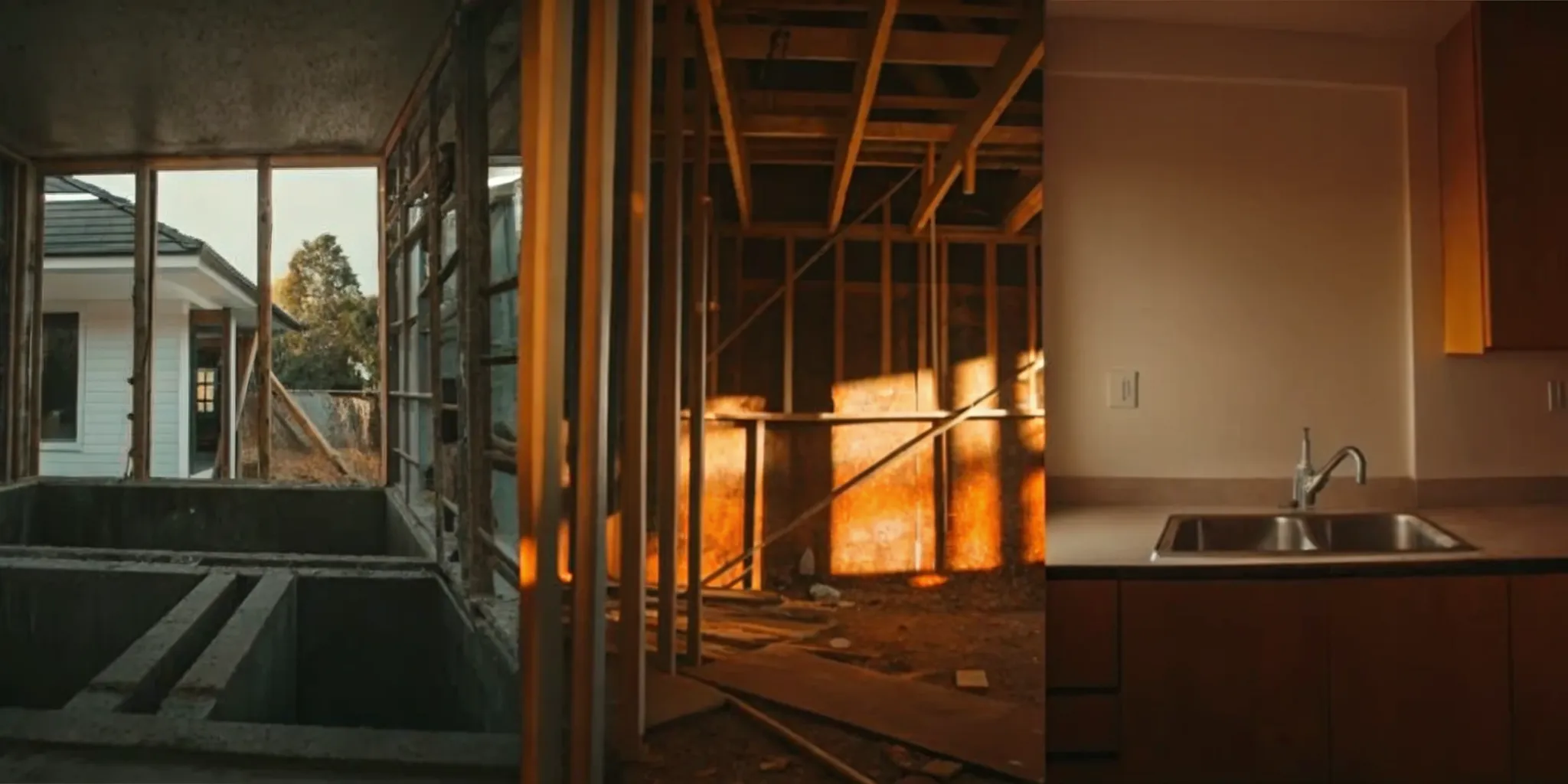
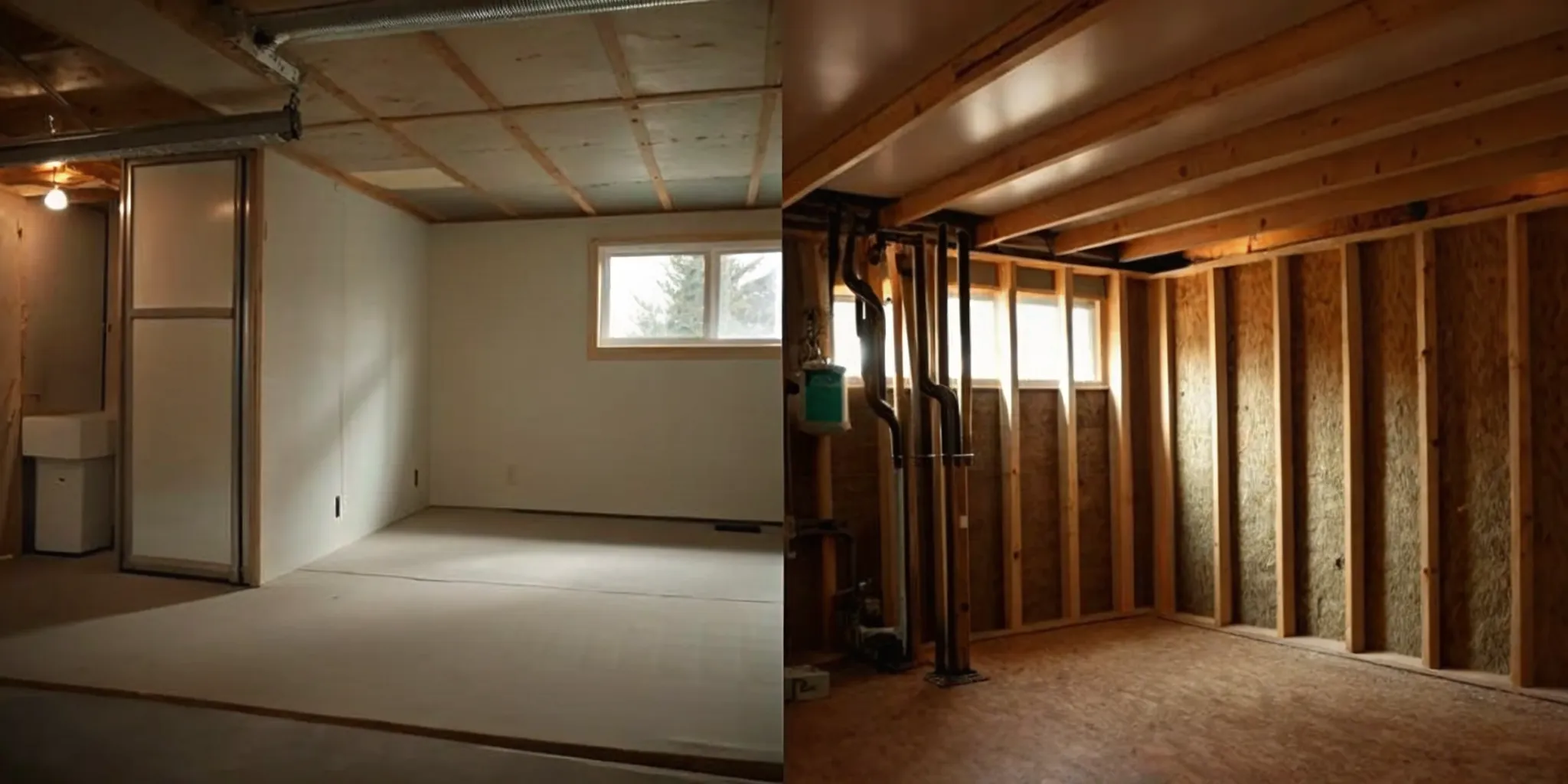
The most expensive surprises are often the ones you can’t see. Behind your drywall and beneath your floors lies the skeleton of your home, and sometimes it has problems you won’t discover until demolition begins. You might find termite damage, wood rot from a slow, hidden leak, or framing that doesn’t meet current building codes.
These issues are especially common in major projects. For example, if you’re adding a second story, your contractor might find that the original foundation isn’t strong enough to support the extra weight. Fixing structural or foundation problems isn't optional; it's essential for the safety and longevity of your home. While it’s not the most exciting way to spend your renovation budget, addressing these core issues is a critical investment.
Electrical and Plumbing Updates
Like structural problems, outdated electrical and plumbing systems are common discoveries during a remodel. You might open a wall and find old knob-and-tube wiring, a potential fire hazard, or galvanized steel pipes that are corroded and restricting water flow. Bringing these systems up to modern standards is a necessary, and often costly, part of the renovation process.
Most remodeling projects that involve moving or adding electrical or plumbing lines require building permits. The fees for these permits can range from a few hundred to several thousand dollars, depending on the complexity of your project. While it’s an added expense, think of it as a long-term investment in your home’s safety and functionality.
Timeline Delays and Change Orders
When your contractor uncovers a hidden issue, it doesn’t just add material and labor costs; it also impacts your project timeline. The formal process for documenting these changes is called a "change order," which outlines the new work, costs, and schedule adjustments. These are a primary driver of budget overruns.
This is why having a contingency fund is so important. Experts recommend setting aside an extra 10% to 20% of your total project cost to cover these unforeseen circumstances. This buffer gives you peace of mind and ensures that a surprise discovery doesn’t force you to compromise on other parts of your vision. Having a dedicated partner to manage contractor communication can also help you assess change orders and keep the project moving forward smoothly.
Misconceptions About ROI
Many homeowners believe that every dollar they spend on a renovation will translate directly into an equal increase in their home’s value. You might think, "I spent $25,000 on this bathroom, so my home is worth $25,000 more." However, this is a common misconception. While renovations certainly add value, the return on investment (ROI) is rarely 100%.
Some projects, like a minor kitchen remodel, tend to have a higher ROI than others, like adding a high-end swimming pool. It’s important to renovate for your own enjoyment and improved quality of life first. The increase in your home’s market value is a wonderful secondary benefit, but it shouldn’t be the only reason you undertake a project.
How to Finance Your Sacramento Renovation
Once you have a solid budget, the next big question is: how will you pay for it all? Thinking about financing can feel overwhelming, but it’s just another piece of the renovation puzzle. The great news for Sacramento homeowners is that there are several well-established paths to fund your dream project, whether you’re overhauling a kitchen or building a brand-new ADU. The right choice for you depends on your project's scope, your financial health, and the amount of equity you’ve built in your home.
Understanding your options is the first step toward making a confident decision. We’ll cover the most common financing methods, including tapping into your home's value with a HELOC or cash-out refinance, securing a loan designed specifically for construction, or using a personal loan for smaller updates. Each has its own set of benefits and considerations. As you explore these routes, remember that you don't have to figure it out alone. A Realm advisor can provide guidance and help you ask the right questions when you speak with lenders, ensuring you find a financial plan that feels comfortable and sustainable for you.
Home Equity Lines of Credit (HELOCs) and Cash-Out Refinancing
If you’ve been in your home for a few years, you’ve likely built up some equity, which is the difference between what your home is worth and what you owe on your mortgage. A Home Equity Line of Credit (HELOC) lets you borrow against that value. Think of it as a credit card with a limit based on your equity. This gives you a flexible way to finance renovations, as you can draw funds as needed for different project phases.
Another popular option is a cash-out refinance. With this, you replace your current mortgage with a new, larger loan and receive the difference in cash. This can be a great choice if you can also secure a lower interest rate. Both options use your home as collateral, so they are big decisions, but they often provide the capital needed for significant home improvements.
Construction and Renovation Loans
For major projects like a home addition or a gut renovation, you might consider a loan created specifically for this purpose. Unlike loans based on your home’s current value, construction loans are often based on its future value after the renovation is complete. This can help you secure more funding for a transformative project.
In Sacramento, options like the FHA 203k loan are popular because they let you roll the cost of buying a home and renovating it into a single mortgage. For specific projects like an ADU, you can also find construction loans tailored to your needs. These loans typically release funds in stages as work is completed and verified, which helps keep your project on track and on budget.
Personal Loans and Contractor Financing
What if you don't have a lot of home equity or are planning a smaller-scale project? A personal loan could be a great fit. These are unsecured loans, meaning your home isn’t used as collateral. Instead, they’re based on your credit score and income. While interest rates may be higher than for equity-based loans, the application process is often faster and simpler, making them ideal for getting a project started quickly.
Additionally, some contractors offer their own financing solutions. Many local Sacramento builders have partnerships with banks to provide their clients with direct loan options. This can streamline the process, as the people doing the work are also helping you arrange the payment. When you work with Realm, we can help you find vetted contractors who may offer these convenient financing plans to get your renovation moving forward.
How to Control Your Renovation Costs
Keeping your renovation budget in check doesn't mean you have to sacrifice your vision. It’s about making smart, strategic choices from the very beginning. With a little bit of planning, you can manage expenses effectively and avoid costly surprises down the road. Here are a few key strategies to help you control your renovation costs without compromising on quality.
Time Your Project Strategically
Believe it or not, the time of year you choose to renovate can impact your budget. Contractors are often busiest during the spring and summer months, which can lead to higher prices and longer wait times. If your project has some flexibility, consider scheduling it during the off-season, like late fall or winter. Planning your project well in advance also gives you the breathing room to wait for sales on materials and appliances. A well-thought-out timeline is a cornerstone of a successful renovation, and it’s a key part of how we help you plan at Realm.
Keep Your Current Layout
One of the most effective ways to manage costs is to work with the layout you already have. Moving walls, especially load-bearing ones, is a significant expense. The same goes for relocating plumbing fixtures and electrical wiring. For example, in a bathroom remodel, keeping the toilet, sink, and shower in their original spots can save you thousands. In the kitchen, designing around the existing plumbing and gas lines will keep your budget grounded. You can still achieve a dramatic transformation with new cabinets, countertops, and finishes without the high cost of major structural changes.
Work with a Design-Build Firm
Consider working with a design-build company that handles both the design and construction phases of your project. When your designer and builder are part of the same team, communication is streamlined, and the project tends to run more smoothly. This integrated approach helps ensure your design is realistic for your budget from the start, reducing the risk of discovering later that your beautiful plans are too expensive to build. Realm connects you with a network of vetted professionals, ensuring you have a reliable team that works together to bring your vision to life on budget.
Choose Cost-Effective Materials
The materials you select have a huge impact on your final bill. While it’s tempting to go for top-of-the-line everything, you can often find beautiful and durable alternatives that cost less. For instance, engineered quartz can provide the look of marble without the high price tag and maintenance. Similarly, luxury vinyl plank flooring can mimic the appearance of hardwood for a fraction of the cost. A smart strategy is to mix high and low. Splurge on a few high-impact items, like statement lighting or countertops, and save on materials in less prominent areas. For more ideas, you can explore our resources library.
Related Articles
- Breaking Down Your Full Interior Renovation Cost
- Residential Construction Renovation: A Simple Guide
- Your Residential Remodel Construction Step-by-Step
- Average Cost of a Home Renovation: A Full Breakdown
- How to Hire a General Contractor for House Renovation
Frequently Asked Questions
I see the cost ranges, but how do I figure out a realistic budget for my specific project? The best way to move from a general estimate to a real number is by creating a detailed project plan. Start by making a list of your must-haves versus your nice-to-haves. Then, research the costs for each item, from materials and appliances to labor and permit fees. This is where having an expert in your corner helps. A dedicated advisor can walk you through this process, creating a custom plan that reflects your goals and gives you a clear financial picture before you even talk to a contractor.
What's the single biggest mistake homeowners make when budgeting for a renovation? The most common mistake is failing to plan for the unexpected. It’s almost a guarantee that some surprise will pop up once the walls are opened, especially in older homes. That’s why not setting aside a contingency fund is such a risk. This fund, which should be about 10% to 20% of your total project cost, isn't for upgrades; it's your safety net for dealing with things like old wiring or hidden water damage. Having it ready provides peace of mind and prevents a surprise issue from derailing your project.
How can I be sure I'm hiring a reliable contractor who won't overcharge me? Finding the right contractor is crucial. You should always get at least three detailed bids to compare. A good bid will break down costs for labor and materials, so you can see exactly what you're paying for. Beyond the price, check their references, look at their past work, and make sure they are licensed and insured. This process takes time, which is why a platform like Realm is so helpful. We give you access to a network of already vetted professionals, so you can feel confident you're choosing from reliable experts who offer fair pricing.
Can I save money by managing the project myself instead of hiring a firm? You can potentially save on management fees by acting as your own general contractor, but it's important to understand the trade-off. Managing a renovation is like taking on a second full-time job. You become responsible for scheduling every single trade (plumbers, electricians, painters), sourcing all materials, and solving problems as they arise. While it can save money, it requires a significant amount of time, expertise, and emotional energy. For many homeowners, the value of having a professional manage the logistics is well worth the cost.
Is it better to use a HELOC or a personal loan to pay for my renovation? The best financing option really depends on your project's size and your financial situation. A Home Equity Line of Credit (HELOC) is often a great choice for larger renovations because it allows you to borrow against your home's value, usually at a lower interest rate. For smaller projects, or if you don't have much equity built up, an unsecured personal loan can be a faster and simpler option. The application process is quick, and your home isn't used as collateral.