Pressure-Treated Deck Cost Per Square Foot: A Breakdown
Get a clear breakdown of pressure-treated deck cost per square foot, including material, labor, and hidden fees, so you can plan your deck project confidently.
|
May 7, 2026

In this article:
Starting a major home renovation can feel overwhelming, especially when it comes to money. You want a beautiful, functional deck, but you also need the project to stay on budget without any stressful surprises. The key is knowing what to expect. While the pressure-treated deck cost per square foot gives you a baseline, it’s the hidden details that often catch homeowners off guard. We’re here to shine a light on the entire process, from getting accurate quotes to planning for future maintenance, so you can hire a professional and begin your project feeling prepared and in control.
Key Takeaways
- Understand the total cost: Plan for $25 to $50 per square foot for a professionally installed pressure-treated deck. Remember that labor is the biggest expense, and complex designs or a difficult site will increase the final price.
- Make smart choices to save money: Build during the off-season (like fall) for better labor rates, choose cost-effective pressure-treated lumber, and always get at least three quotes to ensure you are getting a fair price.
- Vet your contractor carefully: Protect your investment by hiring a licensed and insured builder. Always check their references, review past projects, and get a detailed contract in writing before any work begins.
How Much Does a Pressure-Treated Deck Cost?
Pressure-treated wood is a go-to choice for decks, and for good reason. It’s affordable, durable, and readily available. But what does "affordable" actually mean for your wallet? The final price tag for a pressure-treated deck can vary quite a bit, but you can generally expect to pay between $25 and $50 per square foot for the complete project, including materials and professional installation. Let’s break down where that money goes so you can build a realistic budget for your new outdoor space.
Breaking Down Material Costs
First, let's talk about the wood itself. The material cost for pressure-treated lumber typically falls between $3 and $6 per square foot. This wood has been chemically treated to stand up against rot, fungus, and insects, which is why it’s such a popular option for outdoor structures. While it’s a budget-friendly starting point, remember that it requires consistent maintenance, like sealing or staining every few years, to keep it in great shape. Understanding the different types of pressure-treated wood and their grading can also help you make the best choice for your climate and budget.
Factoring in Labor and Installation
The cost of labor is a major piece of your deck-building puzzle. In fact, you can expect about 60% of your total project cost to go toward labor, with the other 40% covering materials. Professional installation generally runs from $8 to $22 per square foot. This range depends on several factors, including the complexity of your deck design, your contractor's experience level, and even the time of year you build. A simple, ground-level deck will cost less in labor than a multi-level one with intricate railings and built-in benches. Getting a clear, itemized quote from your contractor is key to understanding these costs.
Estimating Your Total Project Cost
So, what does this all add up to? For a smaller 10x10 foot deck (100 square feet), you might see a total cost between $2,500 and $5,000. A more spacious 20x20 foot deck (400 square feet) could range from $10,000 to $20,000. These estimates give you a solid baseline, but your final price will depend on the specific materials, design, and labor rates in your area. The best way to get a precise number is to create a customized project plan that accounts for your home's unique layout and your design goals.
What Factors Influence Your Deck's Final Price?
While the "per square foot" average is a great starting point, several key variables will shape your project's final invoice. Think of the average cost as a baseline. From there, the price will adjust based on your specific choices and circumstances. The four biggest factors that move the needle on cost are your deck's size and design complexity, the grade of lumber you choose, your local labor and material market, and the amount of site preparation your yard requires. Understanding how each of these elements contributes to the total cost will help you set a realistic budget and have more productive conversations with potential contractors.
Deck Size and Design
It might seem counterintuitive, but a larger deck can sometimes have a lower cost per square foot. This is due to economies of scale; contractors can buy materials in bulk and work more efficiently on a bigger, open space. However, this principle only applies to simple designs. The real cost driver is complexity. A straightforward, ground-level rectangular deck will always be the most budget-friendly option. If you’re dreaming of a second-story deck with a view or an intricate multi-level design, be prepared for the price to climb. These projects require more structural engineering, complex footings, and specialized labor, pushing the cost anywhere from $50 to $100 per square foot. A customized plan is essential for mapping out these details accurately.
Lumber Grade and Quality
"Pressure-treated wood" is a broad category, and not all boards are the same. Most treated lumber is made from affordable woods like southern yellow pine or fir, but the quality of the chemical treatment and the grade of the wood itself can differ. Higher-grade lumber, which has fewer knots and imperfections, costs more but offers greater strength and a cleaner look. Investing in better-quality wood often means your deck will be more durable and better equipped to resist rot and insects for years to come. It’s a classic trade-off between a higher initial cost and long-term value, so be sure to discuss lumber options with your contractor.
How Your Location Impacts Cost
Your zip code has a major say in your deck's final price. Labor rates and material costs vary significantly depending on where you live. Building a deck in a major metropolitan area like Los Angeles or the SF Bay Area generally costs more than in a smaller town because skilled labor is in higher demand and wages are higher. This is where local knowledge is indispensable. Realm's expertise in specific West Coast markets ensures you get access to fair and accurate pricing for your neighborhood. An advisor who understands the local landscape can help you interpret quotes and ensure you’re getting good value from a qualified professional.
Site Prep and Foundation Needs
The work that happens before construction even begins can have a big impact on your budget. If your yard is on a slope and needs to be graded, or if there are trees and rocks to be removed, this site preparation can add between $500 and $5,000 to the project cost. Furthermore, every deck needs a solid foundation to be safe and stable. This involves digging holes and pouring concrete footings for the support posts. To prevent the deck from shifting with the ground, these footings must be installed below the local frost line, which can be up to 42 inches deep. This is a non-negotiable step that requires significant labor and materials, all of which factor into the total cost.
How to Choose the Right Wood for Your Budget
Choosing the right wood for your deck is a balancing act between your budget, your style, and how much maintenance you’re willing to do down the road. While pressure-treated lumber is often the most affordable, it’s not your only choice. Woods like cedar and redwood offer a different look and feel, but they come with a higher price tag. The key is to understand the trade-offs so you can make a decision you’ll be happy with for years to come.
Think about what matters most to you. Is sticking to a strict budget the top priority? Or are you dreaming of a specific aesthetic with rich, natural color? Maybe you want a deck that requires the least amount of upkeep possible. There’s no single "best" wood, only the best wood for your specific project and lifestyle. By exploring the common types, understanding what treatments do, and weighing upfront costs against long-term value, you can find the perfect fit. A renovation advisor can also provide personalized guidance to help you compare materials and make an informed choice.
Comparing Common Wood Types
When you start looking at decking materials, you'll likely see three main contenders: pressure-treated pine, cedar, and redwood. Pressure-treated pine is the most popular choice for a reason; it’s strong, durable, and by far the most budget-friendly option. It’s a fantastic material if cost is your main concern.
On the other hand, cedar and redwood are premium softwoods known for their beautiful, rich coloring and natural resistance to rot and insects. They create a stunning, high-end look but come at a higher price point. While pine gets the job done effectively, cedar and redwood are often chosen for their timeless elegance and natural aesthetic appeal. Ultimately, the best wood for your deck depends on how you balance cost with appearance.
Understanding Wood Treatment Options
You’ll hear the term "pressure-treated" a lot when researching deck materials, so it’s helpful to know what it means. Pressure-treated wood, usually pine or fir, is lumber that has been saturated with chemical preservatives. This process happens in a pressurized chamber to force the chemicals deep into the wood grain.
The whole point of this treatment is to give the wood powerful protection against its natural enemies: rot, decay, and insects. This is what makes an affordable wood like pine durable enough for outdoor use in a deck or fence. Without this treatment, it would break down quickly when exposed to moisture and pests. Understanding this process helps clarify why it’s such a reliable and cost-effective choice for outdoor construction.
Balancing Lumber Grade and Durability
Just like the food at the grocery store, lumber comes in different grades. This grade tells you about the quality and appearance of the wood. Higher-grade lumber will have fewer knots, a more consistent color, and a smoother surface. Lower-grade wood might have more imperfections, like knots and splits. While these don't always affect the structural integrity, they do impact the final look of your deck.
For pressure-treated wood, choosing a higher grade can give you a better-looking final product with more staying power. While it costs a bit more upfront, premium-grade lumber often performs better over the long haul. It’s a trade-off between a pristine appearance and a lower initial cost, so consider how much those visual imperfections matter to you.
Weighing Initial Cost vs. Long-Term Value
It’s easy to focus on the initial price tag, but it’s smart to think about the long-term costs, too. Pressure-treated pine has the lowest upfront cost, but it requires regular maintenance. You’ll need to clean, stain, or seal it every couple of years to prevent it from cracking, warping, and splintering. Cedar and redwood cost more initially but are naturally more stable and resistant to decay, often requiring less intensive upkeep.
A new deck is also an investment in your home’s value. A well-built pressure-treated deck can help you recoup a significant portion of its cost when you sell your home. Consider whether you prefer to save money now and invest sweat equity later, or spend more upfront for a deck that may require less maintenance over its lifespan.
What Hidden Costs Should You Plan For?
The price of lumber and labor is just the starting point for your deck budget. Several other costs can pop up, and planning for them is the best way to keep your project on track. A clear, all-inclusive plan is key, and working with an advisor can help you see the full picture from day one. Here are the most common hidden costs to factor into your estimate.
Permits, Inspections, and Demolition
Before you build, you’ll likely need a permit, especially for decks attached to your house. Permit fees vary by city and include inspections to ensure the work is up to code. If you’re replacing an old deck, you also have to budget for demolition and debris removal. This involves tearing down the old structure and hauling it away. These initial steps are crucial for a safe and legal project.
Railings, Stairs, and Custom Features
Safety features like railings and stairs are essential but often priced separately. Your choice of material, from simple wood to more expensive cable or metal, will directly affect the cost. Stairs can also add a significant amount depending on their height. Don’t forget custom add-ons like built-in benches or a pergola. These features personalize your space but will increase material and labor costs, so decide on them early in the design phase.
Unexpected Site Preparation
The state of your yard can introduce surprise expenses. Your deck requires a stable base, so if your property has a slope, the ground may need to be graded. Poor drainage might also need to be corrected to prevent moisture damage. During excavation, contractors can run into obstacles like large rocks or tree roots. Removing these requires extra time and labor, which adds to your final bill. A thorough site assessment helps anticipate most of these issues.
Future Maintenance and Upkeep
Your deck’s cost doesn’t end when construction is finished. To protect your investment, plan for ongoing upkeep. Pressure-treated wood requires regular cleaning and a fresh coat of sealant every two to three years to prevent warping and sun damage. This routine maintenance is essential for extending the life of your deck. Setting aside a small budget for these tasks helps you avoid larger repairs down the line.
How Can You Save Money on Your Deck Project?
A new deck is a fantastic addition to any home, but it's also a significant investment. The good news is that you have more control over the final cost than you might think. Saving money on your deck project isn't about cutting corners or sacrificing quality; it's about making smart, informed decisions from the very beginning. By thinking strategically about when you build, how you pay, who you hire, and what materials you use, you can create a beautiful, durable outdoor space that fits your budget.
The key is to plan ahead. A little research and flexibility can lead to substantial savings. Whether it's scheduling your build during a slower season or choosing a cost-effective wood, every choice makes a difference. We'll walk through some of the most effective ways to manage your deck budget, helping you get the most value for your money. And remember, you don't have to figure it all out alone. Working with a renovation advisor can help you weigh these options and make the best choices for your specific home and goals.
Time Your Project for Off-Season Savings
One of the simplest ways to save is by being strategic with your timing. Most homeowners start thinking about a new deck in the spring, hoping to have it ready for summer. This creates a rush, making it the busiest and most expensive season for deck builders. If you can plan ahead, consider scheduling your project for the off-season, like in the fall. Booking your deck build in October or November could save you 5% to 10% on labor costs. During these slower months, contractors are often more available and may offer better pricing to keep their crews working. It’s a win-win: you get a great deal, and they maintain a steady workflow.
Explore Financing and Payment Options
Paying for a new deck doesn't always mean writing one large check. Many homeowners make the project more manageable by exploring financing. Don't hesitate to ask potential contractors and even material suppliers about their payment plans. Some companies partner with lenders to offer financing that breaks up the total cost into affordable monthly payments. You might even find special offers like 0% APR for a set period, which can be a huge help for your cash flow. Thinking through your project budget early on and understanding these options can make an immediate start on your dream deck feel much more achievable.
Get Quotes from Several Contractors
You wouldn't buy the first car you see, and the same principle applies to hiring a contractor. It’s essential to get at least three different price estimates for your deck project. This process isn't just about hunting for the lowest bid. It’s about understanding the fair market price for the work in your area. If all three quotes are in a similar range, you can feel confident that the price is reasonable. Be wary of any estimate that is significantly lower than the others, as it could be a red flag for subpar work or an uninsured operator. Realm simplifies this process by connecting you with a network of vetted professionals, so you can compare quotes from trusted experts.
Source Your Materials Smartly
The material you choose for your decking has the biggest impact on your total cost. While exotic hardwoods are beautiful, they come with a premium price tag. For a more budget-friendly approach, pressure-treated lumber is an excellent choice. Typically made from pine or fir, it’s the least expensive decking material and offers fantastic structural strength. It provides the classic wood look and can be stained or painted to match your home’s style. Discussing material options with your contractor will help you find the right balance between the look you want, the durability you need, and the price you’re comfortable with.
How to Hire the Right Deck Contractor
Finding the right contractor is just as crucial as choosing the right materials for your deck. A great builder ensures your project is completed safely, on budget, and to a high standard, while the wrong one can lead to headaches and costly mistakes. Taking the time to properly vet professionals will give you peace of mind and a final product you’ll love for years.
Check Credentials and Past Work
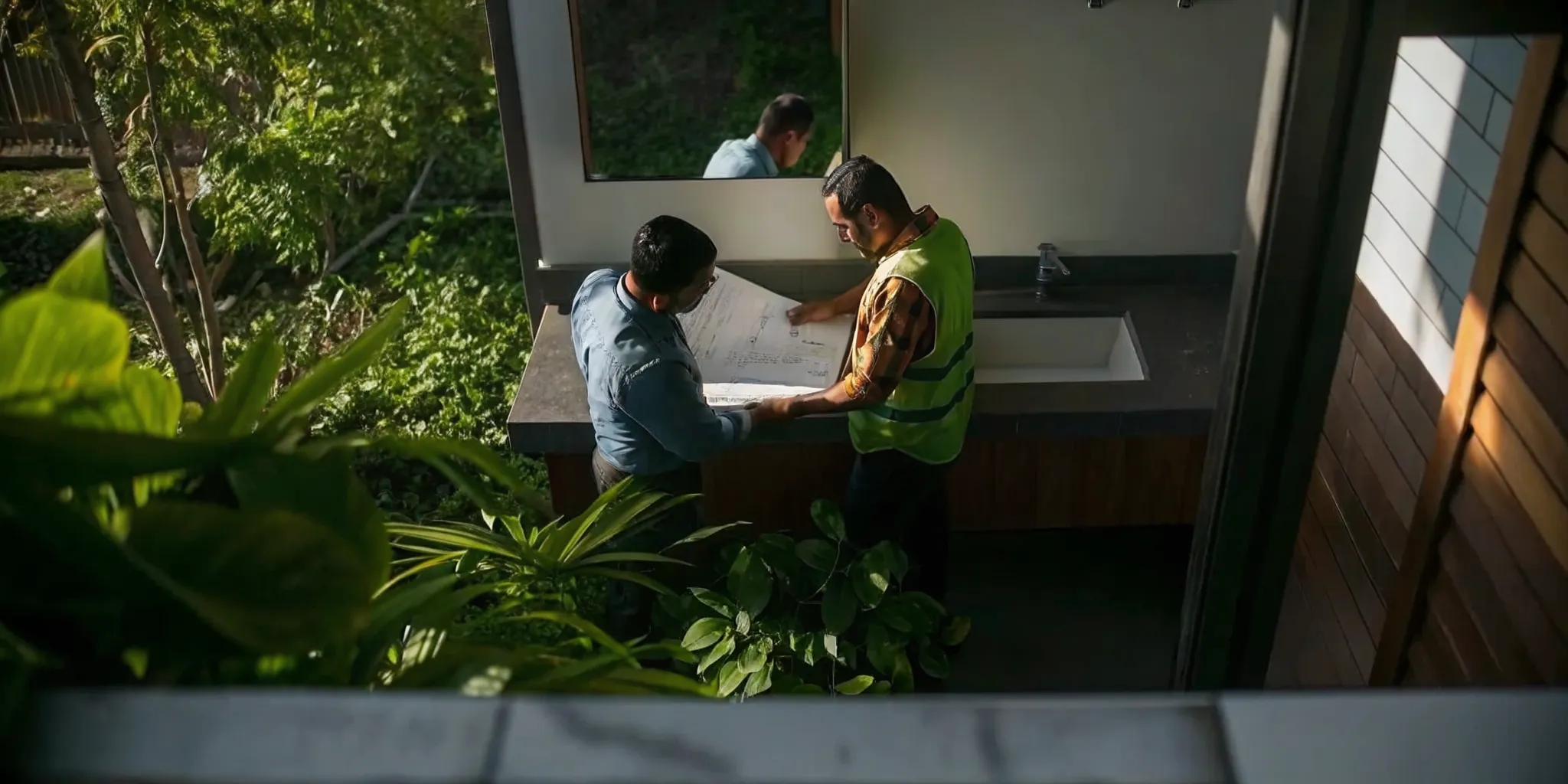
Before you commit, it’s time to do some homework. Start by getting at least three detailed estimates from different deck builders. To compare them accurately, make sure each quote is for the same design, size, and materials. Ask each potential contractor for a portfolio of their recent projects and look for decks similar to what you have in mind. You should also verify that they are licensed and insured. A good rule of thumb is to choose a builder who has been in business for several years. Don’t just rely on their word; reading online reviews and speaking directly with a few past clients will give you a clear picture of their professionalism and quality of work.
Understand Contracts and Warranties
A handshake isn’t enough when it comes to a major home project. Always get everything in writing. Your contractor should provide a detailed contract that outlines the full scope of the project, including a breakdown of costs for labor, materials, permits, and cleanup. Before you sign, read it carefully and ask questions. Does the price include hauling away old materials? What happens if they run into unexpected issues? It’s also important to understand the warranty they offer on both their labor and the materials used. A clear, comprehensive contract protects both you and the contractor by setting clear expectations from the start and preventing misunderstandings down the road.
Spot These Contractor Red Flags
Trust your intuition during the hiring process. If something feels off, it probably is. One of the biggest red flags is an unusually low bid that significantly undercuts all other quotes. While it might seem tempting, stories from homeowners often warn that an extremely low price can lead to cut corners, low-quality work, or surprise costs later on. Other warning signs include a contractor who pressures you to make a quick decision, asks for a large cash deposit upfront, or is difficult to communicate with. A true professional will be transparent, patient, and happy to answer all of your questions without making you feel rushed.
Work with a Renovation Advisor to Find Vetted Pros
Feeling overwhelmed by the process of finding and vetting contractors? You’re not alone. It’s a time-consuming task, but it’s one you don’t have to do by yourself. Working with a renovation advisor can simplify the entire experience. At Realm, your dedicated advisor does the heavy lifting for you. We connect you with skilled, pre-vetted contractors from our trusted network and help you compare their detailed bids on an apples-to-apples basis. This support ensures you can hire a professional with confidence, knowing they’ve already been thoroughly checked for quality, reliability, and fair pricing.
Related Articles
- Average Cost of a New Deck: A Price Breakdown
- Average Deck Building Cost: A Complete Guide
- How Much Does it Cost to Build a Deck? A Detailed Guide
- The Real Deck Installation Cost Per Square Foot
Frequently Asked Questions
Why would I choose pressure-treated wood if cedar or redwood looks nicer? That's a great question that gets right to the heart of deck planning. While woods like cedar and redwood are undeniably beautiful, pressure-treated wood is the champion of practicality and value. It’s incredibly durable and budget-friendly, making a new deck accessible for more homeowners. Plus, you can stain it in a variety of colors to match your home's style, giving you a lot of design control. Think of it as a strong, reliable foundation for your outdoor living space that you can customize to your taste.
Can I save a lot of money by building the deck myself? You can definitely save on labor costs by going the DIY route, but it's a decision that requires careful thought. Building a deck that is safe, stable, and up to code involves a lot of skill, from pouring concrete footings to understanding structural loads. Mistakes can be expensive to fix and could even be dangerous. For most homeowners, the peace of mind that comes from having an experienced professional build your deck correctly is well worth the investment in labor.
How long can I realistically expect a pressure-treated deck to last? A well-built pressure-treated deck can easily last for 15 to 20 years, and sometimes even longer. The secret to its longevity is regular maintenance. This isn't complicated; it just means cleaning the deck and applying a fresh coat of water-repellent stain or sealant every two or three years. This simple routine protects the wood from sun and moisture damage, preventing rot and keeping your deck a safe, beautiful place for your family to enjoy for decades.
Why do the quotes I get from different contractors for the same project vary so much? It can be confusing when quotes for the same job come in at very different prices. This variation often reflects differences in a contractor's experience, the quality of the specific materials they plan to use, their overhead costs like insurance, and even how busy their schedule is. A suspiciously low bid might be a red flag that they are cutting corners somewhere. This is why it's so important to get detailed, itemized quotes so you can compare what's actually included, not just the bottom-line number.
I'm ready to start planning my deck. What's the very first step I should take? Before you start calling contractors, the best first step is to get a clear vision and a realistic budget for your project. Think about the ideal size for your deck, how you plan to use the space, and what features are most important to you. Having a solid plan makes your conversations with builders much more productive. A great way to start is by using a planning tool or speaking with an advisor to get data-driven cost estimates for your specific home, which helps you set a budget and move forward with confidence.