Basement Finishing Cost Seattle: A Full Breakdown
Get a clear look at basement finishing cost Seattle homeowners can expect, with tips on budgeting, hidden expenses, and what impacts your final price.
|
March 24, 2026
In this article:
Finishing a basement in the Pacific Northwest comes with its own unique set of rules. Our famously rainy climate means moisture control isn't just a good idea; it's a critical, non-negotiable part of your budget. At the same time, our dynamic housing market makes a finished lower level a fantastic investment. Understanding the specific basement finishing cost Seattle homeowners face requires looking at these local factors. This guide is tailored for our region. We'll explore how our climate impacts construction, what local labor and permit fees look like, and what kind of return on investment you can realistically expect right here at home.
Key Takeaways
- Plan for a significant investment: Finishing a basement in Seattle is a major project, with typical costs ranging from $100,000 to $125,000. The final price tag is shaped by your project's size, material choices, and the region's labor costs.
- Budget for Seattle's climate and other surprises: Prioritize robust waterproofing to handle the damp weather and always include a contingency fund of 15-20% to cover unexpected issues like mold or subfloor repairs.
- A finished basement is a smart financial move: Beyond adding valuable living space, a basement remodel offers a strong return on investment in the Seattle market, often recouping 60-75% of its cost at resale. Smart planning, like getting multiple quotes, helps you maximize this value.
What's the Average Cost to Finish a Seattle Basement?
Okay, let's talk numbers. Finishing your basement is a fantastic way to add valuable living space to your home, but it's important to go in with a clear understanding of the potential costs. In Seattle, the price tag can vary quite a bit depending on what you have in mind, from a simple playroom to a full-blown apartment. We'll break down the typical investment so you can start planning your project with confidence.
Breaking Down Costs by Project Scope
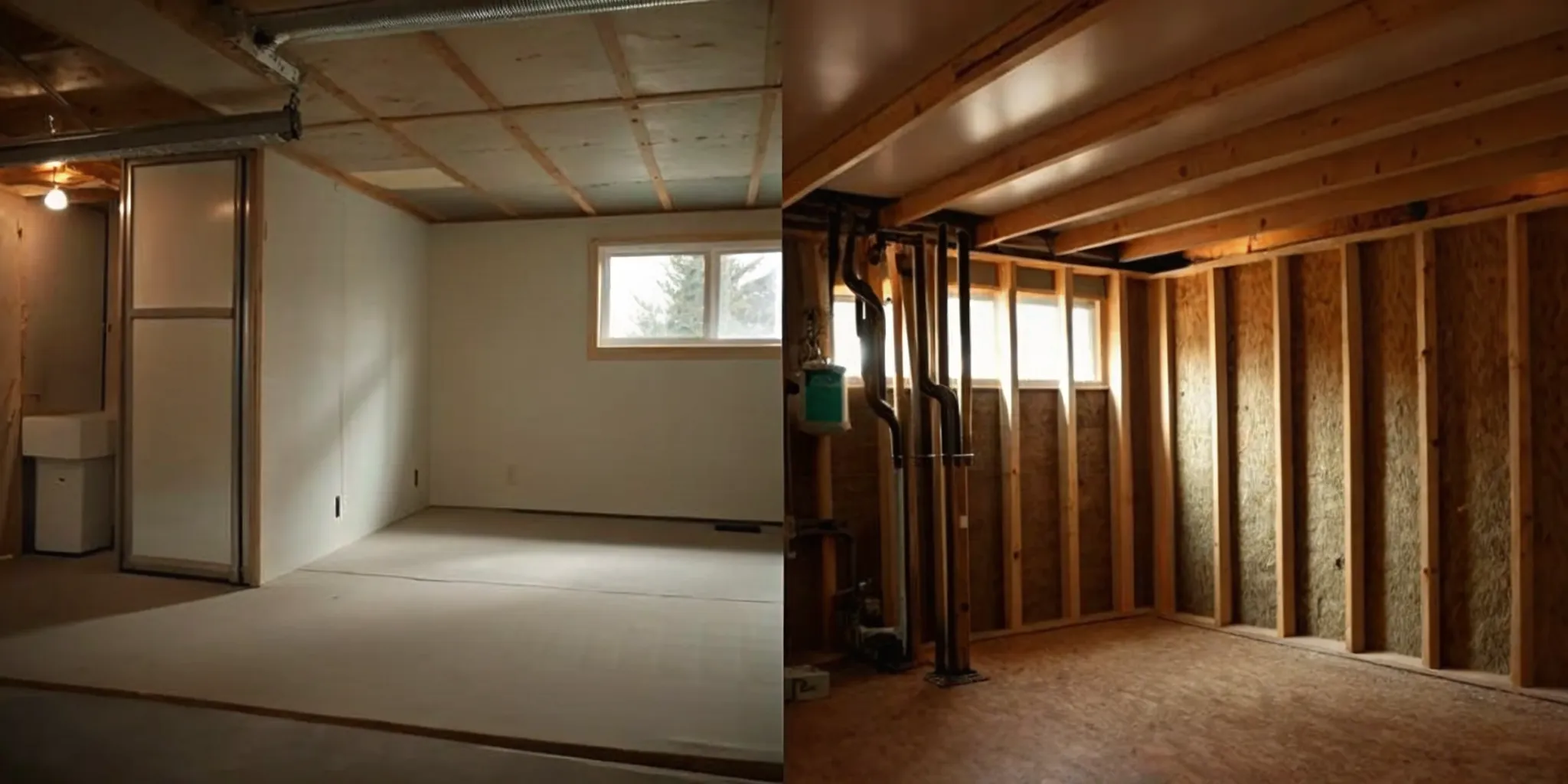
For a complete basement remodel in the Seattle area, you should generally budget between $100,000 and $125,000. This range typically covers turning an unfinished space into a fully functional living area. If your plans are more ambitious, like adding a kitchen, a full bathroom, or creating a separate apartment unit (ADU), the costs can climb. More extensive renovations often fall into the $105,000 to $400,000 range, depending on the complexity and finishes you choose. These figures account for everything from framing and insulation to electrical, plumbing, and final touches.
Typical Cost Per Square Foot
Another way to look at your budget is by the square foot. For a full-scale basement remodel in Seattle, you can expect to spend anywhere from $250 to $600 per square foot. This price reflects the high cost of labor and materials in the region and includes all the necessary work to make the space livable. If you're only planning for more basic updates, like new flooring and paint without major system upgrades, you might see lower figures, sometimes starting around $50 to $70 per square foot. However, for a true basement conversion, the higher range is a more realistic starting point for your budget.
What Factors Influence Seattle Basement Finishing Costs?
No two basements are exactly alike, and neither are their renovation price tags. Several key factors will shape your final budget, from the size of your space to the specific challenges of our rainy Seattle climate. Understanding these variables ahead of time helps you create a more accurate plan and avoid surprises down the road. Let's break down the main cost drivers for your project.
Size and Layout
It’s a simple rule of thumb: the bigger your basement, the more it will cost to finish. A larger footprint requires more materials like drywall, flooring, and paint, and it also takes more labor hours to complete the work. Beyond sheer square footage, the layout you choose plays a big role. An open-concept media room will generally be less expensive than a layout with multiple bedrooms and a bathroom, which requires framing more walls, running additional wiring, and hanging more doors.
Your Choice of Materials
This is where you have the most control over your budget. The materials you select can cause your costs to swing dramatically. For example, choosing basic carpet and standard lighting fixtures will keep costs down. On the other hand, opting for high-end finishes like engineered hardwood floors, custom cabinetry for a wet bar, or designer tile in a new bathroom will place your project at the higher end of the price spectrum. Thinking through your priorities will help you decide where to save and where to splurge.
Seattle's Climate: Moisture Control
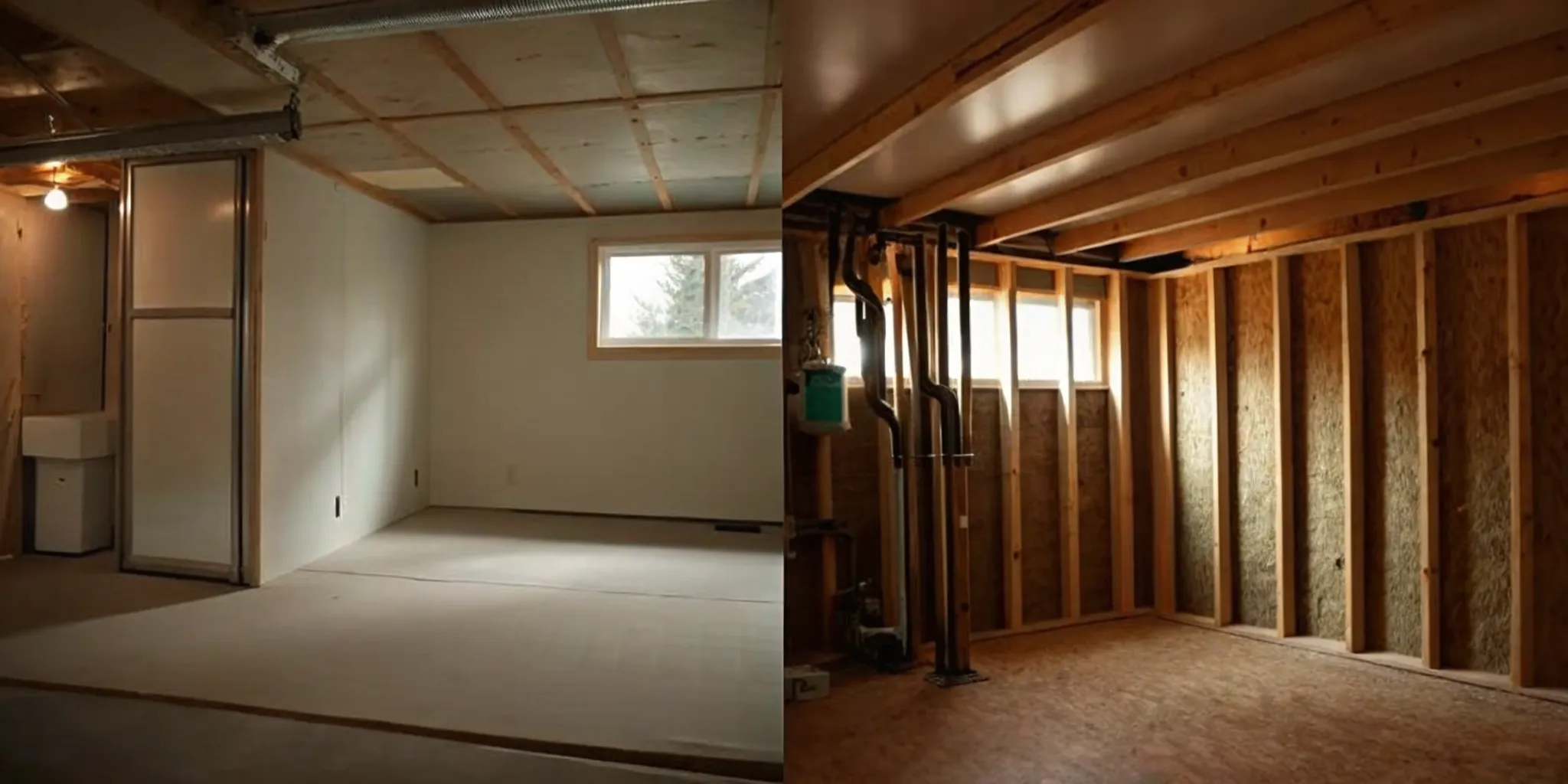
Living in the Pacific Northwest means we have to take water seriously, especially below ground. Seattle's consistently damp weather makes proper moisture control a non-negotiable part of any basement project. To keep your new space dry and free of mold, your plan will likely need to include waterproofing, effective drainage solutions, and proper insulation. While these steps add to the initial cost, they are a critical investment to protect your home and ensure your finished basement remains a healthy, comfortable space for years to come.
Plumbing, Electrical, and HVAC Needs
If your plans include adding a bathroom, a laundry room, or a wet bar, you’ll need to budget for new plumbing lines and vents. Likewise, your electrical system will need to be updated to handle new lighting, outlets, and appliances. You may even need to upgrade your main electrical panel. Don’t forget about comfort; extending your home’s heating and cooling (HVAC) system with new ductwork is essential for making the basement a true living area. These mechanical systems require licensed professionals, which is why having a dedicated advisor can help coordinate the right team for the job.
Local Labor and Permit Fees
The complexity of your project determines the cost of labor. Simple cosmetic updates are less labor-intensive than projects that involve moving structural walls or digging out floors to increase ceiling height. In Seattle, most basement remodels require permits and inspections to ensure all work complies with local building and safety codes. This is a crucial step for your family’s safety and your home’s future resale value. A reliable contractor will manage the permitting process, but the fees are an important line item to include in your budget.
What Hidden Costs Should You Budget For?
When you start getting quotes for your basement project, they’ll cover the big-ticket items you’re excited about, like new walls, paint, and flooring. But what about the costs lurking beneath the surface or behind the scenes? A successful renovation depends on a realistic budget, and that means accounting for the unexpected expenses that almost always pop up. It’s easy to get focused on the final look, but the foundational work required to get there can hold some financial surprises that aren't always included in an initial estimate.
Planning for these potential costs from the start is the best way to stay in control of your finances and avoid stressful setbacks. Think of it as building a financial cushion that ensures your project runs smoothly from demolition day to the final walkthrough. It’s the difference between a project that feels managed and one that feels like it’s running away from you. A good contractor will help you anticipate some of these, but being an informed homeowner is your best defense against budget overruns. To help you prepare, here are some of the most common hidden costs to factor into your Seattle basement finishing budget.
Removing Old Flooring and Repairing the Subfloor
Before you can install that beautiful new carpet or vinyl plank flooring, you have to deal with what’s already there. Tearing out old, damaged, or dated flooring is a necessary first step. The cost for removing old flooring can range from $1 to $3 per square foot. Once the old floor is gone, you might find the subfloor beneath needs some attention. Issues like cracks, uneven spots, or water damage are common and must be fixed to create a stable base for your new floor. These subfloor repairs can add another $100 to $500 or more to your total, depending on the extent of the damage.
Dealing with Moisture and Mold
Basements are naturally prone to dampness, and in a rainy climate like Seattle's, moisture control is non-negotiable. Uncovering a hidden mold or water damage issue is a common renovation surprise. Depending on the severity, professional remediation can cost anywhere from $500 to over $4,000. To prevent future problems, it's wise to invest in moisture protection measures, which might include sealing foundation walls or installing a vapor barrier. These preventative steps typically cost between $0.50 and $3 per square foot but are essential for protecting your investment and maintaining a healthy living space for your family.
Structural Changes and Meeting Code
If your vision for the basement involves more than just cosmetic updates, be prepared for higher costs. Major structural changes, like removing support posts, altering foundation walls, or cutting in a new window for egress, can be one of the most significant expenses. These modifications require careful engineering and skilled labor to ensure your home’s integrity remains sound. Furthermore, all renovation work must comply with local building codes, which can add complexity and cost to the project. Ensuring everything is up to standard is crucial for safety and for your home’s resale value.
Utility Upgrades and Material Delivery
The small logistical costs of a renovation can add up quickly if you don't plan for them. Your project will likely require several permits and inspections to ensure it meets city requirements, which can cost between $300 and $2,000. You also need to think about how your materials will get to your home. Delivery fees for items like lumber, drywall, and flooring can run from $50 to $150 per trip. While these individual charges might seem minor, they can easily add hundreds of dollars to your final bill. Including a line item in your budget for these miscellaneous project expenses is a smart move.
Seattle Basement Finishing Costs Per Square Foot: A Breakdown
Thinking about your budget in terms of cost per square foot is a great way to get a handle on the potential scope of your project. It helps you compare quotes and understand where your money is going. Keep in mind that Seattle's construction market can be more expensive than the national average due to higher labor and material costs. The ranges below are a helpful starting point, but a detailed quote from a vetted contractor will always be your most accurate guide. Let’s look at what you can generally expect for different levels of finishes.
Basic Finishes: $30-50 per sq. ft.
If your goal is to create a clean, functional, and livable space without all the bells and whistles, a basic finish is a solid choice. This tier typically covers the essentials: installing drywall, adding simple lighting fixtures, putting in basic flooring like carpet or vinyl plank, and finishing with a fresh coat of paint. It’s perfect for a kids’ playroom, a simple home gym, or extra storage. National pricing guides suggest a basement finishing cost can range from $20 to $50 per square foot. In Seattle, you should expect to be at the top of that range or slightly higher, even for a straightforward project.
Mid-Range Finishes: $50-80 per sq. ft.
This is the sweet spot for many homeowners, balancing upgraded style with a manageable budget. A mid-range finish includes everything in the basic tier but with better quality materials. Think recessed lighting, nicer flooring like engineered hardwood, solid core doors, and perhaps some simple built-ins or a small wet bar. This level turns your basement into a comfortable family room, guest suite, or home office. For a complete finished basement remodel in the Seattle area, total project costs often land between $100,000 and $125,000, which shows how quickly costs can climb for these more polished spaces.
High-End Finishes: $80-150+ per sq. ft.
For a truly luxurious lower level, a high-end finish delivers premium materials and custom features. This could include a full home theater with surround sound, a custom bar or wine cellar, a spa-like bathroom with a steam shower, or custom millwork and cabinetry. The sky's the limit here, and the price reflects that. Local Seattle builders note that high-end basement remodels can see costs ranging from $250 to $600 per square foot, with total project budgets easily exceeding $400,000. This investment creates a standout space that is tailored exactly to your lifestyle.
What Budgeting Mistakes Should You Avoid?
Creating a budget for your basement remodel is a huge step, but a few common missteps can derail your project before it even begins. A successful renovation isn't just about picking the right paint color; it's about planning for the realities of the project, especially in a place like Seattle. By anticipating potential issues and being honest about your own limits, you can build a budget that stands up to the test and helps you create a space you'll love without the financial stress. Let's walk through the biggest budgeting mistakes homeowners make and how you can steer clear of them.
Ignoring Seattle's Rainy Climate
Here in the Pacific Northwest, we know rain. That damp climate is a major factor in any below-ground construction. One of the costliest mistakes you can make is underestimating the need for serious moisture control. Because of Seattle's wet weather, your budget must include robust waterproofing and drainage systems to keep your new living space dry and healthy. This isn't an area to cut corners. Investing in proper insulation and vapor barriers from the start will save you from expensive water damage, mold remediation, and foundation repairs down the road. Think of it as essential infrastructure for your basement, not an optional upgrade.
Forgetting a Contingency Fund
No matter how carefully you plan, renovations are full of surprises, especially when you start opening up walls and floors. That’s why a contingency fund is non-negotiable. This is money set aside specifically for unforeseen expenses that pop up during construction. A good rule of thumb is to budget an extra 10% to 20% of your total project cost. This fund can cover things like repairing a cracked subfloor you discover after pulling up old carpet, dealing with unexpected mold, or updating old wiring to meet current codes. Having this financial cushion keeps your project on track and prevents the stress of having to pause work to find more funds.
Thinking DIY Will Always Save You Money
Taking on parts of the renovation yourself can be a fantastic way to save money, but it’s important to be realistic about what you can handle. Simple tasks like painting, installing trim, or even removing old flooring are great for a handy homeowner. However, complex jobs involving plumbing, electrical wiring, or structural changes are best left to licensed professionals. A DIY mistake in these areas can lead to costly repairs, failed inspections, and serious safety hazards. Before you decide to do it yourself, honestly assess your skills and the project's complexity. For the big stuff, finding the right professionals ensures the job is done safely and correctly the first time.
How to Create a Realistic Basement Budget
Creating a budget for your basement remodel can feel like trying to hit a moving target, but it’s the most important step in setting your project up for success. A realistic budget acts as your roadmap, guiding every decision from materials to finishes. It helps you communicate clearly with your contractor and prevents the kind of surprise costs that can derail a renovation. The key is to be thorough and honest with yourself about what you can afford and what you truly want to achieve with the space.
Think of your budget as more than just a number; it's a comprehensive plan. A good one accounts for labor, materials, permit fees, and even the things you can't see yet, like potential repairs behind the walls. A well-planned budget gives you control and confidence throughout the entire process. At Realm, our dedicated advisors help homeowners build these detailed plans from the start, ensuring there are no major shocks along the way. By breaking it down into manageable steps, you can create a financial plan that aligns with your vision and turns your basement dream into a reality.
Get Multiple Contractor Quotes
Never settle for the first quote you receive. It’s essential to talk to at least three different contractors to get a clear picture of the market rate for your project. This isn’t just about finding the cheapest option; it’s about understanding value. A detailed quote will break down costs for labor, materials, and permits, allowing you to compare apples to apples. Look for professionals who are transparent and willing to answer your questions. This process helps you find a reliable partner for your renovation and ensures you’re paying a fair price for quality work.
Plan for the Unexpected (15-20% Contingency)
Every renovation project, especially a basement one, comes with a few surprises. That’s why a contingency fund is an absolute must. Plan to set aside an extra 15% to 20% of your total budget for unforeseen issues. This safety net can cover costs for things like discovering hidden moisture behind the drywall, needing to repair a cracked foundation, or updating old wiring to meet current codes. Having this fund ready means a small hiccup won’t turn into a major financial crisis, keeping your project on track and your stress levels down.
Prioritize Needs Over Wants
When you’re dreaming up your new basement, it’s easy for the wish list to grow. To keep your budget in check, it’s helpful to separate your needs from your wants. Your "needs" are the essentials: proper insulation, waterproofing, safe electrical wiring, and an egress window if you're adding a bedroom. Your "wants" might include a custom wet bar, high-end flooring, or a home theater system. List everything out and tackle the needs first. If there’s room left in the budget, you can start incorporating your wants, ensuring the most critical elements are covered.
Time Your Project for Better Pricing
Believe it or not, the time of year you start your renovation can impact the final cost. Contractors are often busiest during the spring and summer, which can lead to higher labor rates. Material prices, like lumber, can also fluctuate based on demand. If your timeline is flexible, consider scheduling your project during the off-season, like late fall or winter. You may find that contractors have more availability and are able to offer more competitive pricing. A little strategic planning can lead to significant savings.
Is Finishing Your Basement a Good Investment?
After crunching the numbers, you’re likely asking the most important question: is finishing my basement a good investment? It’s a major project, so you want to be sure the payoff is worth the effort and expense. The great news is that in a market like Seattle, a basement remodel is one of the smartest upgrades you can make. It delivers value on two fronts. First, you get a significant financial return when it’s time to sell. Second, and perhaps more importantly for your daily life, you gain a huge amount of usable living space without the cost and complexity of building an addition.
Imagine what you could do with an entire new level in your home. It could become a dedicated playroom for the kids, a quiet home office away from the main floor's hustle, or a comfortable guest suite for visiting family. You could even design it as an accessory dwelling unit (ADU) to generate rental income. When you plan your project with a clear vision, a finished basement enhances your lifestyle and adds serious value to your property.
ROI in the Seattle Housing Market
Let's talk numbers. In the competitive Seattle housing market, a finished basement is a feature that buyers notice. Local data shows that basement remodels in Seattle typically add 60% to 75% of their cost back to your home's value at resale. This means if you spend $80,000 on your project, you could see your home's value increase by $48,000 to $60,000. That's a solid return that makes the initial outlay much more manageable. Working with an advisor to manage the project can help ensure you make smart choices that maximize that return, which is why Realm exists to support homeowners like you.
The Value of Extra Living Space
Beyond the financial return, consider the immediate value of more space. Finishing your basement is almost always more cost-effective than building a new addition from the ground up. You're working with an existing foundation and structure, which saves a lot of time and money. This newly finished area can increase your home's resale value by an average of 10% to 20%. More importantly, it gives you the flexibility to adapt your home to your family's changing needs. That extra space could be the home gym you've always wanted or a media room for family movie nights, adding daily enjoyment and function to your home.
Related Articles
- How Much Does Finishing a Basement Cost? A Complete Guide
- Basement Finishing Costs: Your Complete Guide
- How Much Is the Average Cost for Basement Finishing?
Frequently Asked Questions
How long does a typical basement remodel take? The timeline for finishing a basement can vary quite a bit, but a good general estimate is between 8 to 12 weeks from the start of construction. This assumes you have already finalized your design, selected your materials, and secured the necessary permits. Simpler projects might be quicker, while more complex renovations involving structural changes or custom features could take longer. The key is to have a solid plan in place before the first hammer swings.
Why is waterproofing so important in Seattle, and what does it involve? In our rainy climate, water is the biggest threat to a basement project. Proper waterproofing isn't just a nice-to-have; it's essential for protecting your investment and preventing mold, mildew, and structural damage. The process often involves sealing the interior and exterior foundation walls, installing a drainage system like a French drain, and adding a sump pump. While it adds to the upfront cost, it's the most critical step to ensure your new space stays dry, healthy, and comfortable for years.
Can I really save money by doing some of the work myself? You absolutely can, as long as you're realistic about your skills. Taking on tasks like demolition, painting, or installing simple flooring can cut down on labor costs. However, it's wise to leave the complex jobs like electrical, plumbing, and structural work to licensed professionals. A mistake in those areas can be dangerous and far more expensive to fix than hiring an expert from the start. Focus on the finishing touches where your efforts can shine without compromising safety or quality.
Is it better to create an open-concept space or add separate rooms? This really comes down to how you plan to use the space. An open-concept layout is fantastic for a family room, home gym, or entertainment area, and it's often less expensive because it requires less framing and fewer doors. On the other hand, creating separate rooms is the way to go if you need a dedicated home office, a guest bedroom, or a legal apartment unit. Think about your family's needs both now and in the future to decide which layout will provide the most long-term value.
What's the very first step I should take if I'm serious about this project? Before you call a single contractor, the best first step is to define your goals and create a detailed budget. Figure out exactly what you want to achieve with the space and be honest about what you can afford to spend, including a 15-20% contingency fund for surprises. Having a clear plan and a realistic budget makes it much easier to have productive conversations with professionals and ensures everyone is on the same page from day one.