13 Inspiring Modern Attic Conversion Ideas
Find modern attic conversion ideas to transform your unused space into a stylish bedroom, home office, or retreat with smart design and storage tips.
|
March 25, 2026
In this article:
Feeling cramped in your current home? Before you start browsing real estate listings, look up. The solution to your space problem might be right above you. Your attic offers a wealth of untapped square footage that can be transformed to fit your family’s changing needs. It’s the perfect spot for a private home office, a welcoming guest suite, or a much-needed playroom for the kids. This project adds significant value and function to your home without altering its exterior footprint. We’ve gathered the best modern attic conversion ideas to show you exactly what’s possible and help you plan a smart, seamless renovation.
Key Takeaways
- Transform Unused Space into a Valuable Asset: An attic conversion adds significant living area and financial value to your home, creating anything from a private master suite to a quiet home office within your existing footprint.
- Plan Ahead to Prevent Costly Surprises: Before you get to the design stage, address the fundamentals. A professional structural check, proper permits, and a realistic budget are crucial for preventing unexpected issues and ensuring your project runs smoothly.
- Design Smart for an Awkward Space: Make the most of sloped ceilings and tricky corners. Strategically placed skylights can make the room feel bright and open, while custom built-in storage turns awkward eaves into highly functional features.
Why Convert Your Attic?
That dusty, forgotten space above your head holds so much potential. Instead of letting it sit as a storage space for holiday decorations and old boxes, you can transform it into a beautiful, functional part of your home. An attic conversion is one of the smartest ways to expand your living area, add significant value to your property, and create a dedicated space that fits your family’s needs perfectly.
Unlike a traditional home addition, a conversion works within your home’s existing footprint. This often means a smoother, faster, and more cost-effective renovation process. Whether you’re dreaming of a quiet primary suite, a productive home office, or a fun playroom for the kids, your attic offers a blank canvas. With the right planning and design, you can turn this underused area into your favorite room in the house. A customized renovation plan can help you see exactly what’s possible for your space.
Add Square Footage Without Building Out
One of the biggest advantages of an attic conversion is gaining valuable square footage without the hassle of building an extension. Expanding your home’s foundation is a major undertaking that involves excavation, pouring concrete, and disrupting your yard. By building up instead of out, you use the structure you already have. This approach is typically less disruptive to your daily life and can be a more budget-friendly way to get the extra room you need. This new living space not only makes your home more comfortable but can also make it much more appealing to future buyers if you decide to sell down the road.
Increase Your Home's Value
Adding finished, livable space is a proven way to increase your home’s market value. A well-designed attic conversion can offer a significant return on your investment. When appraisers and potential buyers see a beautifully finished attic bedroom, bathroom, or office, they see a larger, more versatile home. Even simple updates like adding proper insulation, flooring, and lighting can transform the attic from a storage liability into a valuable asset. By turning unused space into a functional room, you’re not just improving your lifestyle; you’re making a smart financial move that can pay off when it’s time to sell.
Carve Out a Private Retreat
Life can get busy, and having a quiet space to escape to is a true luxury. Because attics are set apart from the main living areas downstairs, they are the perfect spot for a private retreat. Imagine a serene primary suite with treetop views, a peaceful home office where you can focus without interruption, or a cozy reading nook tucked under the eaves. This separation creates a natural sound buffer and a sense of privacy that’s hard to find elsewhere in the house. Using light, neutral colors on the walls can also make the space feel spacious and bright, turning it into a truly restful sanctuary.
Find Your Modern Attic Design Style
Your attic is a blank canvas. Its unique architecture, with sloped ceilings, cozy nooks, and interesting angles, provides the perfect backdrop for a variety of design styles. Choosing a style is the first step in transforming this underused area into a space you’ll love. Think about how you want the room to feel. Are you aiming for a bright and airy retreat, a cozy and rustic hideaway, or a sleek and productive workspace? The right design will not only reflect your personal taste but also make the most of your attic’s specific features.
Whether you’re drawn to clean lines or rustic textures, there’s a modern aesthetic that will fit your vision. Exploring different styles can help you pinpoint the exact look and feel you want to achieve. From the simplicity of minimalism to the warmth of modern farmhouse, let’s look at a few popular design directions that work especially well in converted attics. Each one offers a different way to handle light, space, and character, giving you a clear path forward for your renovation project.
Go Minimalist
If you want your attic to feel like a calm, uncluttered sanctuary, a minimalist approach is a perfect choice. This style is all about simplicity, clean lines, and a "less is more" philosophy. To make the space feel bigger and brighter, stick with a light color palette. Walls painted in soft whites, light grays, or other neutrals will reflect natural light and create an open, airy atmosphere. Furnishings should be simple and functional, with an emphasis on quality over quantity. A minimalist design helps reduce visual clutter, which is especially helpful in a room with unique angles, turning your attic into a serene escape from the rest of the house.
Try Industrial Chic
For a style that celebrates your home’s character, consider industrial chic. This aesthetic highlights the raw, structural elements of a space, making it a natural fit for many attics. If your attic has old wooden beams or exposed brick walls, leaving them as-is can add incredible warmth and texture to the room. You can complement these features with metal accents, such as iron light fixtures or steel-framed windows. The industrial look is all about embracing imperfections and finding beauty in utilitarian materials. It’s a great way to create a space that feels both historic and modern, with a design that has a strong personality.
Embrace Scandinavian-Inspired Design
Scandinavian design is known for its focus on simplicity, functionality, and creating a cozy, inviting atmosphere. This style is ideal for attics because it prioritizes making spaces feel bright and comfortable. Use pale colors and white on the ceilings to make the room feel more open and airy. Incorporate natural materials like light-colored wood for flooring and furniture to add warmth. Keep furnishings practical and uncluttered, and add soft textiles like wool blankets and plush rugs for comfort. The goal is to create a space that is both beautiful and livable, making your attic a welcoming retreat year-round.
Get Cozy with Modern Farmhouse
The modern farmhouse style blends rustic charm with clean, contemporary lines, creating a look that is both timeless and comfortable. This aesthetic works beautifully in an attic, turning it into a cozy hideaway. Use a neutral color palette of whites, creams, and grays as your base, and add warmth with natural wood tones and textures. Shiplap walls can add character, while simple, comfortable furniture keeps the space from feeling cluttered. Modern farmhouse is also about smart, practical solutions. You can make the most of tricky spaces under the eaves by adding custom built-in storage, which provides functionality while maintaining the style’s clean, organized feel.
Create an Open-Concept Space
Attics are often a single, large room, which makes them perfect for an open-concept design. Instead of building walls to divide the space, you can create distinct zones for different activities using furniture, rugs, and lighting. An open layout makes the entire attic feel larger and more connected. For example, you could have a sleeping area on one side and a small home office or reading nook on the other, separated by a bookshelf or a strategically placed sofa. This approach gives you a multi-functional room that can adapt to your needs, turning your attic into one of the most versatile spaces in your home.
Plan Your Attic Conversion
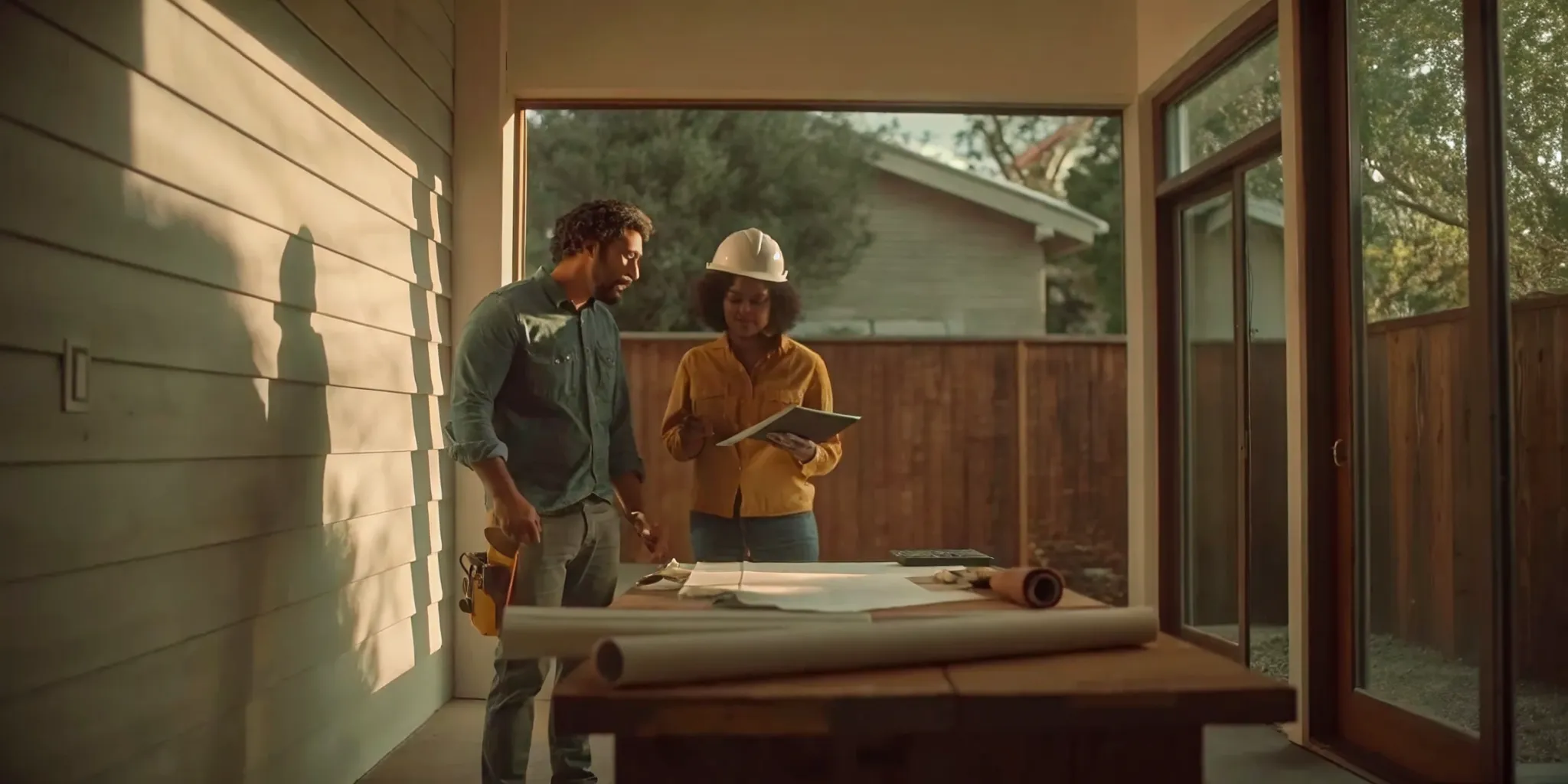
Before you start picking out paint colors and furniture, there are a few practical steps you need to take. Planning is the most important phase of any renovation, and it’s especially true for an attic conversion, which involves structural, electrical, and plumbing considerations. Getting these foundational elements right from the start will save you from major headaches and unexpected costs down the road. Think of this as creating the perfect canvas for your future master suite, home office, or creative studio. A solid plan ensures your new space is not only beautiful but also safe, comfortable, and fully compliant with local regulations. Taking the time to work through these details with your renovation team will set your project up for success.
Assess Your Home's Structure
First things first: is your attic even a candidate for conversion? Not all attics are created equal. Some simply don't have the structural integrity to support a finished living space. The floor joists, which were likely designed to hold insulation and light storage, may need to be reinforced to handle the weight of furniture, people, and building materials. A structural engineer can inspect your attic to determine if the floors are strong enough and if the roof structure can be altered without compromising your home’s stability. This is a non-negotiable first step to ensure your project is built on a solid foundation.
Check Building Codes and Permits
Working with building codes and permits can feel overwhelming, but it’s a critical part of the process. Your local building department has specific rules for what legally constitutes a habitable living space. These regulations cover everything from ceiling height and window size to staircase design and emergency egress. Following these codes is essential for your family’s safety and for ensuring the new square footage officially adds to your home’s value. Starting a conversation with your local planning authority early on will help you avoid costly mistakes or having to redo work. This is where having an expert on your side, like a Realm advisor, can make a world of difference.
Measure Ceiling Height and Floor Space
For an attic to feel like a true room and not a cramped crawlspace, it needs adequate headroom. Building codes often have strict requirements here. A common rule of thumb is that at least half of the finished attic area must have a ceiling height of at least 7 feet. When you measure, be sure to account for the thickness of new flooring and a finished ceiling, which will reduce the final height. Carefully mapping out your floor plan will help you visualize how you can best use the areas with full-height ceilings for primary activities and tuck storage or seating into the lower, sloped sections.
Plan for HVAC and Electrical
Keeping your new attic comfortable year-round requires a solid plan for heating, ventilation, and air conditioning (HVAC). You might be able to extend your home’s existing system, but you’ll need a professional to confirm it can handle the extra load. Another popular option is a separate ductless mini-split system, which offers efficient, zoned climate control. You’ll also need to plan for electrical wiring to accommodate lights, outlets, and any special features. For specialized work like this, it’s always best to hire licensed professionals to ensure everything is installed safely and up to code.
How to Maximize Natural Light in Your Attic
An attic conversion can feel dark and cramped if you don't plan for lighting. Natural light is the key to making your new space feel open, airy, and inviting. It can transform a small, sloped room into a bright retreat you’ll actually want to spend time in. The right lighting strategy not only improves the mood and usability of the space but can also make it feel significantly larger than it is. Plus, relying on sunlight during the day can help you save on energy bills.
The unique architecture of an attic, with its sloped ceilings and limited wall space, presents both challenges and opportunities. While you might not be able to add a standard window, you have the entire roof as a canvas. From installing skylights that frame the sky to adding dormers that create cozy nooks, there are several effective ways to flood your attic with light. Even simple interior design choices, like picking the right paint color, can make a huge difference. Let's walk through the best strategies for bringing beautiful, natural light into your new attic room.
Place Skylights Strategically
Skylights are one of the most popular choices for attic conversions, and for good reason. They can let in up to three times more light than a traditional vertical window of the same size. The key is placing them thoughtfully. Think about how you'll use the room and where the sun travels across your home. A south-facing skylight will bring in bright, direct light throughout the day, which is great for a living area. For a home office or art studio where consistent, softer light is better, a north-facing placement is ideal. You can also group multiple modern skylights together to create a stunning architectural feature and an even brighter space. Many also come with options like blinds and venting to give you full control over light and airflow.
Install Dormer Windows
If you want to add both light and usable space, a dormer window is a fantastic solution. Dormers are structures that project vertically from the plane of a sloped roof, creating a small alcove with a traditional window. This not only breaks up the long slope of the roof but also adds precious headroom and floor space, perfect for a desk or a reading nook. There are several types of dormers, from classic gable-fronted dormers to long shed dormers that can dramatically expand a room. While they are a more significant structural addition than skylights, the payoff in both light and functionality is often well worth the investment.
Consider Light Wells and Sun Tunnels
What about bringing light into parts of the attic that don't have direct roof access, like a small bathroom, closet, or hallway? That's where sun tunnels, also known as solar tubes, come in. These clever devices capture sunlight from a small dome on your roof and channel it down a highly reflective tube to a diffuser in the ceiling below. They are a surprisingly effective and less invasive way to brighten up windowless, interior spaces. A sun tunnel can illuminate a dark corner and make your entire attic floor plan feel more connected and open, without requiring major structural changes.
Use Reflective Surfaces and Light Colors
Once you have your windows and skylights in place, you can amplify their effect with smart interior design choices. The colors you choose for your walls and ceiling have a huge impact on how bright the room feels. Light, neutral colors like white, cream, and pale gray are your best friends in an attic, as they reflect light around the room. You can learn more about how to choose paint colors to make a room feel bigger. Beyond paint, consider using reflective surfaces. A large mirror can double the light from a window, while finishes like glossy flooring, metallic light fixtures, or glass furniture will help bounce light into every corner, creating a bright and vibrant space.
Smart Storage Solutions for Your Attic
An attic’s unique architecture, with its sloped ceilings and cozy nooks, is part of its charm. But those same features can make finding storage solutions a bit of a puzzle. The key is to see these quirks not as limitations, but as opportunities for creative, built-in storage that feels completely custom. Instead of trying to fit standard, boxy furniture into a room with interesting angles, you can design solutions that blend seamlessly with the space, making every inch count. This is your chance to get really smart about how you store everything from clothes to keepsakes.
Thoughtful storage will make your converted attic feel larger, more organized, and intentionally designed. From custom wardrobes that hug the eaves to furniture that does double duty, the right approach will keep your new space functional and free of clutter. By working with the room's natural lines, you can create a beautiful retreat that has a place for everything. Planning these details can feel overwhelming, but you don't have to do it alone. A Realm advisor can help you map out the perfect storage plan and connect you with skilled contractors who can bring your vision to life.
Add Built-Ins Under Sloped Ceilings
Those sloped ceilings and low walls, often called eaves, are prime real estate for custom storage. Instead of leaving that space empty, you can install built-in shelves, cabinets, or drawers that are perfectly fitted to the angle of the roof. This approach transforms an awkward area into a highly functional feature. Imagine a wall of bookshelves that follows the roofline or a set of deep drawers tucked neatly into the eaves. These custom-built solutions not only provide ample storage but also make the room feel polished and complete, as if they were always meant to be there.
Choose Multi-Functional Furniture
In any space where square footage is at a premium, every piece of furniture should work hard. This is especially true in a converted attic. Look for pieces that serve more than one purpose to keep the floor plan open and uncluttered. A bed frame with built-in drawers underneath is perfect for storing extra linens or clothes. A window seat can be designed with a hinged lid to create a hidden storage chest for blankets or games. By choosing smart, multi-functional furniture, you reduce the need for extra dressers or cabinets, helping your modern attic feel spacious and serene.
Think Vertically
To make your attic feel as large and airy as possible, draw the eye upward. Using vertical space is a classic design trick that works wonders under a pitched roof. Install tall, narrow bookcases or floating shelves that climb the walls, creating storage without taking up valuable floor space. This not only gives you a place to display books and decor but also emphasizes the height of the room, making it feel grander. Pairing vertical storage with light wall colors, like soft whites or grays, will further enhance the sense of openness and create a bright, inviting atmosphere.
Design Custom Wardrobes and Hidden Storage
Attics offer fantastic opportunities to get creative with hidden storage. You can design custom, shallow wardrobes along the knee walls (the short walls under the sloped ceiling) that are perfect for hanging clothes or storing shoes. These can be concealed with simple, flat-panel doors that blend right into the wall for a clean, minimalist look. You can also build storage into unexpected places, like a pull-out drawer in the side of a built-in desk or a hidden cabinet behind a piece of art. These clever solutions keep your belongings organized and out of sight, maintaining the room’s calm and uncluttered feel.
Design a Modern Attic Bedroom
Turning your attic into a bedroom is one of the most popular conversion projects, and for good reason. The space under the roof is naturally private and quiet, set apart from the main hustle of the house. The unique architecture, with its sloped ceilings and potential for skylights, offers a fantastic canvas for creating a truly special room. Whether you’re dreaming of a secluded master suite, a welcoming guest room, or a fun-filled space for your kids, the attic provides a unique opportunity to add functional and beautiful living space to your home.
Planning is key to making the most of these features. You’ll want to think about furniture placement to accommodate the angles of the roofline and how to maximize the natural light. With the right design, you can transform a dusty, forgotten space into the most coveted room in the house. Working with a dedicated advisor can help you map out a layout that feels both spacious and cozy, ensuring every square foot is used effectively. From a peaceful adult retreat to a vibrant kids' zone, an attic bedroom can be tailored to fit your family’s exact needs.
Create a Cozy Master Suite
Imagine a primary bedroom that feels like a private retreat, tucked away from the rest of your home. An attic conversion is the perfect way to create this sanctuary. A popular and valuable choice is to design a full master suite complete with its own bathroom, or ensuite. This adds a layer of comfort and luxury, turning your attic into a self-contained escape. The sloped ceilings that can sometimes feel like a challenge are actually perfect for creating a cozy atmosphere, especially over a bed or a reading nook. You can install skylights for stargazing from bed or add a large dormer window to open up the space and frame a beautiful view.
Design a Welcoming Guest Room
If you frequently host friends or family, converting your attic into a guest room can be a game-changer. It gives your visitors a private, comfortable space of their own, making them feel truly welcome. Since an attic is separate from the main living areas, guests won't feel like they are intruding, and you won't feel like you've given up your living room. You can furnish it with a comfortable bed, a small seating area, and its own storage. This extra room is incredibly flexible; when you don’t have guests, it can easily double as a quiet home office, a yoga space, or a hobby room, allowing you to maximize the use of your space.
Combine a Kids' Bedroom and Play Area
Attics have a certain magic that makes them an ideal setting for a child's bedroom and playroom. The unique nooks and crannies can spark imagination and create the perfect backdrop for adventure. You can build in clever storage solutions, like drawers or shelves tucked into the sloped side walls, to keep toys and clothes organized. Overlapping bunk beds are a smart way to fit more sleeping space into a compact room, leaving more floor area open for play. By zoning the room into distinct areas for sleeping, playing, and homework, you can create a functional and fun environment that your kids will love for years to come.
Turn Your Attic Into a Home Office or Studio
A quiet, dedicated space for work or creativity can feel like a luxury, but it might be right above your head. Your attic offers a unique opportunity to create a secluded retreat away from the daily hustle and bustle of the main house. Whether you need a productive home office or an inspiring studio, converting this underused area is a smart way to add functional square footage. Attics can be turned into useful living spaces instead of just storage, transforming them into a place where you can focus, create, and unwind. This kind of project is more than just a cosmetic update; it’s about fundamentally changing how you use your home.
Turning your vision for an attic office or studio into a reality involves careful planning, from structural assessments to design details. A well-designed conversion not only meets your immediate needs but can also make your home more valuable. If you're wondering where to begin, a customized renovation plan can help you map out every step, ensuring your new space is both beautiful and built to last. With the right approach and expert guidance, you can craft a personalized sanctuary that supports your work and passions for years to come.
Design a Productive Workspace
Imagine a home office where you can truly concentrate, free from household distractions. An attic conversion is perfect for this. To create a productive environment, start with the essentials: light and connectivity. Position your desk near a window or skylight to take advantage of natural light, which is known to improve focus. Make sure your plan includes enough electrical outlets for all your gear and a strong, reliable internet connection. A clean, minimalist design with simple furniture and organized storage will help keep your mind clear and on task.
Create an Art Studio or Creative Space
For artists, writers, or musicians, an attic can become the ultimate creative haven. The key is to design a space that inspires you. Using light colors like white, neutrals, or light grays on the walls helps the attic feel bigger and brighter, creating an open and airy atmosphere. Natural light is often a top priority, so consider adding large skylights. Attics also offer chances to add clever storage, like building shelves into the sloped side walls or adding a window seat with hidden compartments. This keeps your supplies tidy and your creative space clutter-free.
Plan a Multi-Purpose Room
Why settle for just one function? Your attic can easily serve multiple purposes with a flexible design. Open-concept designs, where different zones flow into each other, work very well in attics and can make the space feel larger. You could combine a home office with a cozy reading nook or a yoga studio that doubles as a guest room with a sleeper sofa. To make the most of tricky spaces, like the areas under the eaves, you can add built-in storage for books, files, or linens. This approach ensures every square foot is put to good use.
Add a Modern Attic Bathroom
Adding a bathroom to your attic transforms it from a simple room into a fully functional living space. Whether you’re creating a master suite, a guest room, or a private home office, an ensuite bathroom adds incredible convenience and value. While the sloped ceilings and unique angles of an attic present design challenges, they also offer an opportunity to create a truly one-of-a-kind space. With smart planning, you can fit a beautiful and practical bathroom into your converted attic, making the new level of your home feel complete.
The key is to work with the room’s architecture, not against it. Think about how you can use the eaves for storage or place a tub where the ceiling is lowest. A well-placed skylight can flood the room with natural light and make it feel open and airy, which is especially important in a smaller bathroom. From a compact powder room to a luxurious spa-like retreat, an attic bathroom is a smart investment in your home’s comfort and functionality. A dedicated advisor can help you plan your renovation to make the most of your unique space, ensuring plumbing and ventilation are handled correctly from the start.
Plan a Compact Layout
When designing an attic bathroom, every square inch counts. The most effective layouts embrace the room’s quirks, like its sloped ceilings. A great strategy is to place fixtures based on the amount of headroom you need. For instance, you can tuck a freestanding bathtub under the lowest part of the ceiling, as you don’t need to stand up while you’re soaking. Reserve the area with the most ceiling height for the shower and the vanity, where you’ll need to stand comfortably. A glass shower door, or no door at all, will also make the room feel much larger than it is.
Design a Luxury Spa-Inspired Retreat
Your attic is often one of the most private and quiet spots in your home, making it the perfect location for a spa-inspired bathroom. Think of it as your personal escape. You can lean into a luxurious feel with a deep soaking tub placed directly under a skylight for stargazing. Consider high-end finishes like a marble-topped vanity, elegant brass fixtures, or a statement tile floor. Even in a small space, these details create a sense of indulgence. The goal is to design a room that feels intentional and serene, turning a once-forgotten storage area into a peaceful sanctuary.
Choose Space-Saving Fixtures
The right fixtures are essential for maximizing a small or awkwardly shaped attic bathroom. Wall-mounted toilets and floating vanities are excellent choices because they don’t touch the floor, which creates an illusion of more space and makes cleaning easier. If you’re very tight on room, a pedestal sink offers a classic look without the bulk of a large vanity cabinet. To save even more floor space, consider installing a pocket door or a sliding barn door instead of a traditional hinged door that swings into the room. These space-saving solutions ensure your bathroom feels functional and uncluttered.
Common Attic Conversion Mistakes to Avoid
An attic conversion is an exciting project, but it’s also a complex one with plenty of room for error. A few wrong turns can lead to costly fixes, project delays, and a finished space that doesn’t quite meet your expectations. The good news is that with a little foresight and planning, you can sidestep these common issues. Let’s walk through the biggest mistakes homeowners make so you can get ahead of them.
Forgetting Permits
It’s tempting to jump straight into the fun parts of a renovation, but skipping the paperwork is a mistake you’ll pay for later. Converting an attic is a major structural change, and nearly all municipalities require permits for this kind of work. Proceeding without the right approvals can result in hefty fines, forced tear-downs, and major legal headaches when you eventually sell your home. The best first step is to talk with your local planning office to understand the requirements. A renovation partner can also manage this entire process for you, ensuring everything is up to code from the start.
Skimping on Insulation and Ventilation
Your attic is the part of your home most exposed to the elements, so getting the climate control right is non-negotiable. Without proper insulation, your new room will be scorching in the summer and freezing in the winter, making it uncomfortable and inefficient to heat and cool. Just as important is ventilation. Poor airflow traps moisture, which can lead to dampness, mold, and structural damage over time. Be sure to invest in high-quality insulation and work with your contractor to incorporate adequate ventilation, like ridge vents or operable skylights, to keep the air fresh and healthy.
Making Poor Layout Choices
A thoughtful layout is the difference between a functional, beautiful room and an awkward, cramped space. The unique challenges of an attic, like sloped ceilings and limited headroom, make smart design essential. A poor layout can result in wasted space, insufficient natural light, and a room that just doesn’t flow. To avoid this, work with an experienced designer or architect who understands how to maximize an attic’s potential. They can help you plan for clever storage solutions, ideal window placement, and a floor plan that feels both spacious and intentional.
Underestimating Your Budget
It’s the renovation story everyone’s heard: the budget that spiraled out of control. This often happens due to unforeseen issues, mid-project design changes, or simply not accounting for all the costs upfront. To keep your finances on track, start with a detailed and realistic budget. A good rule of thumb is to set aside an extra 10% to 20% as a contingency fund for any surprises that pop up. Maintaining open and regular communication with your build team is also key to monitoring expenses. A clear project plan from the beginning helps everyone stay aligned and prevents costly misunderstandings down the road.
Ready to Start Your Attic Conversion?
Feeling inspired? Turning your attic vision into a beautiful, functional space is an exciting process. But before you start picking out paint colors and furniture, it’s important to lay a solid foundation with careful planning. A successful attic conversion hinges on a few key steps: understanding your existing space, setting a realistic budget and timeline, and assembling a team of professionals you can trust. This isn't just about ticking boxes; it's about making informed decisions that will save you time, money, and headaches down the road.
Think of this as the blueprint for your project. Taking the time to get these pieces right will make the entire renovation smoother and help ensure the final result is everything you dreamed of. It’s the difference between a project that flows and one that’s full of stressful surprises. This planning phase is where a partner like Realm can make a huge difference, offering expert guidance to help you start your project with confidence. By breaking down the process into manageable steps, you can move forward feeling prepared and in control. Let's walk through what you need to consider to get your attic conversion off the ground and turn that dusty storage area into your favorite room in the house.
Assess Your Space
First things first: you need to know if your attic is a candidate for conversion. Not all attics have the right bones for a remodel. Key factors include having enough headroom to stand comfortably and floors that are strong enough to support a finished room, furniture, and people. The only way to know for sure is to bring in a professional. A structural engineer can assess your home’s structure, check the joists, and confirm whether your attic can safely handle the transformation. This is a critical first step that will determine the feasibility of your entire project.
Plan Your Budget and Timeline
With a green light from the engineer, it’s time to talk numbers and dates. Creating a realistic budget is more than just estimating costs; it’s about planning for them. Detail every expected expense, from construction and materials to finishes and furniture. It’s also smart to set aside a contingency fund, typically 10-15% of the total budget, for any unexpected issues that pop up. A clear timeline, developed with your contractor, will help keep everyone on the same page. Regular check-ins can prevent delays and cost overruns, ensuring your project stays on track. Having a dedicated advisor can be invaluable for managing these details.
Find the Right Renovation Team
You can’t do this alone, and the quality of your team will directly impact the quality of your finished attic. Your team should include a reputable contractor or a company specializing in loft conversions. They will be your main point of contact and manage the project day-to-day. You’ll also need to consult with your local planning authority to understand what permits are required. As mentioned, a structural engineer is essential from the start. Finding vetted professionals who have experience with attic projects in your area is key to a successful and stress-free renovation. This ensures your new space is not only beautiful but also safe and up to code.
Related Articles
- 5 Inspiring Finished Attic Before and After Ideas
- How Much to Convert Attic to Living Space? A Breakdown
- How Much Does an Attic Conversion Cost Per Sq. Ft.?
Frequently Asked Questions
How do I know if my attic is a good candidate for conversion? The best way to know for sure is to have a professional take a look. Generally, a good candidate has enough headroom, typically at least seven feet in the central portion of the space. The floor joists also need to be strong enough to support a living area, not just storage boxes. A structural engineer can give you a definitive answer on what your home can handle, which is the most important first step.
What's a realistic budget for an attic conversion? This is a tough question because the cost can vary so much. The final price depends on the size of your attic, the complexity of the project, and the quality of finishes you choose. Adding a bathroom, for example, will significantly increase the cost due to plumbing work. The best approach is to create a detailed plan that outlines everything you want, which will allow you to get accurate quotes from contractors and avoid surprises.
How long does a project like this usually take? The timeline also depends on the project's scope. The planning and design phase can take a few weeks, followed by waiting for permits, which varies by location. Once construction begins, a straightforward conversion might take a couple of months, while a more complex project with a bathroom or dormers could take longer. Building a realistic timeline with your renovation team from the start is key to a smooth process.
Will I have to move out of my house during the renovation? For most attic conversions, you can continue living in your home. Contractors are usually good at containing the dust and disruption to the work area. However, the project will create noise and foot traffic. If your project is very extensive, like one that involves major structural changes or requires turning off utilities for long periods, you might find it more comfortable to stay elsewhere for a portion of the construction.
I'm interested, but what is the very first step I should take? Your first real step is to confirm that the project is feasible for your home. This means getting a professional assessment of your attic's structure to ensure it can be safely converted. Once you know it's possible, you can move on to the fun part: creating a detailed plan and a realistic budget for the space you envision.