ADU Builder Sacramento: A Homeowner's Selection Guide
Get a clear plan for choosing an ADU builder in Sacramento. Compare project scope, design and permit coordination, bids, experience, and communication.
|
November 10, 2026
In this article:
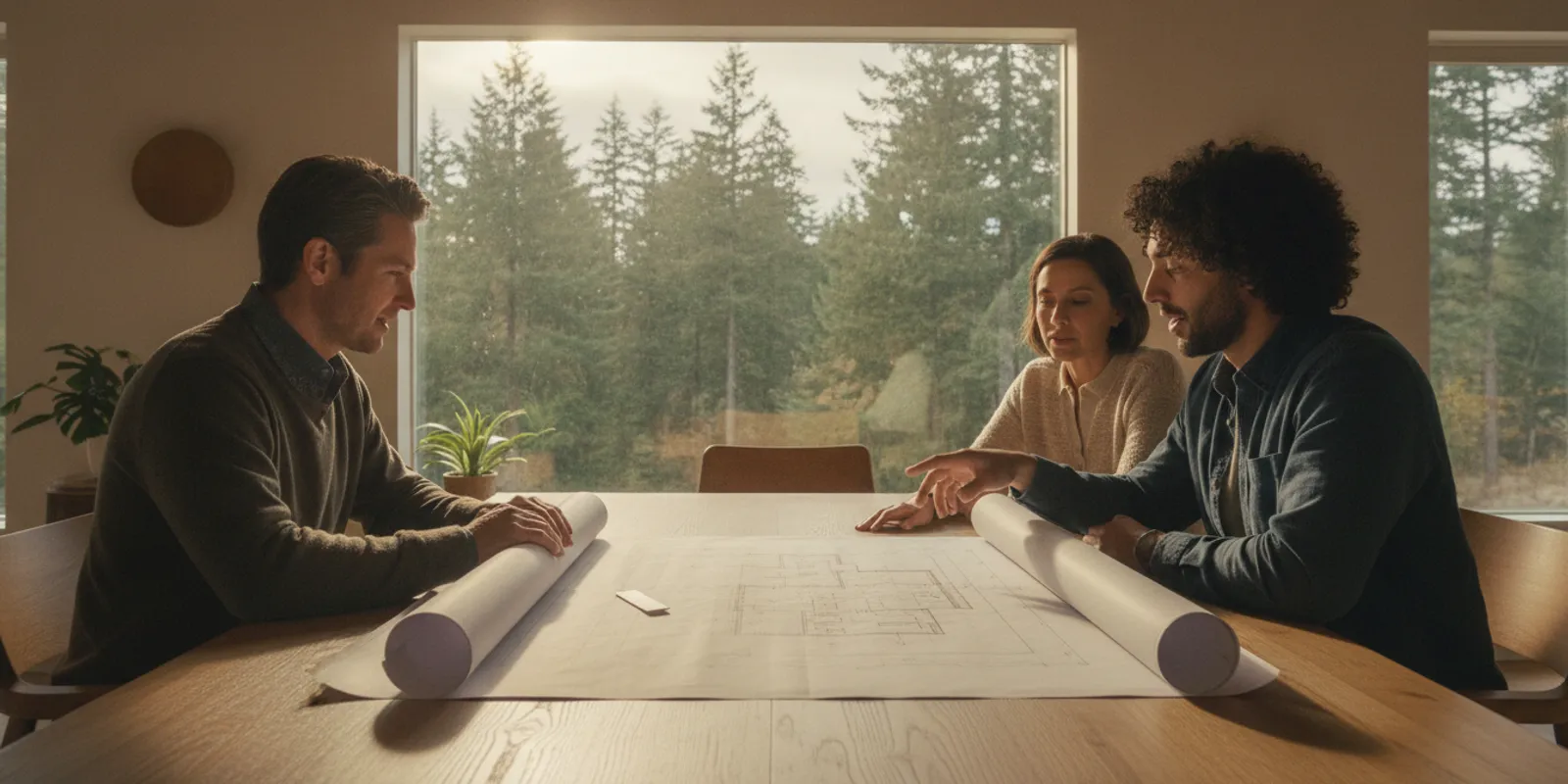
Choosing an adu builder sacramento homeowners can work with confidently starts with a clear project brief and a careful look at how each team handles design, approvals, pricing, and construction. Before comparing totals, make sure candidates understand the same goals and site conditions, and ask them to explain what remains uncertain. That makes it easier to judge both the proposal and the people who will guide the work.
How do you choose an ADU builder Sacramento homeowners can trust?
Start with the job the unit needs to do
Write down who the ADU is for and how it should function. A home for an older parent may need convenient access, privacy, and space for daily routines. A unit for adult children may need a layout that supports longer stays. A flexible guest space can prioritize storage and a simple connection to the yard. If you are considering a rental, think about independent access, durability, and separation from the main home. The intended use is a planning input, not a promise about occupancy or income.
Next, list the features that are essential, the ones that would be nice, and the choices you have not made. For example, a private entrance could be a must-have while laundry location remains open. Say whether a full kitchen, one or more bedrooms, accessible circulation, or a link to the existing house is important. This lets each builder discuss trade-offs against your real priorities instead of guessing what “complete ADU” means.
Ask for project examples that match the challenge
Ask candidates to describe projects similar in form or coordination needs: detached or attached units, work on an occupied property, a constrained construction route, or a project with substantial connections to existing systems. You are not looking for a claim that every lot is alike. You want a clear account of what the team assessed, what required specialist input, and how decisions were communicated.
Request references for comparable work and ask those homeowners how the builder handled questions, unexpected information, and choices that affected scope. If the builder shares photos or project examples, ask what the images do not show: what was included, which roles the builder owned, and what changed between the initial proposal and the finished work. A grounded answer is more useful than a broad statement about experience.
Look for a process you can understand
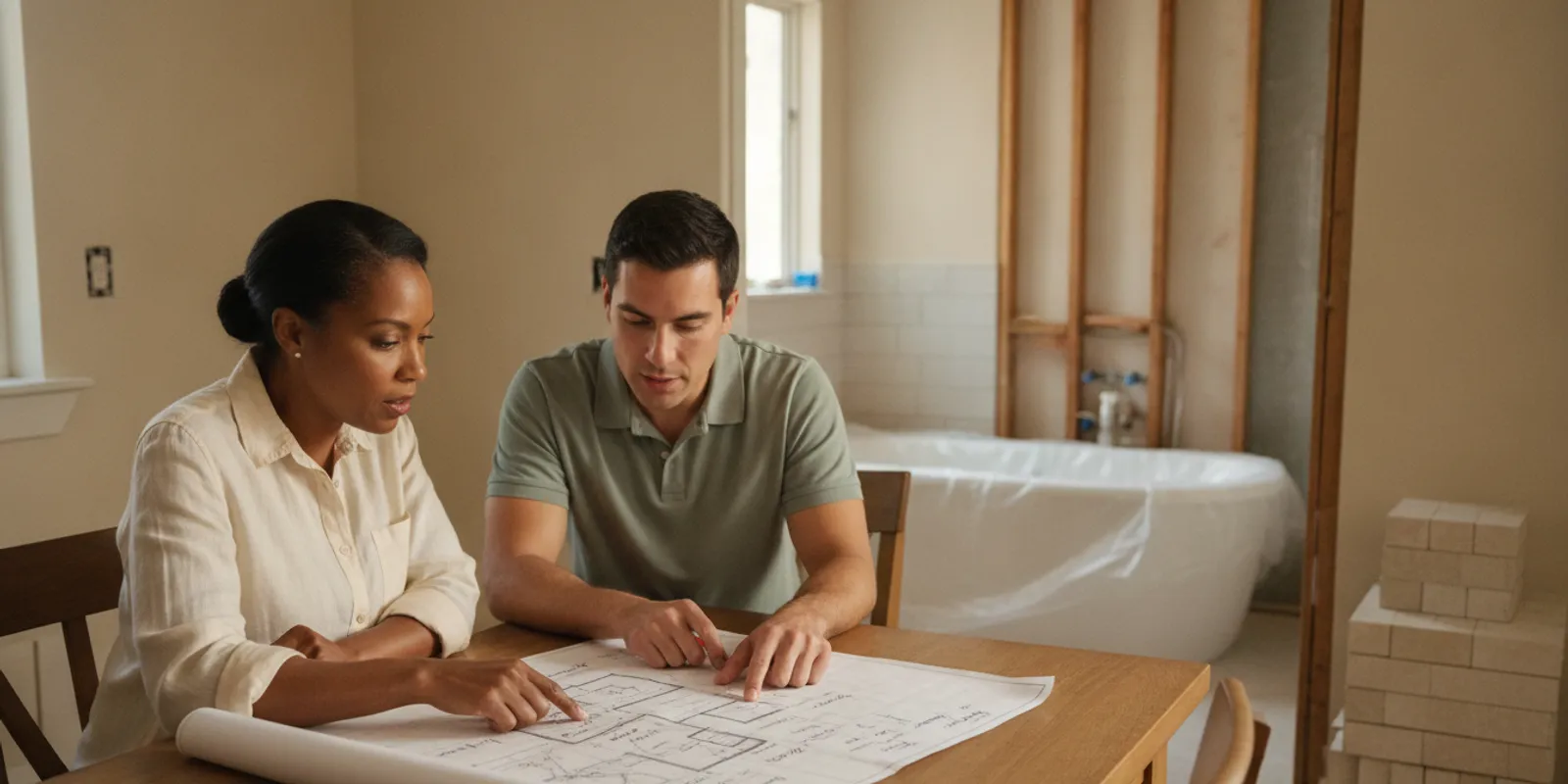
Find out who will be your main contact and who is responsible for the handoffs among design, technical consultants, approvals, and construction. Some teams coordinate several roles; others work alongside separate professionals. Either arrangement can be workable when responsibilities, fees, and communication are explicit. Realm Living explains its homeowner coordination approach in how the project process works; use that as one example of the kind of role clarity you should seek from any provider.
Notice whether the candidate listens before recommending a solution. A builder should be able to distinguish confirmed information from assumptions and explain what needs further investigation. If the first conversation jumps straight to a confident price without understanding the site or the intended use, ask what that number includes and what could change it.
What should you define before asking for an ADU proposal?
Give every candidate the same starting brief
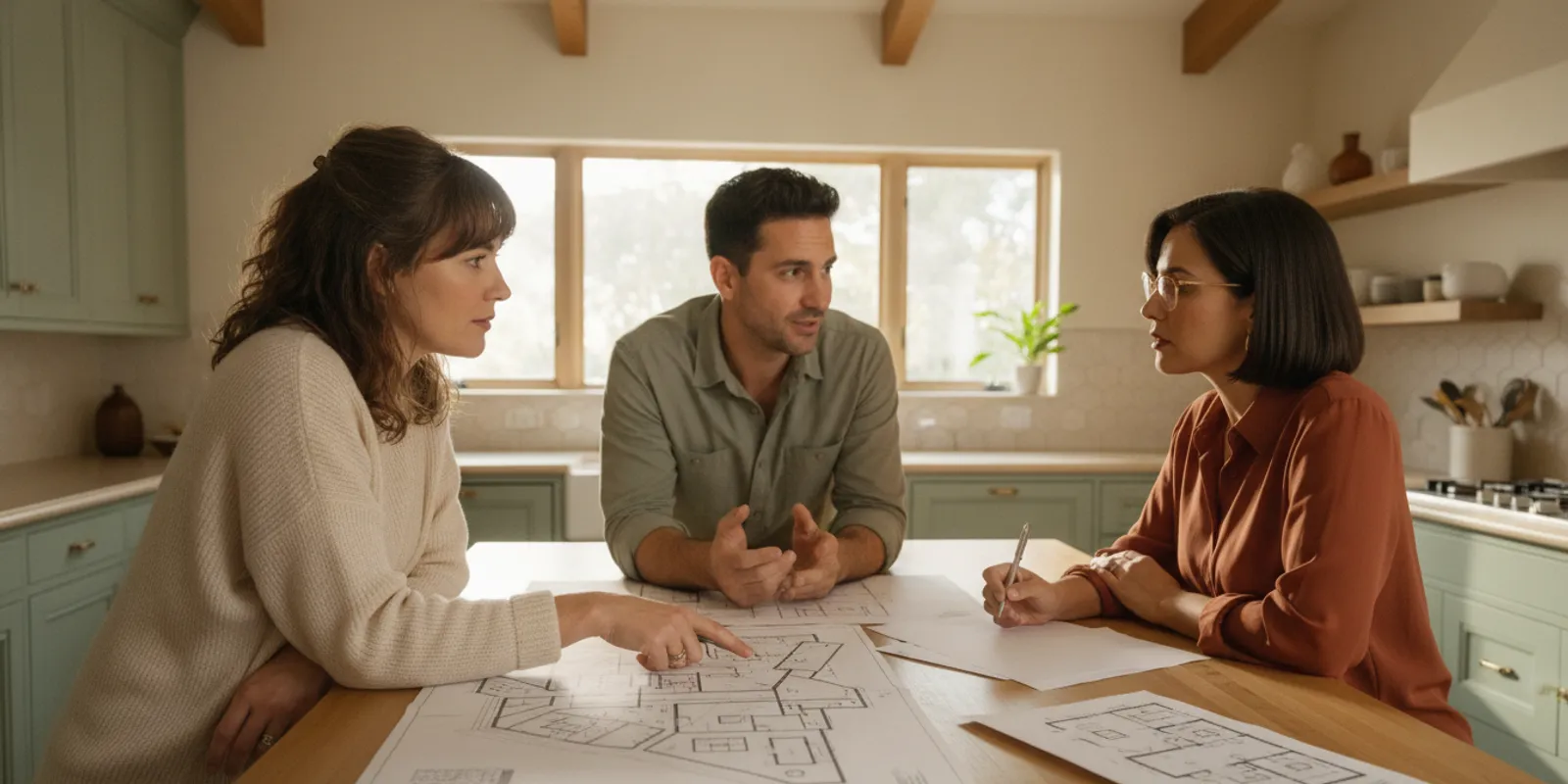
Prepare a short written brief so you can compare proposals on a consistent basis. Include the intended use, the people likely to use the unit, approximate room needs, desired relationship to the house and yard, preferred finish level, and any known access or utility constraints. Add the information you have about the property, such as existing plans or previous project documents. Mark what you do not know instead of filling in gaps with guesses.
Share the same version with each candidate. If one builder receives updated information, send it to the others too. Otherwise, different bids may represent different projects. You can keep this document simple: a page of priorities, a few current site photos, and a list of questions can be enough to start a useful conversation.
For example, suppose you want a one-bedroom unit for a family member and have not decided whether it will be attached or detached. Ask each builder to explain what information is needed to evaluate both directions, rather than requesting a firm comparison from incomplete assumptions. The next step may be a site review or design discussion, not a precise construction price.
Separate decisions from unresolved questions
Use three labels in your brief: decided, preferred, and open. “Decided” might include the intended use or a need for separate access. “Preferred” could describe a general finish level or a location in the yard. “Open” could include the final footprint or the route for utility connections. This small distinction prevents an early preference from being mistaken for a fixed specification.
Ask builders to list the assumptions behind their recommendations. Does the proposal assume a particular site access route? Is demolition included? What information is being used for utility work? Are design revisions, finish selections, or consultant services included? If a proposal depends on drawings that do not yet exist, ask what is provisional and when the estimate can be refined.
These details matter even when two candidates use similar language. One proposal might include coordination with design professionals but exclude their fees; another might include a defined planning phase but leave construction pricing for later. Until you understand the boundary, a larger or smaller total does not tell you which offer is more complete.
Walk the site and record what you see
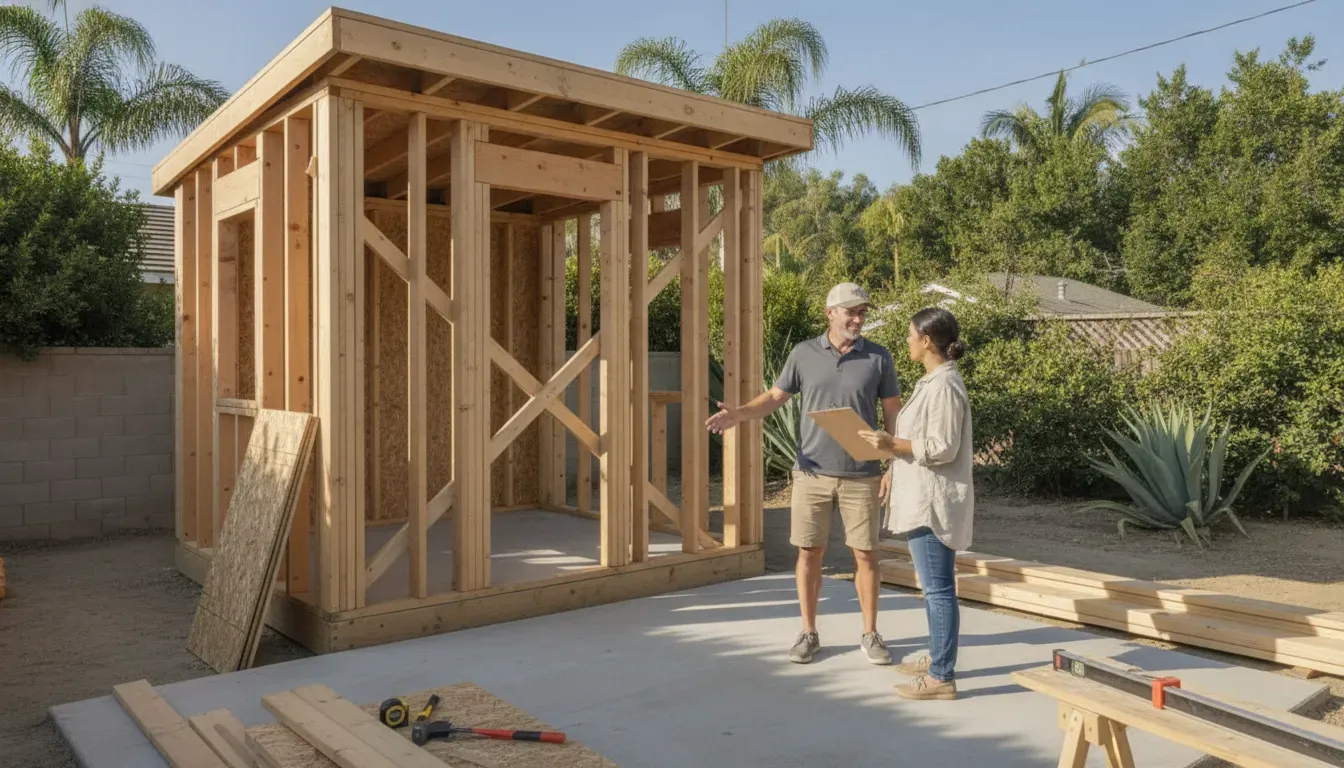
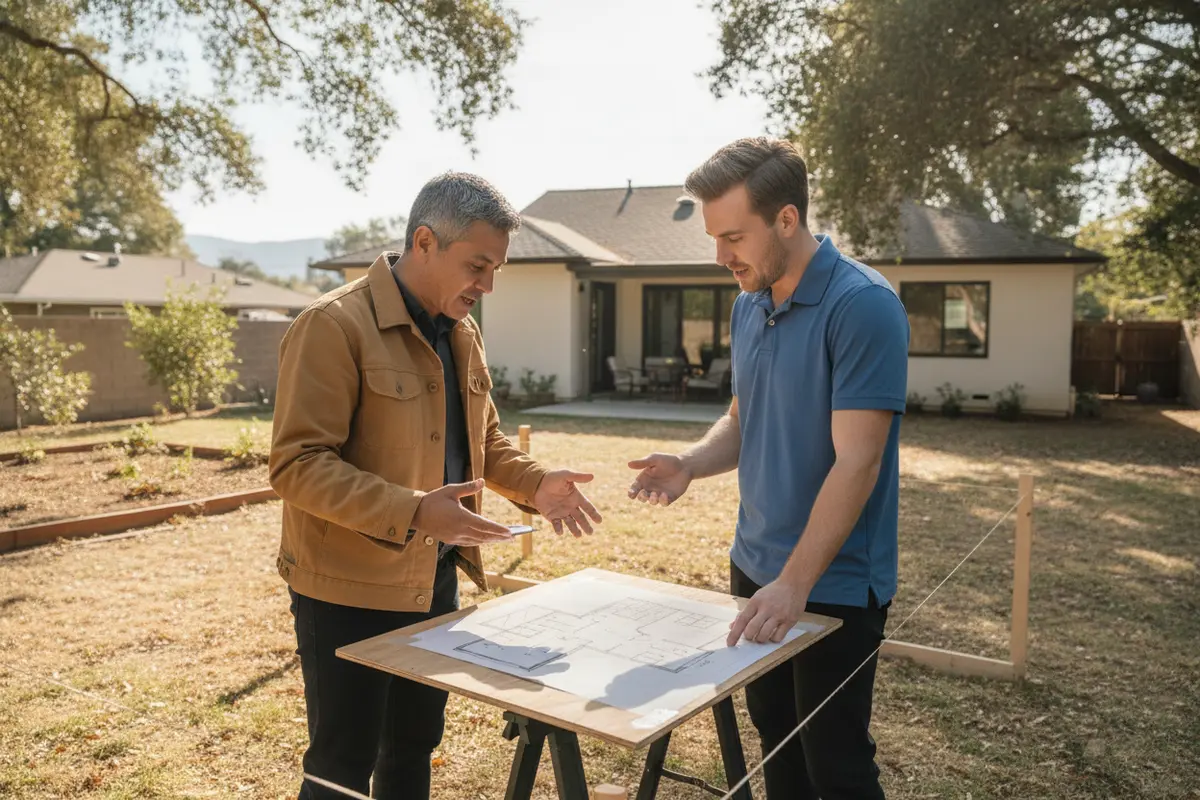
When practical, walk the property with the builder. Point out gates and narrow paths, slopes, trees, existing structures, utility equipment, drainage concerns you have noticed, and the route workers or materials might take. Take photos from more than one angle, including the possible building area and the path from the street. These observations do not replace measurements or professional investigations, but they can help surface questions early.
Ask the candidate what they can assess during an initial visit and what needs a specialist or additional information. A thoughtful answer may identify unknowns without claiming to resolve them on the spot. Ask how the team records those items and whether any preliminary estimate depends on a particular assumption. Keep a short visit note so you can compare what each candidate noticed.
How should design coordination and permitting fit into your choice?
Map the responsibilities before work begins
Ask who develops the design, who coordinates any needed technical professionals, who prepares and submits documents, and who responds when a reviewer requests changes. Then ask who keeps the approved plans aligned with the construction scope. The names of the roles may differ from one team to another; what matters is that each responsibility has an owner.
Ask how the homeowner participates. Which choices do you need to make, how will the team present options, and when do decisions need to be made? Find out how revisions are documented and whether design changes affect fees, the estimate, or the anticipated sequence. If a builder expects you to hire or manage separate professionals, ask which handoffs remain with you.
For a high-level overview of Realm Living’s homeowner support, see ADU planning and support options. A service description is not a substitute for a project-specific agreement, so confirm exactly what a candidate will do for your home.
Ask useful permitting questions without expecting guarantees
Do not treat a confident statement about approval or timing as a substitute for reviewing your parcel and project. Instead, ask which local review steps the team expects may apply, what information is needed before that can be assessed, who will track a submittal, and who will respond to comments. Ask whether the proposal covers permit preparation and coordination or only construction after approvals.
Keep Sacramento-specific questions attached to your address and proposed design. A local builder should be able to explain how they will confirm the current process with the responsible authority, but the city or other relevant agency—not a contractor’s informal estimate—determines applicable requirements. A useful conversation names the next verification step rather than treating all lots and plans as interchangeable.
For general California context, you can review Realm Living’s ADU zoning overview and California ADU planning guide. Those resources can help you prepare questions, but they do not establish what is permitted for your particular property. Confirm current requirements directly with the responsible public agencies.
Check contractor credentials through an official source
Ask for the business name and license information relevant to the proposed work, then verify the details independently before signing. The California Contractors State License Board provides official contractor information and verification resources at its CSLB website. Use the agency’s current tools to check the contractor and understand what the record says; do not rely only on a number printed in a proposal or a verbal assurance.
Also ask who will be named in the agreement, who supervises the work, and what insurance documentation the builder can provide. Confirm how you can review the documents and whether the business entity and the contracting party match. This is a practical due-diligence step, not a judgment about a candidate based on a single item.
Understand how changes and review comments are handled
Ask the builder to walk through a hypothetical change. If a reviewer asks for a revision, who explains the issue, who prepares the response, and how is any additional work priced? If you change a room layout after pricing, does the builder issue a written change proposal before proceeding? Ask how changes affect the sequence and who approves the revised scope.
Make sure the agreement sets out how requests are documented and authorized. Keep approved plans, proposal versions, change orders, and key decisions together. A written record helps both sides confirm what was agreed, especially when a conversation leads to a new drawing or revised selection.
How can you compare ADU builder bids fairly?
Line up scope before you compare totals
Use a side-by-side sheet and mark each item as included, excluded, allowance, or not yet determined. Do not treat an item as included merely because it seems essential to the finished unit. If a candidate has not priced a category, record that gap and ask what information would be needed to resolve it.
| Proposal area | Questions to ask each builder | What a clear answer tells you |
|---|---|---|
| Planning and design | Who prepares plans, coordinates consultants, and handles revisions? | Where design responsibility and fees begin and end. |
| Site preparation | What demolition, access work, clearing, or investigation is included? | Which existing conditions are assumed and which are unresolved. |
| Utilities and connections | Which connections and related work are included, excluded, or pending? | Whether the bids address comparable work and known unknowns. |
| Construction specification | What systems, fixtures, finishes, and selection allowances are listed? | Whether finish levels and allowances are comparable. |
| Approvals and closeout | Who coordinates review comments, inspections, and final documents? | Who owns tasks beyond physical construction. |
| Changes and schedule | How are change requests priced and schedule dependencies explained? | How decisions and adjustments will be managed in writing. |
Once the categories are aligned, list the biggest differences between proposals and ask each candidate to explain them. If one bid is lower, investigate the scope difference rather than assuming it represents better value. A missing design fee, unresolved utility connection, or undefined finish allowance can make two totals look comparable when they are not.
Read allowances, exclusions, and payment terms closely
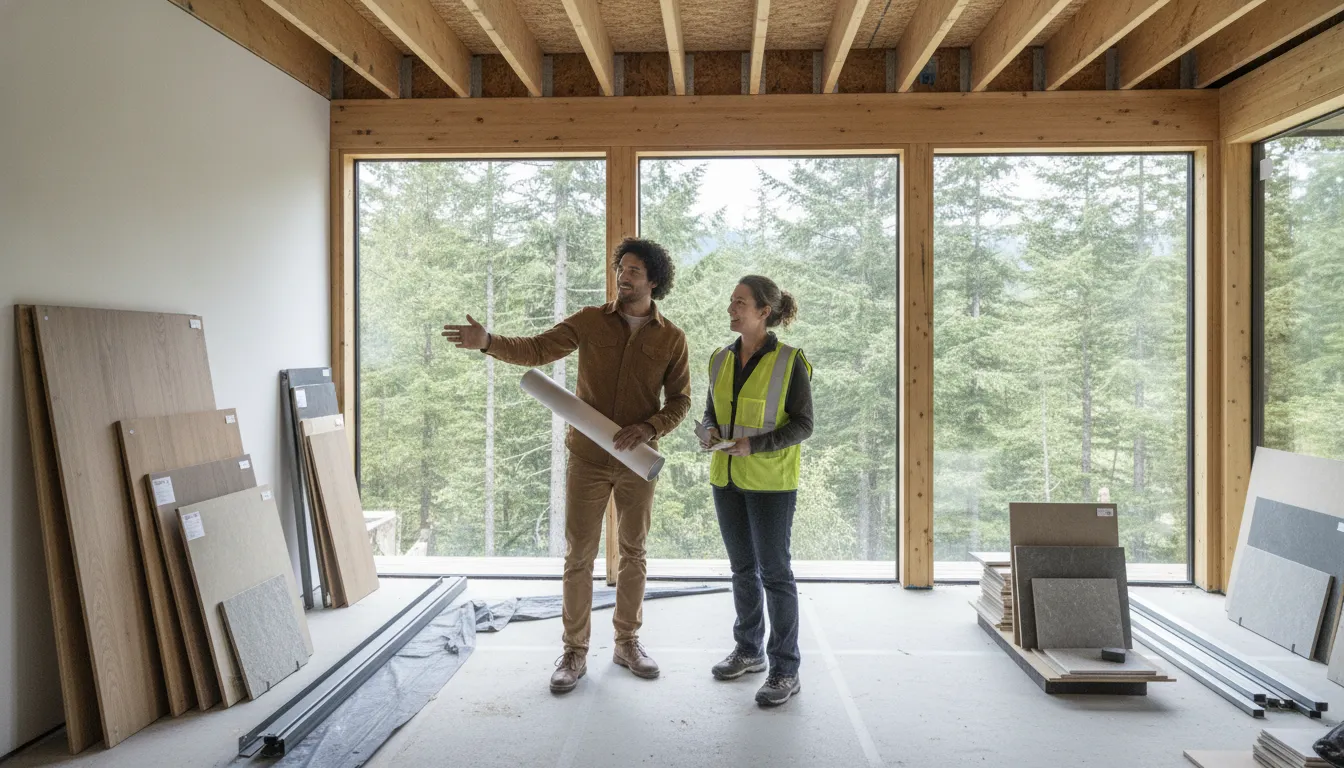
An allowance is an amount assigned to a choice or item that is not fully selected or defined. Ask what it covers, how the allowance was chosen, and how the final amount will be adjusted if your selection costs more or less. Check whether associated labor, delivery, installation, or taxes are included where applicable. The proposal should make the adjustment process understandable before you choose finishes.
Ask for exclusions in a separate list. Then sort them into three groups: items you can decide later, items that require more information, and items that must be resolved before you can compare the project. Common gaps can include design services, certain site work, utility-related work, owner-selected fixtures, or work that depends on the final approved plan. Treat examples as prompts, not assumptions about a specific bid.
Review the payment schedule alongside the scope. Ask what each payment corresponds to, how changes are approved, and which documents control if a proposal summary and detailed scope differ. If the estimate is preliminary, ask what milestone or information is expected to make it more complete and what might still change afterward.
Use a decision matrix, not a single score
Create a simple comparison sheet with a row for each priority—scope clarity, relevant project experience, coordination ownership, communication, references, and proposal completeness. For each builder, write evidence rather than just a number. For example: “named the person handling review comments” is more useful than a score of four out of five with no explanation.
Weight the criteria that matter most to your situation. A household with limited time to manage separate consultants may place more weight on coordination. A site with several unresolved conditions may put a premium on a builder who can explain how those questions will be investigated. The matrix should help you see trade-offs, not disguise a decision as math.
If you want more prompts for reading proposals, see Realm Living’s ADU bid review guide. Bring its questions to each candidate and ask for written clarifications where an answer affects scope or price.
What shows that a Sacramento ADU builder is a good fit?
Look for specific communication habits
Ask who will be your main contact during planning and construction, how often updates are expected, and how urgent issues are raised. Ask how decisions are recorded and where you can find the latest scope, schedule information, and approved changes. A reliable process does not require a particular app or meeting cadence; it requires an approach you understand and can follow.
Pay attention to how a candidate answers questions that do not have a simple answer. Do they explain what is known, what is uncertain, and how they would find out more? Do they follow up in writing when needed? A builder who makes uncertainty visible gives you a better basis for a decision than one who dismisses every concern without explaining why.
Ask references about the working relationship
When speaking with a reference, ask how the builder handled a change, an unanswered question, or a point of disagreement. Did the homeowner know whom to contact? Were decisions and costs documented? What did the homeowner wish they had clarified before signing? These questions invite useful detail without asking someone else to predict how your project will go.
Look at completed work where possible, but discuss the actual role the candidate played. Ask whether the project involved design coordination, construction only, or another arrangement. A visually similar unit does not necessarily mean the scope, site, or responsibilities were similar to yours.
Match the team's strengths to your project's open questions
Make a list of the three most important project risks or unknowns from your perspective. They might be how to fit the unit into the yard, how access will work during construction, or what information is needed to plan connections. Ask every candidate how they would investigate each item, what professional input might be needed, and when you would receive a clearer answer.
Then compare the answers. You are not expecting a builder to solve every technical issue during an introductory meeting. You are assessing whether they recognize the question, explain the next step, and avoid presenting an assumption as a settled fact. That approach is especially useful when the property has unusual constraints or the design is still evolving.
Realm Living’s ADU homeowner story offers one example of a family project journey to read alongside your own planning. Treat any story as an illustration rather than a guarantee that another project will follow the same path.
Notice pressure and gaps before committing
Pause if you are being urged to sign before you understand the scope, if answers change without an explanation, or if a proposal leaves major exclusions unclear. Ask for a revised document or a written response before deciding. A careful candidate should be willing to identify which questions remain open and what would be needed to answer them.
Finally, confirm practical fit. Does the communication style work for your household? Can you make the decisions the builder expects on the proposed timeline? Do you understand who manages each part of the work? Good fit means both the project requirements and the working relationship are clear enough for you to make an informed choice.
What should you prepare before selecting a builder?
Collect the information you already have
Gather existing site plans, surveys, prior permits, utility information, and records from earlier work if available. Do not postpone first conversations because a document is missing. Tell candidates what you have and ask which additional information would make their assessment more useful. Be clear that an old drawing or informal measurement may need confirmation.
Take current photos of the possible building area, access path, and nearby structures. Add a simple sketch showing the house, yard, and the places you are considering. Label it as a planning aid rather than a measured plan. Include a list of known questions—such as access limits or the location of visible equipment—so builders can respond to the same context.
Agree on how your household will make decisions
Before hiring, identify who needs to approve the layout, budget, and major finish choices. If household members disagree about a separate entrance, room count, or the relationship to the main home, discuss those priorities before they turn into design revisions. Decide how you will compare proposals and who will keep a record of follow-up answers.
Set a process for proposal review: read the scope, mark unclear items, send one consolidated question list, and compare the written answers. If a candidate updates a proposal, save the revised version and note what changed. This small discipline makes it easier to distinguish a genuine scope improvement from a change in assumptions.
Use a short, repeatable interview
For each builder, ask the same core questions: What information do you still need about the site? Which roles do you handle, and which are separate? How do you coordinate design and approvals? What is included in this proposal, and what is not? How are allowances, changes, and schedule dependencies recorded? Which comparable projects can you discuss, and may I contact a reference?
Then ask one project-specific follow-up based on what you learned during the site walk. A thoughtful response should connect your actual priorities to a process or next step. Keep notes on the answer, not just your overall impression. You can review Realm Living's Sacramento service information for local context and this ADU cost-and-value planning article for related questions to consider. Neither replaces a written proposal or property-specific review.
Get guidance on planning your ADU
Frequently Asked Questions
How do I compare ADU builders in Sacramento?
Give each builder the same project brief, then compare written scope, exclusions, assumptions, allowances, coordination responsibilities, and change procedures. Ask about relevant project examples and references, and note how clearly each candidate explains open questions. A lower total is not automatically the better choice if the proposals cover different work.
Should I choose a builder before the ADU design is finished?
It depends on the project and the team’s process. Some homeowners seek builder input while plans are developing; others invite bids when design information is further along. Ask what each candidate needs to provide useful input and how early involvement affects responsibilities, fees, and later pricing. Put the agreed roles in writing.
Can a builder guarantee Sacramento permit approval or timing?
Do not rely on a guarantee made before the project and current review requirements have been evaluated. Ask who will coordinate submittals and responses, what information is needed, and how revisions are handled. Confirm property-specific requirements and current process details with the responsible agency.
What should an ADU builder proposal include?
Look for a defined scope, design and coordination responsibilities, assumptions, exclusions, allowances, payment terms, change procedures, and an explanation of schedule dependencies. The proposal should identify unresolved conditions and state what information is needed to clarify them.
How can I tell if an ADU builder is a good fit?
Look for relevant experience, consistent written answers, clear ownership of tasks, useful references, and a communication approach that works for your household. A good candidate can discuss both the plan and its uncertainties without pressing you to commit before you understand the proposal.
Start your Sacramento ADU plan
Turn your priorities into a clear next step
Before choosing an ADU builder, write down the unit’s purpose, gather what you know about the site, and ask each candidate to explain how design, approvals, pricing, and construction fit together. When proposals describe the same project, the differences become easier to evaluate. Start a conversation about your ADU project with Realm Living, and use the discussion to clarify what support and next steps fit your plans.