Fire Restoration Cleaning Process: The 7 Key Steps
Get a clear, step-by-step overview of the fire restoration cleaning process so you know what to expect and how to protect your home after a fire.
|
January 14, 2026
In this article:
After a house fire, the most dangerous threats are often the ones you can’t see. While charred walls and burnt belongings are the obvious signs of damage, the real challenge lies in what’s left behind. Microscopic smoke particles can penetrate deep into your walls, ventilation systems, and furniture, while acidic soot residue can corrode surfaces and cause permanent staining. Add in the water used to extinguish the flames, and you have a recipe for mold and structural decay. A true recovery requires a specialized fire restoration cleaning process that addresses these hidden hazards. This article will break down the essential steps professionals take to eliminate these risks and ensure your home is truly safe for your family to return to.
Key Takeaways
- Look beyond the visible damage: The most challenging part of restoration often involves what you can't see. Professionals must address secondary damage from smoke, acidic soot, and water from firefighting efforts to prevent long-term issues like mold and structural weakness.
- Your safety is the first priority: Never enter your home until fire officials have given you the all-clear. A post-fire site has hidden dangers, including unstable structures, toxic air quality, and electrical hazards that require a professional assessment.
- Rely on a professional team: Certified experts have the specialized tools and safety training to manage the cleanup correctly. They are also essential partners for documenting damage and handling your insurance claim, which simplifies the entire recovery process.
What Does Fire Restoration Involve?
When you think of a house fire, you probably picture flames and charred walls. But the reality of the damage is much more complex. The restoration process isn't just about rebuilding what burned; it's about addressing the widespread impact of smoke, soot, and water to make your home safe and livable again. It’s a meticulous process that requires professional expertise to handle correctly.
Beyond the structural repairs, there's a significant emotional component to recovering from a fire. It’s a stressful and often traumatic event. Acknowledging both the physical and emotional challenges is the first step toward a successful recovery. Having a clear understanding of what the process entails can help you feel more in control during a difficult time.
Looking Beyond the Visible Damage
The damage from a fire extends far beyond what you can see. After the flames are out, the biggest threats are often invisible. Tiny smoke particles can penetrate everything from drywall and insulation to your furniture, clothing, and ventilation systems. Soot, the black, powdery residue left behind, is oily and acidic, meaning it can stain and corrode surfaces if not cleaned properly. These residues create persistent, unpleasant odors and can pose serious health risks. On top of that, the water used to extinguish the fire can cause its own set of problems, leading to rot, mold, and further structural issues. The longer these elements sit, the more damage they cause, which is why starting the restoration process quickly is so important.
Coping with the Emotional Toll of a House Fire
Recovering from a house fire is emotionally exhausting. Your home is your sanctuary, and seeing it damaged can be devastating. It’s completely normal to feel overwhelmed, and the last thing you should do is try to handle the cleanup yourself. It’s not only unsafe due to hidden structural dangers and health hazards, but it also adds an immense burden during an already stressful time. Hiring a professional team allows you to focus on your family’s well-being. A dedicated advisor can manage the logistics, from assessing the damage to coordinating with contractors and your insurance company. This support system lets you step back from the chaos and begin the emotional healing process while experts work to bring your home back to life.
The Fire Restoration Process: A Step-by-Step Look
Recovering from a house fire is a marathon, not a sprint. The restoration process is methodical and follows a clear sequence to ensure your home is safely and thoroughly brought back to life. While every situation is unique, professional restoration teams follow a proven framework to handle everything from the initial emergency call to the final coat of paint. Understanding these steps can help you feel more in control during a chaotic time and know what to expect as your home is being repaired. Let’s walk through the seven key stages of fire restoration.
Step 1: Make the Emergency Call
The moment a fire is out, your first priority is safety. Once the fire department has cleared the scene, your next call should be to a professional fire restoration company. Acting quickly is critical, as the damage from smoke and soot worsens over time. These specialists are available 24/7 because they understand the urgency. They can get to your home right away to begin the assessment and start mitigating further damage. This immediate response helps prevent lingering smoke odors from setting in and stops corrosive soot from etching your belongings, which can make the cleanup process much more effective.
Step 2: Assess the Damage and Form a Plan
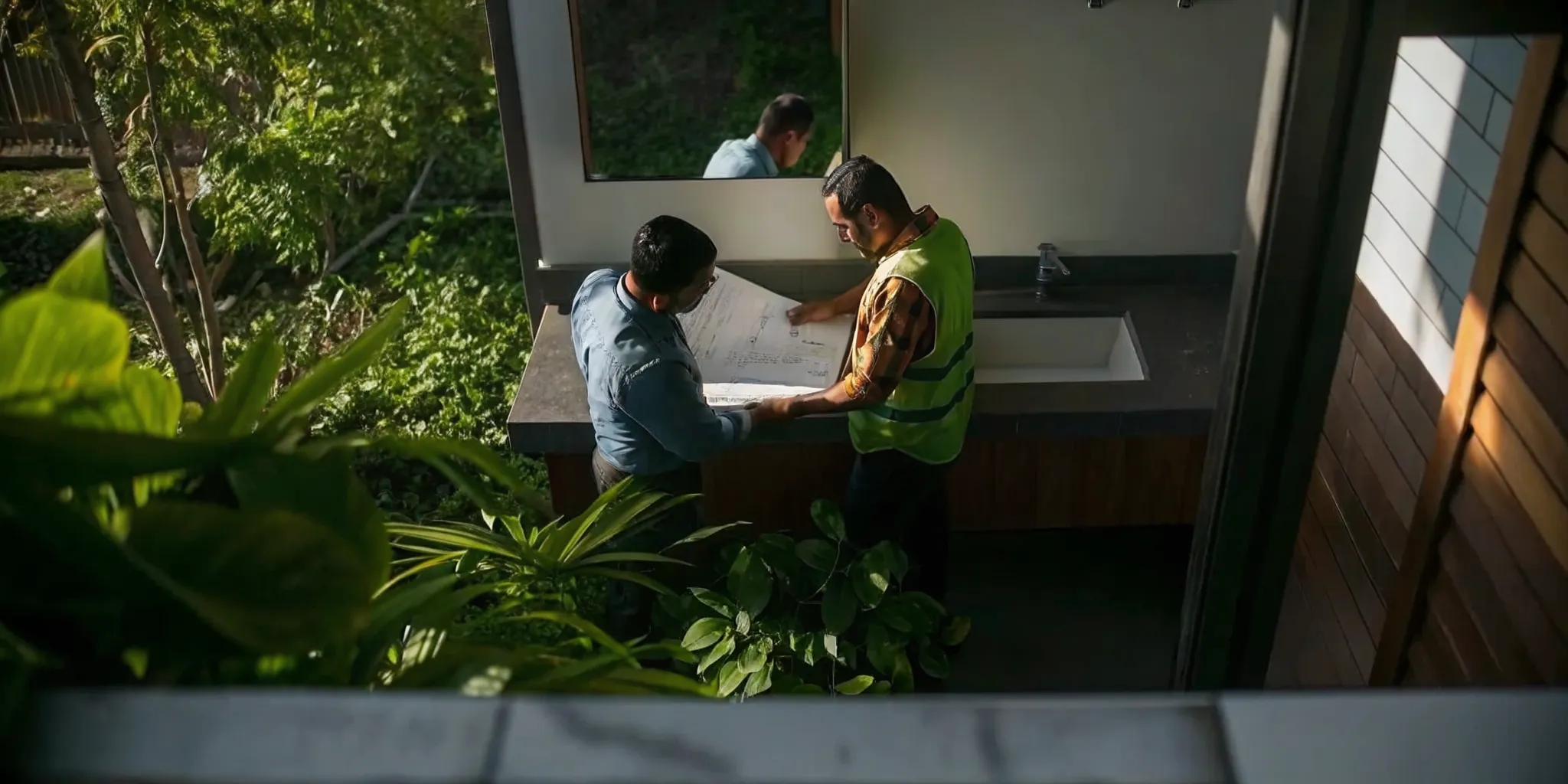
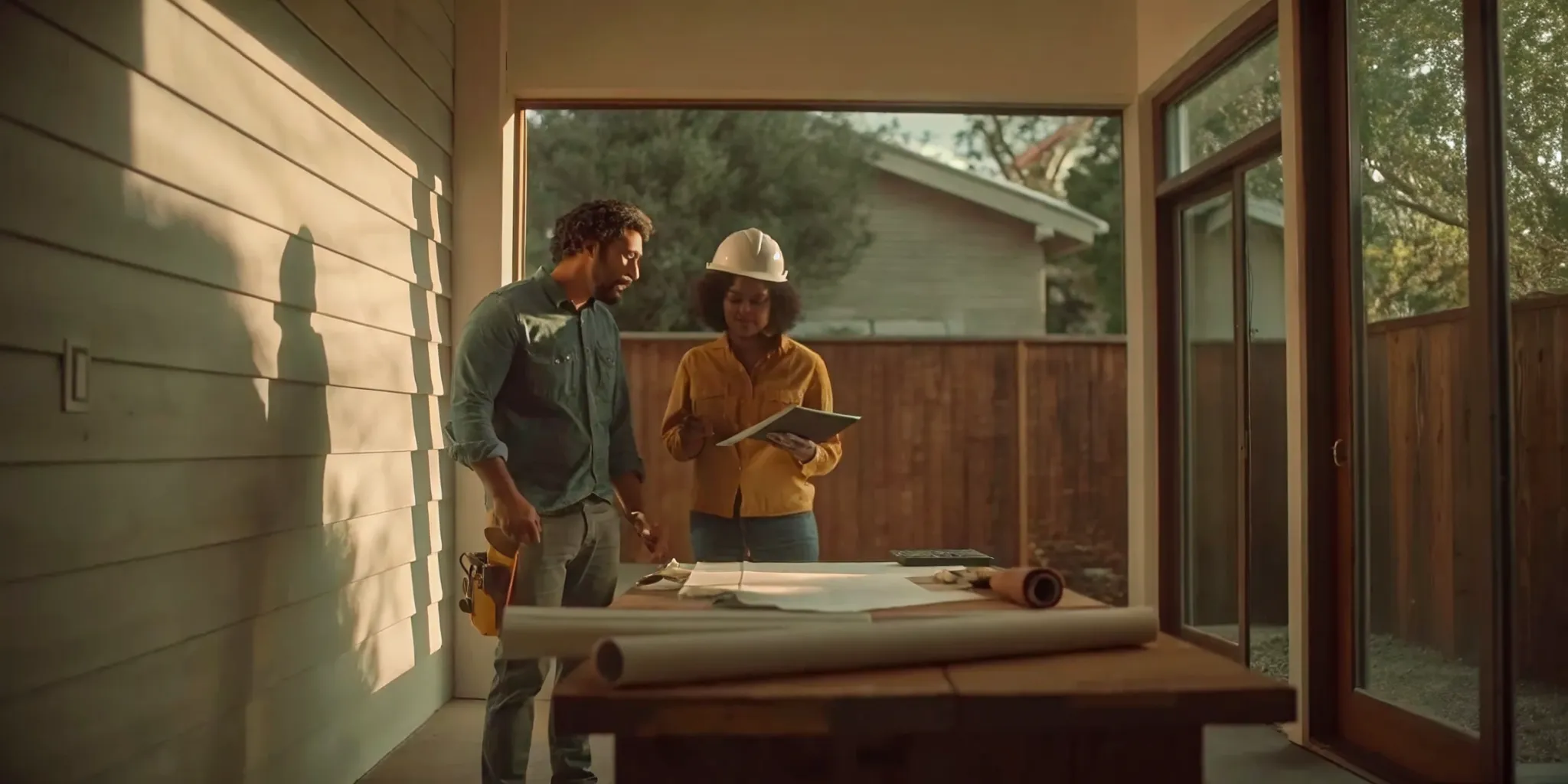
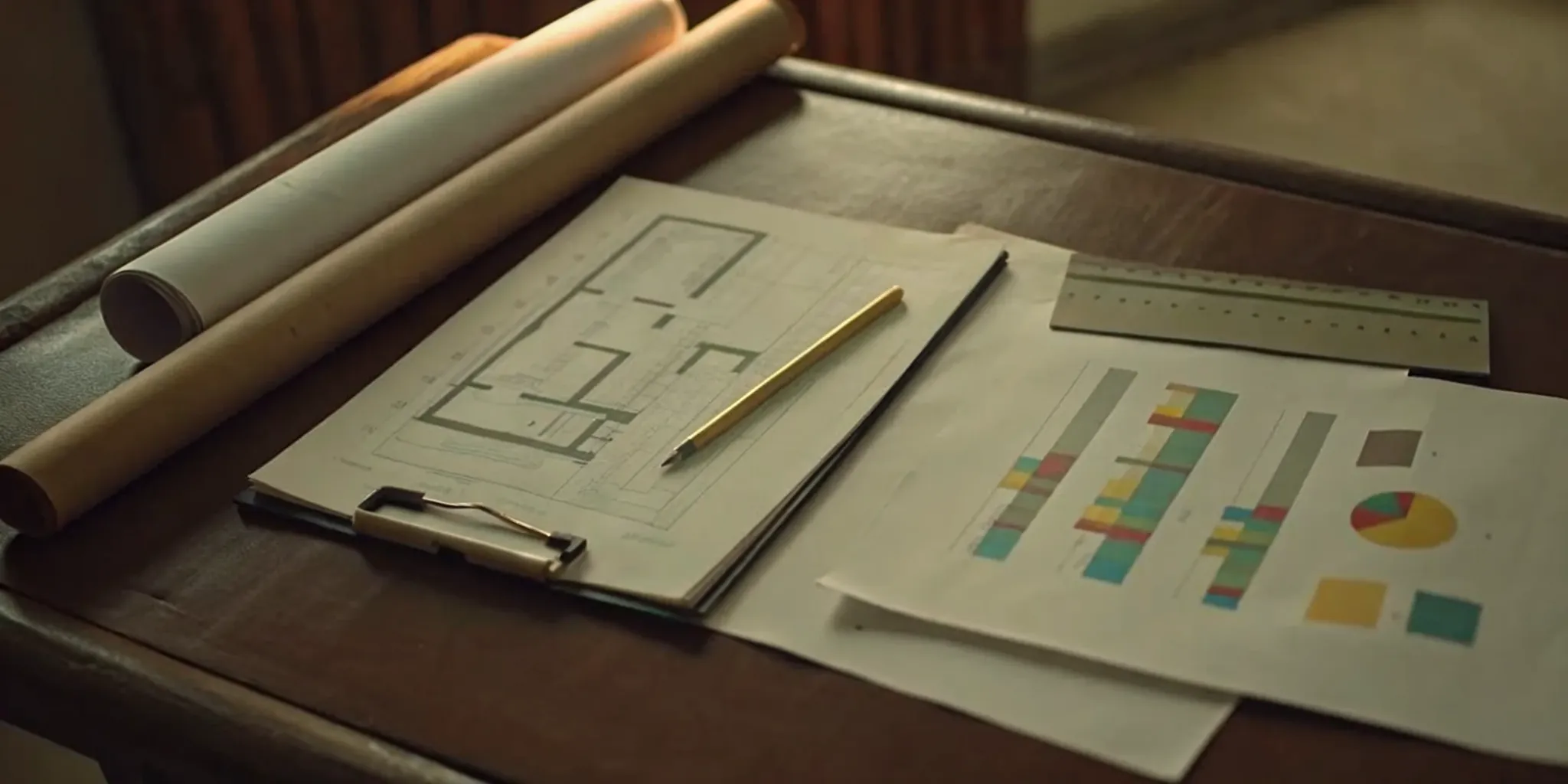
Once the restoration team arrives, their first job is to figure out the extent of the damage. This isn't just about what burned; they will inspect every room to see how far fire, smoke, and soot have traveled. Even areas that seem untouched can have hidden smoke damage or structural issues. Based on this thorough inspection, they will create a detailed plan of action. This plan outlines the scope of work, the expected timeline, and the specific techniques needed to restore your home. This step is crucial for setting clear expectations and providing your insurance company with the necessary documentation.
Step 3: Secure Your Home from Further Damage
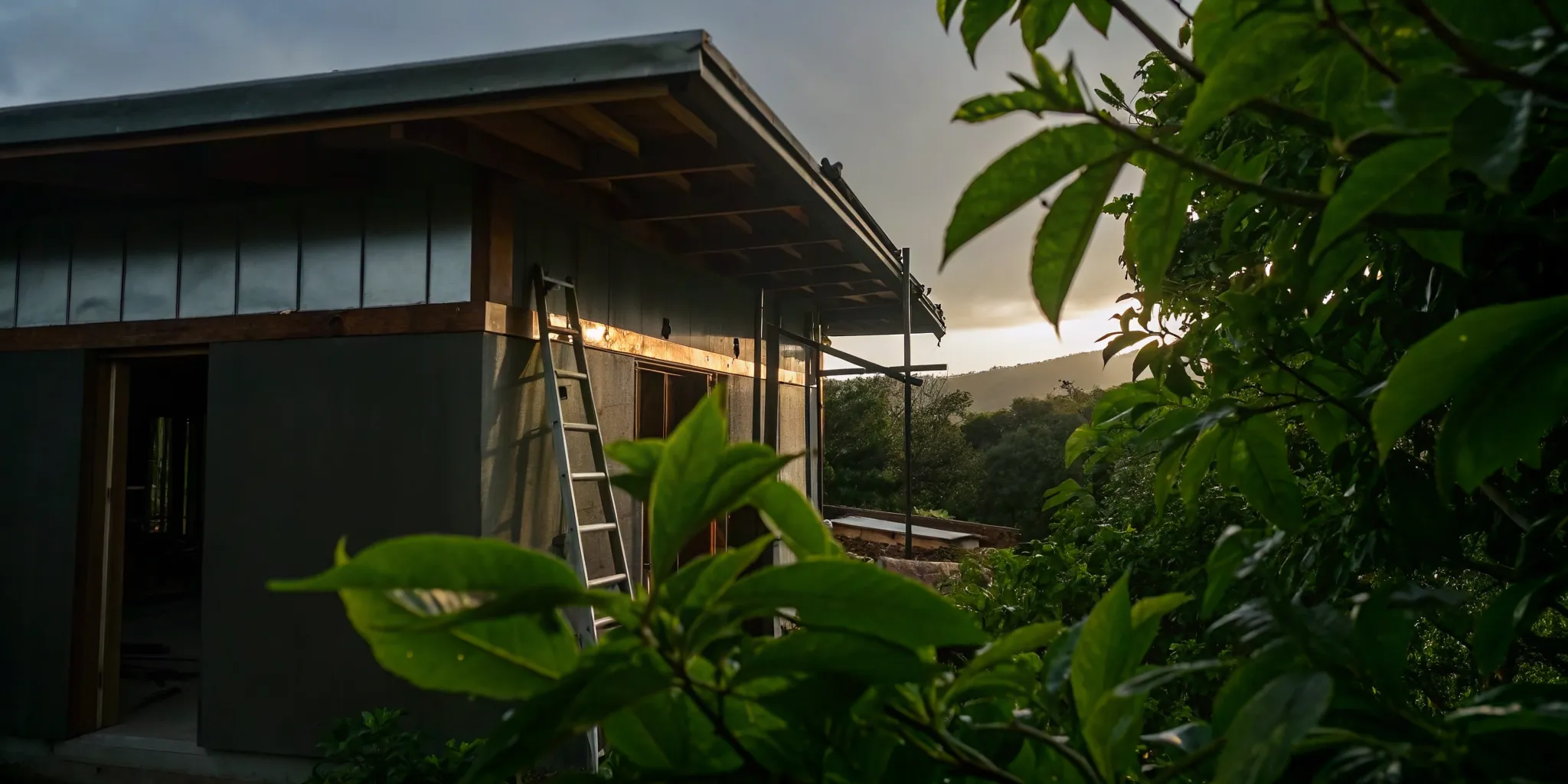
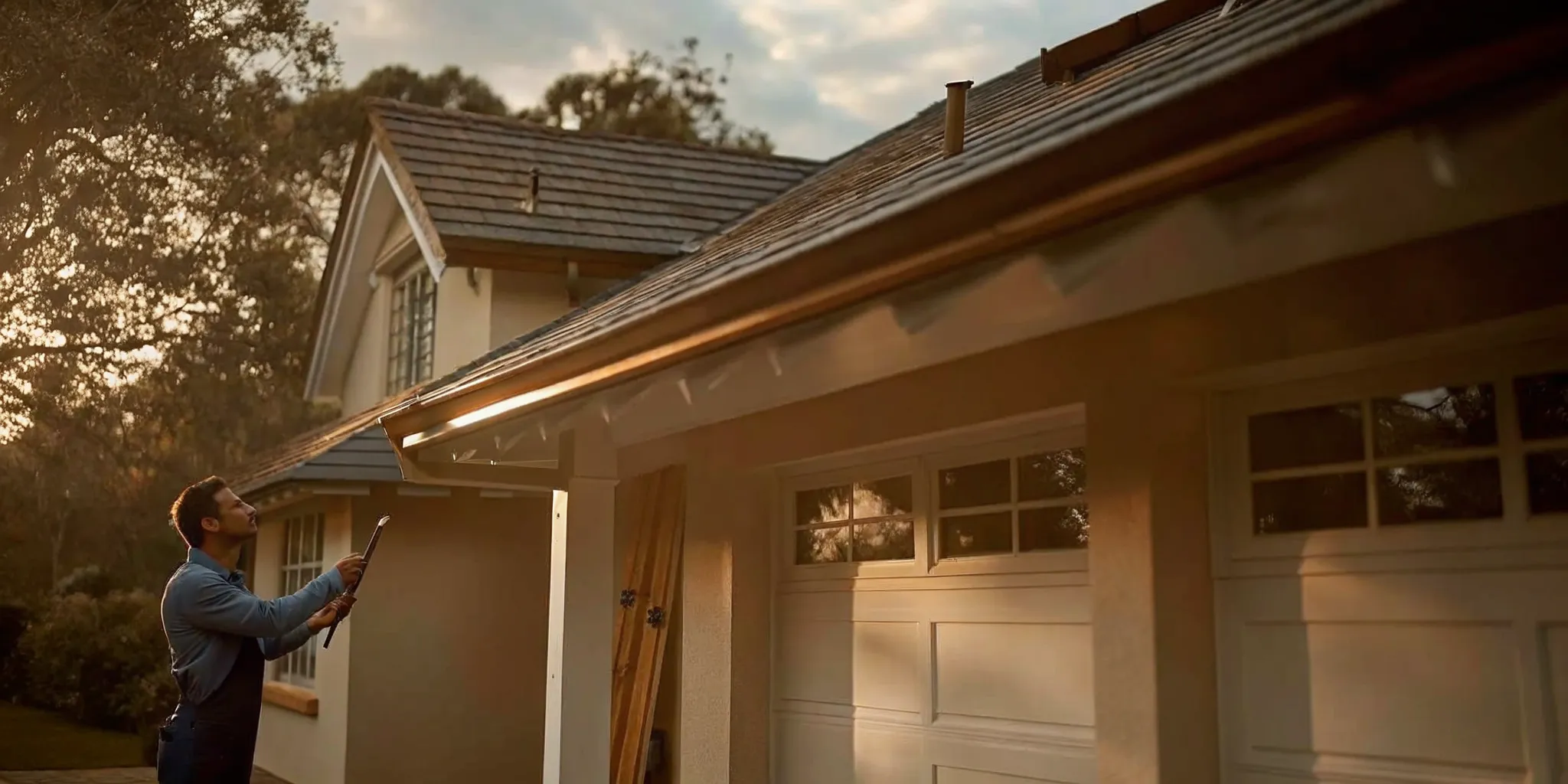
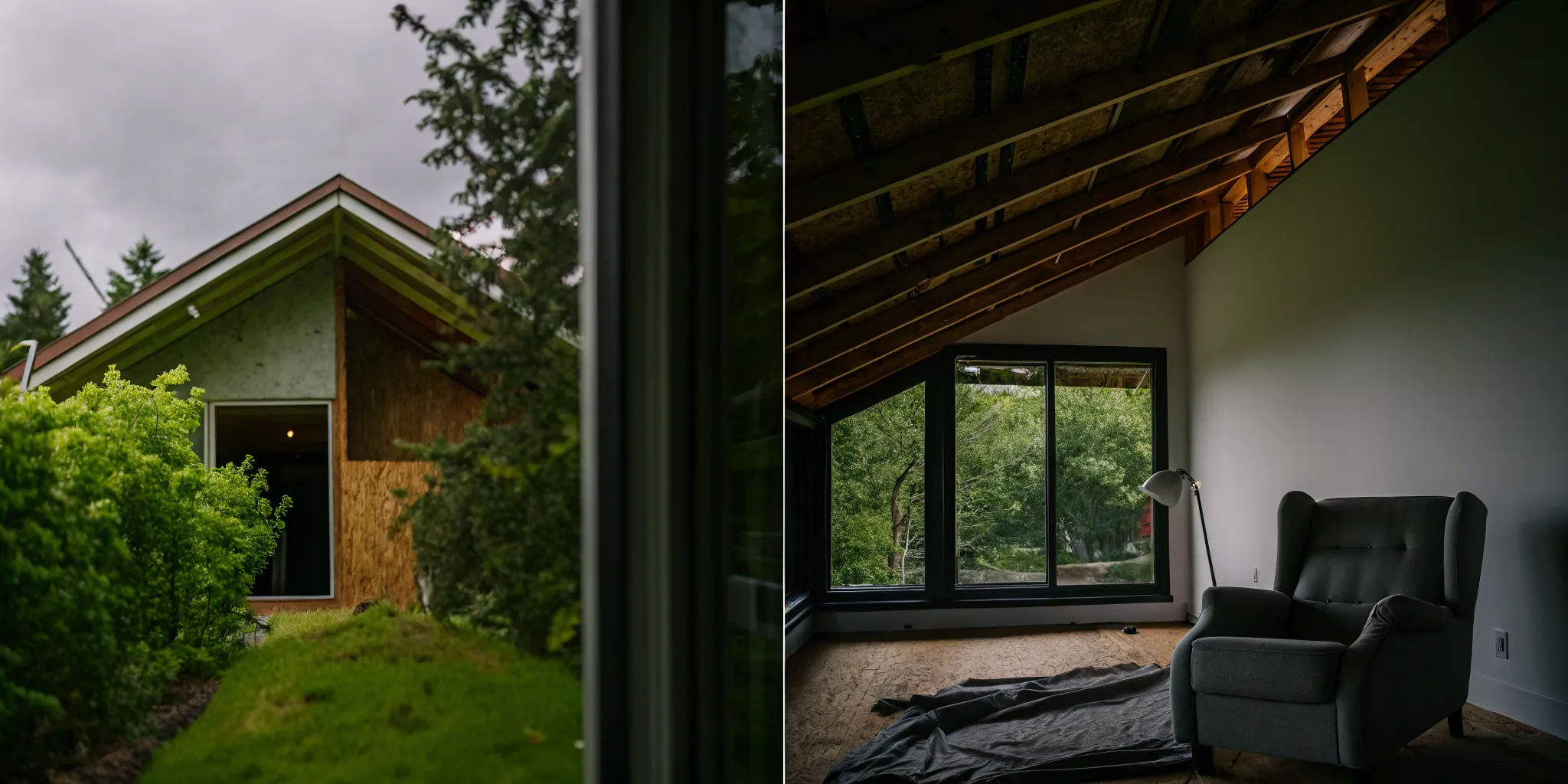
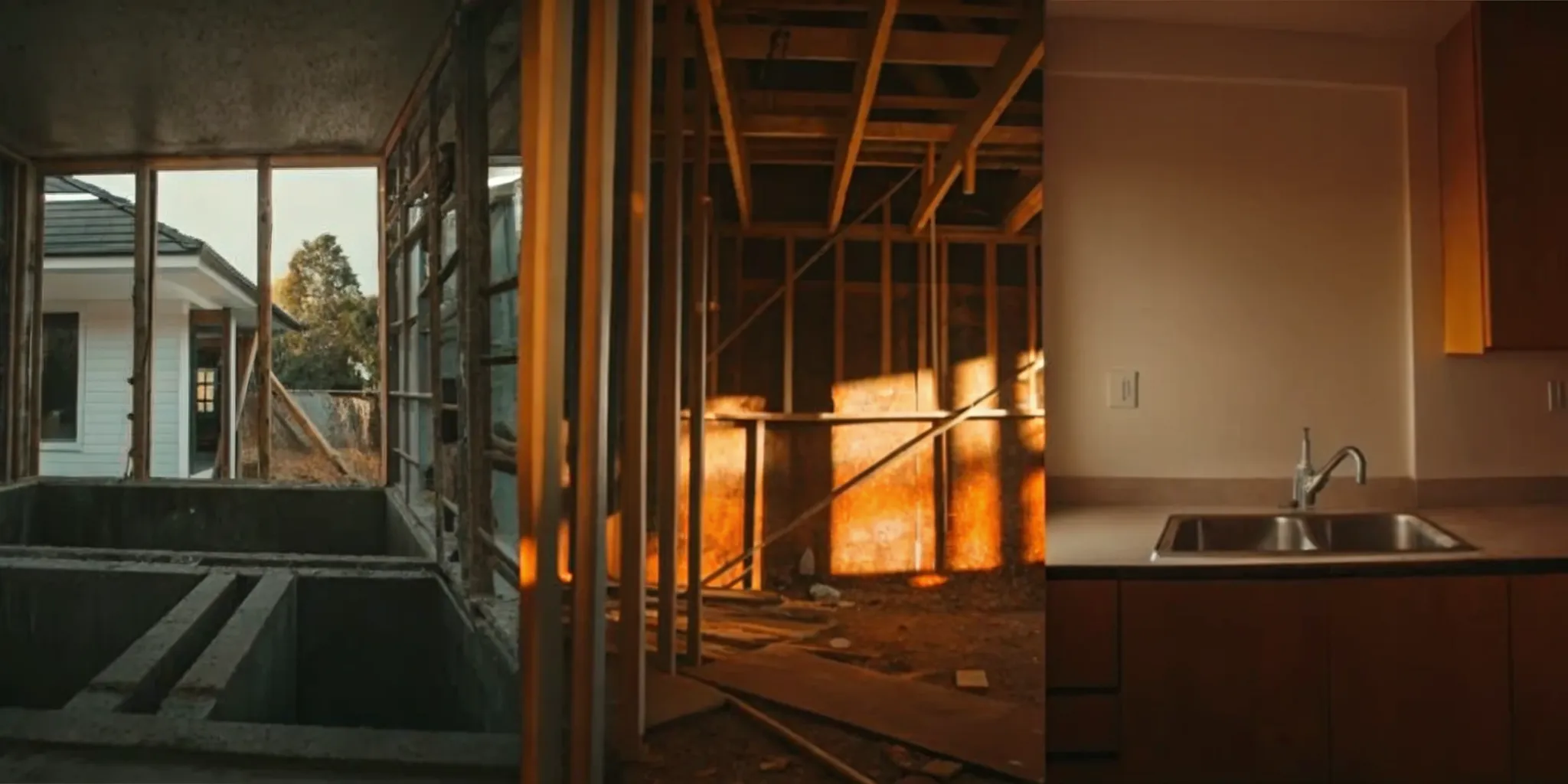
A fire can leave your home vulnerable to the elements and security risks. If the fire has damaged the roof, walls, or windows, the restoration crew will immediately secure these openings. This typically involves boarding up broken windows and placing heavy-duty tarps over the roof to protect your property from rain, wind, or pests. This board-up and tarping service is a critical first step in the physical restoration process. It not only safeguards your home and belongings from further harm but also helps prevent potential liability issues that could arise from an unsecured property.
Step 4: Remove Water and Dry the Structure
It might seem strange to deal with water after a fire, but the water used to extinguish the flames can cause significant secondary damage. The restoration team’s next priority is to remove all standing water using powerful pumps and vacuums. After the bulk of the water is gone, they will bring in industrial-grade dehumidifiers and high-velocity air movers. These machines work to dry out everything completely, from carpets and drywall to the underlying wood structure. Getting your home dry as quickly as possible is essential for preventing mold growth, which can start to form in as little as 24 to 48 hours.
Step 5: Clean Away Smoke and Soot
With the water gone, the team can focus on cleaning up the smoke and soot residue. This is a highly specialized task that requires specific cleaning agents and techniques. Soot is oily and can easily smear, causing more damage if not handled correctly. Professionals use special equipment, like dry-ice blasters and thermal foggers, to remove soot from ceilings, walls, floors, and personal belongings. They also focus on removing the pervasive smoke odor, which can get trapped in porous materials throughout your home. This deep cleaning is vital for improving air quality and making your home healthy to live in again.
Step 6: Restore Your Personal Belongings
Seeing your personal items damaged can be one of the most difficult parts of a house fire. The good news is that many things can often be saved. Restoration professionals are skilled at cleaning and restoring a wide range of items, including furniture, clothing, documents, and electronics. They will carefully sort through your belongings to determine what is salvageable and what is not. Items that can be restored are taken to a special facility for cleaning using advanced techniques like ultrasonic cleaning for delicate items or specialized laundering for textiles. This careful process helps you recover as many of your cherished possessions as possible.
Step 7: Complete Repairs and Rebuild
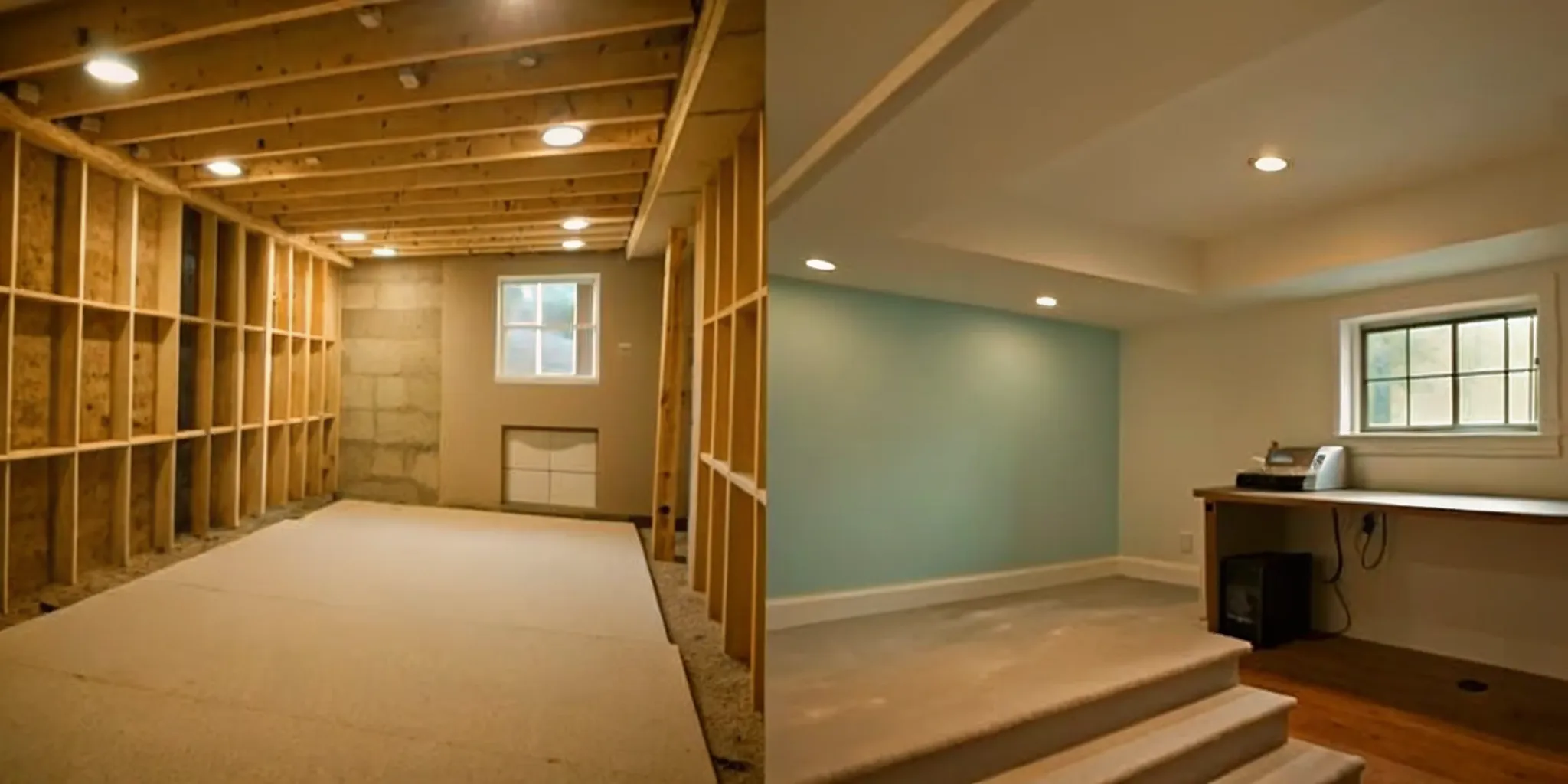
The final step is the reconstruction phase, where your house starts to feel like a home again. This stage can range from minor repairs to major rebuilding, depending on the severity of the fire. Common tasks include replacing drywall, laying new carpet, painting, and installing new fixtures. If the structural damage was extensive, this step could involve rebuilding entire sections of your home. This is where you’ll work with contractors to bring your vision for the restored space to life. Finding the right professionals ensures the work is done to code and meets your standards, marking the final milestone in your recovery journey.
How to Stay Safe During Fire Restoration
The urge to rush back into your home after a fire is completely understandable. You want to see what’s left, find precious belongings, and start figuring out what comes next. But before you take a single step inside, you have to prioritize your safety. The aftermath of a fire presents a host of hidden dangers that aren’t always visible to the naked eye, from compromised air quality to unstable structures.
Navigating this phase requires patience and a healthy respect for the risks involved. Even after the flames are out, your home can be a hazardous environment. Soot and smoke residue can contain toxic chemicals, and the water used to extinguish the fire can create electrical hazards and weaken building materials. That’s why it’s so important to follow a strict safety protocol and lean on the expertise of professionals. They have the training and equipment to assess the situation correctly. Before you even think about recovery, you need to make sure the area is secure. This involves getting an official all-clear, wearing the right protective gear, checking for utility hazards, and keeping a sharp eye out for any signs of structural damage.
Wait for the Official "All-Clear" to Enter
This is the first and most important rule: Do not re-enter your property until the fire department officials have explicitly told you it is safe to do so. They are the experts in assessing immediate dangers like lingering hotspots, toxic gases, and the initial structural stability of the building. Entering too soon could expose you to carbon monoxide, soot-filled air that is dangerous to breathe, and other unseen hazards. It’s tempting to want to get in right away, but waiting for their professional assessment is a non-negotiable step to protect your health and well-being.
Use the Right Personal Protective Equipment (PPE)
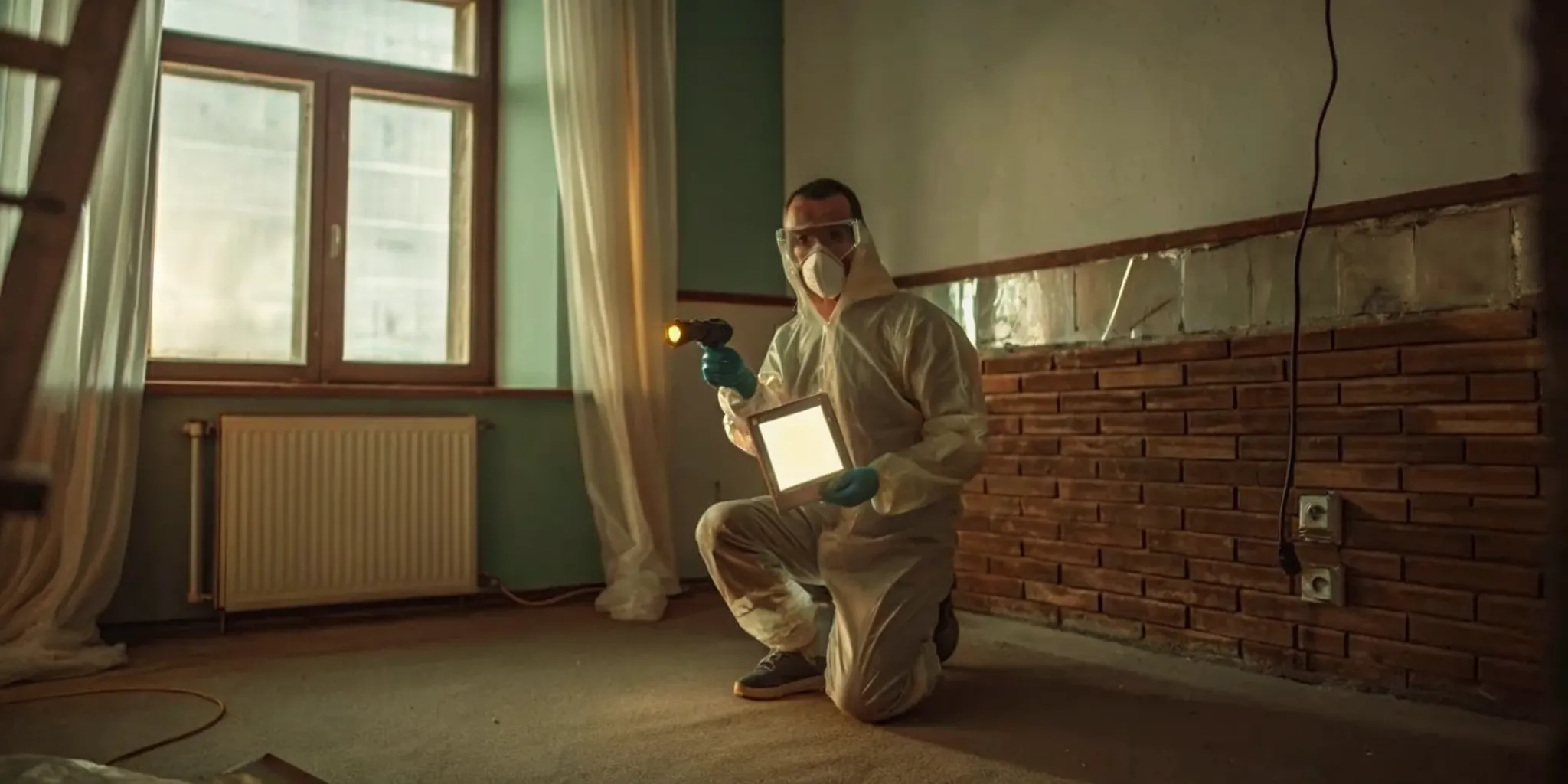
Once you have the green light from officials, you still need to protect yourself. A fire-damaged home is not a safe environment for a casual walkthrough. Soot, ash, and dust can contain harmful particles that are dangerous if inhaled or absorbed through your skin. This is why cleanup is a job for professionals who come equipped with specialized gear. If you must enter for a brief period, you should wear appropriate personal protective equipment (PPE), including an N-95 respirator mask, safety goggles, heavy-duty gloves, long sleeves and pants, and thick-soled, closed-toe shoes or boots.
Check for Electrical and Gas Hazards
Fire and water are a dangerous combination when it comes to your home’s utilities. The fire itself can melt wiring and damage gas lines, while the water used to extinguish it can create serious electrical risks. Never attempt to turn on your electricity, gas, or water until they have been thoroughly inspected by a qualified professional. Flipping a switch could lead to electrocution or spark another fire if there’s a gas leak. Your utility companies or a licensed electrician and plumber should be your first call to ensure these systems are safe before they are used again.
Spot Signs of Structural Instability
A fire can severely weaken your home’s foundation, walls, floors, and roof. Be extremely cautious and look for obvious signs of structural damage before you spend any time inside. Telltale signs include sagging ceilings or floors, warped or bulging walls, and visible cracks in the foundation or masonry. If you notice anything that looks unstable or makes you feel unsafe, stay out. It’s far better to wait for a professional assessment from a structural engineer or your restoration team. They can determine which areas are safe to enter and which need to be secured before any work can begin.
How Firefighting Efforts Complicate the Cleanup
It feels like a cruel twist of fate: the very water that saved your home from a fire is now causing a whole new set of problems. While you’re incredibly grateful for the firefighters’ work, the aftermath can be overwhelming. This secondary damage from water is a common and expected part of fire restoration, but it adds significant layers of complexity to the cleanup process.
The massive amounts of water used to extinguish flames can saturate everything from your drywall and insulation to your flooring and furniture. This isn’t just a simple spill; it’s a deluge that creates an urgent need for water removal and drying. If left unaddressed, this moisture quickly leads to mold growth, which can compromise your home’s structural integrity and your family’s health. Understanding how these issues are connected is the first step in creating an effective restoration plan. A professional team knows how to tackle fire, smoke, and water damage simultaneously, ensuring no part of the process is overlooked.
Understanding Secondary Water Damage
When restoration experts talk about "secondary damage," they’re referring to the problems caused by the firefighting efforts rather than the fire itself. After a fire, it’s common to find your home soaked from fire hoses or burst pipes. This water seeps into porous materials like wood, drywall, and insulation, causing them to swell, warp, and weaken. It can ruin carpets, furniture, and personal belongings that the fire never even touched.
What makes this situation even more challenging is that the water isn't clean. It’s often a toxic mix of soot, ash, and chemicals from burnt materials. That’s why the first critical step in any fire restoration project is to remove the water and thoroughly dry the structure.
Preventing Mold Growth After a Fire
Where there’s water damage, there’s a serious risk of mold. All mold needs to thrive is moisture, a food source (like drywall or wood), and a little time. A waterlogged home after a fire provides the perfect breeding ground, and mold can begin to grow in as little as 24 to 48 hours. This is why it’s so important to deal with water damage quickly to stop mold in its tracks.
Ignoring potential mold isn’t an option. Beyond the musty smell and unsightly patches, mold can cause further damage to your home’s structure and pose significant health risks to your family, especially for those with allergies or asthma. Professional restoration teams use industrial-grade dehumidifiers and air movers to dry the area completely and apply antimicrobial treatments to prevent future growth.
How Water Affects Your Restoration Timeline
The presence of water significantly impacts the restoration timeline because it adds several crucial steps to the process. Before your team can even begin cleaning soot or making repairs, they must first focus on water extraction and drying. This involves pumping out standing water, removing soaked materials that can’t be saved, and setting up powerful drying equipment. This phase alone can take several days.
The longer smoke, soot, and water are left to sit, the more damage they cause. Delaying the process allows moisture to penetrate deeper into your home’s structure, increasing the chances of permanent damage and mold growth. Acting fast is key to minimizing costs and getting you back into your home sooner. A dedicated project advisor can help you coordinate with a rapid-response team to get the process started immediately.
Why You Should Hire a Professional Restoration Team
After a fire, your first instinct might be to roll up your sleeves and start cleaning. It’s a completely understandable urge to want to reclaim your space and create order out of chaos. However, tackling fire restoration on your own can be ineffective and even dangerous. The damage left behind is often far more complex than it appears, involving hidden structural issues, toxic residues, and secondary water damage that require a professional touch.
Hiring a certified restoration team isn't just about convenience; it's about ensuring the job is done safely, thoroughly, and correctly the first time. These experts are trained to see what you can’t, from moisture trapped in wall cavities to the corrosive effects of soot on your home’s wiring. They bring a systematic approach that not only cleans up the mess but also protects your family’s health and preserves the value of your property. By entrusting the cleanup to professionals, you can focus on what truly matters: taking care of yourself and your family. They handle the overwhelming logistics, from coordinating with your insurance company to managing specialized cleaning crews, so you don't have to. This comprehensive support is critical when you're already dealing with the emotional and financial strain of a house fire.
They Have Specialized Tools and Expertise
Fire restoration is much more than a deep clean. Professionals come equipped with specialized tools designed to handle the unique challenges of fire and smoke damage. This includes industrial-grade air scrubbers to purify the air of harmful particles, powerful dehumidifiers to combat water damage from firefighting efforts, and thermal foggers to neutralize pervasive smoke odors. Their expertise allows them to accurately assess the full extent of the damage and create a targeted plan. They know how to handle hazardous materials and understand the complex chemistry needed to remove different types of soot without causing further harm to your belongings.
They Follow Critical Health and Safety Rules
A post-fire environment is filled with hidden dangers. Soot and smoke residue can contain toxic chemicals that are harmful to breathe, and structural elements may be weakened and unstable. It's simply not safe to handle this kind of cleanup without proper training and gear. Professional restoration teams follow strict safety protocols and use personal protective equipment (PPE) to protect everyone involved. They are trained to identify and manage risks like electrical hazards from water-damaged wiring and the potential for mold growth. Bringing in a team of vetted professionals ensures your home is made safe for your family to return to.
They Can Help You with Your Insurance Claim
Dealing with an insurance claim is one of the most stressful parts of recovering from a house fire. A good restoration company is a huge asset in this process. They are experienced in documenting every detail of the damage with photos, detailed notes, and precise estimates that your insurance adjuster will need. Many companies will communicate directly with your insurance provider, helping to streamline the claims process and ensure all the necessary repairs are covered. This expert documentation can make a significant difference in getting your claim approved quickly and for the correct amount, taking a major burden off your shoulders.
They Act Fast to Prevent More Damage
When it comes to fire damage, time is of the essence. The longer soot, smoke, and water sit, the more damage they cause. Soot is acidic and can quickly cause permanent staining and etching on surfaces, while water from firefighting efforts can lead to devastating mold growth in as little as 24 to 48 hours. Professional restoration companies understand this urgency and typically offer 24/7 emergency services. Their ability to respond immediately, secure your property, and begin the mitigation process right away can save items that would otherwise be unsalvageable and prevent small problems from turning into major, costly repairs.
What Affects Your Restoration Cost and Timeline?
After a fire, two of the most pressing questions are "How much will this cost?" and "How long will it take?" The honest answer is: it depends. Every fire is unique, and so is every restoration project. The final cost and timeline are shaped by a few critical factors that determine the scope of the work ahead. Understanding these variables will help you set realistic expectations as you begin the recovery process.
The journey from initial damage assessment to moving back into a fully restored home isn't always a straight line. The price tag and schedule can be influenced by everything from the type of materials that burned to the amount of water used to extinguish the flames. For example, a fire that produced a lot of greasy, synthetic smoke will require a different, more intensive cleaning process than one involving natural materials like wood. Similarly, the time of year can affect drying times, and local contractor availability can impact how quickly repairs can begin. Getting a handle on these factors early on will not only demystify the process but also empower you to make informed decisions alongside your restoration team. Let's look at the main drivers behind your project's cost and timeline.
The Details of Your Insurance Coverage
Your homeowner's insurance is your financial first line of defense. Most standard policies cover accidental fire damage, but the specifics of your coverage will significantly impact your out-of-pocket costs. The first step is to call your insurance company as soon as it’s safe to do so. You’ll need to pay your deductible, but the policy should cover the rest of the restoration expenses up to your coverage limits. An advisor can help you understand the claims process and ensure all the necessary work is properly documented for your insurer, which is a core part of how Realm works to support homeowners.
The Scale of the Fire and Smoke Damage
The extent of the damage is the single biggest factor influencing your project's cost and duration. A small kitchen fire with minor smoke damage might only cost a few thousand dollars to repair. However, a major fire that compromises your home's structural integrity can easily run into the tens or even hundreds of thousands. The typical cost to fix fire damage falls between $3,107 and $51,243. A professional assessment is needed to determine the full scope, from surface-level soot cleaning to deep structural repairs, which will form the basis of your restoration plan.
The Need for an Immediate Response
When it comes to fire restoration, time is of the essence. The damage doesn't stop when the flames are out. Acidic soot and smoke residues can continue to corrode surfaces, and water from firefighting efforts can lead to mold and structural issues if left unaddressed. The longer these elements sit, the more extensive and expensive the damage becomes. Kicking off the restoration process immediately is crucial to prevent this secondary damage and minimize the overall impact on your home. A swift response from a professional team can save items that might otherwise be unsalvageable.
How to Choose the Right Fire Restoration Company
After a fire, the number of decisions you have to make can feel overwhelming. Choosing the right restoration company is one of the most important, and it’s a choice that will shape your entire recovery experience. This isn't just about hiring a cleaning crew; it's about finding a trusted partner to help you rebuild your home safely and efficiently. The right team will have the technical skills, the proper equipment, and the experience to handle everything from structural repairs to insurance claims. They act as your project manager, your advocate, and your expert resource all in one.
Finding this partner requires a bit of due diligence. You’ll want to look for a company that not only has a proven track record but also communicates clearly and treats your home with respect. This is the team you’ll be working with closely for weeks or even months, so trust and rapport are essential. Before you sign any contracts, take the time to ask pointed questions about their credentials, their availability, and their specific expertise in fire restoration. A professional and experienced company will welcome your questions and provide clear, confident answers. This initial vetting process is your best tool for ensuring a smooth and successful restoration.
Check for Proper Licenses and Certifications
Before you hire anyone, make sure they are licensed, bonded, and insured. This is the baseline for any legitimate contractor. A license proves they meet state and local standards for their work. Being bonded protects you financially if the company doesn't finish the job, while insurance covers any accidents that might happen on your property. Don't just take their word for it—ask for proof of their credentials. A professional company will be happy to provide this information. This is why Realm's process starts by connecting you only with pre-vetted, licensed professionals.
Ask About Their Availability and Response Time
When it comes to fire damage, time is critical. The longer smoke, soot, and water from firefighting efforts sit, the more damage they can cause. That's why you need a company that offers 24/7 emergency services and can guarantee a fast response. When you first call, ask them directly how quickly they can have a team at your home. A rapid response can be the difference between restoring an item and having to replace it entirely. It also helps prevent secondary issues like mold growth, which can complicate the steps for returning home and add to your costs.
Confirm Their Experience and Equipment
Fire restoration requires a specific skill set and highly specialized tools. Ask potential companies about their experience with projects similar to yours. A reputable team will be well-versed in handling not just fire damage, but also the water and smoke issues that come with it. They should have industrial-grade equipment like air scrubbers and dehumidifiers to properly clean the air and dry your home. It's also a huge plus if they have experience working with insurance companies. A team that can help you document the damage and manage your claim will make the entire process much smoother.
What to Expect as a Homeowner
Going through a house fire is overwhelming, and the restoration process that follows can feel just as daunting. Knowing what’s coming can help you feel more in control during a chaotic time. The journey is typically broken down into three main phases, from the initial damage assessment to the moment you can finally return to a safe, clean home. While every situation is unique, understanding this general timeline will help you set realistic expectations and work effectively with your restoration team.
The Initial Assessment and Planning Phase
Before anyone can start working, the property must be declared safe to enter by a licensed authority. Your safety is the absolute first priority. Once you get the all-clear, the restoration team will conduct a thorough inspection. They’ll go room by room to determine the full extent of the fire, smoke, and soot damage. This isn't just a quick look-around; it's a detailed assessment that forms the foundation for the entire restoration plan. This initial step is critical for creating an accurate scope of work, timeline, and budget for bringing your home back to life.
The Active Cleaning and Repair Phase
This is where the heavy lifting happens. The crew will start by removing any salvageable personal belongings for cleaning and restoration. Then, they’ll tear out materials that are too damaged to save, like drywall, flooring, and insulation. After the demolition, they use specialized equipment to dry out the structure completely, which is crucial for preventing mold. Next comes the meticulous process of cleaning smoke and soot from every surface, using special tools and techniques. This phase also involves deodorizing the space to eliminate lingering smoke smells and cleaning out your air ducts.
The Final Inspection and Moving Back In
The timeline for returning home depends entirely on the scale of the damage. If the fire was contained to a small area, you might be able to stay in an unaffected part of your house. However, if the damage is widespread, you’ll need to wait until the restoration is complete and the home is structurally sound and safe. The sooner the restoration process begins, the better the outcome, as smoke and soot can cause more damage over time. Once all repairs and cleaning are finished, there will be a final inspection to ensure everything meets safety standards before you can officially move back in.
Related Articles
- How to Hire Fire Damage Restoration Contractors
- The LA Wildfire Debris Removal Process
- Navigating the insurance process after LA wildfires
Frequently Asked Questions
What's the most important first step I should take after the fire department leaves? Your first priority is to make sure everyone is safe and to wait for the fire officials to give you the official "all-clear" to be on the property. Once that happens, your very next call should be to a 24/7 professional fire restoration company. The damage from soot and water worsens the longer it sits, so getting a team on-site immediately to assess the situation and secure your home is the single best thing you can do to prevent further issues.
Is it safe for me to start cleaning up some of the smaller messes myself? It’s completely understandable to want to start cleaning, but it’s strongly advised that you don’t. The environment after a fire is hazardous, filled with toxic soot particles that can be harmful to breathe and unstable structures you might not be able to see. Professionals use specific equipment and safety gear to handle these materials correctly. Trying to clean on your own can not only endanger your health but also inadvertently make some damage, like soot stains, permanent.
Will my house ever stop smelling like smoke? Yes, it absolutely will, but it requires a professional approach. That persistent smoke odor comes from microscopic particles that get trapped deep inside porous materials like drywall, wood, and fabric. Simply airing out the house won't get rid of it. Restoration experts use specialized equipment, such as thermal foggers and air scrubbers, to neutralize these odor-causing particles at a molecular level, ensuring the smell is permanently eliminated, not just masked.
How do I know what personal items can be saved and what's a total loss? This can be one of the most heartbreaking parts of the process, but you may be surprised by what can be restored. A professional team will carefully sort through your belongings to determine what is salvageable. They use advanced techniques to clean everything from furniture and clothing to important documents and electronics. While some items will unfortunately be beyond repair, their expertise helps you recover as many of your cherished possessions as possible.
How does the restoration company work with my insurance provider? A reputable restoration company acts as a crucial link between you and your insurance company. They are experts at documenting the full extent of the damage with detailed reports, photos, and precise cost estimates that your insurance adjuster needs. They speak the same language as the insurance provider and can often communicate directly with them to ensure all the necessary work is approved and covered, which takes a significant amount of stress and guesswork off your plate.