Is $10000 Enough for a Kitchen Remodel? A Budget Breakdown
Curious is $10000 enough for kitchen remodel? Get a clear budget breakdown, smart tips, and practical ideas to refresh your kitchen without overspending.
|
January 15, 2026

In this article:
The kitchen is the heart of the home and a major factor in its resale value, making an update one of the smartest investments you can make. But you don’t need a six-figure budget to see a solid return. So, is $10000 enough for kitchen remodel to actually add value to your property? The answer is a resounding yes—if you spend it wisely. A strategic $10k remodel focuses on the cosmetic upgrades that buyers notice most, like fresh countertops, a modern backsplash, and updated hardware. This approach ensures you’re making a sound financial decision that you also get to enjoy every day.
Key Takeaways
- Make your budget count with cosmetic updates: A $10,000 remodel is most effective when you focus on high-impact visual changes. Refreshing surfaces like cabinets, countertops, and backsplashes will transform your space without the high cost of altering the layout.
- Plan meticulously to stay on budget: A successful remodel starts with a detailed plan. Create a line-item budget that includes a 10-20% contingency fund for unexpected issues, get multiple quotes for professional work, and be realistic about which DIY tasks you can handle.
- Choose smart materials and timeless design for lasting value: Get a high-end look without the price by selecting durable, budget-friendly materials like quartz or prefabricated granite. Opt for a classic design foundation that won't feel dated in a few years, ensuring your investment adds to your home's appeal for the long run.
What Does a $10,000 Kitchen Remodel Actually Look Like?
So, you have $10,000 set aside for your kitchen. That’s a great starting point! While it might not cover a complete floor-to-ceiling overhaul, this budget is perfect for making significant, high-impact changes that will completely refresh your space. The key is to be strategic and focus on cosmetic upgrades rather than a full gut renovation. Think of it as a major facelift for your kitchen, one that enhances its best features and modernizes its look and feel without the cost and complexity of moving walls or plumbing. Let’s break down what you can realistically achieve.
Big-Impact Cosmetic Updates
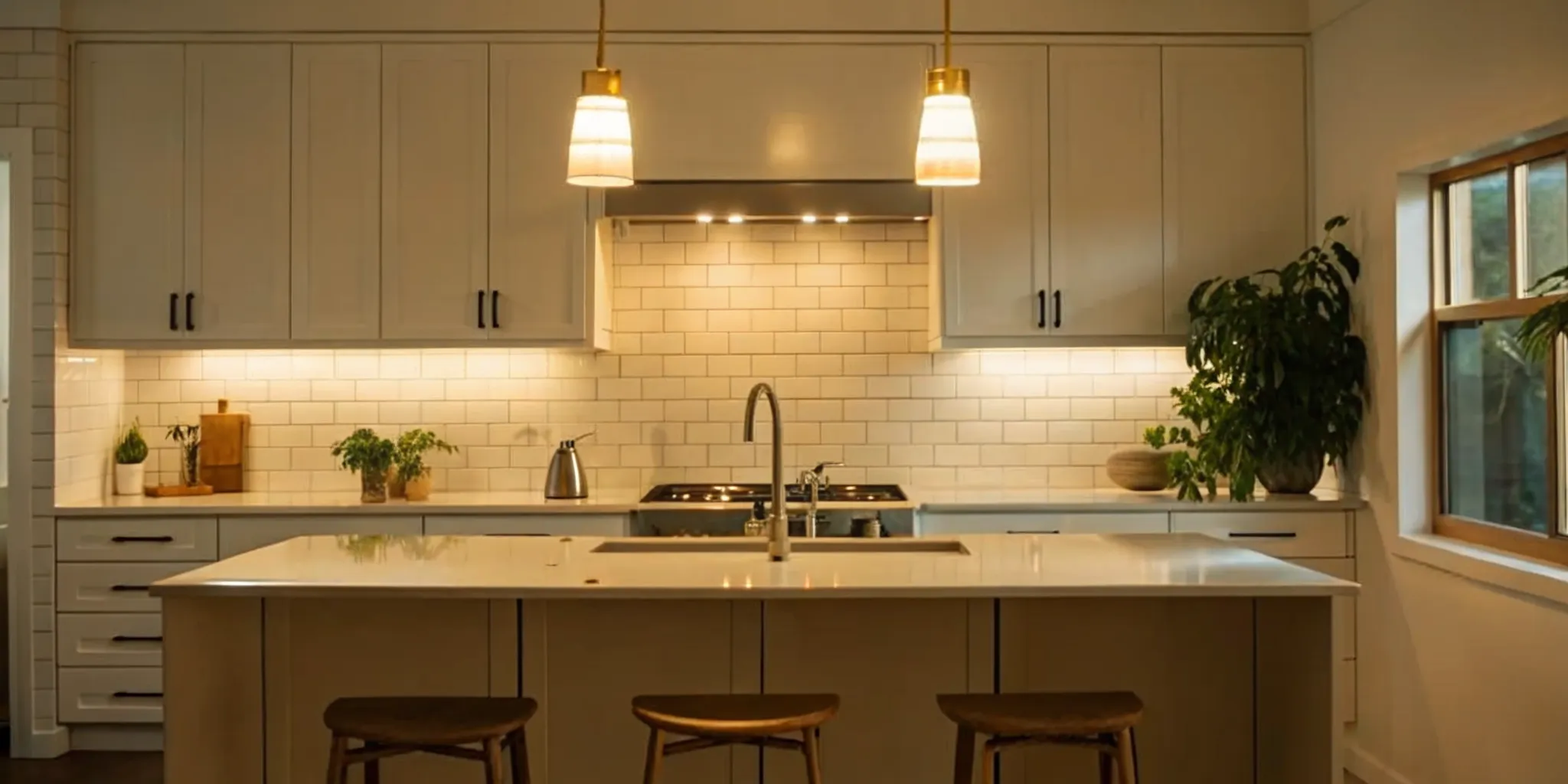
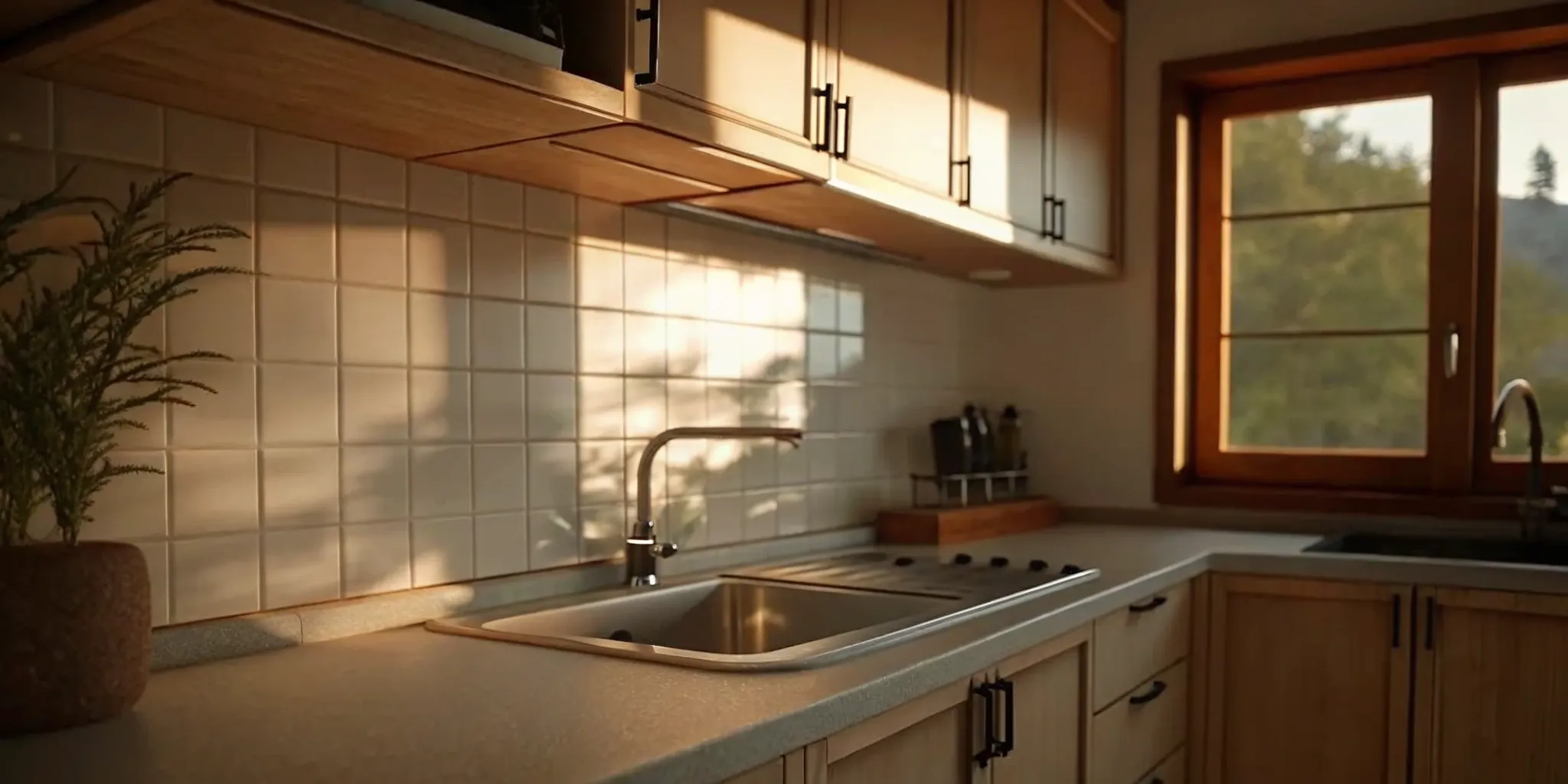
With a $10,000 budget, your money is best spent on cosmetic updates that deliver the most visual bang for your buck. Instead of tearing everything out, you can create a dramatic transformation by focusing on the surfaces that define the room. This means you can likely afford to replace tired countertops, install a stylish new backsplash, upgrade your flooring, and swap out dated cabinet hardware. By focusing on these key elements, you can give your kitchen a fresh, modern look without the expense of changing its fundamental layout. This approach lets you avoid the high costs associated with structural work, plumbing, and electrical changes.
Minor Renovations Within Your Budget
Beyond surfaces, there are several other minor renovations that can easily fit within a $10k budget. A fresh coat of paint on the walls and ceiling can instantly brighten the entire room. If your cabinets are structurally sound but look dated, refinishing or painting them is a fantastic, cost-effective alternative to a full replacement. In fact, refacing your cabinets can save you 30% to 50% compared to installing new ones. These are the kinds of smart, targeted projects that make a huge difference and allow you to create a space that feels brand new without overspending.
What’s Out of Reach for $10k?
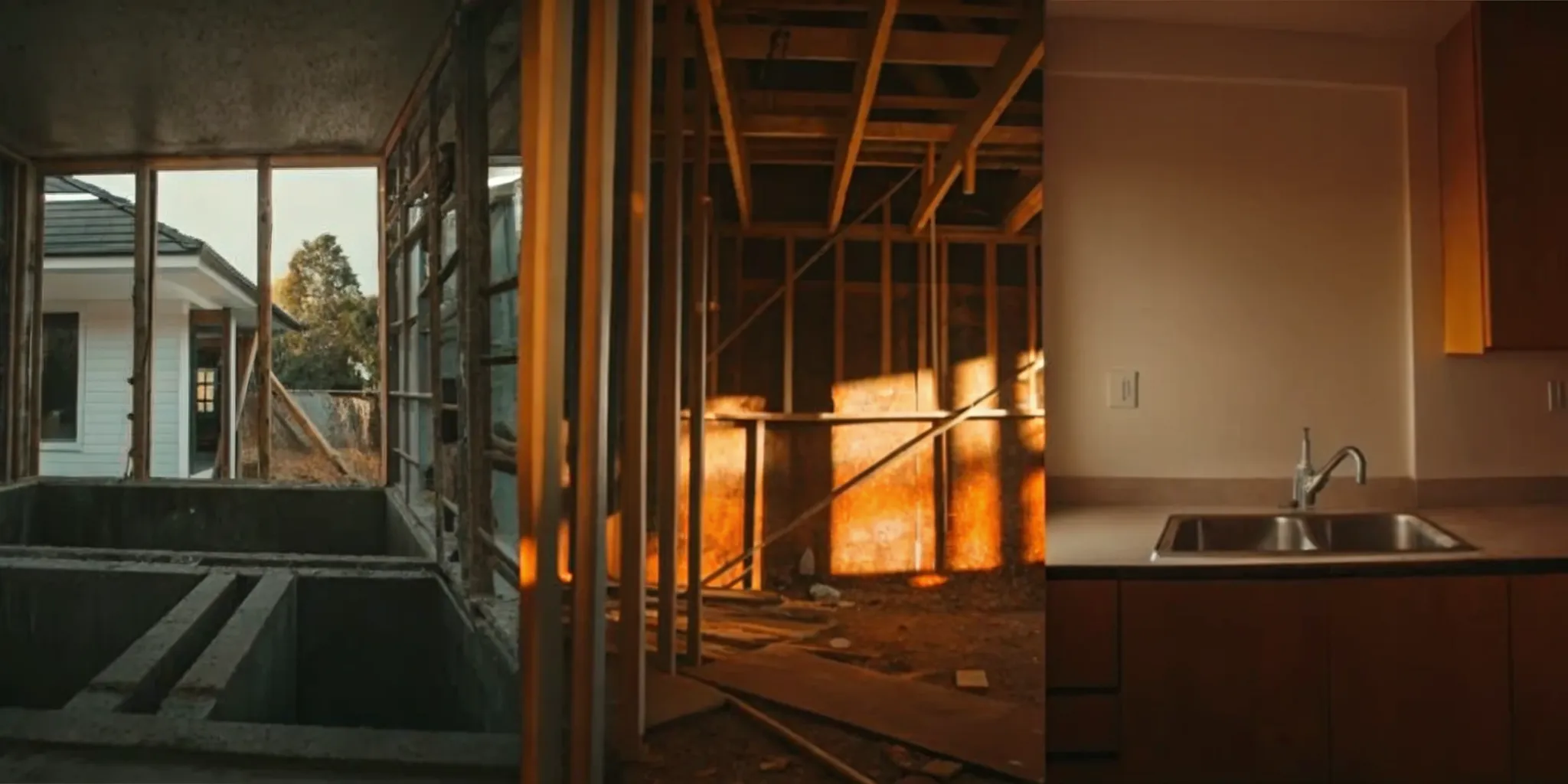
It’s just as important to understand what your $10,000 budget won’t cover. Major structural changes, like moving walls or changing the kitchen’s layout, are typically out of reach. The same goes for high-end custom cabinetry and premium materials like granite or marble countertops. Moving plumbing or gas lines to relocate appliances is also a significant expense that would quickly eat up your budget. While it’s not impossible, completing a full remodel by hiring professionals for $10,000 is very challenging, especially if you run into unexpected issues like needing to update the electrical wiring to meet current codes.
What Drives the Cost of a Kitchen Remodel?
When you start planning a kitchen remodel, it’s easy to get swept up in the fun of picking out tile and dreaming about new appliances. But to keep your project from spiraling out of control, you need to understand the key factors that influence your final bill. The total cost isn't just one big number; it's a combination of choices you make about your kitchen's size, the materials you select, and how much of the work you hire out versus tackle yourself.
Think of these as the main levers you can pull to keep your project on track. Changing your kitchen’s layout, for example, will have a much bigger impact on your budget than simply swapping out a faucet. By getting familiar with these cost drivers, you can make informed decisions that align with your $10,000 budget. A solid renovation plan will help you see where your money is going and identify the best places to save without sacrificing the style or function you want. It’s all about spending smartly on the things that matter most to you.
How Size and Layout Affect Your Budget
The physical footprint of your kitchen is a primary cost driver. A larger space simply requires more materials—more flooring, more countertop surface, more paint—which adds up quickly. However, an even bigger budget item is changing the layout itself. If you plan to keep your existing plumbing, electrical, and appliance locations, you’ll save a significant amount of money.
Moving walls, relocating the sink, or shifting the gas line for your stove involves hiring specialized tradespeople like plumbers and electricians, which can easily consume a large portion of a $10,000 budget. For a budget-friendly remodel, working within your kitchen’s current configuration is one of the smartest moves you can make.
Choosing Your Materials Wisely
Your choice of materials and finishes will make or break your budget. Cabinets are often the single most expensive item in a kitchen remodel, followed closely by countertops, appliances, and flooring. While custom cabinetry and marble countertops are beautiful, they aren't realistic on a $10k budget.
The good news is that there are fantastic, durable alternatives that look just as great. For example, choosing quartz over marble for your countertops can save you money and future headaches, as it’s less prone to staining. Opting for stock or ready-to-assemble cabinets instead of custom ones can also free up thousands of dollars. Being strategic with your material selections is key to achieving a high-end look without the high-end price tag.
Deciding Between Labor and DIY
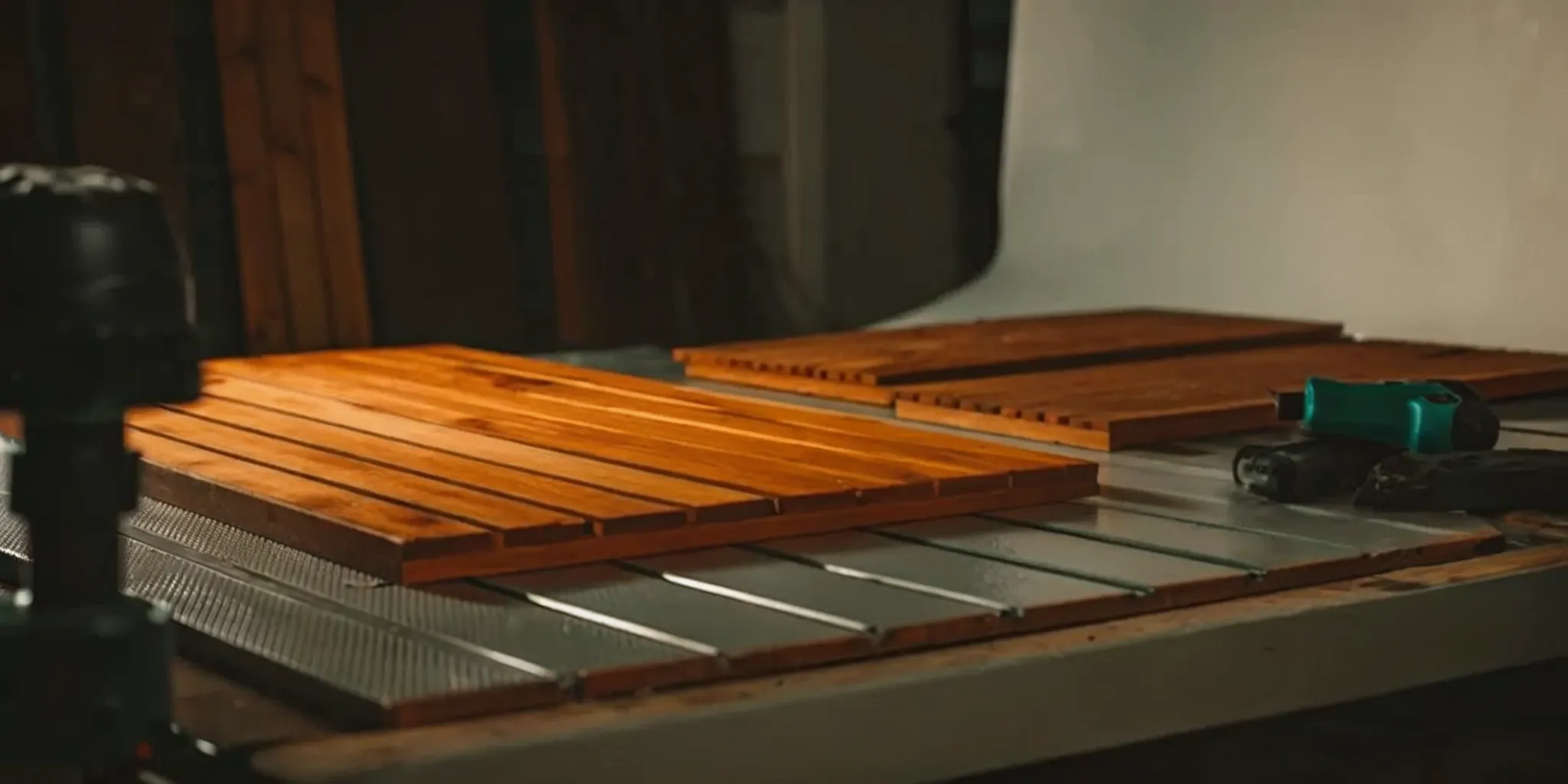
Labor costs can account for a huge chunk of your renovation budget, so it’s tempting to think doing it all yourself is the best way to save. If you’re handy, tackling tasks like painting, installing a backsplash, or assembling cabinets can definitely cut costs.
However, it’s important to be realistic about your skills. A DIY mistake on plumbing or electrical work can lead to expensive repairs down the line. It’s also a common myth that you’ll save money by purchasing all the materials yourself; contractors often get trade discounts that aren’t available to the public. The best approach is often a hybrid one: DIY the cosmetic updates you’re comfortable with and leave the complex jobs to vetted professionals.
How to Stretch Your $10,000 Kitchen Budget
A $10,000 budget for a kitchen remodel is completely doable, but it requires you to be a savvy project manager. Getting the kitchen you want without going over budget is all about making smart, strategic decisions where they count the most. It means knowing where to save and where to spend. Instead of a full gut job, you'll focus on high-impact changes that transform the space without breaking the bank. Think of it as a strategic refresh. The key is to get creative with your resources, roll up your sleeves for a few projects, and be a smart shopper. Here are a few practical ways you can make every dollar work for you.
Reface or Replace Your Cabinets?
Cabinets are often the biggest line item in a kitchen budget, so this is your best place to save. If your cabinet boxes are in good shape, refacing is a game-changer. This means you keep the existing cabinet structure but replace the doors and drawer fronts for a fresh look. You can also add new hardware and a veneer to the boxes to match. Cabinet refacing can save you 30% to 50% compared to a full replacement. Refacing might cost around $220 per door, while a brand-new cabinet box and door can run you $500 or more, leaving more room in your budget for other priorities.
Smart DIY Projects to Save Cash
If you’re comfortable with hands-on work, taking on a few DIY projects can seriously cut down on labor costs. Assembling ready-to-assemble (RTA) cabinets, painting, or installing a new backsplash are all manageable tasks for a handy homeowner. For a standard 10x10 kitchen, DIY labor could save you anywhere from $1,100 to $4,000. Just be honest about your skill level—a project you can’t finish will only lead to hiring a pro to fix it, which costs more in the long run. Realm’s expert guidance can help you decide which tasks are right for you.
Why You Should Get Multiple Quotes
Never go with the first quote you get, especially for big-ticket items like countertops or professional labor. Make it a rule to get at least three quotes from different vendors. This isn't just about finding the lowest price; it's about understanding the market rate and ensuring you're getting a fair deal. When you ask for quotes, request an itemized breakdown. For countertops, ask for the cost per square foot for material, fabrication, and any special cutouts. This simple step helps you find the right professionals and gives you the confidence that you’re spending your money wisely.
How to Prioritize Your Kitchen Wish List
With a clear budget in mind, the next step is figuring out where your money will make the biggest difference. It’s easy to get swept up in beautiful inspiration photos, but a successful remodel—especially one on a tight budget—starts with a smart, prioritized plan. This is where you get honest about what your kitchen truly needs to function better for you and what changes will give you the most satisfaction.
Focus on High-Impact Changes
When your budget is $10,000, you want every dollar to count. The best way to do that is by focusing on cosmetic updates that deliver a big visual punch without needing to move walls or plumbing. Think about the surfaces you see and touch every day. A fresh coat of paint on the walls or cabinets can completely change the feel of the room for a relatively low cost. Swapping out dated hardware, installing a new faucet, or updating light fixtures are small projects that make the space feel instantly more modern and clean. These high-impact changes are what make a kitchen look and feel new, and a Realm advisor can help you identify which ones will give you the most bang for your buck.
Separating Needs from Wants
Before you start shopping, grab a piece of paper and draw a line down the middle. On one side, list your "needs," and on the other, your "wants." Be realistic here. A "need" is a leaky faucet, a broken drawer, or countertops that are falling apart. A "want" might be a wine fridge, a pot filler, or that specific marble-look quartz you saw online. This simple exercise is crucial for keeping your budget on track. It forces you to define your project's core goals and helps you avoid spending money on extras you don't truly need. Having this clarity from the start ensures your $10,000 goes toward what matters most.
Budget-Friendly Green Upgrades
Creating a more sustainable home doesn't have to be expensive. In fact, making eco-friendly choices in your kitchen can be a great way to stay on budget. Instead of brand-new materials, consider using reclaimed wood for open shelving to add character and warmth. When you’re painting, choose low-VOC paints, which are better for your indoor air quality and often comparable in price to traditional paints. You can also look for energy-efficient LED lighting to cut down on electricity bills over time. Many homeowners are choosing durable and sustainable materials not just for the environment, but because they offer great long-term value and a timeless look.
What Are the Best Materials for a Budget-Friendly Kitchen?
Choosing the right materials is where you can really make your $10,000 budget work hard for you. It’s not about picking the cheapest option, but the smartest one for your space and lifestyle. You can get a high-end look without the high-end price tag by focusing on durable, stylish materials that deliver the most bang for your buck. Here’s a look at some wallet-friendly materials that don’t compromise on style.
Affordable Countertop Alternatives
If you love the look of marble but worry about stains and scratches (especially with kids around), quartz is a fantastic alternative. It’s incredibly durable, practical for busy households, and gives you a clean, modern look. Another great way to get a high-end feel for less is with prefabricated granite counters. Because they come in standard sizes, you avoid the high cost of custom fabrication. You can often get prefabricated granite installed for around $2,000, giving you a beautiful stone surface that fits comfortably within your budget. It's one of the best ways to choose kitchen countertops that are both beautiful and affordable.
Smart Choices for Flooring and Backsplashes
Your kitchen floor needs to be tough, but it doesn’t have to be expensive. Sheet vinyl is a durable, budget-friendly choice, costing about $5 per square foot with professional installation. It comes in tons of styles, including realistic wood and tile looks. If you’re up for a weekend project, you can install laminate flooring yourself for as little as $2 per square foot. For your backsplash, you don’t need to spend a fortune to make a statement. You can find beautiful ceramic or porcelain tile and get it installed for around $450, adding a pop of personality that ties the whole room together.
The Power of Paint and New Hardware
Never underestimate the transformative power of paint. If brand-new cabinets aren't in the budget, you can completely change the look of your kitchen by refinishing or painting your existing ones. This single update can make your space feel fresh and modern for a fraction of the cost of a full replacement. To complete the refresh, swap out your old cabinet hardware. New knobs, pulls, and hinges are an inexpensive detail that makes a huge difference. It’s a simple project that instantly updates the look and feel of your kitchen, and you can learn how to paint kitchen cabinets with a few simple tools.
What Hidden Costs Should You Plan For?
It’s easy to get swept up in the fun parts of planning a kitchen remodel, like picking out countertops and dreaming about new appliances. But the less glamorous costs are the ones that can sneak up on you and bust your budget. Thinking through these potential expenses ahead of time is the best way to protect your $10,000 budget and keep your project running smoothly. From city permits to the surprises lurking behind your drywall, here are the hidden costs you should absolutely plan for.
Don't Forget Permits and Inspections
Depending on where you live and the scope of your project, you’ll likely need to secure building permits before any work begins. If your remodel involves moving walls, changing the electrical layout, or altering plumbing lines, a permit is almost always required. These aren't just bureaucratic red tape; they ensure the work is done safely and up to code, which is crucial for your family’s safety and your home’s future value. You can learn about the specific requirements for building permits by visiting your local city or county’s building department website. Be sure to factor in the cost of the permits themselves and any required inspections.
Planning for the Unexpected
Every renovation project has its surprises. The moment your contractor opens up a wall, you might discover anything from outdated wiring that isn’t up to code to hidden water damage from a long-forgotten leak. To keep these discoveries from derailing your finances, you need a contingency fund. Think of it as a non-negotiable safety net for your project. A good rule of thumb is to set aside an extra 10% to 20% of your total budget for these unforeseen issues. This isn't money you hope to spend, but it’s essential to have it ready so a surprise repair doesn’t force you to compromise on your design goals.
Factoring in Disposal and Cleanup
Demolition creates a lot of waste, and getting rid of it costs money. Your old cabinets, countertops, flooring, and drywall all have to go somewhere. You’ll need to budget for the cost of hauling it all away, which might mean renting a dumpster for a week or hiring a junk removal service. The right method for disposing of construction debris depends on the amount of waste and local regulations. Also, be sure to clarify with your contractor if daily site cleanup is included in their bid. Keeping the work area clean isn't just for looks; it's a critical safety measure for everyone in your home during the remodel.
Common Budget Remodel Mistakes to Avoid
When you’re working with a tight budget, it’s tempting to look for every possible way to cut costs. But some shortcuts can end up costing you more in the long run. Being smart with your money isn’t just about finding the cheapest option; it’s about investing wisely to avoid expensive fixes down the road. A successful budget remodel hinges on knowing where to save and where to spend.
Three of the most common budget-busting mistakes homeowners make are overestimating the savings from DIY, waiting too long to call a professional, and choosing trendy designs that quickly look dated. A beautiful, functional kitchen that stands the test of time is completely achievable on a $10,000 budget, but it requires careful planning and a clear understanding of these potential pitfalls. By learning to spot these traps, you can protect your investment and ensure your money goes toward changes that truly matter. Let’s walk through how to sidestep these common errors and make every dollar count.
When DIY Doesn't Actually Save You Money
Tackling a project yourself can feel empowering and seems like an obvious way to save on labor costs. While some DIY projects are great for a budget, others can quickly become money pits. One common misconception is that you can save money on your remodel by purchasing all the materials yourself. In reality, contractors often have access to trade discounts that aren't available to the public. Beyond materials, consider the cost of tools you may need to rent or buy. More importantly, a mistake with plumbing or electrical work can lead to costly damage and require hiring a professional to fix it anyway, erasing any initial savings. Be honest about your skill level before you start knocking down walls.
Knowing When to Call a Pro
Knowing your limits is key. While you might be great at painting cabinets, tasks like installing countertops, moving gas lines, or handling complex electrical work are usually best left to licensed professionals. Remodeling experts understand the nuances of building codes, functional kitchen design, and proper installation techniques. Their experience helps you avoid common pitfalls that can derail your project or lead to failed inspections. Think of hiring a pro not as an expense, but as an investment in getting the job done safely and correctly the first time. Platforms like Realm can help you find vetted professionals who are right for your project, ensuring you have the right expertise on your side.
Choosing Timeless Design Over Fleeting Trends
It’s easy to get swept up in the latest kitchen design trends you see online, but building your entire remodel around a fleeting style can make your kitchen feel dated in just a few years. Instead, focus on a timeless foundation. Classic choices like Shaker-style cabinets, neutral color palettes, and durable flooring will always be in style. You can still incorporate trendy elements in smaller, less permanent ways. For example, use a bold color on a backsplash, choose fashionable hardware, or hang a statement light fixture. These are much easier and more affordable to update later than countertops or cabinets, allowing you to refresh your kitchen's look without another major renovation.
Will a $10k Kitchen Remodel Add Value to Your Home?
One of the biggest questions behind any renovation is whether it’s a smart financial move. You’re not just creating a space you love; you’re also investing in one of your largest assets. A kitchen remodel is consistently ranked as one of the best projects for adding value, but does that hold true for a smaller, $10,000 budget?
The short answer is yes, it absolutely can. A strategic $10k kitchen update can offer a solid return and make your home more attractive to future buyers. The key is to be smart about where your money goes. Success depends on understanding the potential return, knowing your local market, and balancing your immediate goals with long-term satisfaction. Let’s break down what that means for your project.
What's the Return on Your Investment?
Let’s talk numbers. On average, minor kitchen remodels can increase your home's value by 52.5% to 71.2% of what you spent. For your $10,000 project, that means you could see a bump in your home’s resale price of about $5,250 to $7,120. The key word here is “minor.” This return applies to high-impact cosmetic updates like painting cabinets, upgrading countertops, installing a new backsplash, and replacing hardware—exactly the kind of changes that fit within a $10k budget. You’re not moving walls or reconfiguring plumbing, but you are making the kind of strategic improvements that buyers notice and appreciate the moment they walk in.
How Your Local Market Plays a Role
While national averages are a helpful starting point, your home’s value is ultimately local. The real return on your investment depends heavily on buyer expectations in your specific neighborhood. It’s crucial to think realistically about what your kitchen needs to compete in the local market. For example, in a high-value area, buyers might expect to see stone countertops. If you spend too much on upgrades that far exceed neighborhood norms, you might not get that money back when you sell. A Realm advisor can provide data-backed insights on which updates will add the most value right where you live, ensuring your $10,000 is spent wisely.
Weighing Long-Term vs. Short-Term Gains
Are you planning to sell next year or settle in for the next decade? Your answer changes the definition of “value.” If you’re selling soon, your focus is on broad appeal. But if this is your long-term home, your own enjoyment is a huge part of the return. It’s telling that nearly half of homeowners later wished they’d spent more on their kitchen remodel, suggesting that cutting corners on quality can lead to regret. Choosing durable, good-quality materials for things like appliances and countertops makes your kitchen work better for you and adds more lasting value when it’s eventually time to sell.
How to Plan Your $10,000 Kitchen Remodel
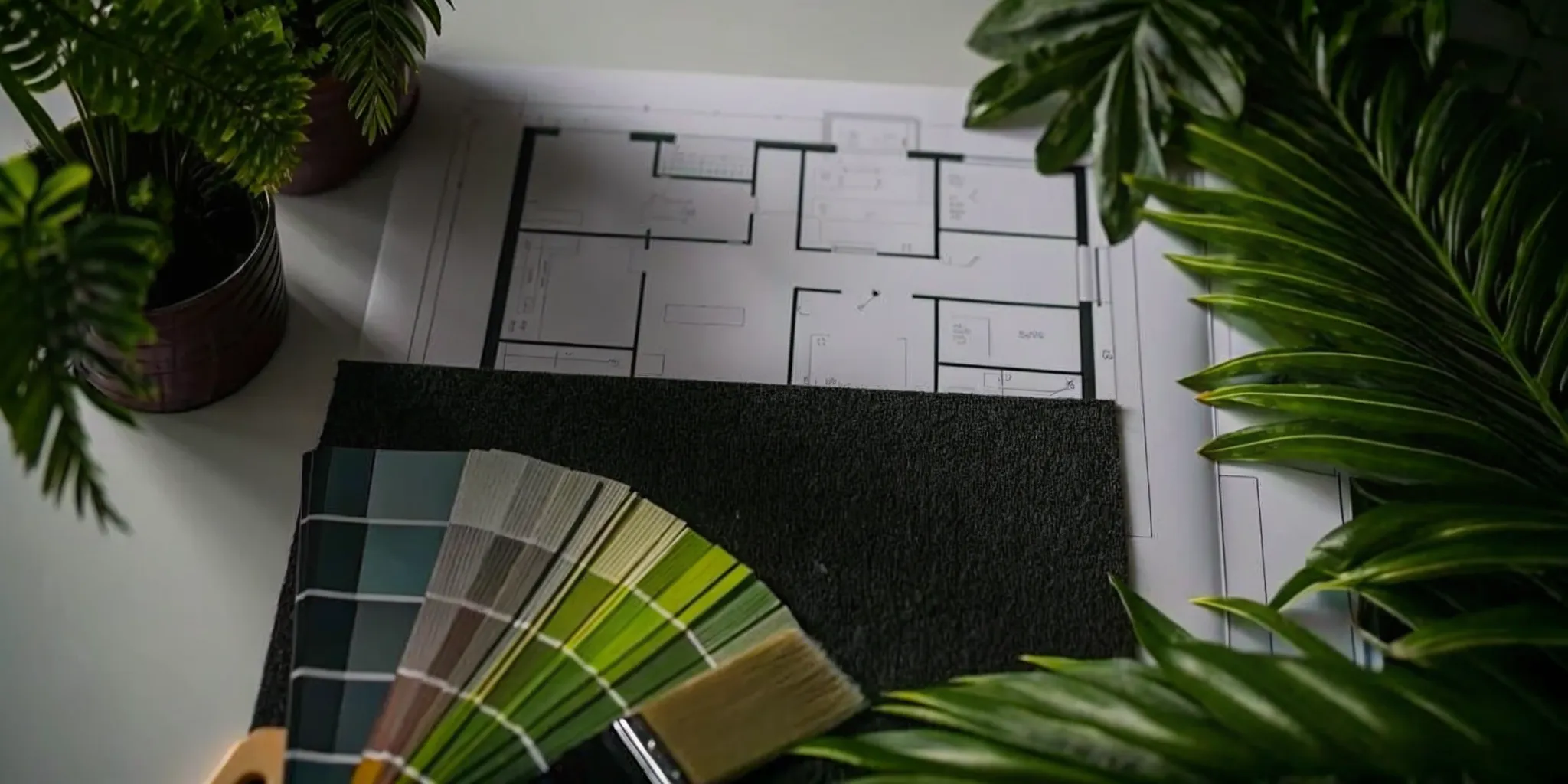
A successful $10,000 kitchen remodel hinges on a solid plan. Without a clear roadmap, it’s easy for costs to spiral and timelines to stretch, but careful preparation can help you transform your kitchen without breaking the bank. Taking the time to map out your budget, schedule, and team will save you headaches and money down the road. It’s the difference between a stressful renovation and a smooth, satisfying update you’ll love for years.
Create a Detailed Budget
A budget isn't just the $10,000 total; it's a line-by-line breakdown of every single expense. Serious planning and budgeting are the most important steps to stay on track. Open up a spreadsheet and list everything you'll need, from hardware and countertops to installation and demo costs. Research prices for each item to get a realistic picture of where your money will go. A $10,000 budget is perfect for impactful cosmetic updates like painting cabinets, installing a new backsplash, or upgrading appliances and light fixtures. Putting it all on paper helps you see exactly where your money is going and make smart trade-offs from the start.
Set a Realistic Timeline
One of the biggest reasons homeowners complain about their kitchen remodeling projects is time, but renovations only drag on when planning is lax. A clear timeline is your best defense against delays. Map out each phase of the project, from ordering materials to the final cleanup, and be sure to account for shipping times and contractor availability. Kitchen remodels can take longer than expected, so building a little buffer time into your schedule is always a good idea. This not only keeps your project on track but also manages your own expectations, making the entire process feel much more manageable.
How to Work With Contractors on a Budget
Deciding what to DIY versus what to hire out is a major budget decision. If you're handy, you can save a lot by tackling tasks like painting or assembling ready-to-assemble cabinets yourself. For bigger jobs like plumbing, electrical, or countertop installation, working with a professional can help you avoid costly mistakes. Always get multiple quotes for any work you hire out to ensure you’re getting a fair price. Working with a trusted partner like Realm ensures you’re connected with vetted contractors, giving you peace of mind that you’re getting quality work that fits your budget.
Related Articles
- What's the Typical Cost to Remodel a Kitchen?
- How Much Does a Kitchen Remodel Cost? A Breakdown
- 28 Budget Kitchen Renovation Ideas for a Fresh Look
- Small Kitchen Remodel Cost Without Appliances: A Guide
Frequently Asked Questions
What's the single most impactful change I can make with a $10,000 budget? If you can only do one thing, focus on your cabinets. They take up the most visual real estate in your kitchen, so updating them makes the biggest splash. If your cabinet boxes are in good condition, painting or refacing them instead of replacing them is the most budget-savvy move you can make. This single project can completely change the room's character and will likely leave you with enough money to also upgrade your hardware and backsplash for a truly transformative refresh.
Can I get new appliances and new countertops for $10,000? Getting both brand-new appliances and new countertops within a $10,000 budget is ambitious, but it can be done with careful planning. You would need to select budget-friendly options for both, such as prefabricated granite countertops and appliance packages from affordable brands. This would likely consume your entire budget, leaving little room for other updates like flooring or a new backsplash. It’s a matter of priorities—if those two items are your absolute must-haves, you can build the rest of your plan around them.
How long should I expect a remodel like this to take? For a cosmetic remodel of this scale, the timeline depends heavily on whether you're doing the work yourself or hiring professionals. If you're working with contractors, a project focused on surfaces like countertops, backsplash, and paint could take anywhere from one to three weeks. If you're tackling projects yourself on weekends, it could stretch out over a month or two. The most common delays come from waiting for materials to arrive, so order everything you need before the demolition begins.
Is it better to save money by managing the project myself or hiring a pro? Managing a project yourself can save money on management fees, but it requires a significant investment of your own time and energy. You'll be responsible for sourcing materials, scheduling different workers, and troubleshooting any issues that arise. If you're highly organized and have a flexible schedule, it can be a rewarding experience. However, hiring a professional or using a service with an advisor can prevent costly mistakes and ensure the project runs smoothly, which often provides more value than the initial savings.
My kitchen is really small. Does that mean my $10,000 will go further? Yes, in a smaller kitchen, your budget will definitely stretch further. Since costs for materials like flooring, countertops, and backsplash are calculated by the square foot, you'll spend significantly less than someone with a large kitchen. This might free up enough money to splurge on an item from your "want" list, like higher-end cabinet hardware or a nicer faucet. It also makes the project more manageable if you decide to take on some of the labor yourself.