What's the Approximate Cost of Roof Replacement?
Get the approximate cost of roof replacement, plus tips on materials, labor, and hidden fees so you can plan your project and budget with confidence.
|
December 8, 2025
In this article:
Thinking about replacing your roof can feel overwhelming, especially when it comes to the budget. The potential for a high price tag can cause a lot of stress, but it doesn’t have to. The best way to manage the process is to arm yourself with knowledge. Instead of guessing, you can learn exactly what drives the final cost. This article will walk you through every element, including material choices, labor rates in your area, and even the complexity of your roof’s design. We’ll give you the tools to understand the approximate cost of roof replacement so you can plan effectively and make smart, informed decisions for your home’s future.
Key Takeaways
- Understand What Drives the Price: Your final estimate is shaped by more than just materials. Factors like your roof's steepness, architectural features like skylights, and the condition of the underlying wood deck all play a significant role in the total cost.
- Balance Upfront Cost with Longevity: While budget-friendly materials like asphalt shingles save you money now, investing in more durable options like metal can prevent the cost and hassle of another replacement down the road. Think about the total cost of ownership, not just the initial price tag.
- Take Control of the Process: Avoid unexpected expenses by getting multiple detailed quotes, setting aside a 10-20% contingency fund for hidden repairs, and scheduling your project during the off-season to potentially save on labor costs.
How Much Does a New Roof Cost?
Let's get straight to it: replacing a roof is a major investment, and the first question on every homeowner's mind is, "How much is this going to cost?" The truth is, there's no single price tag. The final cost depends on a mix of factors, including the size of your roof, the materials you choose, and even where you live. But don't worry, we can break down the numbers to give you a solid starting point for your budget. Think of it less as a fixed price and more as a range that you can adjust based on your specific project and priorities. Understanding these numbers will help you feel confident when you start talking to contractors and planning your renovation with your Realm advisor.
Average cost by home size
A great way to get a ballpark figure is to look at averages based on home size. For a typical 2,000-square-foot house, the national average for a roof replacement is around $9,476. However, that number comes with a very wide range, with homeowners paying anywhere from $7,283 to over $24,121 for a home of the same size. Why the huge difference? It all comes down to the variables we'll cover later, like the type of materials you select, the complexity of your roof's design, and local labor rates, which can vary significantly from one city to another.
A look at cost per square foot
If you want to get a bit more specific, you can think about the cost per square foot. Generally, you can expect to pay between $4 and $11 for every square foot of roofing. For asphalt shingles, one of the most popular and budget-friendly options, that cost is typically in the $3.50 to $6.00 per square foot range. While this might not sound like much, it adds up quickly across your entire roof. For a complete asphalt shingle roof replacement, many homeowners find the total project cost lands somewhere between $20,000 and $25,000. This per-square-foot metric is what contractors use to build their estimates, so it's a helpful number to understand.
What Factors Into the Final Price?
When you get a quote for a new roof, you're seeing a number that reflects much more than just a pile of shingles. Several key variables influence the total cost, and understanding them can help you make sense of the estimates you receive. Think of it as a recipe—the final dish depends on the quality and quantity of each ingredient. From the sheer size of your roof to the specific rules in your city, each element plays a part in the final price tag. Let's break down the main factors that determine how much you'll invest in your new roof.
Your roof's size
It might seem obvious, but the bigger your roof, the more it will cost to replace. A larger surface area requires more materials and more hours of labor to complete the job. In the roofing world, size is measured in "squares," where one square equals 100 square feet. When you get an estimate, you'll often see the price broken down per square. This is a standard unit of measurement that helps contractors calculate material needs and labor time accurately. Knowing the total square footage of your roof is the first step in understanding the scope and potential cost of your project.
Your home's location
Where you live has a significant impact on your roof replacement cost. Labor rates and material prices can vary widely from one city to another, especially in areas with a higher cost of living like the San Francisco Bay Area or Seattle. Beyond general economics, local climate plays a role. If you're in a region prone to specific weather events like heavy rain or high winds, your contractor may need to use specialized materials or installation techniques to meet building codes, which can add to the expense. This is why a roof replacement cost in one state can look very different from a quote for the exact same house in another.
The condition of your current roof
What's happening underneath your old shingles is a major cost variable. If your existing roof has multiple layers that need to be torn off, that's extra labor and disposal fees. More importantly, your contractor won't know the condition of the underlying roof deck—the plywood base—until the old roof is removed. If they discover soft spots, water damage, or rot, those sections will need to be repaired or replaced before the new roof can be installed. This is one of the most common sources of unexpected costs, so it's wise to have a contingency fund set aside for potential structural repairs.
Local building codes and permits
Before any work can begin, your project needs to comply with local building regulations. This almost always involves securing a permit from your city or county, which comes with a fee. These permits ensure the work is done to current safety standards and will be properly inspected. The cost of a permit can range from a hundred to several hundred dollars, depending on your municipality. Your contractor will typically handle the process of obtaining the permit, but the cost will be included in your overall project total. It’s a necessary step that protects you and ensures your new roof is built to last.
How Material Choice Affects Your Budget
The material you choose for your new roof is one of the biggest drivers of the final price tag. It’s not just about looks—different materials come with vastly different costs for the product itself, the labor to install it, and its long-term maintenance needs. From budget-friendly asphalt to long-lasting slate, the range is wide. Understanding these differences is key to creating a realistic budget and making a choice that fits both your home’s style and your financial plan.
Think of this decision as an investment. Some materials have a higher upfront cost but offer greater durability and energy efficiency, potentially saving you money over time. Others are more affordable from the get-go, making them a great option if you're focused on immediate costs. There’s no single "best" material; the right one for you depends on your priorities. Let's break down the typical costs for the most common roofing materials to give you a clearer picture of what to expect. With a solid plan, you can feel confident in your renovation choices, and a dedicated advisor can help you weigh the pros and cons for your specific project.
The cost of asphalt shingles
Asphalt shingles are the most popular roofing material in the country, and for good reason: they offer a solid balance of performance and affordability. If you’re looking for a budget-friendly option, this is likely your starting point. The average cost for asphalt shingles runs from $3.40 to $5.95 per square foot. For a typical 1,700-square-foot roof, this translates to a total project cost between $5,840 and $10,100. Most homeowners find their final bill lands somewhere in the $20,000 to $25,000 range. While they don't last as long as other materials, their lower upfront cost makes them an accessible choice for many.
The cost of metal roofing
Once reserved for commercial buildings, metal roofing is becoming a popular choice for homes due to its incredible durability and modern aesthetic. It’s also energy-efficient, as it reflects solar heat and can lower your cooling bills. This performance comes at a higher price, with costs ranging from $6.00 to $24.50 per square foot. For a 1,700-square-foot roof, you can expect to pay between $10,245 and $41,640. While the initial investment is higher than asphalt, a metal roof can last 50 years or more, making it a smart long-term investment that can withstand even the toughest weather conditions.
The cost of clay and concrete tiles
For a classic, elegant look, nothing beats clay or concrete tiles. Common in Spanish and Mediterranean-style homes, these tiles are known for their exceptional durability and fire resistance. They are also one of the more expensive options. Tile roofing generally costs between $6.30 and $12.30 per square foot, putting the total for a 1,700-square-foot roof in the $10,665 to $20,900 range. According to This Old House, a clay tile installation can average around $24,000. It's a premium choice, but one that delivers timeless style and a lifespan that can exceed 100 years.
The cost of wood and slate
If you love a natural aesthetic, wood shakes or slate tiles might be the perfect fit. Wooden shakes offer a rustic charm and are relatively affordable, costing between $6.00 and $9.15 per square foot. This puts a 1,700-square-foot roof in the $10,230 to $15,500 range. On the other end of the spectrum is slate, the pinnacle of luxury roofing. It’s the most expensive option by a wide margin, with a roofing calculator estimating costs from $23.49 to $31.77 per square foot. That means a total cost of $39,925 to $54,020. The trade-off? A slate roof is virtually indestructible and can last up to 150 years.
Does a Complex Roof Cost More?
The short answer is yes. Just like any custom home project, the more complex the design, the more it will impact your budget. A simple, flat, easily accessible roof is the most straightforward and cost-effective to replace. However, many homes, especially those with unique architectural styles, have roofs with features that require more time, specialized labor, and extra materials. These complexities are a significant factor in the final price tag.
Things like the steepness of your roof, how easy it is for a crew to get on and off it, and features like chimneys or skylights all add layers to the project. Each of these elements requires careful work to ensure the roof is not only aesthetically pleasing but also completely weatherproof. A contractor needs to account for the additional safety precautions for a steep roof, the extra labor for working around obstacles, and the precision needed to seal around vents and windows. Understanding these factors will help you better interpret a contractor's estimate and see where your money is going.
Steep slopes and pitch
The steepness, or pitch, of your roof is a major cost driver. A roof that’s difficult to walk on requires extra safety equipment and significantly more time for the crew to complete the job. A steeper roof costs more because it’s harder and slower for workers to move around safely. This increased labor time and the need for specialized safety harnesses and setups translate directly into higher costs on your final bill. Think of it as a premium for the added risk and difficulty the roofing team undertakes to get the job done right.
Height and accessibility
How easily can a crew get to your roof? The answer impacts your budget. A single-story home with a flat yard is simple to access. But if your house is multiple stories high, surrounded by delicate landscaping, or built close to your neighbors, the project becomes more complicated. Contractors need to factor in the extra time and effort required to get materials onto the roof and haul away old debris without damaging your property. Poor roof accessibility means more labor hours, which in turn means a higher overall cost for the replacement.
Unique architectural features
Does your roof have chimneys, skylights, dormers, or multiple valleys and peaks? These features add character to your home, but they also add complexity to a roof replacement. Each one needs to be worked around carefully, requiring custom cuts of materials and meticulous installation of flashing—the metal strips that prevent water from seeping in. Roofs with tricky shapes and features demand more skill and time from the installation crew to ensure every corner is perfectly sealed against the elements. This precision work naturally increases the labor costs reflected in your estimate.
Planning for Hidden Roof Replacement Costs
Getting a quote for a new roof is a major step, but the number you see upfront doesn’t always tell the whole story. A roof replacement is a complex project, and contractors can uncover issues after the work has already started. This is where "hidden" costs come in. While they can be frustrating, they don’t have to derail your project. The key is to plan for them from the beginning.
A good contractor will be upfront about potential extra charges, but it’s always wise to go into the process with your eyes open. Building a contingency fund of 10% to 20% of your total project cost is a smart move that gives you a buffer for the unexpected. Knowing what these common add-on costs are helps you ask the right questions and understand exactly what’s included in your estimate. At Realm, we connect you with a dedicated advisor who helps you review contractor bids and plan for these variables, ensuring you have a realistic budget from day one.
Repairing the roof deck
The roof deck is the layer of wood that serves as the foundation for your shingles. Its true condition is a mystery until the old roofing material is torn off. If the crew discovers soft spots, water damage, or rot, the decking will need to be repaired or replaced before the new roof can be installed. This is one of the most common surprise costs in a roofing project. Plan on setting aside an extra $2.20 to $3.00 per square foot for any necessary deck repairs. Having this conversation with your contractor ahead of time can help you prepare for the possibility.
Adding underlayment and barriers
Think of underlayment as a waterproof barrier between your roof deck and your shingles. It’s your home’s last line of defense against moisture and is almost always required for a professional installation. The cost for standard underlayment typically runs from $1.50 to $2.10 per square foot. In areas prone to ice dams or heavy rain, your contractor may also recommend an ice and water barrier for extra protection along eaves and valleys. This specialized membrane can add another $1.87 to $2.53 per square foot, but it’s a worthwhile investment to prevent costly water damage down the road.
Replacing fascia and soffits
Fascia and soffits are the trim boards that run along your roofline and under the eaves. They play a big role in your home’s curb appeal and help with attic ventilation, but they’re also vulnerable to water damage and rot. If your contractor finds that your fascia and soffits are in bad shape, they’ll need to be replaced. Expect to pay between $4.25 and $8.62 per linear foot for new fascia and $2.80 to $5.28 per linear foot for soffits. While it’s an added expense, replacing them during your roofing project is the most efficient and cost-effective time to do it.
Removing and disposing of the old roof
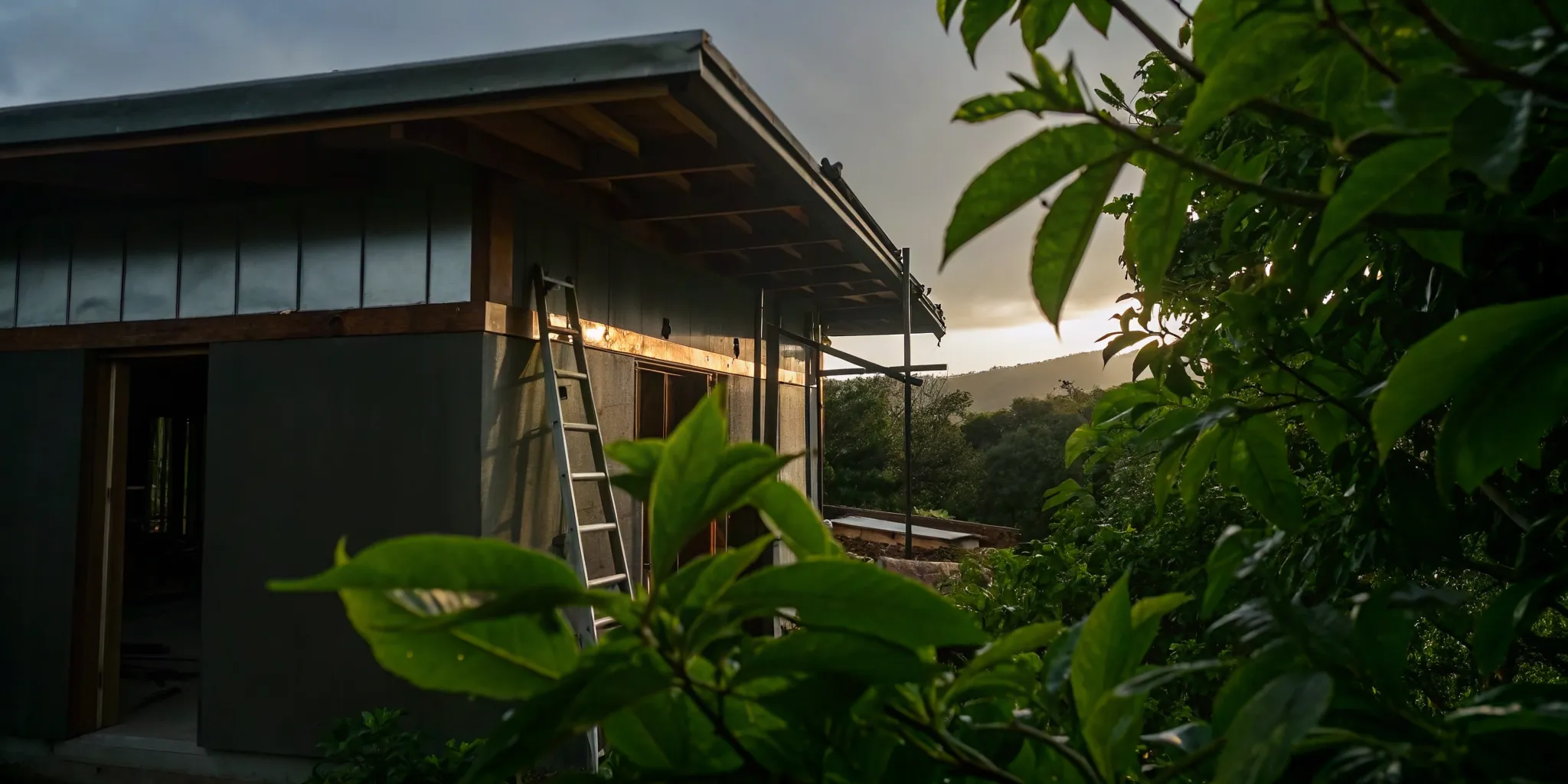
Before the new roof can go on, the old one has to come off. The process of tearing off old shingles, underlayment, and flashing involves significant labor and disposal fees. This can cost anywhere from $0.40 to $2.00 per square foot, which could add up to over $3,000 depending on the size and complexity of your roof. Most contractors include this cost in their initial estimate, but you should always confirm. Ask if tear-off and disposal are listed as a specific line item in the bid. The vetted professionals in our network are transparent about these details.
Paying for permits and inspections
Most cities and counties require a permit for a roof replacement to ensure the work meets local building codes and safety standards. The cost of the permit varies widely depending on where you live. Homeowners in coastal areas like Los Angeles or Seattle might also face additional requirements and inspections to check for wind resistance, which can increase the cost. Your contractor should handle the entire permitting process, but the fee will be passed on to you. Be sure to ask about this upfront so you can factor it into your final budget.
Repair or Replace: How to Decide?
One of the biggest questions homeowners face is whether to patch up a few problem spots or commit to a full roof replacement. A quick fix might seem tempting for your wallet right now, but it can lead to bigger, more expensive problems down the road. On the other hand, a full replacement is a major investment. Making the right call comes down to understanding your roof's current condition and thinking about the long-term value for your home.
Signs it's time for a replacement
If your roof is getting older and you find yourself calling a roofer for frequent repairs, it might be time to consider a replacement. A good rule of thumb is that if repair costs are adding up to 30% or more of the price of a new roof, a replacement is likely the more cost-effective choice.
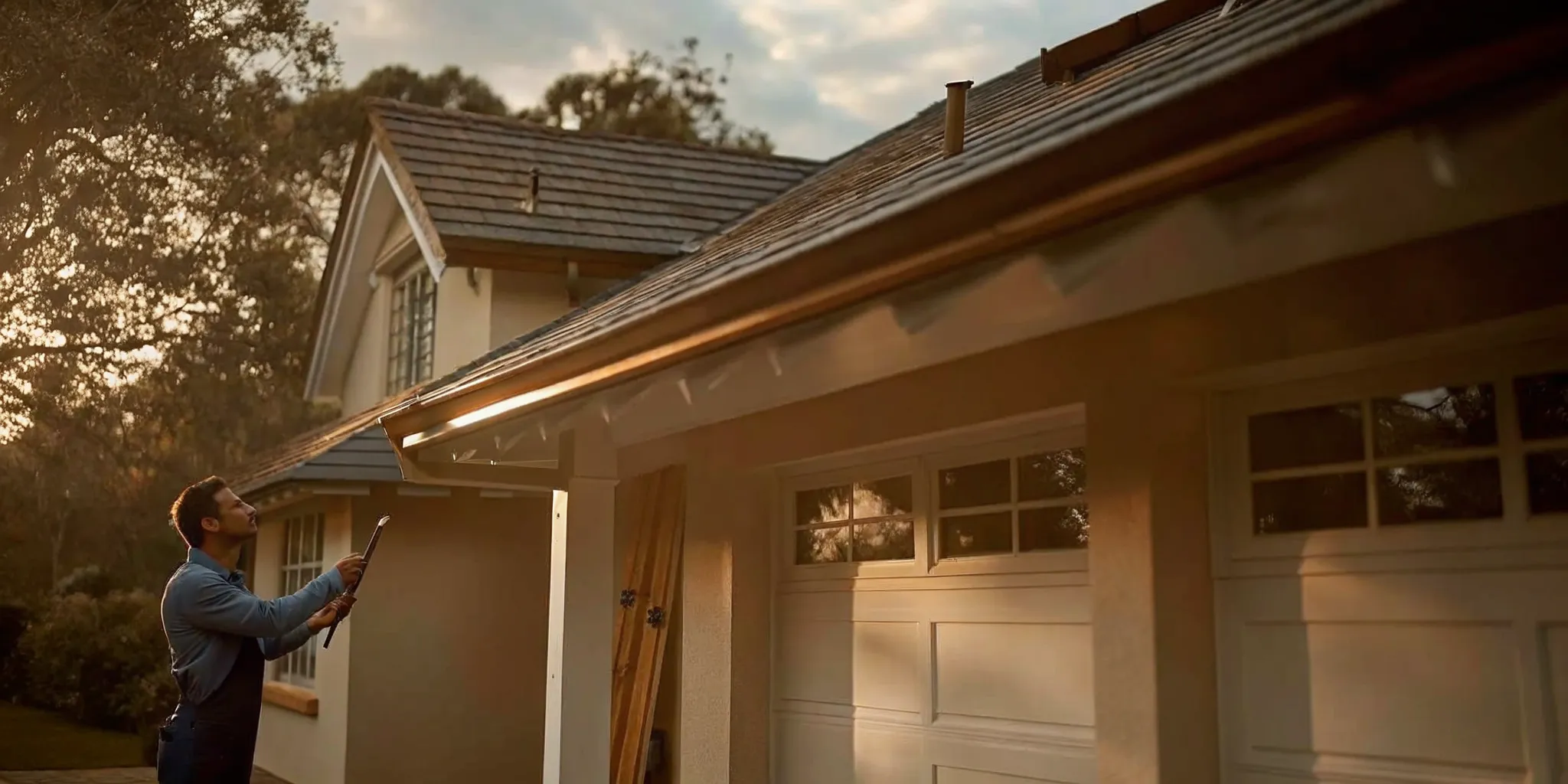
You don’t always need a professional to spot the initial warning signs. It’s a good idea to do a visual inspection at least once a year. Look for shingles that are curling, cracking, or buckling. Check for rust spots on any metal flashing, and after a heavy rain, peek into your attic for any new water stains or leaks. These are all clear signs of damage that suggest your roof is nearing the end of its life.
Weighing the long-term costs
When you’re planning your budget, it’s easy to focus on the upfront price tag. However, with a roof, the long-term value is just as important. The type of roofing material you choose is the single biggest factor in your total cost, and it directly impacts how long your roof will last.
Cheaper materials, like basic asphalt shingles, might save you money initially, but they often have a shorter lifespan and may require more maintenance over the years. Spending a bit more on better materials upfront, such as high-quality architectural shingles or metal roofing, can mean your roof lasts decades longer. Think of it as an investment in your home’s protection and value, saving you from the cost and hassle of another replacement sooner than you’d like.
How to Get an Accurate Estimate
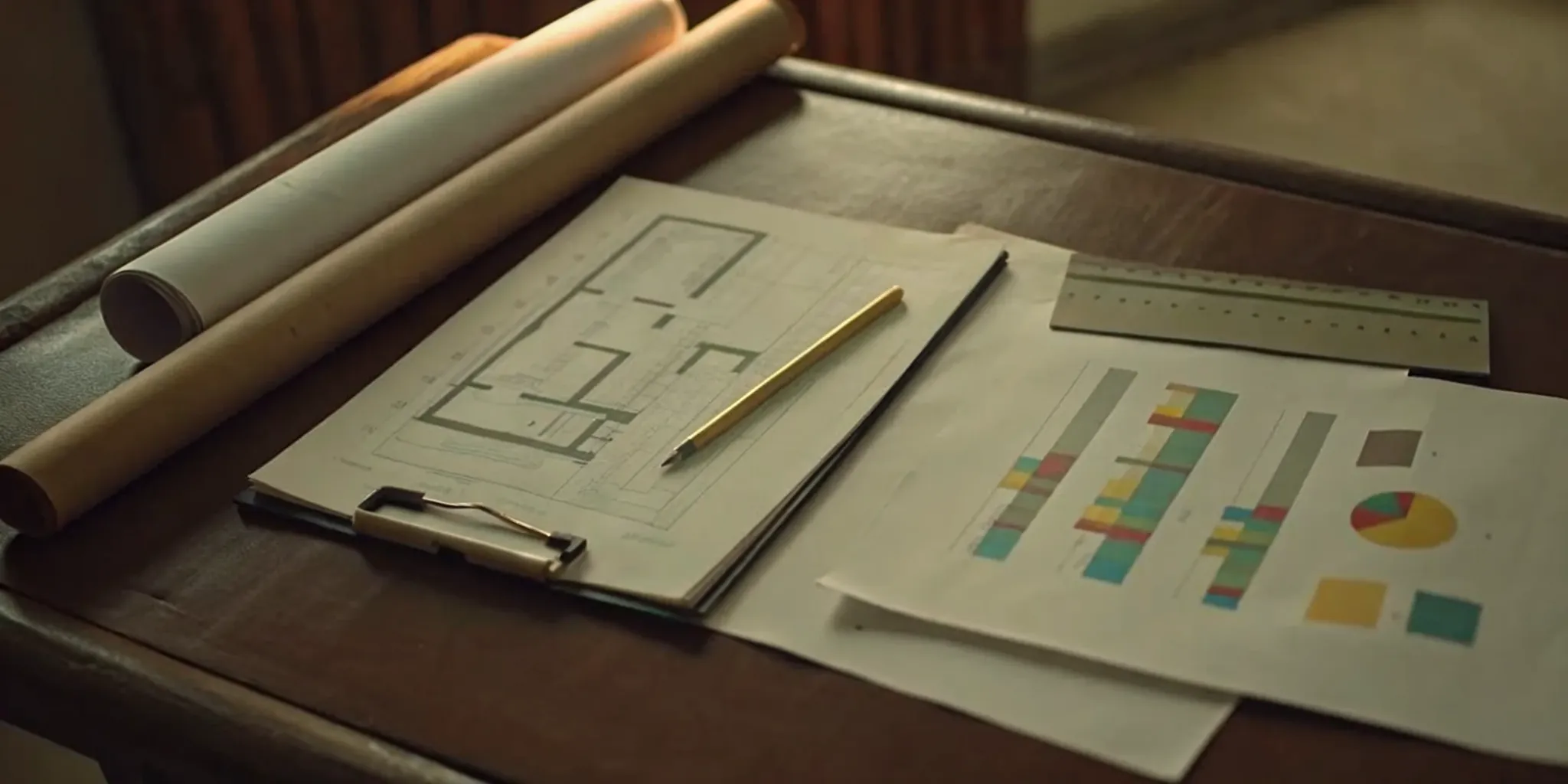
Online cost calculators can give you a ballpark figure, but they can’t see the unique details of your home. To get a number you can actually budget with, you’ll need a detailed, professional estimate. This involves more than just a quick look from the curb; it requires a thorough inspection from a qualified pro. Taking the time to get a solid estimate upfront prevents costly surprises down the road and ensures you’re working with someone you can trust.
Find a qualified contractor
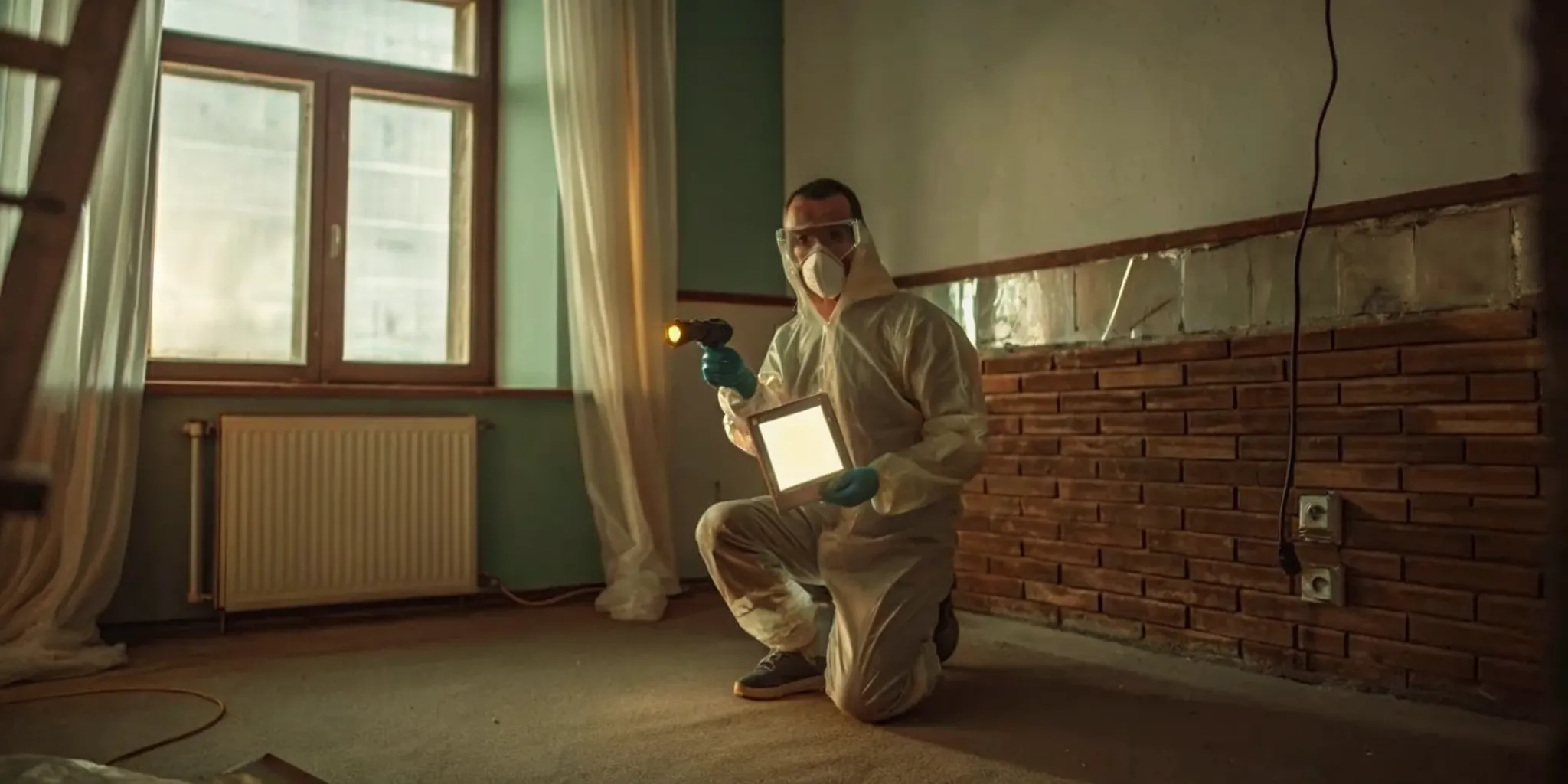
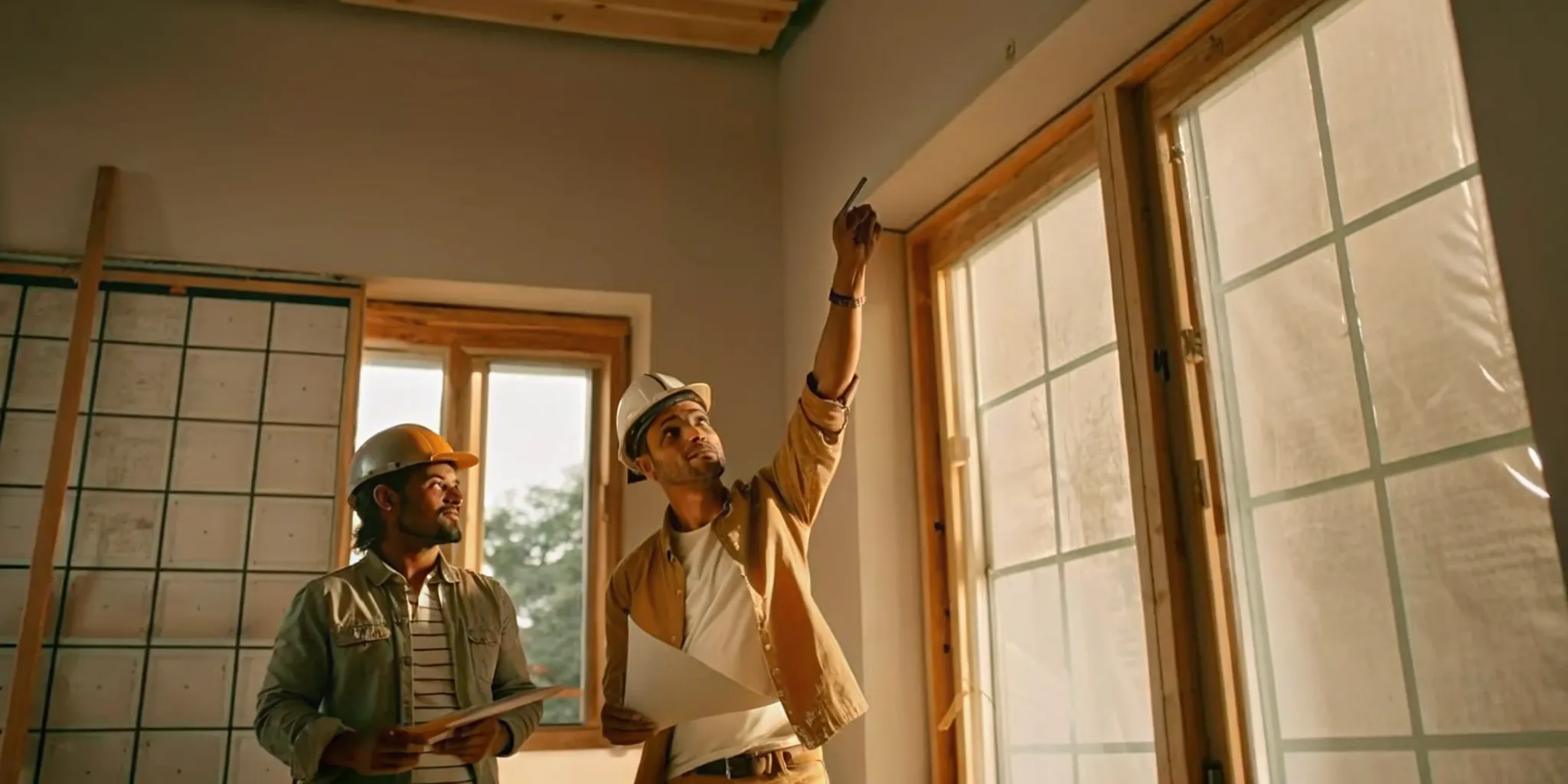
The first step to an accurate estimate is finding the right person for the job. A qualified contractor will perform a professional inspection to understand the exact scope of work for your home. They can spot potential issues like hidden water damage, inadequate ventilation, or structural problems that an online tool would miss. When you’re looking for a contractor, make sure they are licensed, insured, and have a portfolio of work similar to your project. At Realm, we simplify this process by connecting you with a network of vetted professionals who have already been reviewed for quality and reliability, so you can feel confident from the start.
Know what's in an estimate
A good estimate is more than just a final number; it’s a detailed breakdown of all the costs involved. This transparency is key to understanding where your money is going and comparing offers fairly. Your estimate should include line items for materials (shingles, underlayment, flashing), labor, removal and disposal of the old roof, permit fees, and any warranties for materials or workmanship. By understanding how roof replacement costs are broken down, you can have a more informed conversation with your contractor and identify areas where you might be able to adjust the scope to fit your budget.
Get and compare multiple quotes
Never settle for the first estimate you receive. It’s smart to get at least three quotes from different reliable roofing companies. This isn’t just about finding the lowest price—it’s about finding the best value. Comparing multiple offers allows you to see the range of pricing in your area and spot any outliers that seem too high or too good to be true. When you review the quotes, make sure you’re comparing apples to apples. Check that each estimate includes the same scope of work and quality of materials. This diligence helps you choose a contractor who is both fair-priced and a good fit for your project.
How to Pay for Your New Roof
A new roof is a major investment, but it’s one of the most important you can make for your home’s safety and value. Once you have a solid estimate in hand, the next step is figuring out the best way to pay for it. Luckily, you have a few different paths you can take.
Will insurance cover it?
This is usually the first question homeowners ask, and the answer is: sometimes. Most homeowners insurance policies will cover roof replacement if the damage was caused by an event like a fire, windstorm, or hail. However, they typically don't cover replacement due to old age or a lack of maintenance. The best first step is to pull out your policy and read the fine print to understand exactly what’s covered. If you believe the damage qualifies, you can file a claim with your provider. They will likely send an adjuster to assess the roof before approving any funds.
Exploring payment plans and financing
If insurance won't cover the cost, or only covers a portion, you still have options. Many roofing companies offer financing plans that let you pay for the project over time, sometimes with low or no interest for an introductory period. You can also look into a personal loan from your bank or a credit union. Another common route is a home equity line of credit (HELOC), which allows you to borrow against the equity you’ve built in your home. It’s smart to compare the terms and interest rates for each option to find what works best for your budget. At Realm, your dedicated advisor can help you understand these choices and create a customized plan that fits your financial picture.
How to Save on Your Roof Replacement
A new roof is a major home investment, but that doesn't mean you have to drain your savings to get it done right. With a little strategic planning, you can find significant savings without compromising on quality. It often comes down to two key decisions: when you schedule the work and what materials you choose to put over your head. Thinking through these factors can make a big difference in your final bill. Let's look at how you can approach your roof replacement with your budget in mind.
Choose the right time of year
Just like booking a vacation, timing can have a huge impact on the price of your roof replacement. Most homeowners rush to schedule projects in the spring and summer when the weather is perfect. This high demand means contractors are booked solid and their prices reflect that. A smart move is to plan your project for the off-season. For many areas, including parts of the West Coast, winter can be a great time as long as there isn't a storm in the forecast. During these slower months, contractors are looking to keep their crews busy and may offer better deals on labor costs. You’ll likely have more flexibility with scheduling and find that contractors are more willing to negotiate.
Select cost-effective materials
When you hear "cost-effective," it’s easy to think "cheapest," but that’s not the whole story. The materials you choose play the biggest role in your project's price tag, and the cheapest option isn't always the best value. A less expensive material might save you money today, but if you have to replace it again in 10-15 years, you haven't really saved anything in the long run. Instead, think about the total cost of ownership. Spending a bit more on higher-quality materials that come with a longer lifespan can save you thousands in future replacement costs, giving you peace of mind for decades to come.
Related Articles
- How Much Does a Roof Replacement Cost? A Homeowner's Guide
- Shingle Roof Replacement Cost: A Full Breakdown
- How Much Does a New Roof Cost? A Homeowner's Guide
Frequently Asked Questions
How long does a typical roof replacement take? While every project is different, most professional roof replacements on an average-sized home can be completed in just a few days. The tear-off of the old roof usually takes up the first day, followed by inspection of the underlying deck and any necessary repairs. The installation of the new materials can often be done in another day or two. Factors like complex roof designs, unexpected structural repairs, or bad weather can extend this timeline, but your contractor should give you a clear schedule before they begin.
Will a new roof actually increase my home's value? Yes, it's one of the best investments you can make in your home. A new roof is a major selling point for potential buyers because it gives them peace of mind knowing they won't have to face that expense for decades. While you might not recoup 100% of the cost at resale, a new roof significantly improves your home's curb appeal and structural integrity, making it a much more attractive and valuable asset on the market.
Is it okay to just install a new layer of shingles over the old one? This is a common question, but layering new shingles over old ones is generally not a good idea. It adds a tremendous amount of weight to your roof's structure, which it may not be designed to handle. It also prevents your contractor from inspecting the underlying roof deck for rot or water damage. While it might seem like a cheap fix now, it can hide serious problems and often voids the warranty on your new shingles, leading to much bigger costs later on.
What's the most important question to ask a potential contractor? Beyond asking if they are licensed and insured, one of the most telling questions is, "Can you provide a detailed, itemized quote?" A vague, one-line estimate is a red flag. A professional contractor will be able to break down the costs for materials, labor, permits, and debris disposal. This transparency shows they know their business and helps you compare different offers fairly, ensuring there are no surprises on the final bill.
My roof isn't that old, but it's leaking. Does that automatically mean I need a full replacement? Not necessarily. A leak in a relatively young roof is often caused by a specific issue, like damaged flashing around a chimney or vent, a few missing shingles from a storm, or improperly driven nails. In these cases, a targeted repair is usually all that's needed. A full replacement is typically reserved for roofs that are nearing the end of their lifespan or have widespread damage across multiple areas.