Bathroom Remodel Estimate Sample: A Cost Breakdown
Get a clear bathroom remodel estimate sample with a detailed cost breakdown, tips for comparing contractor bids, and advice to plan your renovation budget.
|
November 20, 2025

In this article:
You’ve done your research and have three contractor bids sitting on your kitchen table. The problem? They all look completely different, and the final numbers are all over the place. Trying to compare them feels like an impossible task. This is a common frustration, but it doesn’t have to be. The key is knowing how to make a true apples-to-apples comparison. It’s about looking beyond the bottom line to understand the scope, materials, and quality of work each contractor is proposing. We’ll walk you through how to analyze each line item, what red flags to watch for, and provide a bathroom remodel estimate sample as a benchmark for what a quality, transparent bid should contain.
Key Takeaways
- A Good Estimate Is a Detailed Plan: A professional bid should be an itemized list that breaks down all costs—from labor and materials to permits. This transparency is your best tool for comparing quotes fairly and preventing surprise expenses.
- You Control the Biggest Cost Factors: The final price tag is heavily influenced by three key choices: the size of your bathroom, the quality of your materials, and whether you change the existing layout. Keeping your plumbing in its current location is the single most effective way to manage your budget.
- Choose a Partner, Not Just a Price Tag: The lowest bid can often lead to costly mistakes. Instead, seek the best value by getting multiple quotes, checking references thoroughly, and ensuring you have a contingency fund of 10-20% set aside for any unexpected issues.
What Is a Bathroom Remodel Estimate?
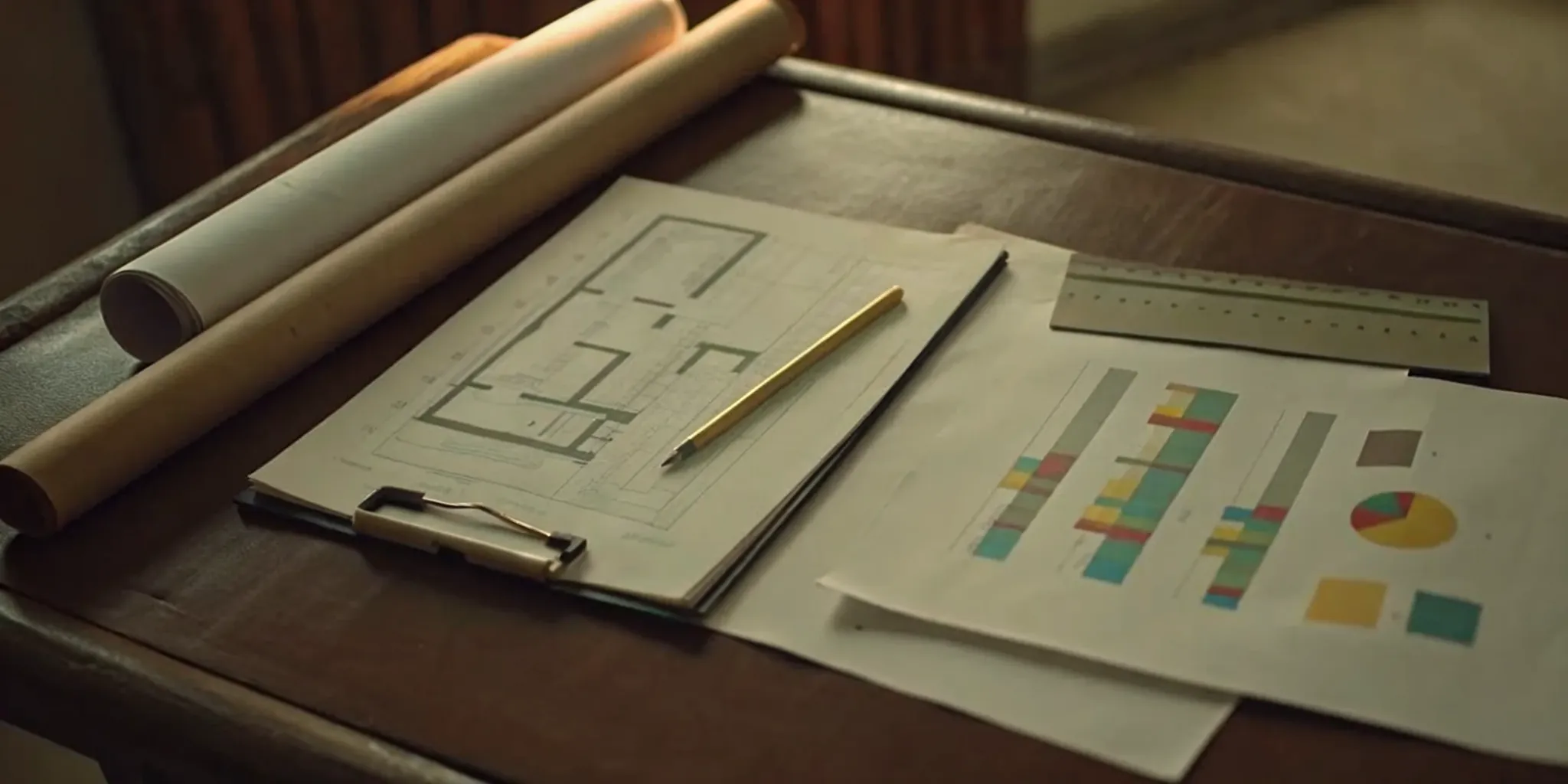
Think of a bathroom remodel estimate as the financial roadmap for your project. It’s much more than just a single number scribbled on a piece of paper. A proper estimate is a detailed breakdown of all the anticipated costs, giving you a clear picture of where your money will go. It outlines everything from the big-ticket items like a new vanity and bathtub to the smaller details like grout and drawer pulls.
A comprehensive estimate from a professional contractor will typically include line items for materials, labor, and any other expenses that might pop up, like permit fees or debris removal. This document is your first and most important tool for planning. It helps set realistic expectations and serves as a baseline for comparing different contractor bids. Getting a handle on this from the start is the key to a renovation that feels organized and under control, rather than chaotic and stressful.
Why an Accurate Estimate Matters
An accurate estimate is the foundation of a successful bathroom remodel. It’s what stands between you and those dreaded, budget-busting surprises halfway through the project. When an estimate is thorough, it accounts for all the materials and supplies needed, helping you understand the full financial commitment before you even begin. This clarity is crucial for careful planning and budgeting, ensuring your vision for a spa-like retreat doesn’t turn into a financial headache. It empowers you to make informed decisions, allocate your funds wisely, and move forward with confidence, knowing you have a solid plan in place.
The Different Types of Estimates You'll See
As you start collecting bids, you’ll likely encounter two main types of estimates. The first is a fixed-price estimate, which provides one total cost for the entire project as outlined in the scope of work. This is great for homeowners who want budget certainty. The second is a time-and-materials estimate, where you’re billed for the actual hours of labor and the cost of materials used. This can offer more flexibility if the scope changes, but it comes with less cost predictability. Regardless of the type, a quality estimate should always include a detailed breakdown of costs. This transparency allows you to see exactly how your project is priced and is a key part of how Realm helps you compare bids effectively.
What's Included in a Professional Estimate?
A professional estimate is much more than a single number at the bottom of a page. Think of it as the roadmap for your entire renovation. It should be a detailed, itemized document that clearly explains where your money is going, from the cost of a single tile to the hourly rate for the plumber. This transparency is the foundation of a good working relationship with your contractor and is essential for keeping your project on track. A vague, one-page quote is often a red flag. You want a breakdown that gives you a complete picture of the project scope and costs.
A comprehensive estimate empowers you to make informed decisions and compare different bids accurately. When you can see everything laid out, you can spot where costs might be inflated or where a contractor might have missed something important. At Realm, we help homeowners get this level of clarity by working with our network of vetted professionals who provide transparent, detailed proposals. Understanding the key components of an estimate is the first step toward a successful and stress-free bathroom remodel.
Labor Costs
Labor is often the single largest expense in a bathroom remodel, and for good reason. This line item covers the cost of every skilled professional who will work on your project—the demolition crew, plumbers, electricians, tile setters, painters, and installers. According to NerdWallet, labor costs can be a big part of the total price, from 40% to 65%. A detailed estimate should break down these costs, so you can see how much time and expertise is allocated to each part of the job. This isn't just about paying for someone's time; it's about paying for their experience, precision, and ability to do the job right the first time.
Materials and Fixtures
This is the part of the estimate where your personal style really comes into play. The materials and fixtures category includes everything from the big-ticket items like the vanity, bathtub, and toilet to the smaller details like faucets, lighting, floor tiles, and paint. Your choices here will have a major impact on the final cost. A professional estimate will either list the specific products you’ve already selected or provide an "allowance" for each category. An allowance is a set budget for an item, giving you the flexibility to choose a product you love within that price range. Make sure these allowances are realistic for the quality you expect.
Permits and Inspection Fees
If your remodel involves moving walls or changing the plumbing or electrical systems, you will almost certainly need a permit from your local building department. This is a crucial step that ensures all work is done safely and meets local building codes. Permit costs can vary widely depending on your location and the scope of your project, but NerdWallet suggests they can cost anywhere from $100 to $1,500. Your contractor should handle the entire permitting process, from filing the paperwork to scheduling the necessary inspections. This fee should be clearly listed in your estimate so there are no surprises down the road.
Project Timeline and Phases
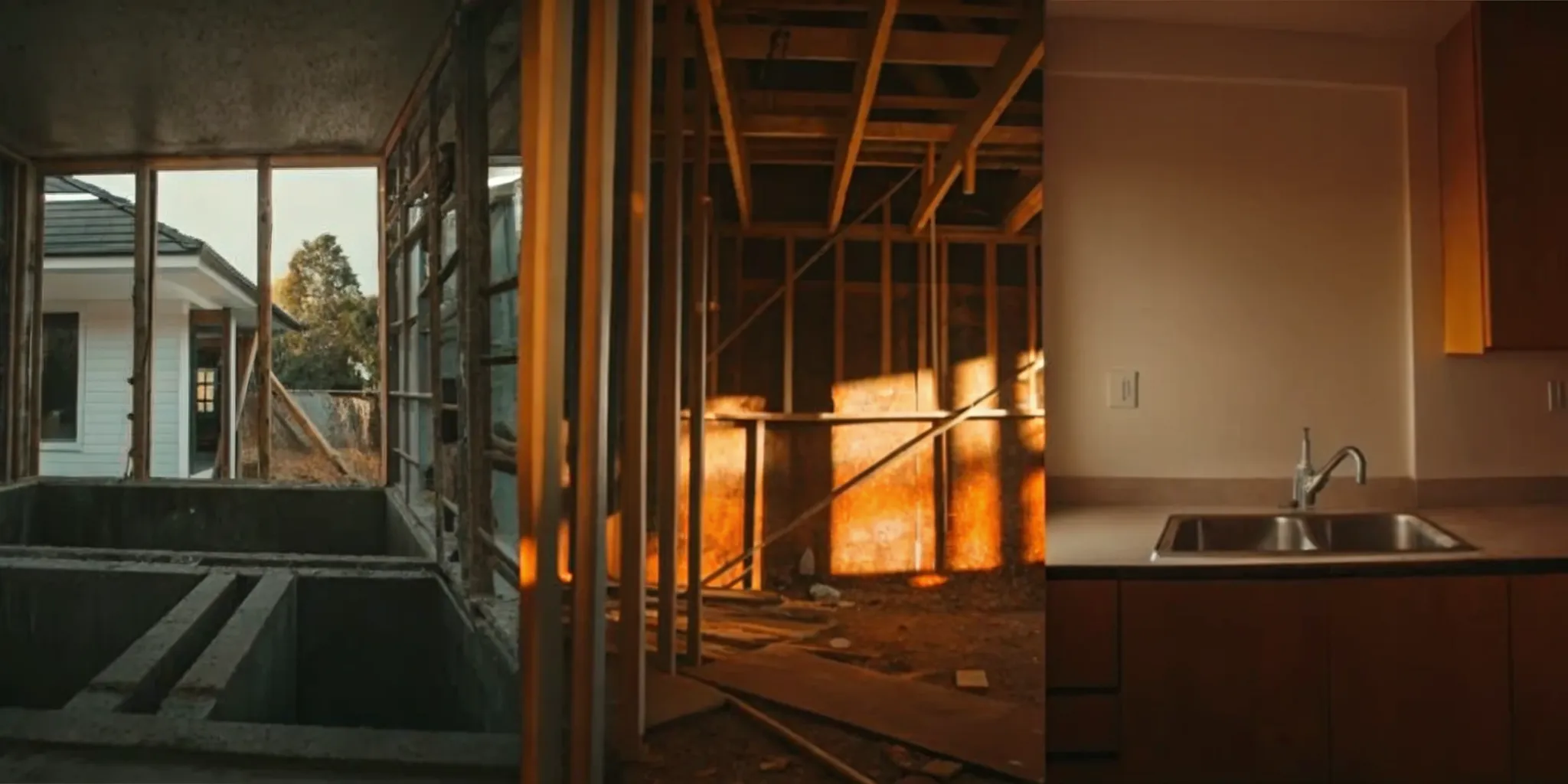
A professional estimate isn't just about money; it's also about time. The document should include a projected timeline that outlines the key phases of the project. This schedule typically starts with demolition and moves through rough-in work for plumbing and electrical, inspections, drywall and tile installation, and finally, the installation of fixtures and finishes. A full bathroom remodel usually takes about four to seven weeks from start to finish, according to Moon Invoice. Having a clear timeline helps you prepare for the disruption and gives you a benchmark for tracking the project's progress.
Contingency and Other Fees
Even the best-planned projects can have surprises. A contingency fund is a safety net for unexpected issues, like discovering hidden water damage or old wiring that needs to be replaced. Most professionals recommend setting aside an extra 10% to 20% of the total project cost for these "what-ifs." Some contractors will include a contingency line item in their estimate, while others will advise you to keep it separate. Your estimate should also account for other fees like debris removal and site cleanup. Be wary of any bid that seems too good to be true, as it may rely on low-quality materials or include hidden fees that appear later.
What Factors Affect Your Remodel's Cost?
When you start looking at bathroom remodel estimates, you'll quickly see that no two are exactly alike. That's because several key factors influence the final price tag. Understanding these variables will help you decode any estimate you receive and give you a better sense of where your money is going. Let's break down the biggest cost drivers you'll encounter.
Bathroom Size and Layout
The size of your bathroom is a major factor in your total cost. A larger space requires more materials and more hours of labor. Beyond square footage, the layout itself plays a huge role. Keeping your toilet, sink, and shower in their current spots will save you a considerable amount. The moment you decide to reconfigure the layout, costs climb, as moving plumbing and electrical lines requires skilled, expensive labor.
Quality of Materials and Finishes
This is where your personal style and budget really come into play. The materials and finishes you choose can cause the total cost to swing dramatically. For example, simple ceramic tile is much more affordable than high-end marble, and a stock vanity costs a fraction of a custom-built piece. From faucets to flooring, every choice has a price tag. This is also the area where you have the most control, helping you create a beautiful space that fits your financial plan.
Scope of Plumbing and Electrical Work
Changes to your bathroom’s plumbing or electrical systems will directly impact your estimate. Simple updates, like swapping a faucet, are straightforward. However, complex jobs like converting a tub to a walk-in shower or adding heated floors add up quickly. These tasks require licensed professionals and often involve opening up walls, which adds to labor costs. Your estimate should clearly outline these specialized labor costs so you aren’t caught by surprise.
Your Home's Location
Where you live matters when it comes to renovation costs. Labor rates, material prices, and permit fees vary significantly by city. A project in the San Francisco Bay Area will almost always cost more than the same project in Sacramento, for example. Local building codes can also affect the scope of work. This is why getting an estimate from a contractor who understands your market is so important. We work with a network of vetted local professionals who have deep knowledge of regional pricing, ensuring your estimate is realistic.
Sample Bathroom Remodel Estimates: A Breakdown
Seeing real numbers can help you ground your bathroom renovation dreams in reality. While every project is unique, looking at sample estimates for basic, mid-range, and high-end remodels gives you a clearer picture of what to expect. Costs can vary widely based on your location, the size of your bathroom, and the materials you choose, but these general tiers provide a helpful starting point for your budget.
Think of these numbers as a guide, not a guarantee. A basic renovation focuses on cosmetic updates, a mid-range project involves replacing major fixtures without changing the layout, and a high-end remodel opens the door to custom features and a whole new floor plan. Understanding where your vision fits can help you have more productive conversations with contractors and make sure your project plan aligns with your financial goals from day one. Let’s walk through what you might expect to spend at each level.
A Look at a Basic Renovation
A basic or cosmetic renovation is perfect for giving your bathroom a fresh look without major demolition. This typically involves projects like painting, replacing a vanity, updating light fixtures, or installing a new toilet. You’re keeping the existing layout and plumbing exactly where they are. For a small full bathroom (around 40 square feet), you can expect the cost to average around $5,000, though the range can fall anywhere between $2,500 and $10,000. A smaller half-bath update will have a similar price tag, usually landing somewhere between $3,000 and $10,000. This is a great option for a quick, high-impact refresh.
A Look at a Mid-Range Remodel
A mid-range remodel goes a step beyond cosmetics. Here, you’re likely replacing most or all of the fixtures, such as the tub, tile, toilet, and vanity, but you’re still keeping the original layout to avoid the cost of moving plumbing or electrical lines. This level of renovation often involves better-quality materials and can make a huge impact on your home’s value. For a full update, homeowners can expect to spend between $12,000 and $15,000. It’s a smart investment, as mid-range bathroom remodels can recoup a significant portion of their cost when you sell your home.
A Look at a High-End Remodel
If you’re dreaming of a spa-like retreat with luxury materials and a custom layout, you’re looking at a high-end remodel. This could involve expanding the bathroom’s footprint, moving walls, relocating plumbing for a freestanding tub or a walk-in shower, and installing premium features like heated floors or custom cabinetry. A full bathroom remodel using high-quality materials but keeping the same layout can fall between $18,000 and $30,000. However, for a truly luxurious renovation with significant structural changes, costs can easily soar past $100,000. This is where you can really bring a custom vision to life.
How to Read the Line Items
When you receive an estimate, the total cost is only part of the story. A professional bid should include a detailed breakdown of every expense. Pay close attention to the line items to understand exactly where your money is going. Labor is a huge factor, often making up 40% to 65% of the total project price. Your estimate should also clearly list all materials and supplies, from the big-ticket items like the tub and vanity down to the tile, grout, and paint. A transparent, itemized estimate is a sign of a trustworthy contractor and helps prevent surprises down the road.
How to Create Your Own Estimate
Before you start collecting bids from contractors, it’s a great idea to create your own rough estimate. Think of this as your project homework. It helps you understand the potential scope of your remodel, set a realistic budget, and have more informed conversations with the professionals you eventually hire. This isn't about getting a number that's accurate down to the last penny; it's about building a solid foundation for your project so you can feel confident in your decisions.
Putting together your own estimate forces you to think through every detail, from the type of tile you love to the finish on your new faucet. This process helps you clarify your vision and identify your priorities. When you know what you want and have a general idea of the costs, you’re in a much better position to evaluate contractor bids and ensure they align with your expectations. A little prep work now can save you a lot of stress and confusion later. At Realm, our renovation advisors can help you refine this initial budget, but starting with your own research is an empowering first step.
Measure Your Space and Document Everything
Grab a tape measure and a notebook, because your first step is to get familiar with your bathroom’s dimensions. Measure the floor area, the height of the walls, and the space where key fixtures like the vanity, toilet, and shower will go. An accurate estimate accounts for all the materials needed, so be thorough. Are you tiling a shower wall? Measure its square footage. Planning for a new vanity? Note its width, depth, and height.
Beyond measurements, make a detailed list of everything you want to change. This includes big-ticket items like the tub and toilet, as well as smaller details like lighting, hardware, and paint. Taking photos of your current space can also help you visualize the changes and communicate your ideas clearly to a contractor.
Research Local Material and Labor Costs
The cost of a bathroom remodel can vary dramatically based on where you live and the materials you choose. Start by researching prices for the items on your list. Visit local home improvement stores or browse online suppliers to get a feel for the cost of tile, vanities, faucets, and lighting. For labor, you can look up average costs in your area. As a general rule, many experts suggest budgeting around $70 to $250 per square foot for a remodel. This range gives you a starting point that you can adjust as you select higher-end or more budget-friendly finishes for your project.
Use Professional Templates and Tools
You don’t have to create your estimate from scratch. There are plenty of free resources available to help you organize your numbers and make sure you don’t miss anything important. Look for a simple bathroom renovation estimate template online, which you can often download as a spreadsheet. These templates typically have line items for every possible expense, from demolition and plumbing to fixtures and paint. Using a structured format like this makes the process feel less overwhelming and helps you build a comprehensive budget that covers all your bases, ensuring a much smoother renovation process from start to finish.
Add a Contingency Fund for Surprises
One of the most important parts of any renovation budget is the contingency fund. This is money you set aside specifically for unexpected issues that might pop up once the work begins. When you open up walls, you might find old plumbing that needs replacing or hidden water damage that has to be addressed. Without a buffer, these surprises can derail your project. A good rule of thumb is to add 10% to 20% of your total estimated cost as a contingency. It’s far better to have the funds and not need them than to need them and not have them.
Common Mistakes to Avoid When Reviewing Estimates
Getting estimates in hand feels like a huge step forward, but the real work is in the review. This is where you can spot potential problems before they start and ensure you’re partnering with the right professional for your project. It’s easy to get overwhelmed by the numbers and line items, but knowing what to look for can save you from major headaches down the road. Let’s walk through some of the most common pitfalls homeowners encounter and how you can sidestep them.
Don't Choose Based on Price Alone
It’s tempting to jump on the lowest bid, but this is one of the biggest mistakes you can make. A price that seems too good to be true often is. Rushing into a bathroom remodel without a solid plan and a quality partner can lead to unexpected costs, delays, and frustration. An unusually low estimate might signal that a contractor is using cheaper materials, cutting corners on labor, or has misunderstood the project's scope. Instead of focusing only on the bottom line, look for the best value. This means finding a contractor who offers fair pricing, quality workmanship, and clear communication. A slightly higher bid from a reputable, vetted professional is a much better investment than a lowball offer that leads to costly fixes later.
Watch for Vague or Missing Details
A good estimate is a detailed one. If you receive a bid with vague, lump-sum figures for "labor" or "materials," press for a more thorough breakdown. Starting a project without a clear, itemized plan can lead to misunderstandings and miscommunications. Your estimate should read like a recipe for your new bathroom, listing every component from demolition and plumbing rough-ins to the specific tile, fixtures, and paint you’ve chosen. This level of detail protects both you and the contractor, ensuring everyone is on the same page about the scope of work. A customized project plan is the foundation of a successful remodel, and it starts with a transparent estimate.
Look Out for Hidden Costs and Change Orders
Even the most detailed plan can encounter surprises. Homeowners often overlook the potential for hidden costs and change orders that can significantly increase the final bill. A change order is a formal document that outlines any deviation from the original contract, whether it’s a design change you requested or an unexpected issue, like finding mold behind a wall. Before signing a contract, ask how the contractor handles these situations. Their process should be clearly outlined in the estimate. A good contractor will also encourage you to set aside a contingency fund—typically 10% to 20% of the total project cost—to cover these unforeseen expenses without derailing your budget.
How to Compare Multiple Contractor Bids
Once you have a few estimates in hand, the real work begins. It’s tempting to just scan for the lowest number, but comparing contractor bids is about much more than the bottom line. You’re not just buying materials and labor; you’re choosing a partner who will be in your home for weeks or even months. A thorough comparison ensures you understand exactly what you’re paying for and helps you find a professional you can trust.
The goal is to find the best value, which is the sweet spot where price, quality, and service meet. Taking the time to carefully review each proposal will save you from headaches, unexpected costs, and disappointment down the road. Think of it as the final step in your research phase before the exciting work of demolition and construction gets underway.
How to Make a True Apples-to-Apples Comparison
To compare bids fairly, you need to make sure every contractor is quoting the exact same project. The best way to do this is by giving each one an identical, detailed scope of work. When you receive their estimates, sit down and review them line by line. Make sure you understand every item so you know exactly what you're paying for. If one bid lists "install vanity" and another details "install 48-inch double vanity with quartz countertop and undermount sinks," the second one is giving you a much clearer picture. Aim to get multiple quotes; talking to three or four different contractors is a great way to understand the market rate for your project.
What to Look for Besides the Bottom Line
While the final price is important, it doesn’t tell the whole story. A bathroom remodel is an investment that can make your home more valuable, so focus on long-term quality. Pay close attention to the breakdown of costs. Labor can make up 40% to 65% of the total price, so see how each contractor allocates these hours. Also, check for permit fees, which can run from a hundred dollars to over a thousand. Does the contractor include pulling permits in their fee, or is that something you’ll have to handle? A detailed proposal should also include a project timeline, payment schedule, and information on warranties. These details show a contractor’s professionalism and respect for your time and investment.
Red Flags to Spot and Questions to Ask
Be cautious of any bid that comes in significantly lower than the others. If a price seems too good to be true, it probably is. These "great deals" often rely on low-quality materials, inexperienced labor, or have hidden fees that will pop up later. On the other hand, the highest bid doesn’t automatically guarantee the best work. Don’t be afraid to ask questions. Inquire about their process for change orders, their licensing and insurance, and who the direct point of contact will be. A trustworthy contractor will be happy to provide clear answers. And remember, you can always negotiate costs—a reasonable discussion can often lead to a better price or clearer terms.
Where to Find a Reliable Contractor
Once you have a handle on what a good estimate looks like, the next step is finding the right person for the job. This is arguably the most critical part of your remodel. The right contractor can make the entire process smooth and successful, while the wrong one can lead to delays, budget overruns, and a lot of stress. One of the biggest errors homeowners make is rushing into a bathroom remodel without a well-thought-out plan, and a huge part of that plan is securing a professional you can trust.
Finding a great contractor isn't about luck; it's about doing your homework. You need someone with the right skills, a solid reputation, and a communication style that works for you. This is a partnership, and you want to be sure you’re choosing the right partner to bring your vision to life. Taking the time to carefully vet your options will pay off in the long run, giving you peace of mind and a finished bathroom you absolutely love.
Vet Potential Contractors and Check Their References
Before you even think about signing a contract, it’s time to do some digging. Start by confirming that any potential contractor is licensed, bonded, and insured in your state—this is non-negotiable. From there, look for online reviews on sites like Yelp, Houzz, and Google, but don’t stop there. The most valuable insights come from past clients. Ask every contractor for at least three recent references and actually call them. Ask about their experience with communication, timeliness, budget adherence, and the quality of the final work. This step helps you build a complete picture of who you’ll be working with and avoid any unwelcome surprises down the road.
Why You Should Always Get Multiple Bids
Never go with the first estimate you receive, even if it seems perfect. Getting multiple quotes is essential because it allows you to compare not just prices, but also the scope of work, proposed materials, and timelines. This process helps you understand the fair market rate for your project and highlights any outliers—bids that are suspiciously low or excessively high. Reviewing different bids side-by-side gives you a clearer understanding of what’s possible and ensures you find the best fit for your budget and needs. It’s a crucial step in making an informed and confident decision for your home.
How a Renovation Advisor Simplifies the Process
Feeling overwhelmed by the process of finding and vetting contractors? This is where an expert can make a world of difference. A renovation advisor acts as your personal guide, helping you navigate the complexities of your project from start to finish. At Realm, your dedicated advisor helps you source bids from our network of vetted local professionals and provides an apples-to-apples comparison so you can clearly see the differences. They help you ask the right questions, understand the fine print, and select a contractor with confidence, ensuring your project stays on track and within budget.
How to Stay on Budget During Your Remodel
Keeping your project's finances on track is one of the biggest challenges of any renovation, but it’s completely achievable with the right strategy. A detailed estimate is your roadmap, but sticking to it requires a mix of smart planning, strategic decision-making, and a clear process for handling the unexpected. Think of it less as a rigid set of rules and more as a flexible framework for guiding your choices. By focusing on where your money makes the most impact and having a plan for surprises, you can manage your budget effectively and still create a bathroom you love.
Smart Ways to Save Without Sacrificing Quality
You don’t have to compromise on quality to save money. Often, the biggest savings come from clever, strategic decisions. One of the most effective ways to cut costs is to keep your bathroom's existing layout. Moving plumbing, drains, or walls is a complex job that can quickly inflate labor costs. Instead, focus on cosmetic updates that make a big impact. Consider refinishing your existing bathtub or shower base rather than replacing it entirely—a good reglazing can make it look brand new for a fraction of the cost. Similarly, opting for a high-quality, ready-made vanity or shower unit is almost always more affordable than building a custom-tiled version from scratch.
Know When to Splurge vs. Save
A successful bathroom remodel budget is all about priorities. Decide where you want to invest for the biggest impact and where you can be more frugal. It’s wise to allocate a larger portion of your budget to foundational elements that prevent future problems. For example, investing in high-quality waterproofing, plumbing fixtures, and professional installation for your shower or tub area can save you from costly water damage repairs down the road. You can balance this by saving on things that are easier to update later, like paint, decorative lighting, or hardware. Expert guidance can be invaluable here, helping you identify which splurges offer the best long-term value for your home.
How to Handle Unexpected Costs and Changes
Even with the most meticulous plan, surprises can happen. The best way to manage them is to be prepared. This starts with a detailed plan and a contractor who provides a transparent, line-by-line estimate. Make sure you understand exactly what’s included so there are no misunderstandings later. It’s also why having a contingency fund of 10% to 20% of your total budget is non-negotiable. This fund is your safety net for hidden issues, like old plumbing or water damage behind the walls. If a change order is necessary, make sure you get the new cost in writing before approving the work to maintain control over your budget.
Frequently Asked Questions
Why is my contractor's estimate so detailed? Isn't a single price simpler? A detailed, itemized estimate is actually a sign of a thorough and professional contractor. While a single number might seem simpler, it hides all the important information. A line-by-line breakdown shows you exactly where your money is going, from the cost of the plumber to the price of the tile. This transparency is your best tool for preventing surprise costs and for fairly comparing different bids to see who is offering the best value.
What's the single biggest thing I can do to keep my remodel costs down? If you want to make a significant impact on your budget, keep your bathroom's existing layout. The most expensive parts of a remodel often involve moving plumbing pipes, drains, and electrical wiring. By keeping your toilet, sink, and shower in their current locations, you avoid a huge amount of complex and costly labor, allowing you to spend more on the finishes and fixtures you love.
Is it really necessary to have a contingency fund? Yes, absolutely. Think of it as project insurance. Even with a perfect plan, unexpected issues can arise once walls are opened up, especially in older homes. You might find outdated plumbing, hidden water damage, or electrical wiring that isn't up to code. A contingency fund of 10% to 20% of your total budget ensures that these surprises don't derail your project or force you to make compromises on your vision.
I received three different bids with very different prices. Should I just go with the cheapest one? It's tempting, but choosing the lowest bid without careful consideration is one of the most common mistakes homeowners make. An unusually low price can be a red flag for cheaper materials, inexperienced labor, or a misunderstanding of the project's scope. Instead of focusing only on the price, look for the best overall value. A fair price from a reputable, well-vetted professional is a much smarter investment in the long run.
Besides the price, what's the most important thing to look for when comparing estimates? Look for signs of professionalism and a clear plan. A quality estimate should include more than just costs; it should also outline a projected timeline, a payment schedule, and information about warranties. These details show that the contractor has a solid process and respects your time and investment. It proves they are running a serious business and are prepared to be a reliable partner throughout your project.