How to Estimate a Bathroom Remodel: A Full Breakdown
Get practical tips on how to estimate a bathroom remodel, from budgeting for materials and labor to avoiding hidden costs and planning your project with confidence.
|
December 10, 2025
In this article:
When you decide to remodel your bathroom, you become the CEO of the project. And like any good CEO, you need a solid business plan—your budget. Knowing how to estimate a bathroom remodel gives you the confidence to hire the right team, ask the right questions, and stay in control of the entire process. It transforms you from a passive observer into an informed decision-maker. This guide will give you the essential knowledge you need to understand contractor quotes, identify the biggest expenses, and avoid common budgeting mistakes, ensuring you get the quality and value you expect from your investment.
Key Takeaways
- Plan for both the expected and unexpected: A successful remodel starts with a clear budget that separates your must-haves from your nice-to-haves. Always include a 15-20% contingency fund to cover unforeseen issues like old plumbing or hidden water damage without derailing your project.
- Your biggest budget decisions are layout and materials: Keeping your bathroom's existing footprint is the single most effective way to control costs. After that, your choice of tile, fixtures, and vanities offers the most flexibility to either splurge on a statement piece or save with stylish, affordable alternatives.
- Vet your professionals to find the right partner: Don't just collect numbers; get at least three detailed, itemized quotes to compare. This process is less about finding the cheapest bid and more about finding a trustworthy contractor who communicates clearly and provides a transparent scope of work.
What Determines Your Bathroom Remodel Cost?
Figuring out a realistic budget for your bathroom remodel starts with understanding where the money actually goes. It’s not just one big number; it’s a combination of several key factors that can swing your total cost by thousands of dollars. From the size of your room to the shine on your faucets, every choice has a price tag attached. Breaking down these elements will help you see what’s driving the cost and where you have room to save. Let’s walk through the four main components that will shape your final budget.
The Size of Your Space
It might seem obvious, but the square footage of your bathroom is one of the biggest factors in your total cost. A larger space simply requires more materials—more tile, more flooring, more paint—and more labor hours to get the job done. A small powder room refresh will naturally cost less than a full primary bathroom overhaul. To give you an idea, a typical bathroom remodel cost can range from about $6,600 to over $18,000, with luxury projects easily surpassing that. Think of it this way: every extra square foot adds to the bill for materials and the time it takes for a pro to install them.
Layout and Structural Changes
Are you happy with where your toilet, sink, and shower are, or are you dreaming of a completely new floor plan? Keeping your existing layout is the most budget-friendly approach. As soon as you decide to move plumbing or electrical fixtures, the complexity and cost of your project increase significantly. Rerouting pipes and wires behind walls and under floors is intensive work that requires licensed plumbers and electricians. In fact, changing the layout can add $5,000 or more to your project total. Before you commit to moving that vanity, consider if the functional improvement is worth the extra investment.
Your Choice of Materials and Fixtures
This is where your personal style comes into play—and where you have the most control over your budget. The materials and fixtures you select can create a huge range in cost. For example, a standard ceramic tile is far more affordable than high-end marble. A pre-fabricated vanity from a big-box store will cost a fraction of a custom-built cabinet. A great example is the shower: a simple prefab shower kit can be installed for under $2,000, while a custom-tiled, walk-in shower with a frameless glass door can easily exceed $10,000. This is your chance to decide where to splurge and where to save.
Labor and Professional Fees
Unless you’re a seasoned DIYer, you’ll be hiring professionals, and their labor will make up a huge portion of your budget. Labor typically accounts for 40% to 65% of the total project cost. This includes the work of your general contractor, who manages the project, as well as subcontractors like plumbers, electricians, and tile setters. A general contractor usually charges between 10% and 20% of the total project cost for their management services. While it might be tempting to go with the lowest bid, remember that quality work from vetted professionals prevents costly mistakes and ensures your new bathroom is built to last.
How to Calculate Your Bathroom Remodel Cost
Alright, let’s get down to the numbers. Estimating your remodel cost doesn’t have to be a complete guessing game. While every project is unique, you can get a solid idea of the investment required by approaching it from a few different angles. Using these methods will help you build a realistic budget and start conversations with professionals on the right foot. Think of it as creating a financial roadmap for your project, ensuring you know where you’re headed before you start the journey.
Break Down Costs by Category
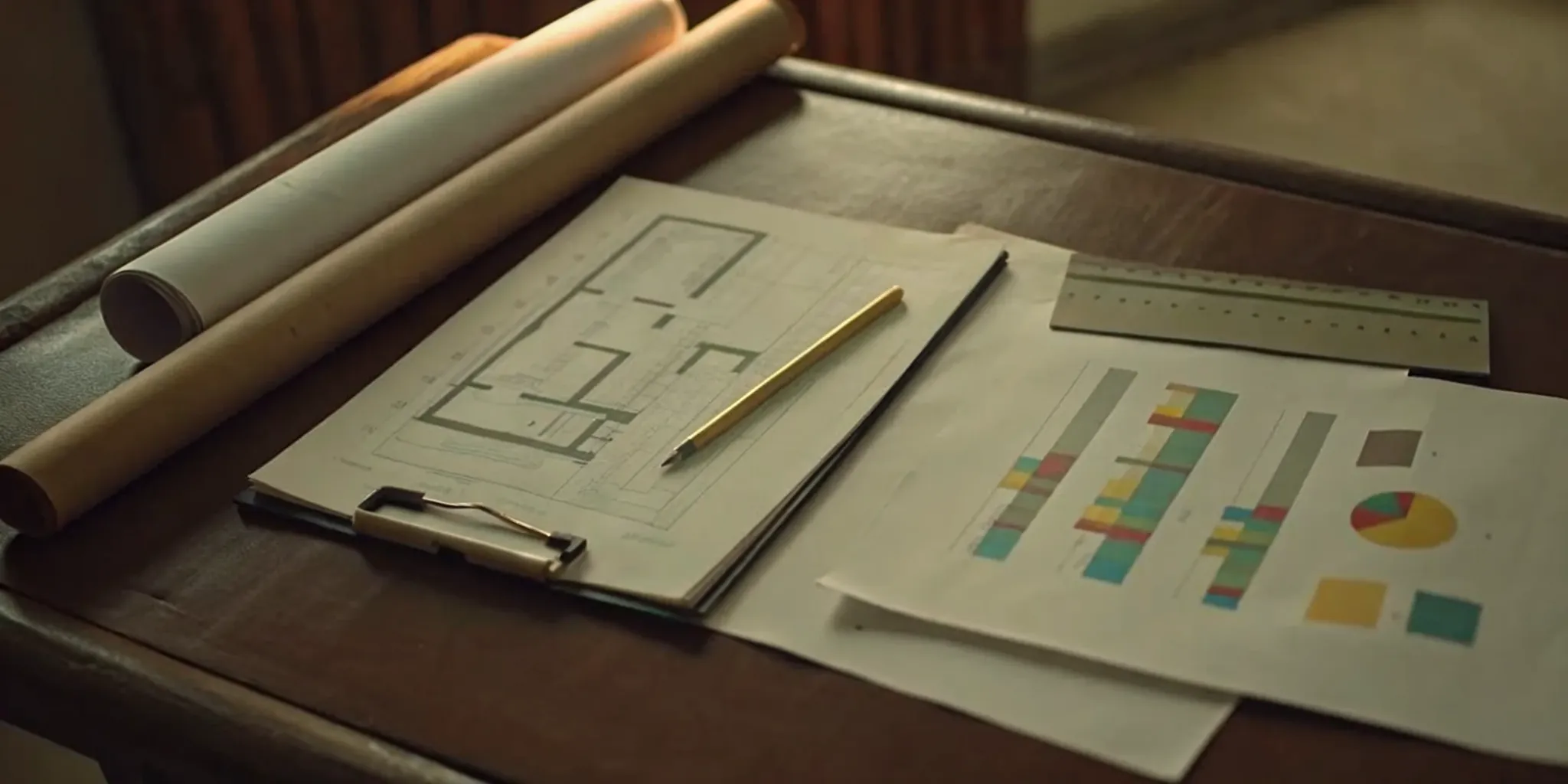
The most thorough way to estimate your budget is to break it down into specific line items. Start by listing all the potential expenses, from the big-ticket items to the smaller details. Labor is almost always the largest piece of the puzzle, typically making up 40% to 65% of your total project cost. After that, you’ll have materials like tile, fixtures, and a new vanity. Don’t forget to account for permits, which can vary widely depending on your project’s scope. Finally, the most important line item might be the one you hope you never use: a contingency fund. Set aside an extra 10% to 15% of your budget for any surprises, like uncovering old water damage or needing to update plumbing.
Estimate by the Square Foot
If you’re looking for a quicker way to get a ballpark figure, estimating by the square foot is a great starting point. This method helps you understand the general cost range for a project like yours in your specific area. Typically, a bathroom remodel’s cost per square foot can fall anywhere between $70 and $250. The final number depends heavily on the complexity of the job and the quality of materials you choose. For example, a simple powder room refresh will be on the lower end, while a primary bathroom overhaul with high-end finishes will be on the higher end. Simply multiply your bathroom’s square footage by a rate that reflects your project’s goals to get a rough estimate.
Get Multiple Contractor Quotes
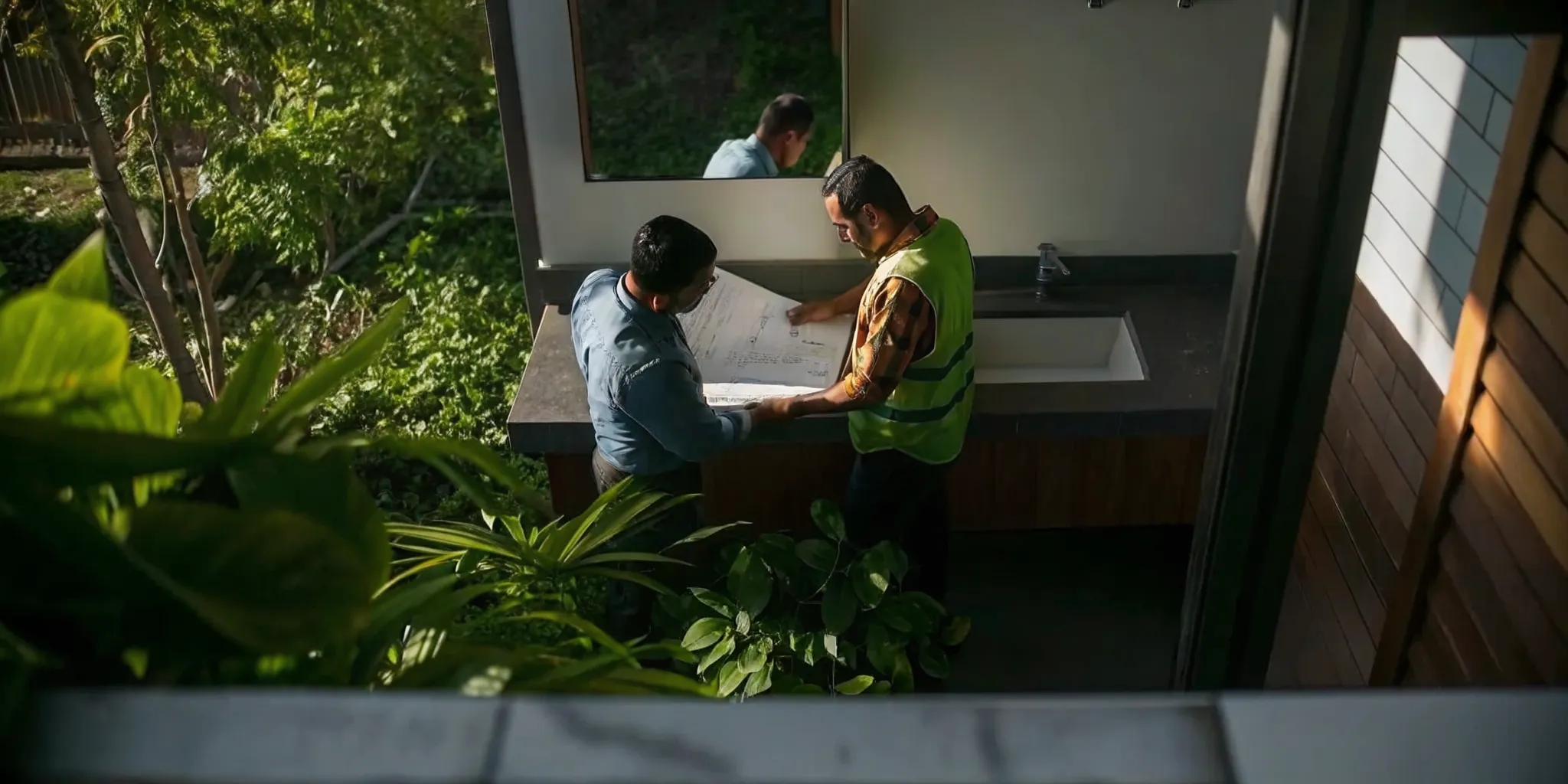
Once you have a preliminary budget, it’s time to bring in the professionals. This is the most critical step for getting an accurate, real-world number for your project. You should aim to get at least three detailed quotes from different local contractors. Comparing bids doesn’t just help you find a fair price; it also gives you a feel for each contractor’s communication style and professionalism. Each quote should clearly outline the scope of work, material allowances, and labor costs. This process is essential for finding the right team and ensuring there are no misunderstandings down the line. A trustworthy contractor will be transparent and willing to walk you through every part of their estimate.
Typical Bathroom Remodel Costs by Scope
One of the best ways to get a handle on your potential budget is to think about your project in terms of scope. Are you planning a simple cosmetic refresh, a more involved update, or a complete gut renovation? Each level of work comes with a different price tag. Understanding where your project fits can help you set realistic expectations from the start.
Here’s a look at typical cost ranges based on three common project scopes, which can help you create a more accurate estimate for your own renovation.
Basic Remodel: $5,000–$15,000
A basic or cosmetic remodel is perfect if your bathroom's layout works well but the style feels dated. This scope focuses on surface-level changes that make a big impact without major demolition. Think of it as a significant refresh rather than a total overhaul.
In this budget range, you can typically afford to paint the walls, replace the vanity and sink, install a new toilet, and update fixtures like the faucet, lighting, and showerhead. According to Angi, a remodel for a small full bathroom usually falls between $6,000 and $15,000. This approach is a cost-effective way to update your space without touching the plumbing or electrical systems.
Mid-Range Remodel: $15,000–$30,000
If your plans are a bit more ambitious, you’re likely looking at a mid-range remodel. This is the most common type of project, where you start to replace major elements and invest in better-quality materials. This scope often involves replacing the tub or shower, installing new floor or wall tile, and upgrading to a stone countertop.
A mid-range project gives you the flexibility to address both functional and aesthetic issues. You might convert a tub into a walk-in shower or install a double vanity for more storage. While you probably won’t be moving walls, this budget allows for more substantial upgrades that can completely change the look and feel of your bathroom.
High-End Remodel: $30,000+
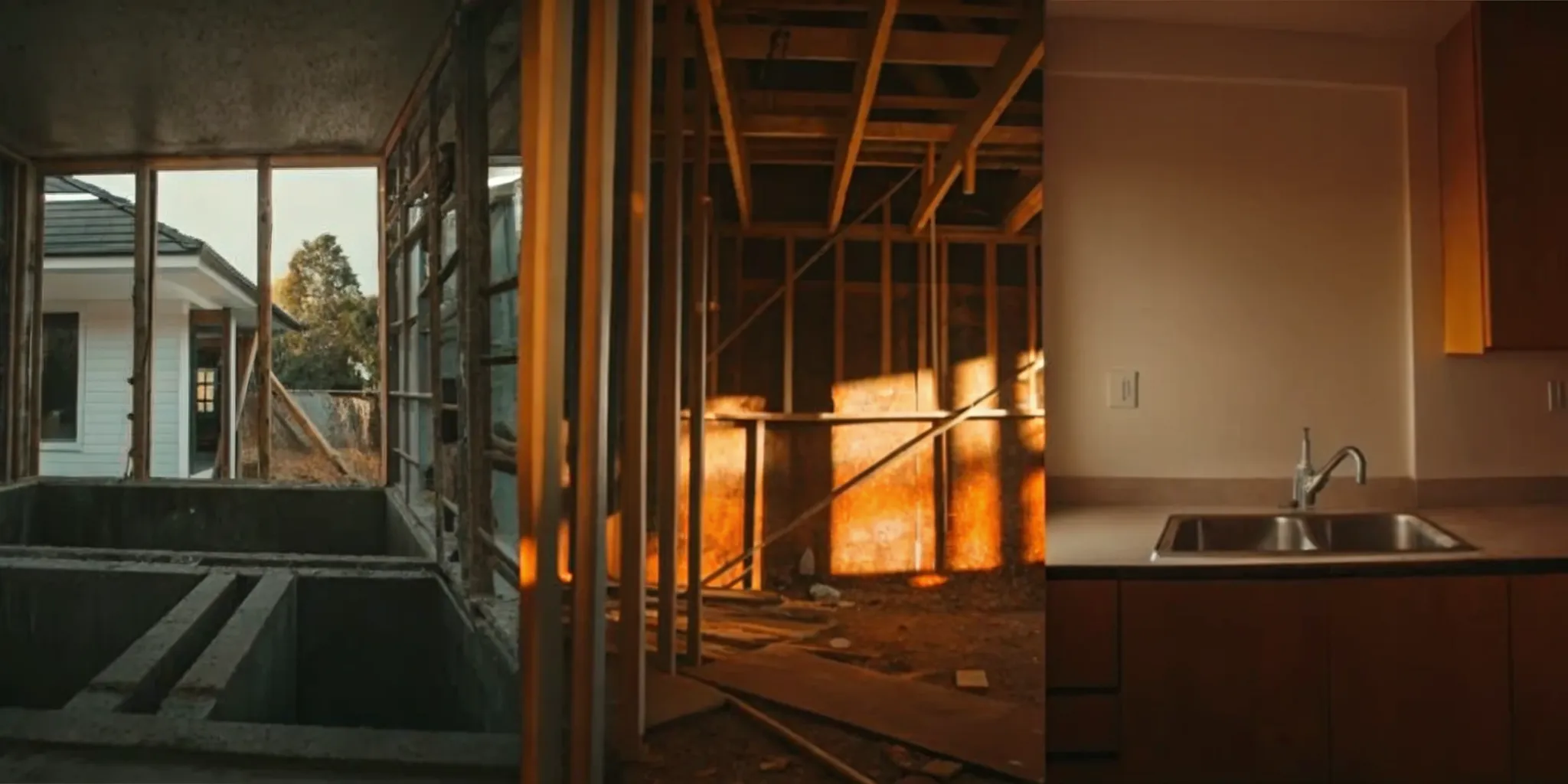
A high-end remodel is a full-scale renovation that often starts with gutting the space down to the studs. This is where you can truly customize the bathroom to your exact specifications, including changing the layout, moving plumbing, and adding luxury features. Costs typically start at $30,000 and can easily exceed $80,000 for large, premium projects.
This budget allows for high-end materials like natural stone, custom cabinetry, and designer fixtures. You can also incorporate features like heated floors, a steam shower, or smart home technology. For a project of this complexity, having expert guidance is essential to manage all the moving parts, from design and permitting to construction.
The Biggest Expenses in a Bathroom Remodel
When you start planning your bathroom remodel, you'll notice a few key areas tend to claim the biggest slice of the budget. Understanding these major expenses from the get-go helps you allocate your funds wisely and avoid sticker shock down the line. From the pipes behind the walls to the vanity you see every day, let's break down where your money is most likely to go so you can create a realistic plan for your project.
Plumbing and Electrical
What’s behind the walls is often one of the most significant and unpredictable costs. If your remodel involves moving a toilet, shower, or sink, you’ll need to budget for rerouting the plumbing. The same goes for electrical work if you’re adding new outlets or light fixtures. Labor costs can account for a large portion of your total bill, with plumbers and electricians typically charging between $50 and $150 per hour. While keeping your existing layout is the most budget-friendly option, moving fixtures can dramatically improve functionality, so it’s worth weighing the cost against the long-term benefits for your daily routine.
Tile and Flooring
Tile and flooring set the entire tone for your bathroom, but they also represent a major expense. The cost isn't just in the materials; installation is labor-intensive and requires precision. On average, you can expect to pay for new flooring and professional installation, while retiling a bathroom can range from $10 to $50 per square foot. High-end materials like natural stone will be on the pricier side, while ceramic or porcelain tiles offer a durable and more affordable alternative. This is an area where your material choices have a direct and significant impact on your bottom line, so it’s a great place to balance your aesthetic goals with your budget.
Custom Vanities and Cabinets
Storage is essential in any bathroom, and your vanity and cabinets are central to the room’s design and function. This is another area where costs can vary dramatically. New cabinets can range from a few hundred dollars for a stock unit to tens of thousands for a fully custom piece. If you’re dreaming of a bespoke vanity with specific dimensions, unique materials, or specialized storage, be prepared to allocate a larger portion of your budget here. Opting for a pre-fabricated vanity from a big-box store is a common way to save money, but a custom design can give you the exact look and functionality you need for your space.
High-End Fixtures and Finishes
The final touches—faucets, showerheads, lighting, and hardware—are like the jewelry of your bathroom. While individually they may seem small, these costs add up quickly, especially if you have a taste for designer brands or smart-home technology. A standard toilet is relatively inexpensive, but a smart toilet with features like a bidet and heated seat can cost thousands. A high-end remodel with premium fixtures can easily push your total project cost higher. It’s important to decide where you want to splurge and where you can save. Investing in a high-quality shower system might be a priority, while you might opt for more standard hardware for your cabinets.
Don't Get Surprised: Common Hidden Costs
Even the most carefully planned bathroom remodel can have a few surprises. The last thing you want is for an unexpected issue to derail your budget. Knowing what to look for ahead of time can make all the difference. Think of it as creating a financial safety net for your project. Here are the most common hidden costs I see pop up and how you can plan for them.
Uncovering Water Damage or Mold
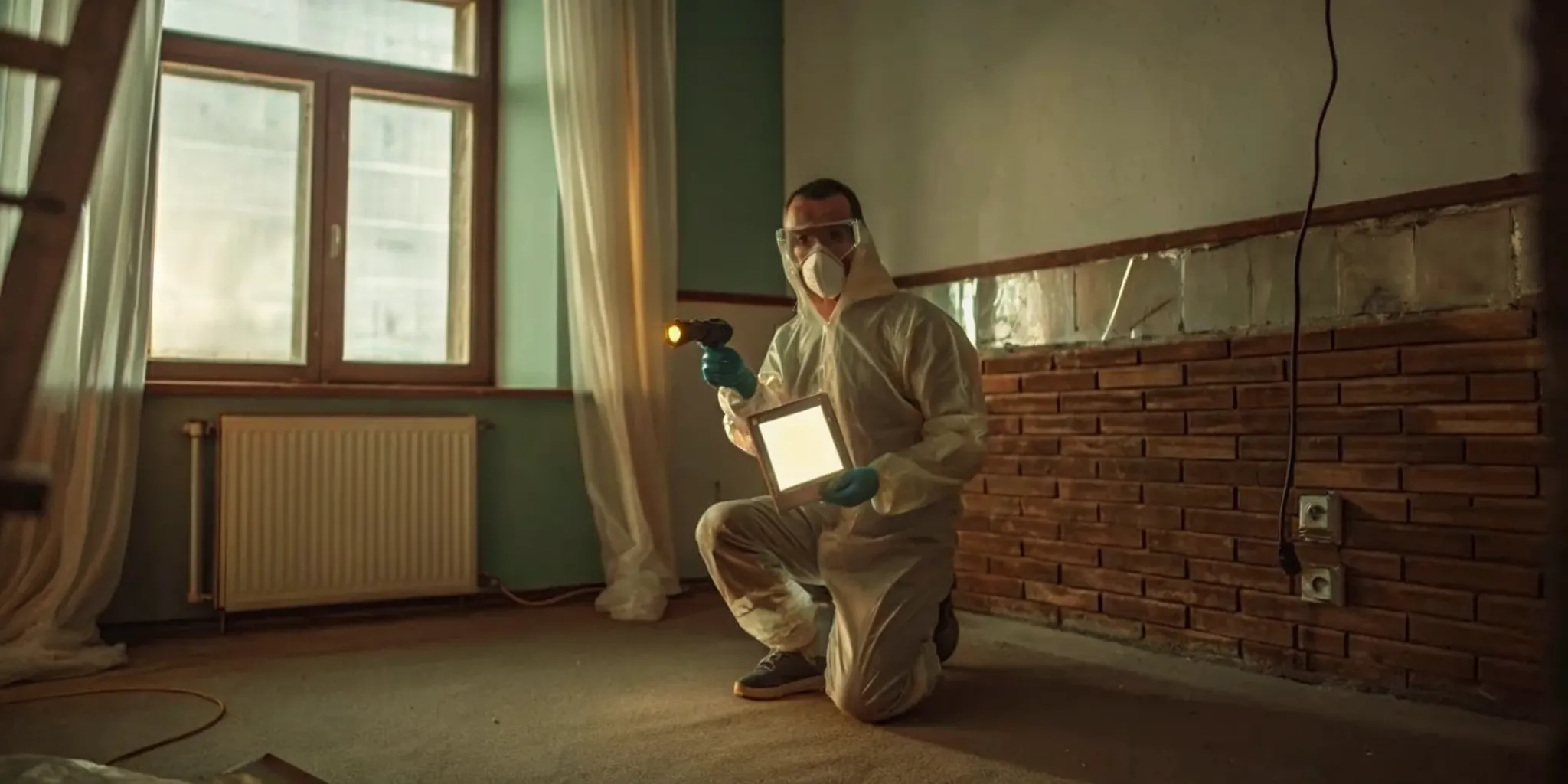
A bathroom is a wet environment, so it’s no surprise that water damage and mold are the most frequent unwelcome guests at a remodel party. You won’t know what’s lurking behind your walls or under your floor until demolition begins. I always recommend setting aside an extra 10% to 15% of your total project cost for these kinds of discoveries. The cost to fix water damage is often calculated per square foot, so a small leak that went unnoticed for years can become a significant expense if you haven’t planned for it.
Bringing Plumbing and Electrical Up to Code
If you live in an older home, your plumbing and electrical systems might not meet today's safety standards. Building codes are updated regularly to improve safety, so what was acceptable 30 years ago may need a complete overhaul now. This is especially true if you’re changing the bathroom’s layout. Moving a toilet, sink, or shower requires rerouting pipes and wires, which can add thousands to your project. A qualified contractor can spot these issues early, but it’s smart to have funds ready for necessary code-related upgrades.
Dealing with Structural Issues and Permits
Sometimes, what seems like a simple cosmetic update can reveal deeper structural problems, like a rotted subfloor or compromised joists. These issues must be fixed before any new work can begin, adding unexpected labor and material costs. On top of that, most remodels require permits to ensure the work is done safely and correctly. Depending on your city and the project's scope, permits for plumbing, electrical, and building can cost anywhere from a couple hundred to over a thousand dollars. Don’t skip this step—it protects you and your home’s value.
Making Mid-Project Design Changes
This one is entirely within your control. Changing your mind about the tile, vanity, or layout after the project has started can create a costly ripple effect. New materials may need to be ordered, causing delays, and your contractor may charge for the extra time and labor to make the adjustments. It’s best to finalize all your design decisions before the first hammer swings. While it can be tempting to supply your own materials to save money, be sure they are compatible with your design to avoid installation headaches and extra work.
Create a Bathroom Remodel Budget That Works
A solid budget is the foundation of a successful bathroom remodel. It’s what turns your vision into a realistic plan and keeps stress at bay. Creating a budget isn’t just about picking a total number; it’s about understanding where your money is going and making intentional choices that align with your goals. By thinking through your priorities, allocating funds wisely, and planning for the unexpected, you can take control of your project’s finances from day one. This approach helps ensure you end up with a bathroom you love, without any financial surprises along the way.
A well-planned budget acts as your guide, helping you make decisions confidently throughout the renovation process. It allows you to compare contractor bids effectively and keeps the project on track, both in terms of timeline and spending. Think of it less as a restriction and more as a tool for empowerment. When you know exactly what you can afford for each component—from the vanity to the tile to the labor—you can focus your energy on the creative aspects of the design. It also prevents "scope creep," where small additions and upgrades slowly inflate the total cost beyond your comfort zone. Building a detailed budget from the start is the single best thing you can do to ensure a smooth and satisfying renovation experience.
Define Your Priorities: Needs vs. Wants
Before you start browsing for tile or picking out faucets, take a moment to separate your project's "needs" from its "wants." Needs are the essentials—things like fixing a leaky shower, replacing a cracked sink, or addressing poor ventilation. Wants are the upgrades that add a touch of luxury or personal style, like a freestanding tub or heated floors. I recommend making two lists. This simple exercise helps clarify where your money absolutely must go and where you have some flexibility. It ensures the most critical updates are covered first, and you can then strategically add in the wants your budget allows.
Allocate Your Funds by Project Area
Once you have a rough total in mind, it’s helpful to break it down. A typical bathroom remodel can range from $70 to over $250 per square foot, so knowing where those dollars go is key. Generally, labor will be your largest expense, often accounting for 40% to 60% of the total cost. The rest is divided among fixtures, cabinetry, countertops, flooring, and lighting. By allocating your budget to these specific categories, you can see where you might be overspending and identify areas where you could potentially save without compromising on quality.
Build in a 15-20% Contingency Fund
If there’s one rule in remodeling, it’s to expect the unexpected. A contingency fund is a portion of your budget—ideally 15% to 20% of the total project cost—set aside for unforeseen issues. When you open up walls, you might discover old plumbing that needs replacing, hidden water damage, or electrical wiring that isn’t up to code. Without a contingency fund, these surprises can derail your project or force you to make compromises elsewhere. Think of it as project insurance; you hope you don’t need it, but you’ll be incredibly relieved it’s there if you do.
Avoid Common Budgeting Mistakes
Many homeowners run into trouble by making a few common mistakes. One of the biggest is underestimating labor costs or forgetting to budget for things like permits and debris removal. To avoid this, it’s crucial to get detailed, itemized quotes from several contractors. A clear quote should outline every cost, so you aren’t surprised later. At Realm, we connect you with vetted professionals who provide transparent estimates, helping you build a budget that accurately reflects the full scope of your project and avoids those common pitfalls. This step alone can save you from major headaches down the road.
How to Choose Materials Without Breaking the Bank
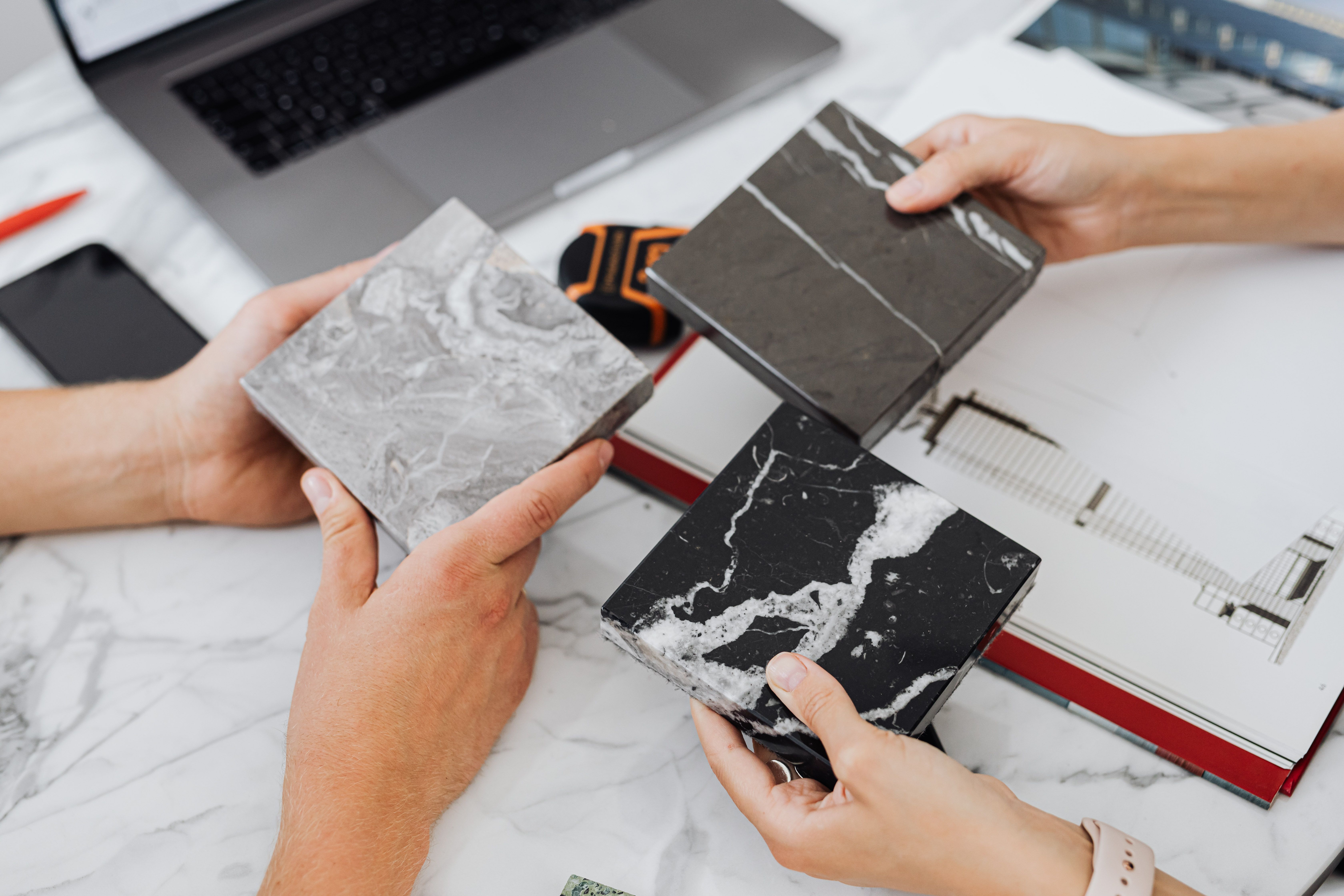
Your choice of materials is where your personal style really comes to life, but it’s also where your budget can quickly get out of hand. A high-end Italian marble and a classic ceramic subway tile can do the same job, but their price tags are worlds apart. The good news is that you don’t have to sacrifice the look you want to stay on budget. It’s all about shopping smart, knowing where to splurge, and understanding where you can save without compromising on quality. With a little research and strategic thinking, you can select beautiful, durable materials that give you the bathroom of your dreams without the financial nightmare. Let’s walk through how to find that perfect balance.
Use Online Tools and Read Reviews
Before you set foot in a single store, start your research online. Getting a ballpark idea of what different materials cost will empower you to make informed decisions from the get-go. There are some fantastic online resources that can help you map out potential expenses. For example, some websites have a tool to help you guess how much your project will cost by asking about the specific items you want to change, like your shower, toilet, and cabinets. Using estimators like this provides a realistic baseline, so when you start getting quotes, you’ll have a much better sense of what’s reasonable. Reading reviews for specific products can also save you from future headaches by steering you away from materials that don’t hold up well over time.
Visit Showrooms and Home Improvement Stores
While it’s easy to default to the nearest big-box home improvement store, it pays to explore all your options. Local tile showrooms and plumbing supply houses can be hidden gems. They often offer more personalized service, unique selections you won't find elsewhere, and expert advice tailored to your project. In fact, in many discussions among homeowners, you’ll find people recommending local suppliers over national chains for better deals and quality. Use the big stores for inspiration and to get a feel for different materials, but be sure to compare prices with local showrooms before you make a final decision. You might be surprised by the quality and value you find.
Find the Sweet Spot Between Quality and Cost
The key to a budget-friendly remodel is finding the right balance between quality and affordability. You don't need the most expensive option to get a beautiful, long-lasting result. Instead, aim to choose good quality, mid-range materials that offer durability without the designer price tag. This might mean splurging on a statement vanity you love but opting for a more classic, affordable tile for the floor. Remember, your material choices are only one part of the equation. Since labor makes up 40% to 65% of the total cost for most projects, investing in quality materials that are straightforward to install can sometimes save you money on professional fees. It’s all about making smart trade-offs that align with your priorities.
Ready for a Professional Estimate?
Once you’ve done your homework and have a solid budget in mind, it’s time to bring in the pros. Getting a professional estimate is more than just finding a number—it’s about finding the right partner for your project. This is where your vision starts to become a real plan with a real price tag, and it’s one of the most important steps in the entire process.
Get Multiple Quotes
You wouldn't buy the first car you test drive, so don't hire the first contractor you talk to. I always recommend getting at least three different quotes for any major home project. This process helps you understand the typical market rate for the work you want done in your area and ensures you’re getting a fair price. More importantly, it gives you a chance to meet different professionals and find someone whose communication style and expertise feel right for you. Remember, the cheapest bid isn't always the best one. You're looking for a balance of fair pricing, quality work, and a contractor you can trust in your home. This is exactly why working with a platform that provides vetted professionals can save you a ton of time and stress.
Understand What's in the Estimate
A professional estimate should be much more than a single number scribbled on a piece of paper. A thorough quote will break everything down so you know exactly where your money is going. Look for a detailed list that separates the cost of labor from the cost of materials. It should also include allowances for fixtures (like your faucet and toilet), any necessary permits, and a clear payment schedule. Don't be afraid to ask questions if something seems vague. A good contractor will be happy to walk you through their estimate line by line. This is also a great time to discuss how they handle unexpected issues—remember that 15-20% contingency fund you set aside?
Ask the Right Questions
Meeting with contractors is your opportunity to interview them for the job. Come prepared with a list of questions to make sure you're making an informed decision.
Here are a few essential questions to ask:
- Can you provide a detailed, itemized quote?
- Is this a fixed price or an estimate that could change?
- What is your projected timeline for the project?
- How do you manage project changes or unexpected problems?
- Are you licensed and insured in my area?
- Can you share references or a portfolio of similar projects?
Gathering this information will help you compare your options apples-to-apples and choose a contractor with confidence, setting your project up for success from day one.
Related Articles
- Bathroom Remodel Estimate Sample: A Cost Breakdown
- How Much Does A Bathroom Renovation Cost?
- Kitchen Remodel Cost: The Ultimate Budgeting Guide
Frequently Asked Questions
What are the most effective ways to save money on a bathroom remodel without sacrificing quality? The best way to control costs is to keep your bathroom's existing layout. Moving plumbing and electrical fixtures is one of the biggest expenses, so working with what you have saves a ton on labor. You can also make smart material choices, like opting for a beautiful porcelain tile that mimics the look of natural stone or choosing a pre-fabricated vanity instead of a custom-built one. Focus your spending on high-touch items like a great faucet or showerhead that you'll use every day.
How much should I really set aside for a contingency fund? You should plan for a contingency fund of 15% to 20% of your total project cost. This might feel like a lot, but it’s the most important part of your budget. This fund isn't for upgrading your tile choice mid-project; it’s for true surprises that you can’t see until demolition starts. Think of things like hidden water damage behind the walls, old wiring that needs to be brought up to code, or a rotted subfloor. Having this buffer prevents a stressful scramble for cash and keeps your project on track.
Is it worth it to change my bathroom's layout? This really comes down to weighing cost against function. Changing the layout is a significant investment, easily adding thousands of dollars to your project for the extra plumbing and electrical work. However, if your current layout is genuinely frustrating—maybe the door constantly hits the toilet or there's no room for a proper vanity—then the cost might be worth the long-term improvement to your daily life. Consider how much the current flow impacts you before deciding if the functional upgrade justifies the price.
How long does a typical bathroom remodel take? While every project is different, a standard, full bathroom remodel usually takes about 3 to 5 weeks from demolition to the final touches. This timeline can be shorter for a simple cosmetic refresh or much longer for a high-end renovation that involves moving walls, custom orders, and extensive inspections. Factors like contractor availability, permit approvals, and shipping times for your materials can also affect the schedule, so it's important to discuss a realistic timeline with your contractor from the start.
What's the single biggest mistake people make when budgeting for a bathroom remodel? The most common mistake is focusing only on the cost of materials you can see, like the tile and the vanity, while underestimating labor costs. Labor often makes up half or even more of the total project price. Homeowners also frequently forget to budget for less glamorous expenses like permits, debris removal, and the cost of the general contractor's management fee. This is why getting a detailed, itemized quote from a professional is so critical—it ensures all those costs are accounted for upfront.