5 Types of Loft Conversion: Which Is Right for You?
Get to know the main types of loft conversion, their benefits, costs, and how to choose the best option to add space and value to your home.
|
December 10, 2025
In this article:
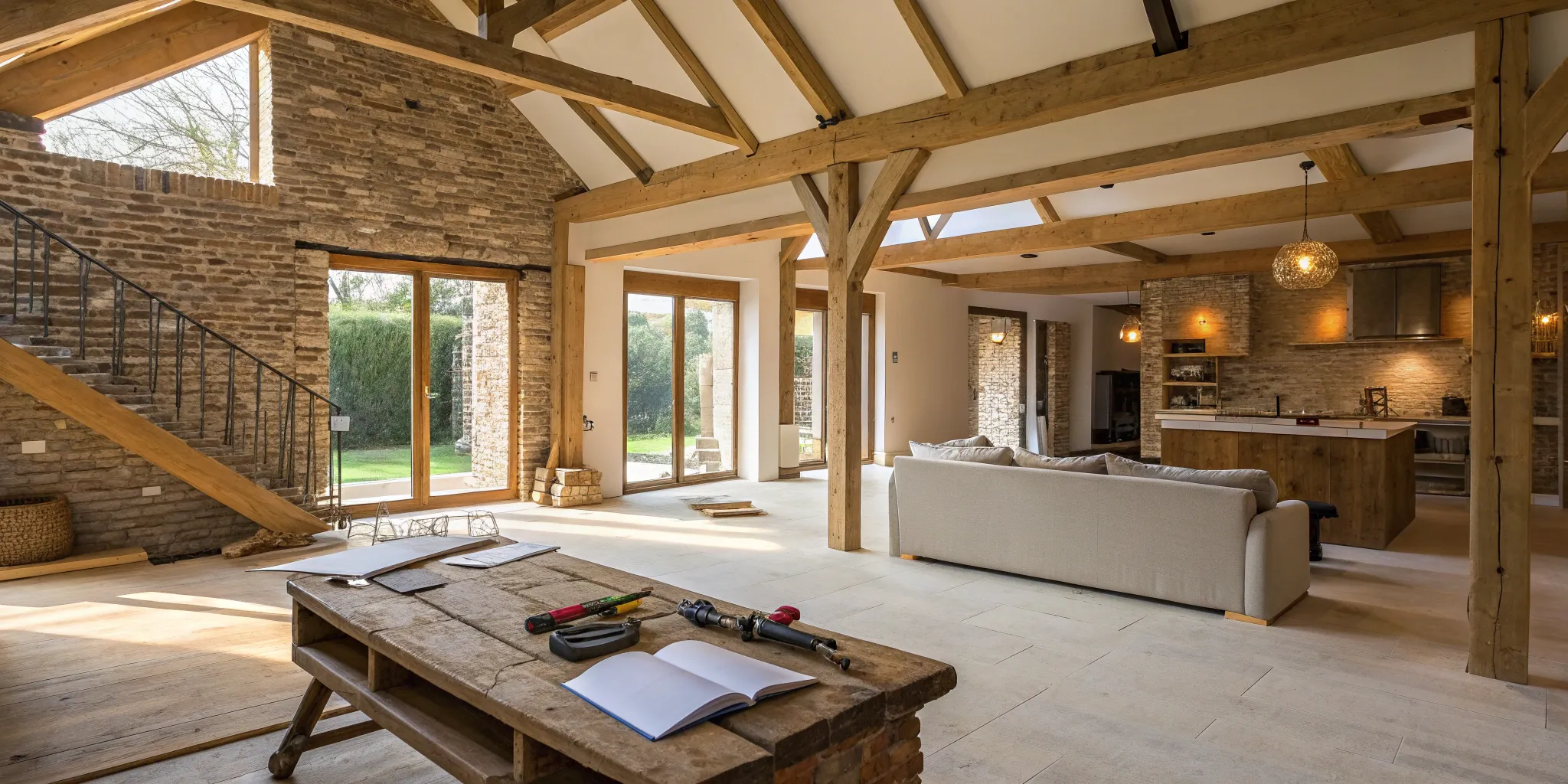
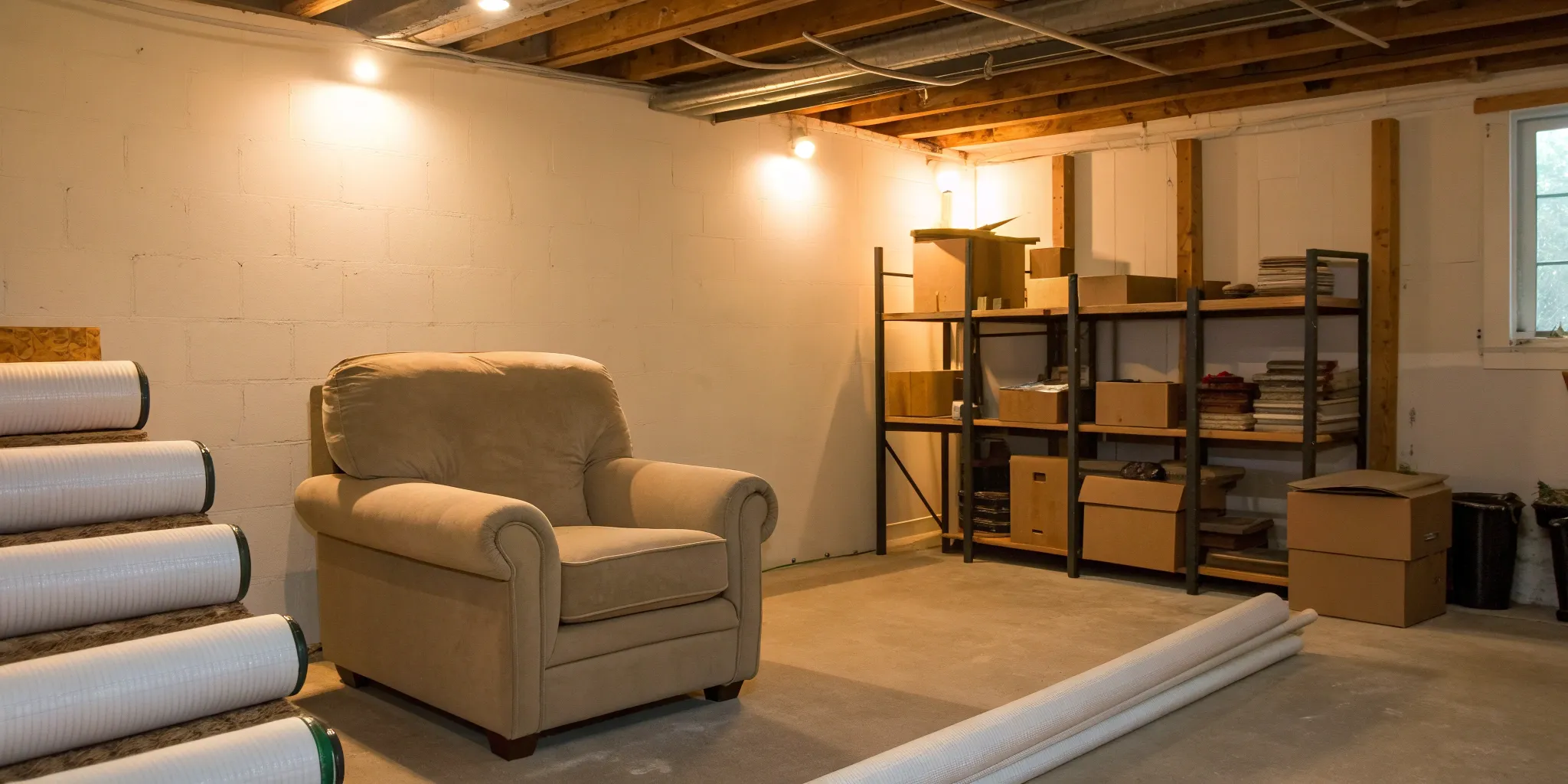
That space above your ceiling, currently home to old boxes and holiday decorations, holds a ton of untapped potential. It’s easy to see it as just a storage area, but with the right plan, it can become one of the best rooms in your house. Transforming an attic into a bright bedroom, a quiet home office, or a cozy family den is one of the smartest ways to add space and value to your property. But not all attics are the same, and neither are the projects that convert them. To get started, you need to understand the various types of loft conversion and figure out which one is the perfect match for your home’s structure, your budget, and your vision.
Key Takeaways
- Your Home's Structure Dictates Your Options: Before settling on a design, assess your roof's height and shape. These factors determine if a simple Velux conversion is feasible or if you need a more structural option like a Dormer or Hip-to-Gable to create the necessary headroom.
- Factor in Budget, Permits, and Aesthetics Early: A successful project goes beyond the build itself. Your budget will narrow down the conversion types, local regulations define what's allowed, and matching the design to your home's style ensures the final result looks seamless, not tacked-on.
- Gain Functional Space and Increase Home Value: A loft conversion is an efficient way to add a new bedroom, office, or living area without sacrificing your yard. This added square footage not only improves your home for you but also offers a strong return on investment.
What is a Loft Conversion? (And Why You Might Want One)
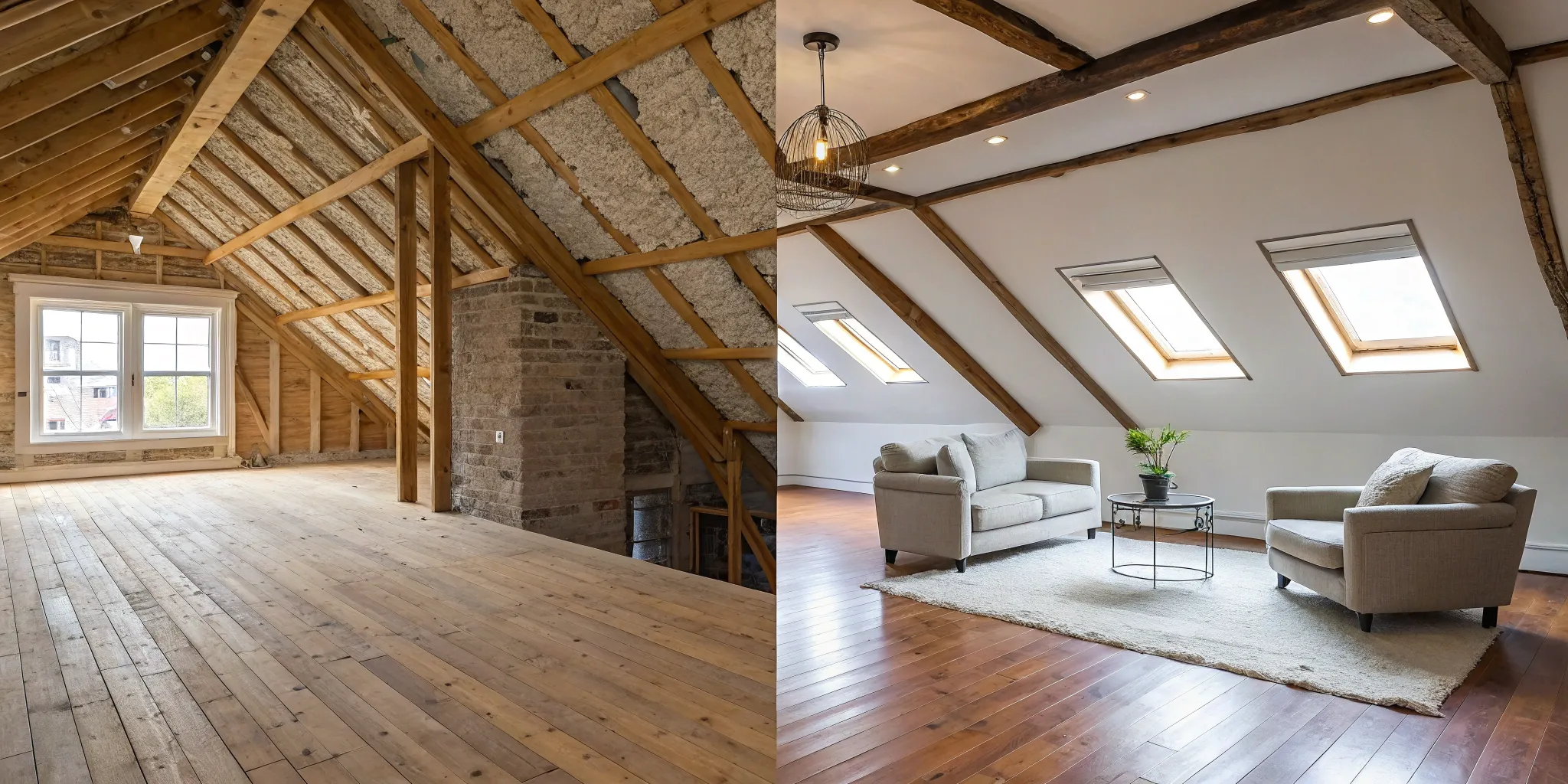
Simply put, a loft conversion transforms your unused attic space into a fully functional, livable room. Instead of building an addition that expands your home’s footprint into your yard, you build upward, making use of the valuable square footage that’s already under your roof. It’s a clever way to add a new bedroom, home office, or family den without the complexities of a traditional ground-floor extension. This type of project can range from a simple room with skylights to a more complex remodel that alters your roofline to create significant headroom and floor space.
For many homeowners, a loft conversion is the perfect solution to a space crunch. It allows you to stay in the neighborhood you love while adapting your home to fit your family’s changing needs. Whether you’re welcoming a new baby, need a quiet place to work from home, or want to create a private guest suite, the attic holds a ton of untapped potential. The process involves reinforcing the floor, adding insulation, installing windows for light and ventilation, and creating access with a proper staircase. With the right plan, you can start a project that turns a dusty storage area into one of the most beautiful rooms in your house.
The Perks of Converting Your Loft
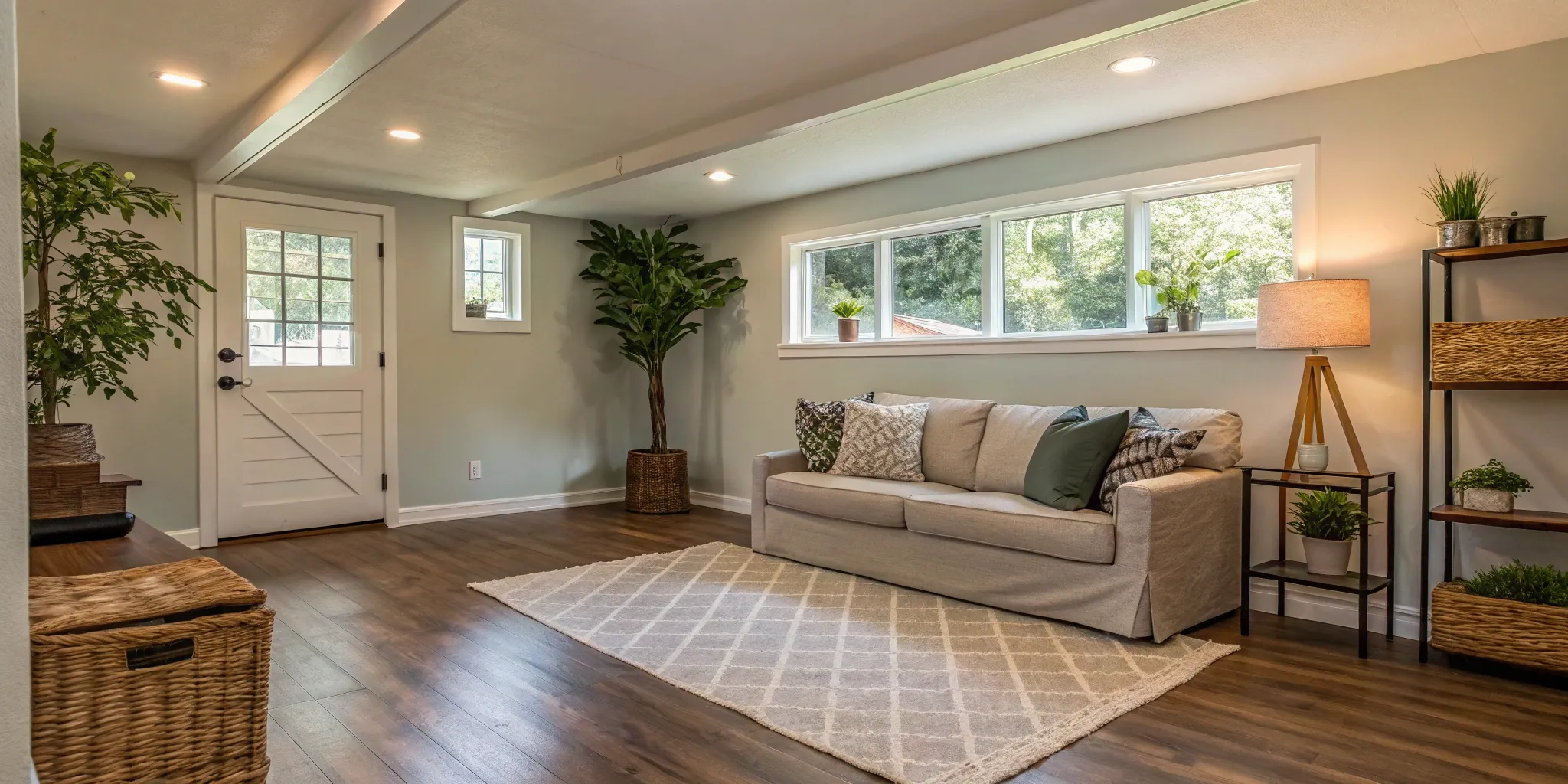
The most obvious benefit of a loft conversion is gaining valuable living space without sacrificing any of your yard. This is a huge plus if you live in a dense neighborhood or simply don’t want to give up your outdoor area. Beyond just adding a room, a well-designed loft conversion can significantly increase your home’s market value. Adding a bedroom and bathroom can increase your property value and offer a strong return on investment, making it a smart financial move. This new space is incredibly versatile, too—it can become a serene primary suite, a productive home office, a kids’ playroom, or a cozy media room.
Is a Loft Conversion the Right Move for You?
Before you start pinning design ideas, it’s important to figure out if a loft conversion is feasible for your home. The right choice depends on several factors, including your roof’s height and shape, your budget, and local building codes. You’ll need to consider what you want to use the space for, as that will influence the design and layout. For example, a bedroom will have different requirements than a simple art studio. Getting expert guidance early on is key to understanding your options and creating a realistic plan. A dedicated advisor can help you assess your home’s potential and connect you with vetted professionals to ensure the project is a success from start to finish.
Exploring Velux Loft Conversions
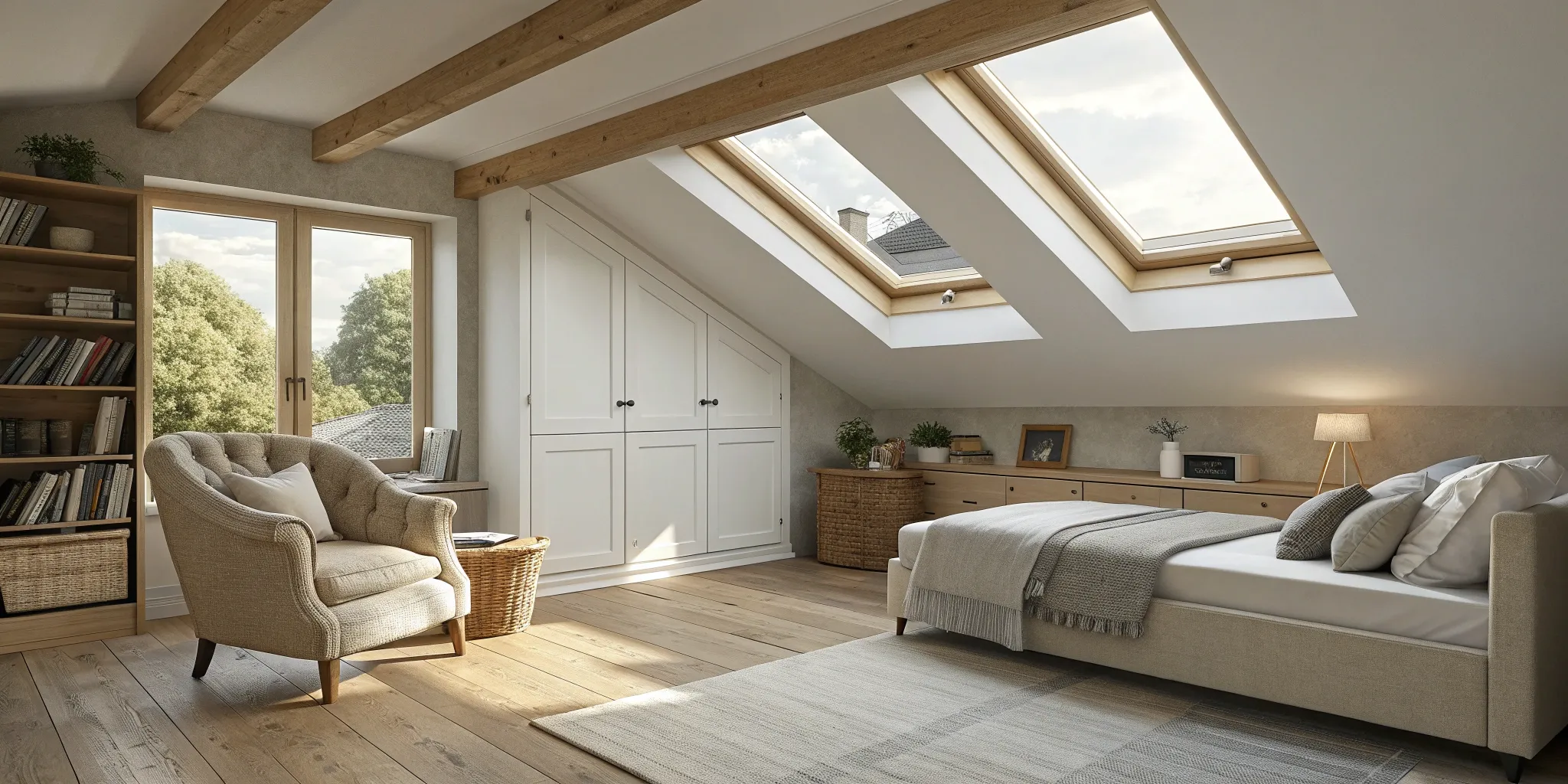
If you’re looking for the most straightforward and budget-friendly way to transform your attic, the Velux loft conversion is your answer. Often called a rooflight conversion, this style is all about working with the space you already have. Instead of making major structural changes to your roofline, this project focuses on adding skylights—often from the well-known brand Velux—to bring light and air into your existing attic.
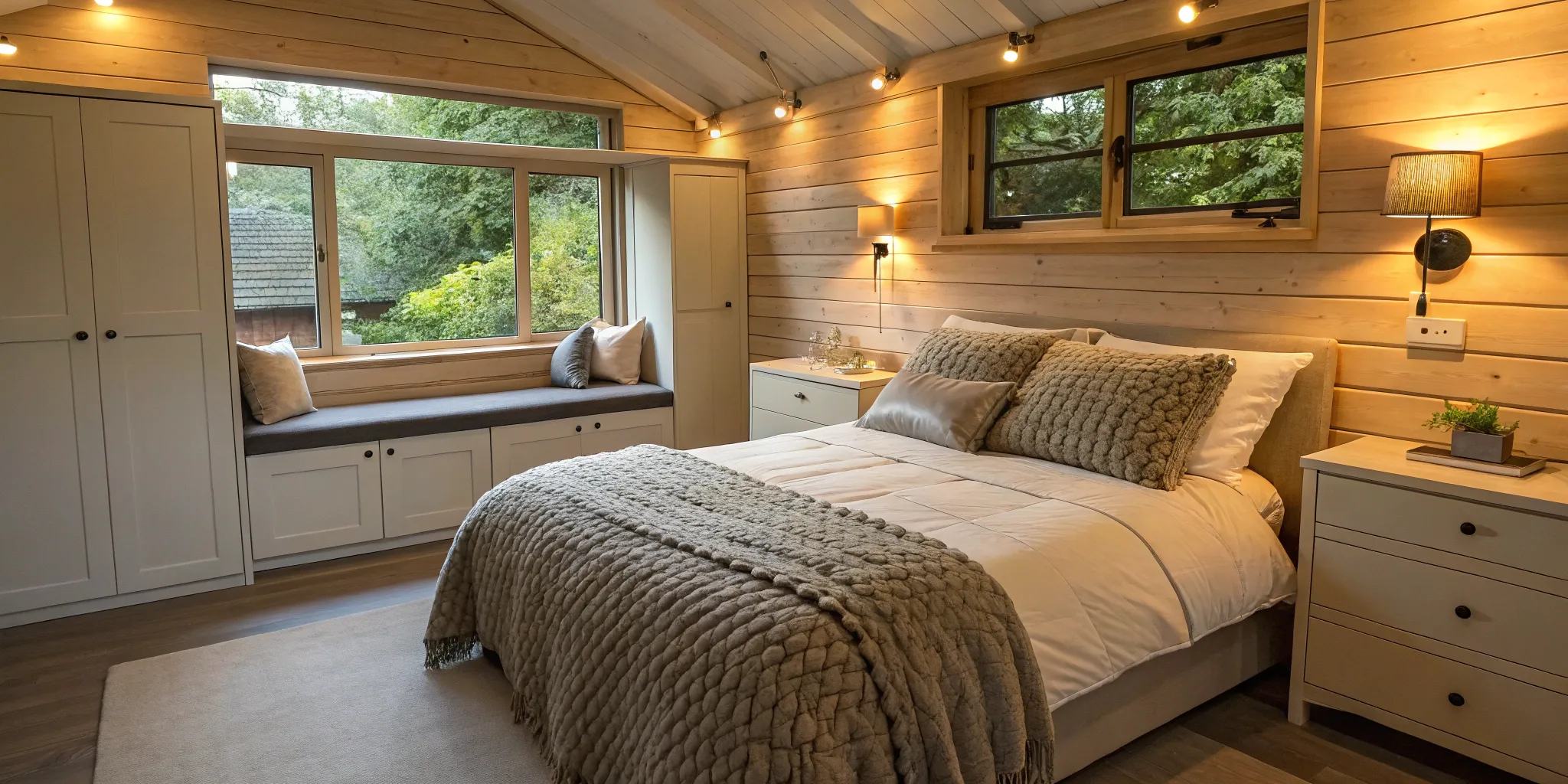
Think of it as the path of least resistance to a new room. The project involves reinforcing the floor, adding insulation, and installing windows directly into the slope of your roof. Because it doesn't alter the roof's shape, it’s a less disruptive process that can be completed relatively quickly. This approach is perfect for creating a cozy bedroom, a quiet home office, or a bright art studio without the complexity and cost of a larger remodel. It’s a simple, elegant solution for adding functional living space while preserving your home's original exterior look.
What They Are & How They Look
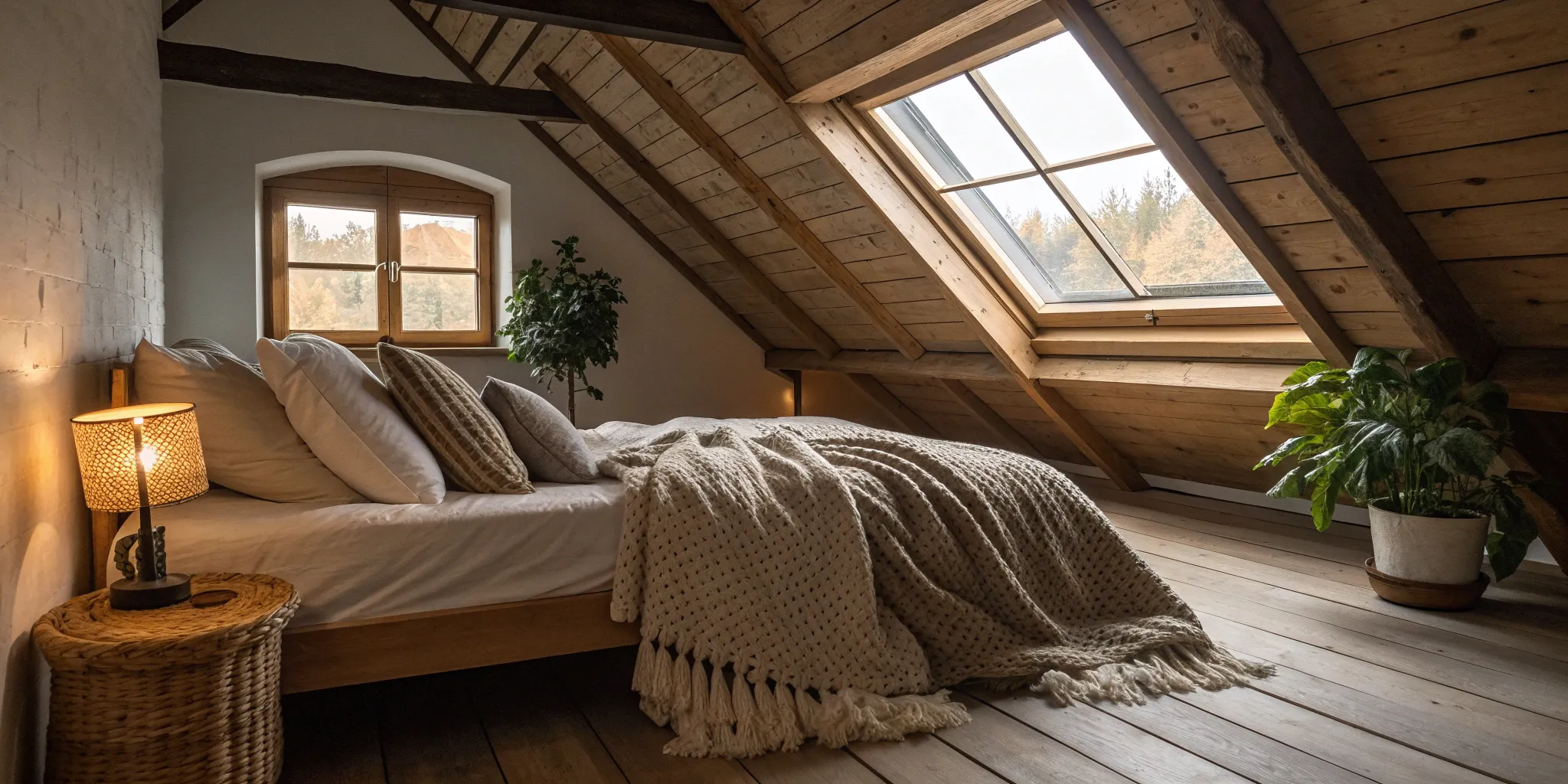
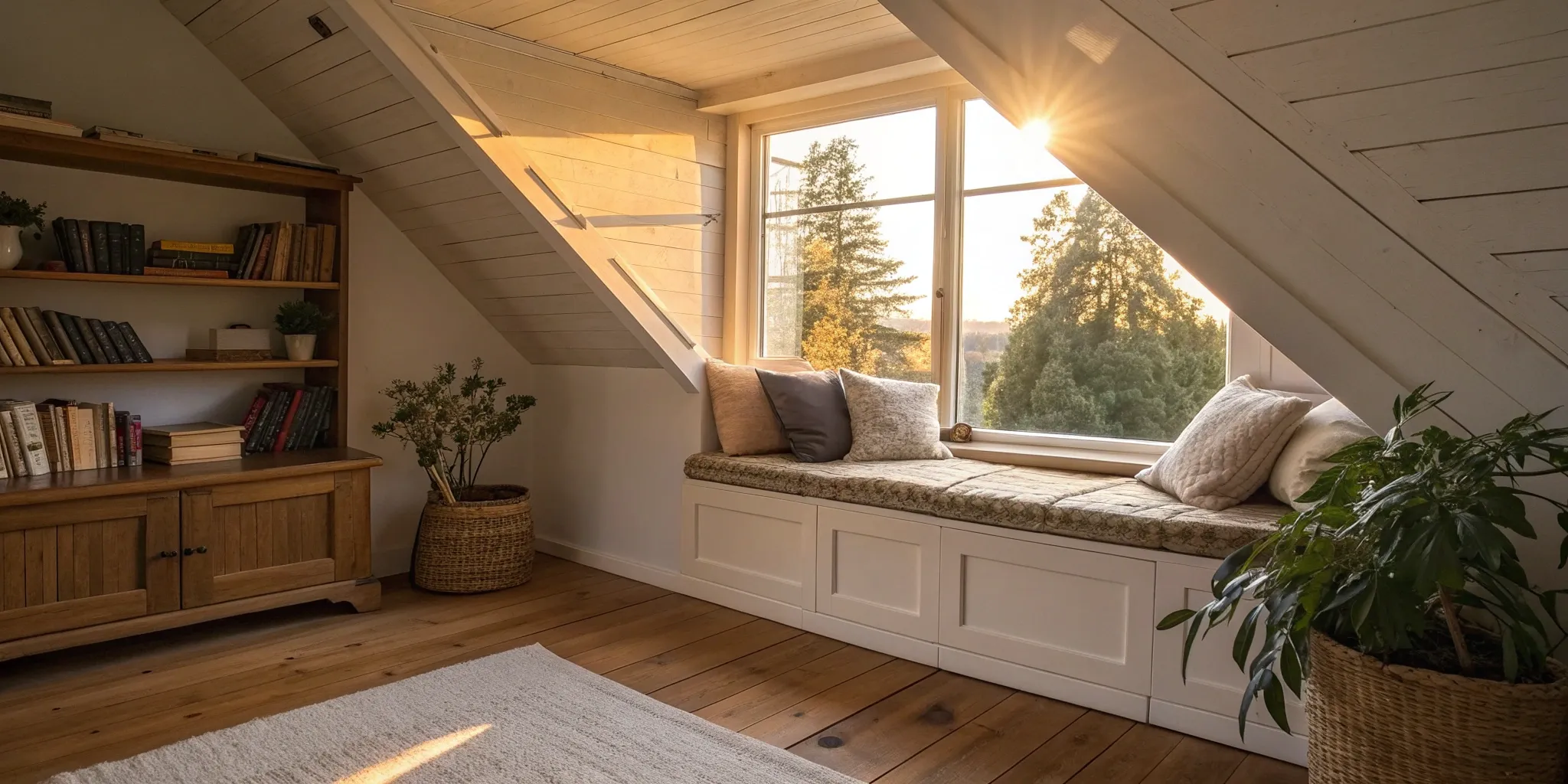
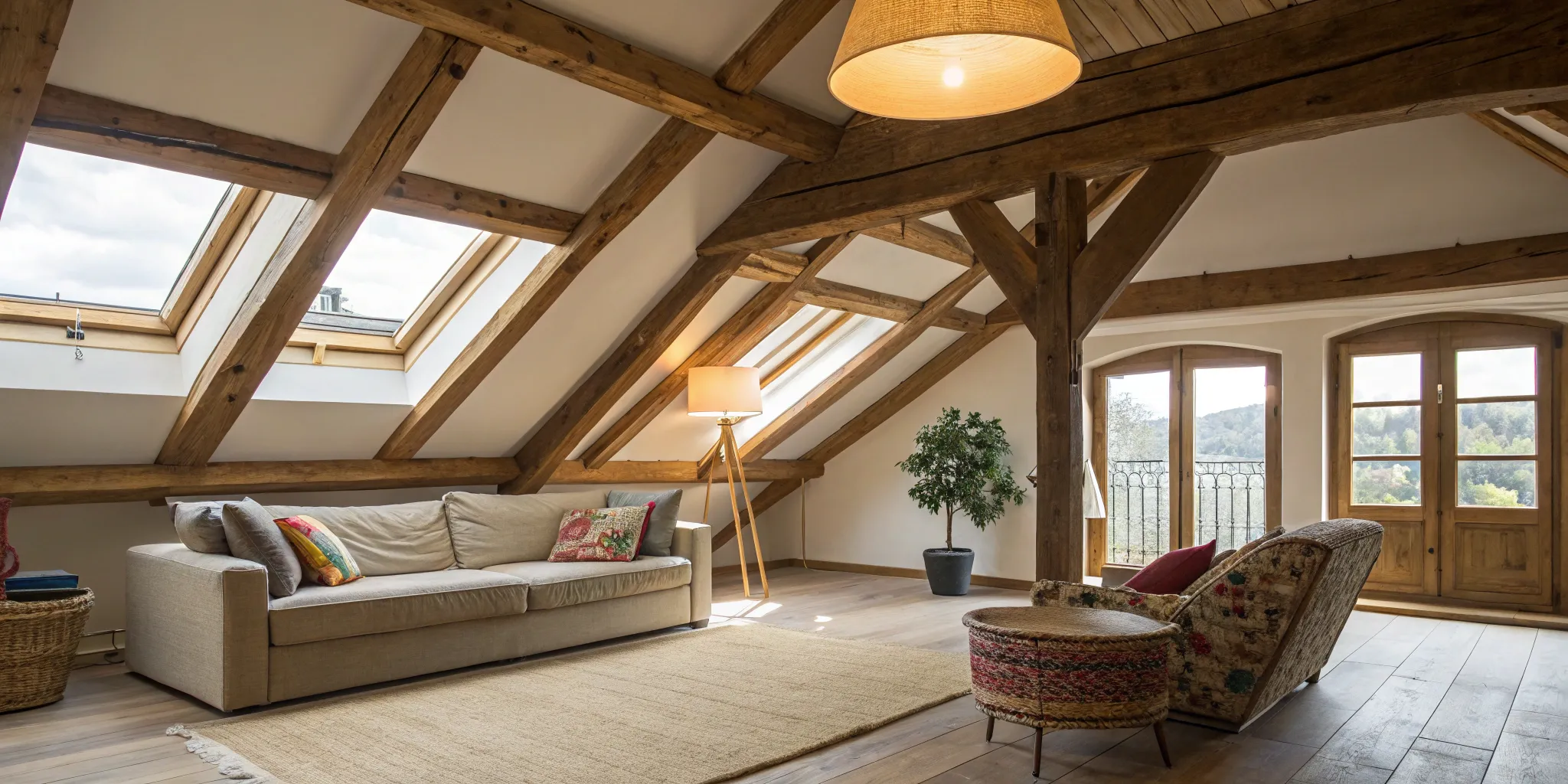
A Velux loft conversion is defined by its simplicity. From the outside, the only visible change to your home will be the new windows sitting flush with your roof. The internal structure of the roof remains untouched. Inside, the shape of the room will follow the natural slope of your roof, creating a space with character and angled ceilings. The key is adding those large windows, which flood the once-dark attic with natural light and can offer incredible views. The result is a bright, airy room that feels integrated into your home, all while maintaining your property’s existing footprint and profile.
Is This Style a Fit for Your Home?
This type of conversion is a fantastic fit if your attic already has plenty of headroom. If you can comfortably stand up in the center of your loft, you’re likely a good candidate. It’s also ideal for homes with a steeper roof pitch, as this naturally provides more usable floor space. Because a Velux conversion involves minimal structural alteration, it’s often a preferred option in areas with strict building codes. If you're working with a tighter budget or want a faster project timeline, this is hands-down one of the most efficient ways to add valuable square footage to your home.
Understanding Dormer Loft Conversions
If you’ve ever seen a house with a box-like structure sticking out from a sloped roof, you’ve seen a dormer. Dormer loft conversions are a popular go-to for a reason: they’re one of the most straightforward ways to add a significant amount of usable space to your attic. This type of project involves building an extension that juts out from the roof, creating vertical walls and a flat ceiling. The result is a room with squared-off proportions, much like any other room in your house, which makes it feel less like an attic and more like a natural part of your home.
This added headroom and floor space make dormers incredibly practical. They transform a cramped, sloped attic into a functional area perfect for a new primary suite, a home office, or a bright and airy playroom for the kids. Because they add so much functional space, they are often a top choice for homeowners looking to get the most out of their property’s existing footprint without building a full-on addition. A Realm project advisor can help you visualize how a dormer could work with your home’s specific roofline and structure, ensuring the final look complements your home's architecture.
Single vs. Multiple Dormers
When planning your project, you’ll decide between adding a single dormer or multiple dormers. A single, flat-roof dormer is the most common approach, typically built on the rear of the house to maximize space while maintaining the home's curb appeal. It’s a cost-effective solution that creates one large, open room.
For larger homes or more complex needs, you might consider multiple dormers. You could add two smaller dormers on the front of the house for architectural balance or place them on different roof slopes to create separate, defined spaces within the loft—like a bedroom and an adjoining bathroom. This flexibility allows you to tailor the types of loft conversion to your home’s style and your family’s needs, giving you more control over the final layout.
The Benefits: More Headroom and Flexibility
The biggest win with a dormer conversion is the generous headroom. While other conversion types work within the existing slope of the roof, a dormer pushes the ceiling up and the walls out, creating a comfortable, walkable space. You won’t have to worry about ducking under slanted ceilings, which makes placing furniture and moving around much easier.
This added height and space open up a world of possibilities for how you can use the room. It provides the structural freedom for a variety of layouts and designs, from a spacious primary bedroom with an en-suite bathroom to a pair of kids' bedrooms. You can also install larger, standard windows, which flood the space with natural light and offer better views than typical rooflights. Ultimately, a dormer gives you a truly versatile space that you can adapt to your lifestyle.
A Look at Hip-to-Gable Loft Conversions
If your home has a hipped roof—one that slopes down on the sides as well as the front and back—you might feel like a spacious loft conversion is out of reach. That’s where a hip-to-gable conversion comes in. This is a more extensive project that completely changes your home’s roofline to create a surprising amount of new living space. Think of it as trading a sloped, cramped attic for a full-height room with straight walls.
This type of conversion involves replacing the sloping "hip" at the side of your roof with a vertical wall, known as a "gable." This extends the ridge of your roof, squaring off the space internally. The result is a much larger, more functional room that feels like a true extension of your home, not just a converted attic. Because it’s a significant structural change, a hip-to-gable conversion requires careful planning and a skilled team, but the payoff in terms of usable square footage is often worth it.
How They Work and the Space You'll Gain
The process starts by building up the side wall of your home to create a new vertical gable. The existing hipped roof is then removed, and a new roof structure is built to connect the new gable to the existing roofline. This construction effectively turns the L-shaped or triangular floor plan of a hipped attic into a large, rectangular room. You gain a massive amount of headroom and usable floor space that wasn't there before. This often makes it possible to add a full-sized staircase and even a large dormer window on the back for more light and space. Because this is a complex structural project, it’s essential to work with a team of vetted professionals to ensure everything is done correctly and to code.
The Best Property Types for This Conversion
Hip-to-gable conversions are a perfect fit for detached and semi-detached houses, as well as end-of-terrace homes that have a hipped roof. Essentially, if your house is on a corner or stands alone and has that signature sloped side roof, it’s likely a great candidate. This style isn’t suitable for mid-terrace or row houses because they don’t have a hip-end roof to convert. For homeowners with the right type of property, this conversion is one of the most effective ways to maximize potential living area, turning an awkward attic into a beautiful primary suite, home office, or kids' playroom. It’s one of the most transformative home renovation projects you can undertake.
The Ultimate Transformation: Mansard Loft Conversions
If you’re looking to add a full, spacious story to your home rather than just a single room, the Mansard conversion is your answer. This is the most comprehensive type of loft conversion, involving a major reconstruction of your roof. The process creates a new structure with a flat roof and an almost-vertical outer wall, set at 72 degrees. The result is a significant amount of new, usable living space that feels like a natural extension of your home, not just an attic room.
This type of project is a fantastic fit for many home styles, including terraced, semi-detached, and detached houses. It’s especially popular in dense urban areas where expanding outward isn’t an option, but you still need more room to grow. Because a Mansard conversion is a substantial structural change, it’s also the most involved and costly option. It requires careful planning, a skilled design and build team, and a clear understanding of local regulations. Think of it less as a simple conversion and more as adding a new floor to your property. But for homeowners who need maximum space and want a seamless architectural addition, the investment delivers an incredible transformation.
What the Remodel Involves
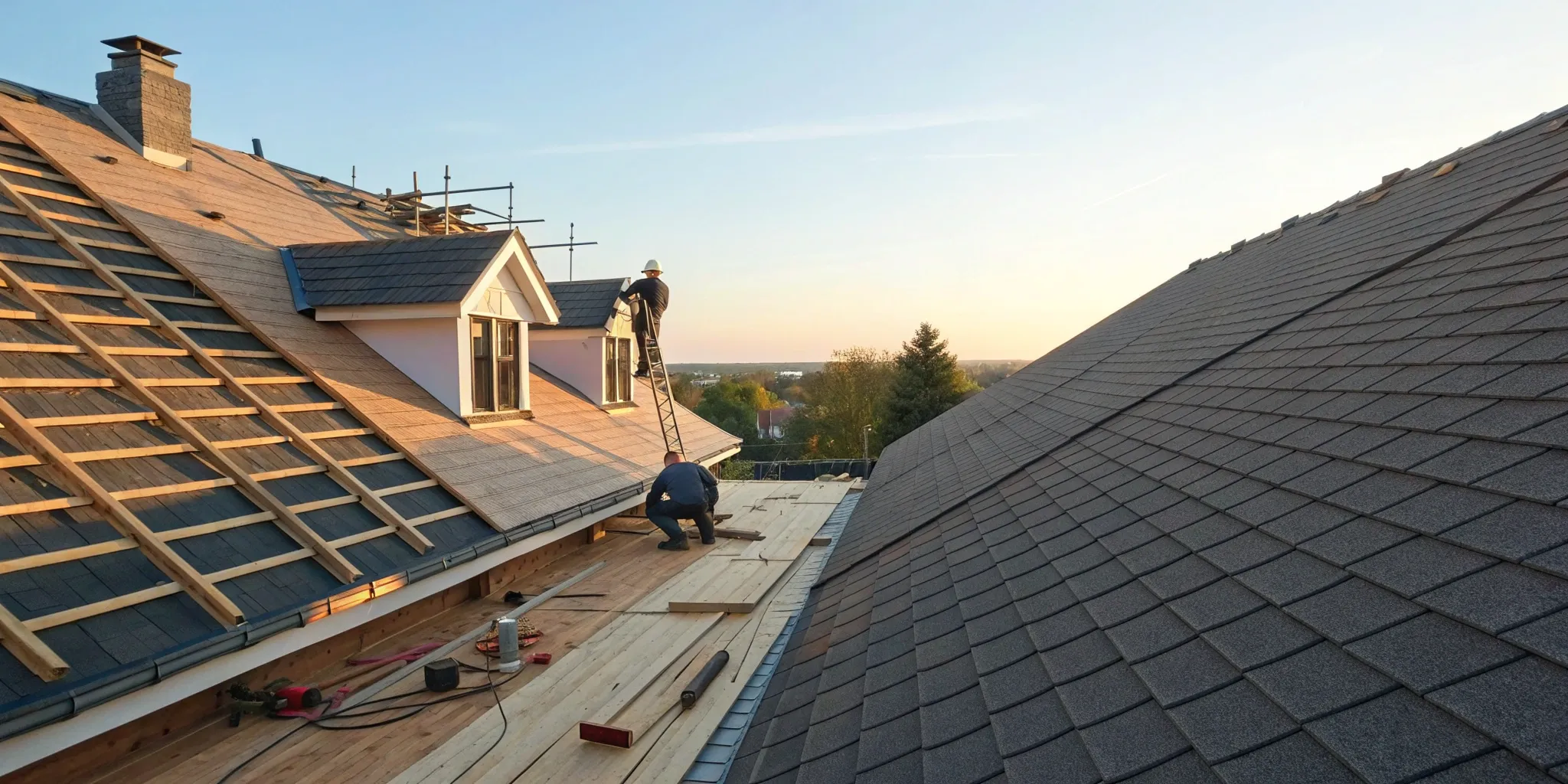
A Mansard conversion is a serious undertaking that completely alters your existing roofline. Your contractor will remove one or both slopes of your roof and build a new structure with steep, almost-vertical sides and a flat top. This process essentially adds another story to your home. Due to the scale of these changes, a Mansard conversion almost always requires planning permission and must comply with strict building codes. The construction process is complex and typically takes several weeks, making it the most significant investment among loft conversion types.
The Payoff: Maximum Space and Style
The main reason homeowners choose a Mansard conversion is the incredible amount of space it creates. The design provides maximum headroom and a generous, usable floor plan that feels just like any other level of your house. This allows you to add multiple rooms—think a full primary suite with an en-suite bathroom and walk-in closet, or two kids' bedrooms and a shared bathroom. A well-designed Mansard conversion also enhances your home’s exterior, often blending seamlessly with the original architecture. It’s the ultimate way to expand your living space without changing your address, and a customized project plan can help you visualize the possibilities.
The Modern Approach: Modular Loft Conversions
If the thought of a long, messy construction project is holding you back, a modular loft conversion might be the perfect solution. This innovative method involves building your new loft space in a factory and then delivering it to your home for installation. It’s a game-changer for homeowners who want to minimize disruption without sacrificing quality. This approach streamlines the entire process, turning a months-long ordeal into a much shorter and more predictable project. Let's look at how building off-site and the quick installation can benefit your renovation.
Benefits of Building Off-Site
The biggest advantage of a modular conversion is that most of the construction happens away from your home. Instead of weeks of noise and dust, the new structure is built to your exact specifications in a controlled factory setting. This process significantly reduces on-site disruption, making it ideal if you have limited space around your property or simply want to maintain peace and quiet. Building in a factory also allows for greater precision and quality control, as workers aren't contending with weather or other on-site variables. A streamlined renovation plan ensures every detail is accounted for before the module even arrives at your doorstep, leading to a smoother project from start to finish.
What to Expect During Installation
The installation phase is where modular conversions truly shine. While the off-site build can take several weeks, the actual on-site work is remarkably fast. Once your custom module is complete and your existing roof is prepped, the new structure is transported to your home. A crane then lifts it into place in a process that often takes just one or two days. This rapid installation minimizes the time your home is exposed to the elements and dramatically shortens the overall project timeline. Having an expert team to guide you through the process ensures that even this complex-sounding installation day goes off without a hitch, getting you into your new space sooner than you thought possible.
How to Choose the Right Loft Conversion
With several types of loft conversions to consider, figuring out which one is right for your home can feel like a puzzle. The best choice isn't just about maximizing square footage; it's about finding the perfect fit for your home's structure, your budget, and your personal style. Think of it as a balancing act between what's possible, what's practical, and what you'll love living in for years to come. To get started, focus on three key areas: your roof’s existing structure, your budget and local rules, and the architectural style of your home. Getting clear on these factors will help you narrow down the options and make a confident decision.
Check Your Roof's Shape and Height
Before you start dreaming of skylights and cozy reading nooks, take a good look at your current roof. Its shape and height are the biggest factors in determining which conversion types are even possible. For a loft to be a comfortable, livable space, you need adequate headroom. The general rule of thumb is a minimum height of 7 feet 2 inches from the floor joists to the highest point of the roof, though 7 feet 10 inches is even better. The style of your roof—whether it’s a simple pitch or a more complex hip roof—will also point you toward the most suitable conversion, like a simple Velux or a more involved hip-to-gable.
Factor in Your Budget and Local Rules
Next up are the practicalities: money and permits. The cost can vary dramatically between a simple rooflight conversion and a full mansard addition, so your budget will immediately help narrow the field. It’s also crucial to understand your local building codes. Most loft conversions require building permits, and the process can be more complex if your home is in a historic district or has specific zoning restrictions. A design-build firm or a service like Realm can help you understand the process and ensure your project is fully compliant, saving you from potential headaches and costly revisions down the road.
Match the Conversion to Your Home's Style
Finally, think about aesthetics. The goal is for your new loft to feel like it was always part of your home, not an awkward addition. The architectural style of your house should guide the design of the conversion. A sleek, modern dormer might look out of place on a classic Craftsman, while a hip-to-gable conversion could seamlessly blend with a 1930s semi-detached home. Working with an architect or designer ensures the exterior changes complement your home’s character and the interior layout flows naturally with the rest of your space. This is where expert guidance becomes invaluable for creating a cohesive and beautiful result.
Breaking Down the Costs
Let's talk numbers. The final price tag for a loft conversion depends on many factors, including your home’s location, the project's complexity, the materials you choose, and local labor costs. While the figures below offer a general idea, the best way to understand your specific budget is to work with an expert to create a customized plan for your project.
The following estimates can help you see how different conversion types compare financially. Keep in mind these are general ranges, and your project costs will vary.
Typical Costs for Each Conversion Type
Here’s a look at what you might expect to invest for each type of loft conversion, from the simplest to the most complex.
- Velux Loft Conversion: This is often the most budget-friendly option, with costs starting around $19,000 to $25,000. The project typically takes four to six weeks and usually doesn't require major planning permits, though it will need to meet building codes.
- Dormer Loft Conversion: A popular choice for adding significant headroom, a dormer conversion generally runs from $38,000 to $75,000. Expect a timeline of about 8 to 12 weeks. Planning permits often aren't needed unless your home is in a designated conservation or historic area.
- Hip-to-Gable Loft Conversion: Because this project involves significantly altering your roofline, the cost is higher, ranging from $50,000 to $75,000. The construction phase usually lasts six to eight weeks. You may need a planning permit for this type of structural change.
- Mansard Loft Conversion: As one of the most extensive remodels, a mansard conversion can cost between $56,000 and $88,000. The timeline is typically six to eight weeks. Due to the major changes to the roof structure and home exterior, this conversion almost always requires a planning permit.
- Modular Loft Conversion: This modern approach costs between $63,000 and $94,000. While the off-site construction takes several weeks, the on-site installation is remarkably fast—often just a day or two. Permits may be needed depending on how much the module alters your home's appearance.
Understanding the Return on Your Investment
A loft conversion isn't just about adding space; it's an investment in your home's value. A project that adds a new bedroom and bathroom can increase your property's value by as much as 20%. This makes it one of the most valuable home improvement projects you can undertake.
On average, you can expect a loft conversion to cost between $140 and $290 per square foot. This figure can shift based on the complexity of the design and the finishes you select. While the overall average cost lands around $63,000, every project is unique. Working with a dedicated advisor can help you balance your budget with your vision to ensure you get the most out of your investment. The goal is to create a beautiful, functional space that you'll love for years to come—and that adds real value to your home.
Common Loft Conversion Myths, Busted
Thinking about a loft conversion can bring up a lot of questions—and a lot of misinformation. It’s easy to get overwhelmed by rumors about complicated permits, sky-high costs, and structural dealbreakers. But many of the things that stop homeowners from moving forward are just myths.
Let's clear the air and separate fact from fiction. Understanding the reality behind these common misconceptions can help you see your home’s potential in a new light and make confident decisions about your project.
Myths About Planning and Structure
One of the biggest hurdles for any renovation project is navigating the paperwork and budget. Many homeowners assume a loft conversion is automatically a bureaucratic and financial nightmare, but that’s not always the case.
A common belief is that getting the right permits is an impossibly difficult process. In reality, many loft conversions can proceed without extensive approvals, as long as your project meets certain local building codes. Another major myth is that loft conversions are prohibitively expensive. While it’s a significant investment, the cost depends entirely on the type of conversion you choose and your specific design goals, making it a more flexible and accessible project than you might think.
Myths About Ceiling Height and Suitability
It’s easy to look at your dusty, unfinished attic and think it’s just not suitable for a conversion. Concerns about low ceilings or the wrong roof shape often stop great ideas before they even start.
Many people believe that low headroom automatically disqualifies a loft from being converted. While there are minimum height requirements for a comfortable living space, a low ceiling isn't always a dealbreaker. Structural solutions can create the necessary space. On the flip side, it's a risky mistake to assume you won't need any kind of permission. Every project is unique, and local regulations vary, so it's crucial to verify the rules for your specific property before you begin. This is where expert guidance becomes invaluable.
Myths About Cost and Timelines
When you’re investing in your home, you want to know it’s worth it. Myths about the return on investment and project timelines can cause hesitation, but a well-planned loft conversion is often one of the smartest upgrades you can make.
A persistent myth is that a loft conversion doesn't add much value to a home. In fact, the opposite is usually true. Adding square footage, especially a new bedroom and bathroom, can significantly increase your property's market value. Another misconception is that the project will drag on forever. With a solid plan and a reliable team, a loft conversion can be completed more efficiently than you might expect. A dedicated project advisor can help you create a realistic timeline and keep everything on track from start to finish.
Ready to Start? Your First Steps
Once you have a good idea of which loft conversion might work for your home, it’s time to move from dreaming to doing. This is where the project really starts to take shape, and a little bit of planning now will save you a lot of headaches later. The two most important first steps are assembling the right group of people and creating a realistic schedule.
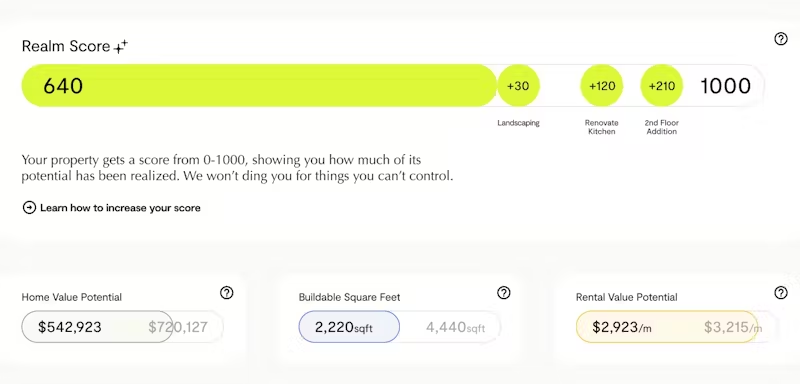
Bringing a major renovation to life involves coordinating architects, designers, and builders, all while managing a budget and timeline. It can feel like a lot to handle on your own, which is why many homeowners choose to work with a partner who can help them through the process. At Realm, we provide you with a dedicated advisor to help you build a custom plan, find the right professionals for the job, and keep your project on track from start to finish. Think of it as having an expert in your corner every step of the way.
Find Your Project Team
Your project’s success depends almost entirely on the team you hire. This isn’t just about finding a builder; it’s about finding the right builder and designer for your specific goals. If you're unsure which type of conversion is best for your home, it’s a great idea to talk to an architect first. When you’re ready to hire a contractor, look for a builder with proven experience in loft conversions. Don’t be shy about asking to see their past work and speaking with former clients. Your home, budget, and local building codes are unique, so you need a team that understands how to work with those specific factors. Realm makes this easier by connecting you with a network of vetted local professionals who are right for your project.
Plan Your Timeline and Prep Your Home
A clear timeline is your best friend during a renovation. A simple Velux conversion might take as little as four weeks, while more complex projects like a Mansard conversion can take 12 weeks or more. The final timeline depends on the project's size, your builder's team, how quickly materials arrive, and even the weather. Before any work begins, ask your builder for a detailed schedule in writing, including a plan for how potential delays will be handled. This transparency helps everyone stay on the same page. Once the start date is set, you can begin prepping your home by clearing out the loft and protecting furniture and floors in adjacent areas from dust and debris.
Related Articles
Frequently Asked Questions
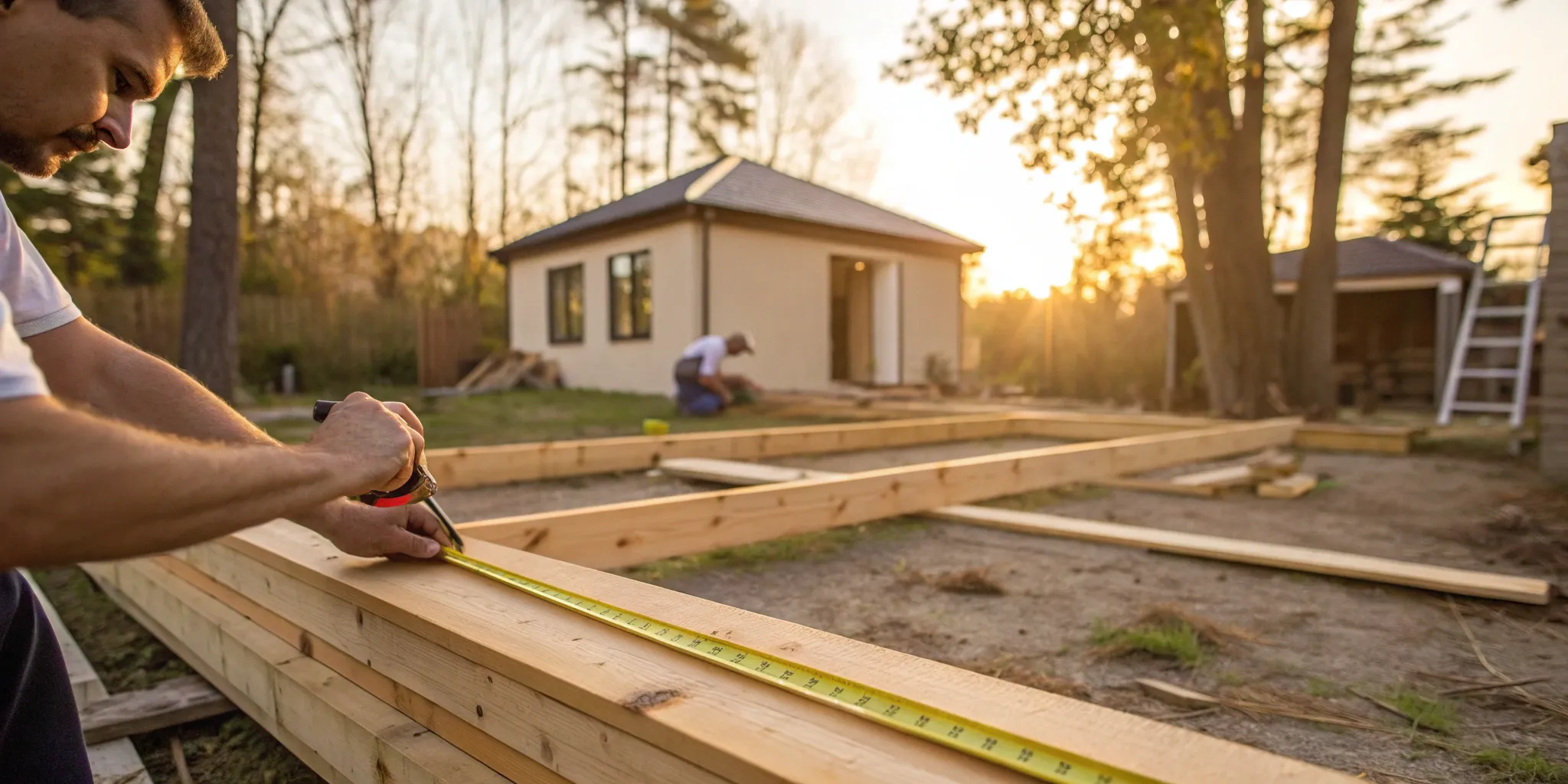
How do I know if my attic is even suitable for a conversion? The quickest way to check is with a tape measure. As a general rule, you’ll need at least 7 feet 2 inches of clear vertical height from the top of the floor joists to the bottom of the roof ridge. If you have that, you’re likely a good candidate. Beyond height, you’ll also want to consider any obstacles like water tanks or chimneys. The best first step is to have a professional assess the space to confirm the structural integrity and give you a clear picture of what’s possible.
Will I have to move out of my house during the construction? For most loft conversions, you can absolutely stay in your home. Reputable builders are skilled at minimizing disruption and will typically seal off the work area to contain dust and noise. Most of the work is confined to the attic itself, with access often created through the roof until the new staircase is installed. The process is designed to have as little impact on your daily life as possible.
What’s the real difference between a simple Velux conversion and a Dormer? Think of it this way: a Velux conversion works within your existing roofline, adding windows to bring light into the space you already have. It’s perfect if you have enough headroom and want a cozy, character-filled room with sloped ceilings. A Dormer conversion, on the other hand, structurally alters your roof to build out a new box-like extension. This creates vertical walls and a flat ceiling, giving you significantly more usable floor space and headroom, much like any other room in your house.
How much value does a loft conversion really add to my home? A well-executed loft conversion is one of the smartest investments you can make in your property. Adding functional living space, particularly a new bedroom and bathroom, can increase your home’s market value by up to 20%. While the exact return depends on your local property market and the quality of the finished project, it consistently ranks as a top home improvement for adding tangible value.
Do I need to hire an architect first, or can I go straight to a builder? This depends on the complexity of your project. For a straightforward Velux or Dormer conversion, many experienced design-build firms can handle the entire process from design to construction. For more complex projects like a Mansard or hip-to-gable conversion that involve significant structural changes, bringing an architect on board first is a wise move. An advisor can help you determine the right team for your specific goals and connect you with vetted professionals who specialize in the type of conversion you need.












.png)






.avif)