How to Hire Fire Damage Restoration Contractors
Get expert tips on hiring fire damage restoration contractors, including what to look for, key questions to ask, and how to avoid common hiring mistakes.
|
December 4, 2025

In this article:
The flames may be gone, but the damage continues long after the fire is extinguished. What you can’t always see is often the most harmful: acidic soot corroding your belongings, smoke particles embedding themselves deep into drywall, and water from firefighting efforts creating a perfect environment for mold. This is why a DIY cleanup is not just ineffective, but potentially dangerous. You need experts who understand the science behind a true recovery. Professional fire damage restoration contractors use specialized equipment and techniques to address these hidden threats, ensuring your home is truly safe and clean. Here’s what they do and why their expertise is non-negotiable.
Key Takeaways
- Prioritize a Certified Pro Over DIY Cleanup: The damage from a fire goes far beyond what you can see. Professionals use specialized equipment to eliminate hidden soot and smoke particles, preventing permanent odors and structural issues, while also keeping you safe from unseen hazards.
- Verify Credentials to Avoid Costly Mistakes: Before hiring anyone, confirm they have a valid contractor's license, full insurance coverage, and IICRC certifications. A refusal to provide these documents is a major red flag and a risk you can't afford to take.
- Act Quickly and Let Your Contractor Handle the Insurance Claim: The first 48 hours are crucial for minimizing long-term damage. A good restoration contractor not only starts work immediately but also manages the complex insurance paperwork, providing the detailed documentation needed to support your claim.
What Does a Fire Damage Restoration Contractor Do?
After a house fire, it’s hard to know where to even begin. That’s where a fire damage restoration contractor comes in. Think of them as the project manager for your home’s recovery. Their job is to take a complex, overwhelming situation and create a clear path forward. They assess the full extent of the damage—not just the visible charring, but also the hidden issues caused by smoke, soot, and the water used to put out the fire. Their main goal is to restore your home to its pre-fire condition, making it safe, clean, and comfortable for you and your family again. They coordinate every phase of the project, from the initial emergency response to the final coat of paint, so you can focus on getting your life back on track.
Their Core Services
A professional restoration company offers a comprehensive suite of services to address every aspect of fire damage. The process usually starts with an immediate response to secure your property, which often involves boarding up windows and tarping damaged roofs to prevent further harm. Next, they tackle any water damage by extracting standing water and using industrial-grade dehumidifiers to dry everything out. Then comes the meticulous work of cleaning smoke and soot from every surface, including walls, ceilings, and personal belongings. A crucial step is deodorization to permanently eliminate stubborn smoke odors. For more severe fires, their services extend to demolition of unsalvageable materials and complete reconstruction of damaged areas of your home.
Specialized Tools and Techniques They Use
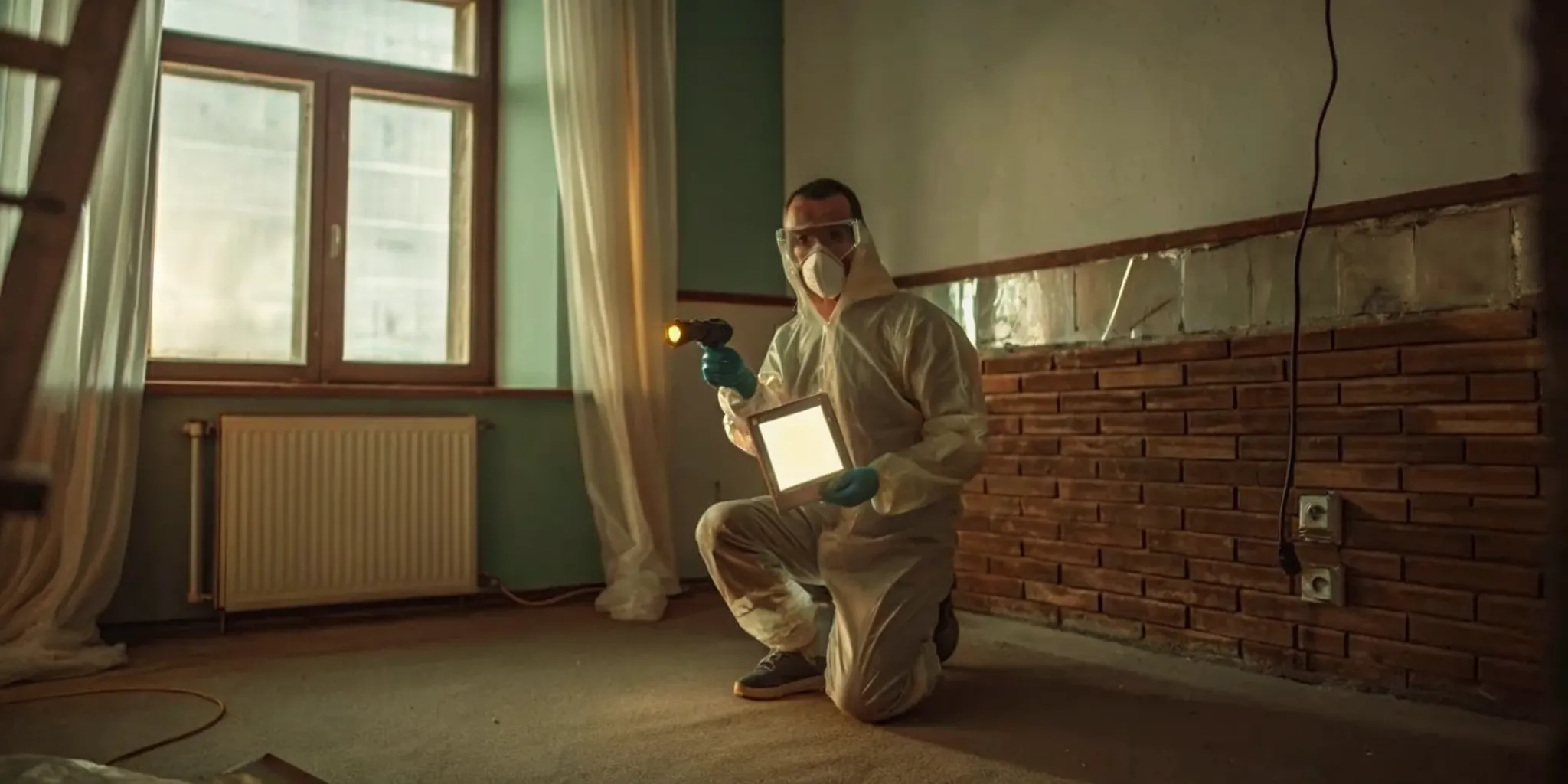
Restoration contractors use advanced equipment that goes far beyond what you’d find in a standard cleaning toolkit. This is a key reason why their work is so effective. They use high-powered air scrubbers and HEPA vacuums to capture microscopic smoke particles from the air, improving air quality and preventing them from resettling. To remove soot from delicate surfaces without causing more damage, they use special cleaning techniques like dry-ice blasting or chemical sponges. For persistent odors that have seeped into porous materials, they may use thermal foggers or ozone generators, which neutralize odor-causing molecules at their source. This specialized approach ensures a thorough, lasting restoration that a DIY effort simply can't match.
How to Choose the Right Fire Damage Restoration Contractor
Finding the right professional to handle fire damage restoration is one of the most important decisions you'll make in your recovery process. This isn't a standard renovation; it requires specialized skills to address everything from structural integrity to smoke and soot removal. A great contractor will not only restore your home but also give you peace of mind. To make sure you’re hiring a true expert, focus on three key areas: their certifications, their specific experience with fire damage, and their official credentials.
Look for These Essential Certifications
Fire damage restoration is a science. Professionals need specific training to handle soot, smoke, water damage from firefighting, and odor removal safely and effectively. That’s where certifications come in. Look for contractors certified by the Institute of Inspection, Cleaning and Restoration Certification (IICRC). Key certifications include Fire and Smoke Damage Restoration Technician (FSRT) and Odor Control Technician (OCT). Failing to check for these credentials is a common misstep for homeowners. Verifying that a company’s team is properly trained ensures they have the knowledge to do the job right and won’t cause further damage.
Gauging Their Experience and Expertise
While it can be tempting to choose a contractor based on the lowest bid, experience should be your top priority. A general contractor, even a great one, may not have the specific expertise needed for fire restoration. You need a team that has handled projects like yours before. Ask potential contractors about their experience with fire, smoke, and water damage restoration specifically. You can use a hiring a contractor checklist to guide your questions. How many fire restoration jobs have they completed in the last year? Can they provide references from past clients with similar situations? Their answers will give you a clear picture of their capabilities and help you avoid hiring someone who is learning on your home.
Verify Their Insurance and Licensing
This step is non-negotiable. Any legitimate contractor will be properly licensed and insured, and they should be able to provide proof without hesitation. First, confirm they have a valid contractor's license for your state; for example, you can check California’s database through the Contractors State License Board (CSLB). Next, ask for a certificate of insurance that shows they have both general liability and workers' compensation coverage. This protects you from being held financially responsible for any accidents or property damage that might happen during the restoration. A company operating without proper insurance is a major red flag and a risk you can’t afford to take.
What to Expect to Pay for Fire Damage Restoration
After a fire, one of the first questions on your mind is likely, "How much is this going to cost?" It's a completely valid concern, and the answer can vary quite a bit. The final bill depends on the extent of the damage, where you live, and the materials in your home. While every situation is unique, understanding the typical costs and the factors that influence them can help you prepare for the road ahead.
A reputable restoration contractor will be transparent about their pricing from the start. They should provide a detailed, itemized estimate after assessing the damage, so you know exactly what you're paying for. This isn't just about cleaning up; it's about safely and effectively restoring your home so you can move back in with peace of mind. Let's break down what you can generally expect to pay.
Average Costs by Damage Level
The cost to repair fire damage can range from a few thousand dollars to well over six figures. For minor incidents, like a small kitchen fire that only caused smoke damage, you might pay around $3,000. However, the typical homeowner pays about $27,175 for fire damage restoration. For a major fire that compromises your home's structure, the costs can easily climb past $50,000 and even approach $180,000. These figures cover everything from water removal and soot cleaning to structural repairs and odor elimination, giving you a realistic picture of the potential financial scope of the project.
What Factors Influence the Final Price?
The single biggest factor determining your final cost is the extent of the damage. This includes not just the flames but also the impact of smoke, soot, and the water used to put out the fire. Your location also plays a significant role; labor and material costs are higher in areas like California compared to other states. The types of materials in your home matter, too—restoring custom cabinetry and high-end flooring will cost more than standard finishes. Finally, how quickly the fire was extinguished can make a difference. A faster response from the fire department often means less damage and, consequently, a lower restoration bill.
Watch Out for These Hidden Fees
Dealing with the aftermath of a fire is stressful enough without financial surprises. To protect yourself, always get a detailed, written contract before any work begins. Be wary of vague estimates or contractors who are hesitant to put everything in writing. Pay close attention to phrases like "additional charges may apply" and ask for specific examples of what those charges could be. An unclear contract is a major red flag that could leave you vulnerable to unexpected costs down the line. A trustworthy professional will walk you through their estimate line by line and answer all your questions upfront.
Your First Steps After a House Fire
Dealing with the aftermath of a house fire is incredibly overwhelming. It’s hard to know where to even begin when you’re processing what just happened. Before you think about rebuilding, there are a few immediate, critical steps to take. Your focus right now should be on safety, documentation, and getting the right help on the way. Taking a deep breath and moving through this checklist one item at a time can bring a sense of order to a chaotic situation and set you up for a smoother recovery process. Think of these as your foundational first actions that will pave the way for everything that comes next.
Your Top Priority: Safety
Before you do anything else, you must confirm the property is safe. Your first instinct might be to rush inside to see the damage for yourself, but please wait. First responders, like the fire department, are the only ones who can determine when it’s safe to re-enter your home. They need to check for structural damage, hot spots that could reignite, and other hazards you can’t see. Listen carefully to their instructions and stay clear of the area until they give you the official go-ahead. Your safety, and your family's safety, is the only thing that matters in these first few hours.
How to Document the Damage
Once officials have declared the area safe, your next job is to document everything. This step is absolutely essential for your insurance claim. From a safe distance, use your phone to take as many photos and videos as you can. Capture wide shots of every affected room and then zoom in on specific areas of damage. Don’t forget to document the exterior of your home as well. The more visual evidence you have, the better. This documentation creates a clear record of the property's condition right after the incident, which will be invaluable when you file your claim and begin working with adjusters.
When to Call the Pros
With your initial documentation in hand, it’s time to make two very important calls. First, contact your insurance company immediately to report the fire and start the claims process. The sooner you call, the sooner they can assign an adjuster to your case and guide you on their specific procedures. Second, you’ll want to find a professional fire damage restoration contractor. Acting within the first 24 to 48 hours is crucial to prevent further damage from soot, smoke, and water. A dedicated partner can help you find and vet qualified professionals to ensure your home is in good hands from the very start.
Key Questions to Ask Potential Contractors
Once you have a shortlist of potential contractors, it’s time to start the interview process. This is your chance to understand their expertise, process, and communication style. Treating this step like a job interview is the best way to find a reliable partner who can handle the complexities of fire restoration. A good contractor will welcome your questions and provide clear, confident answers. This conversation is just as much about gauging their professionalism and trustworthiness as it is about their technical skills.
Coming prepared with a specific list of questions helps you compare contractors fairly and ensures you don’t forget anything important during a stressful time.
Your Contractor Interview Checklist
When you speak with a potential contractor, you’re looking for experience, transparency, and a solid plan. Use these questions as a guide to get the information you need to make a confident decision. A trustworthy professional will have no problem answering them in detail.
Here’s what to ask:
- Are you licensed, insured, and certified for fire restoration work? Ask for their license number and proof of insurance. This is non-negotiable for your protection.
- Can you walk me through your fire damage restoration process? They should be able to explain their steps for assessment, cleanup, and repair clearly.
- What equipment and techniques do you use for smoke and soot removal? This shows their level of expertise and whether they use up-to-date methods.
- How soon can you start, and what is the estimated timeline? A quick response is critical, but a realistic timeline is just as important.
- Will you help me with my insurance claim? Many experienced restoration contractors can help you manage the claims process, which can be a huge relief.
Red Flags to Watch For
Just as important as knowing what to look for is knowing what to avoid. During your interviews, keep an eye out for warning signs that could signal future problems. A contractor who seems evasive, unprofessional, or overly focused on a quick payment should raise immediate concerns. Trust your gut—if something feels off, it probably is.
Be cautious if a contractor:
- Is hesitant to provide their license, insurance, or certifications. A legitimate professional will have these documents ready.
- Gives you a vague or unclear contract. The scope of work, timeline, and costs should be spelled out clearly to prevent surprise charges later.
- Pressures you to sign a contract immediately. You should always have time to review estimates and documents without feeling rushed.
- Offers a surprisingly low bid. An estimate that is significantly lower than others may indicate cut corners, low-quality materials, or inexperience. Choosing a contractor based on price alone can lead to bigger costs down the road.
How to Get a Detailed, Accurate Estimate
A clear and comprehensive estimate is the foundation of a successful restoration project. It protects you from unexpected costs and ensures you and your contractor are on the same page. Don’t settle for a single number on a piece of paper; a professional estimate should break down the costs associated with labor, materials, and any subcontractor fees. This transparency is a key indicator of a contractor’s professionalism.
To get the best estimate, follow these steps:
- Request a written, itemized estimate. This document should detail every aspect of the job, from smoke removal to structural repairs.
- Ask for clarification on all costs. Make sure the company is upfront about any potential charges. If you see vague phrases like “additional charges may apply,” ask exactly what they cover.
- Get multiple estimates. Comparing at least three detailed estimates from different contractors gives you a much better sense of fair market pricing for the work your home needs. This is a standard part of the renovation planning process and is essential for making an informed financial decision.
Why You Should Hire a Pro (and Avoid DIY)
After a fire, it’s natural to want to jump in and start cleaning up. Taking action can feel empowering in a situation that feels completely out of your control. But when it comes to fire damage, a DIY approach can often cause more harm than good. The damage is almost always more complex than it appears, involving hidden risks from soot, smoke, and water. Bringing in a professional restoration contractor is the safest and most effective way to ensure your home is properly restored and safe to live in again.
The Professional Advantage vs. DIY Risks
Professional restoration crews come equipped with specialized tools and knowledge that you simply don’t have access to. They use industrial-grade air scrubbers, thermal foggers, and cleaning agents to completely remove soot and smoke particles from every surface, including inside your walls and HVAC system. Attempting to clean soot yourself can permanently embed it into drywall and upholstery. More importantly, pros can identify and address structural damage and electrical hazards that are invisible to the untrained eye, protecting your family from long-term health risks and ensuring your home’s integrity.
How a Pro Can Help Your Insurance Claim
Dealing with an insurance claim is overwhelming on its own, let alone after a fire. A certified restoration contractor is a huge asset here. They are experienced in documenting damage in the precise way that insurance companies require. They’ll provide a detailed, itemized estimate that justifies the scope of work, which helps streamline the claims process and ensures you get the full amount you’re entitled to. Think of them as a key part of your recovery team, handling the technical details so you can focus on your family. This kind of expert guidance is central to how Realm helps homeowners manage complex projects.
The Long-Term Benefits of a Professional Job
Cutting corners with a DIY cleanup almost always leads to bigger problems down the road. The most common issue is a persistent smoke odor that reappears in humid weather because the soot particles were never fully removed. Professionals eliminate this problem at the source. They also properly handle water damage from firefighting efforts, preventing dangerous mold growth. By hiring a certified pro, you’re investing in your home’s future value and your family’s health. A professional restoration provides peace of mind that the job was done right, ensuring your home is truly clean and structurally sound for years to come.
How Quickly Does Restoration Need to Start?
After a fire, it’s completely normal to feel overwhelmed and unsure of what to do next. While you should take a moment to process everything, it’s important to know that when it comes to fire damage, the clock starts ticking the moment the flames are out. Moving quickly can have a massive impact on how much of your home and belongings can be saved.
Why Acting Fast is Crucial
The first 24 to 48 hours after a fire are what professionals call the "golden hours." During this critical window, a swift response can prevent minor issues from becoming major, irreversible problems. Soot and smoke residue are acidic and can cause surfaces to stain, tarnish, and corrode if left to sit. Plus, water damage from firefighting efforts can quickly lead to mold growth. An immediate response stops this secondary damage in its tracks, ultimately saving you time, money, and stress during the restoration process.
What to Expect from an Emergency Response
When you call a professional restoration team, they’ll jump into action immediately. Their first visit isn't about long-term rebuilding; it's about emergency mitigation to stabilize your home. Most pros follow a clear, multi-step fire restoration process that starts with assessing the full scope of the damage and securing your property by boarding up windows or tarping the roof. From there, they focus on removing water and debris, followed by a deep cleaning and disinfecting process using specialized equipment to eliminate soot and smoke odor for good. This initial response sets the stage for a smoother, more effective final restoration.
Debunking Common Fire Damage Restoration Myths
After a fire, you’ll likely get a lot of advice from well-meaning friends, family, and online forums. But misinformation can lead to costly mistakes and long-term problems. Let’s clear up a few common myths about fire damage restoration so you can move forward with confidence.
The Truth About Smoke Odor
One of the most persistent myths is that the smoky smell will eventually air out on its own. Unfortunately, that’s not how it works. Smoke particles are microscopic and incredibly invasive, working their way into porous materials like drywall, wood, carpet, and upholstery. A smoke-damaged home will continue to smell like smoke because these particles are trapped deep within your home’s structure and furnishings. Professional restoration teams use specialized equipment, like thermal foggers or ozone generators, to neutralize these odor-causing particles at a molecular level, which is something a simple fan in a window can’t do.
The Limits of a DIY Approach
It’s tempting to think you can save money by tackling the cleanup yourself, but this often does more harm than good. Widespread myths about DIY cleaning methods create false expectations that can lead to bigger problems. Soot isn’t just dirt; it’s often acidic and can cause materials to corrode or stain permanently if not treated with the right techniques and cleaning agents. Professionals have the training, protective gear, and industry-specific tools to safely and effectively remove soot and smoke residue. They understand how to handle different types of damage, ensuring the job is done right the first time. Finding the right team is the first step, and Realm’s process is designed to connect you with vetted experts.
What Your Insurance Might Not Cover
Many homeowners hesitate to call for professional help because they assume it will be too expensive and that their insurance won’t cover the cost. In reality, most standard homeowner's insurance policies do cover professional fire damage restoration. Delaying a proper cleanup can actually cost you more in the long run. If secondary issues like mold or corrosion develop because the initial damage wasn’t addressed correctly, your insurance provider might not cover those subsequent repairs. The best first step is to review your policy and contact your insurance agent. Many restoration companies have extensive experience working with insurance claims and can help you navigate the process, which is especially critical in the wake of events like regional wildfires.
How Contractors Work With Your Insurance Company
After a fire, the last thing you want to deal with is a complicated insurance claim. This is where a great fire damage restoration contractor becomes more than just a builder—they become a crucial partner. Experienced contractors understand the insurance process inside and out. They speak the same language as adjusters and know exactly what documentation is needed to process your claim efficiently and fairly. Think of them as the liaison between your home’s recovery needs and your insurance company’s requirements.
Choosing a contractor who is skilled at working with insurance providers can dramatically reduce your stress. They can help ensure that the scope of work approved by your insurer accurately reflects the full extent of the damage, preventing you from facing unexpected costs down the line. This partnership allows you to focus on your family and the process of getting back to normal, while your contractor handles the technical details of the restoration and the administrative side of the claim. At Realm, we connect homeowners with vetted professionals who have a proven track record of managing these complex projects and working effectively with insurance carriers.
How They Support Your Insurance Claim
A good restoration contractor acts as your advocate with the insurance company. They will meet the insurance adjuster at your property to walk them through the damage, pointing out issues that might not be immediately obvious. With their professional expertise, they can provide a detailed, accurate assessment of what it will take to restore your home, ensuring nothing is overlooked. This is critical because an adjuster’s initial estimate may not capture the full scope of smoke, soot, and water damage from firefighting efforts. The contractor’s input helps justify the costs and scope of the project, making it more likely that your claim will cover the necessary repairs.
The Documentation They'll Handle for You
The paperwork involved in an insurance claim can be overwhelming, but a professional contractor will manage it for you. They provide comprehensive documentation, including itemized estimates, photo evidence of the damage, detailed invoices, and progress reports, all in the format that insurance companies require. This meticulous record-keeping is essential for a smooth and successful claim process. It removes the burden from your shoulders and provides the insurer with the clear, professional evidence they need to approve payments. This level of organization is a hallmark of a reliable contractor and is something we prioritize when we vet vendors for our network.
Understanding Direct Billing Options
Many fire restoration contractors offer direct billing to insurance companies, which can be a huge financial relief. This means the contractor sends their invoices directly to your insurance provider for the covered portion of the work. You are typically only responsible for paying your deductible and the cost of any upgrades or work not covered by your policy. This arrangement simplifies the payment process and minimizes your upfront, out-of-pocket expenses. Before work begins, always confirm with both your contractor and your insurer that direct billing is an option and that everyone is clear on the payment terms.
Related Articles
- The LA Wildfire Debris Removal Process
- LA Wildfire Recovery
- Avoiding scams after the LA wildfires: What every homeowner needs to know
- Navigating the insurance process after LA wildfires
Frequently Asked Questions
Is a fire damage contractor different from a regular general contractor? Yes, they are very different. While a general contractor is skilled at building and remodeling, a fire damage restoration contractor has specialized training to handle the unique aftermath of a fire. They are experts in dealing with smoke and soot removal, water damage from firefighting, and odor elimination. They use specific techniques and equipment to ensure your home is not just repaired, but also safe and clean on a microscopic level.
Will my homeowner's insurance cover the cost of professional restoration? In most cases, yes. Standard homeowner's insurance policies typically cover the cost of restoring your home to its pre-fire condition. However, it's essential to contact your insurance agent immediately after a fire to understand the specifics of your policy and your coverage limits. A professional restoration company can work directly with your insurance adjuster to provide the detailed documentation needed for your claim.
How long will the entire restoration process take? The timeline can vary significantly depending on the extent of the damage. A small kitchen fire might only take a few weeks to repair, while a major fire that affects your home's structure could take several months. The process involves multiple stages, including initial damage assessment, water removal, cleaning, and finally, reconstruction. A reliable contractor will provide you with a realistic timeline after they've thoroughly inspected the property.
Can any of my personal belongings be saved after a fire? It’s surprising how many items can be salvaged by professionals. Restoration companies have specialized techniques to clean and deodorize a wide range of personal belongings, including furniture, clothing, electronics, and important documents. They can assess which items are salvageable and which are not, helping you recover more than you might think is possible.
Do I have to use the contractor my insurance company recommends? No, you have the right to choose your own licensed and certified contractor. While your insurance company may provide a list of preferred vendors, you are not obligated to hire from it. It's always a good idea to research and interview at least three different contractors to find the one you feel most comfortable with and who you trust to handle your home's recovery.