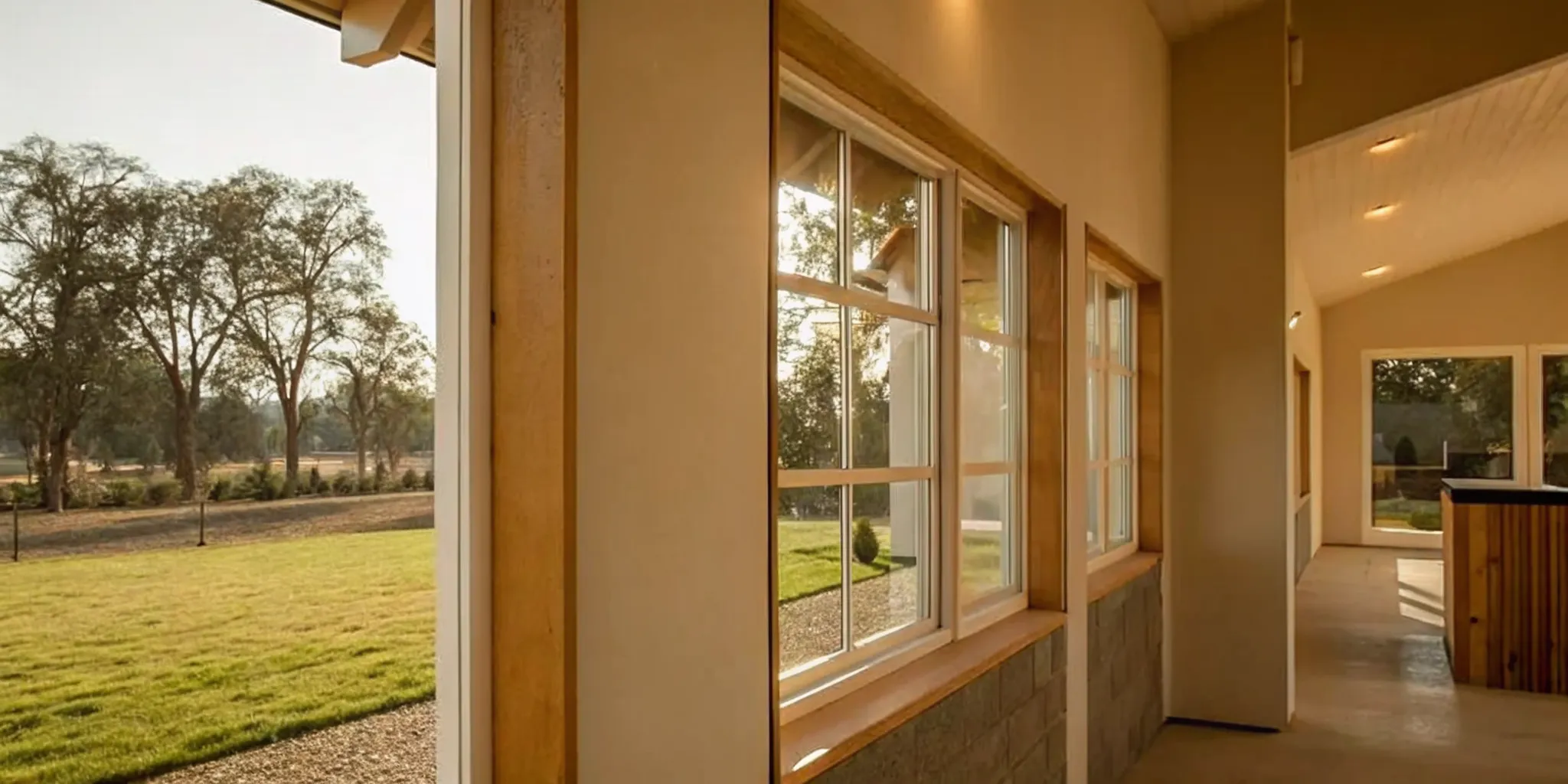
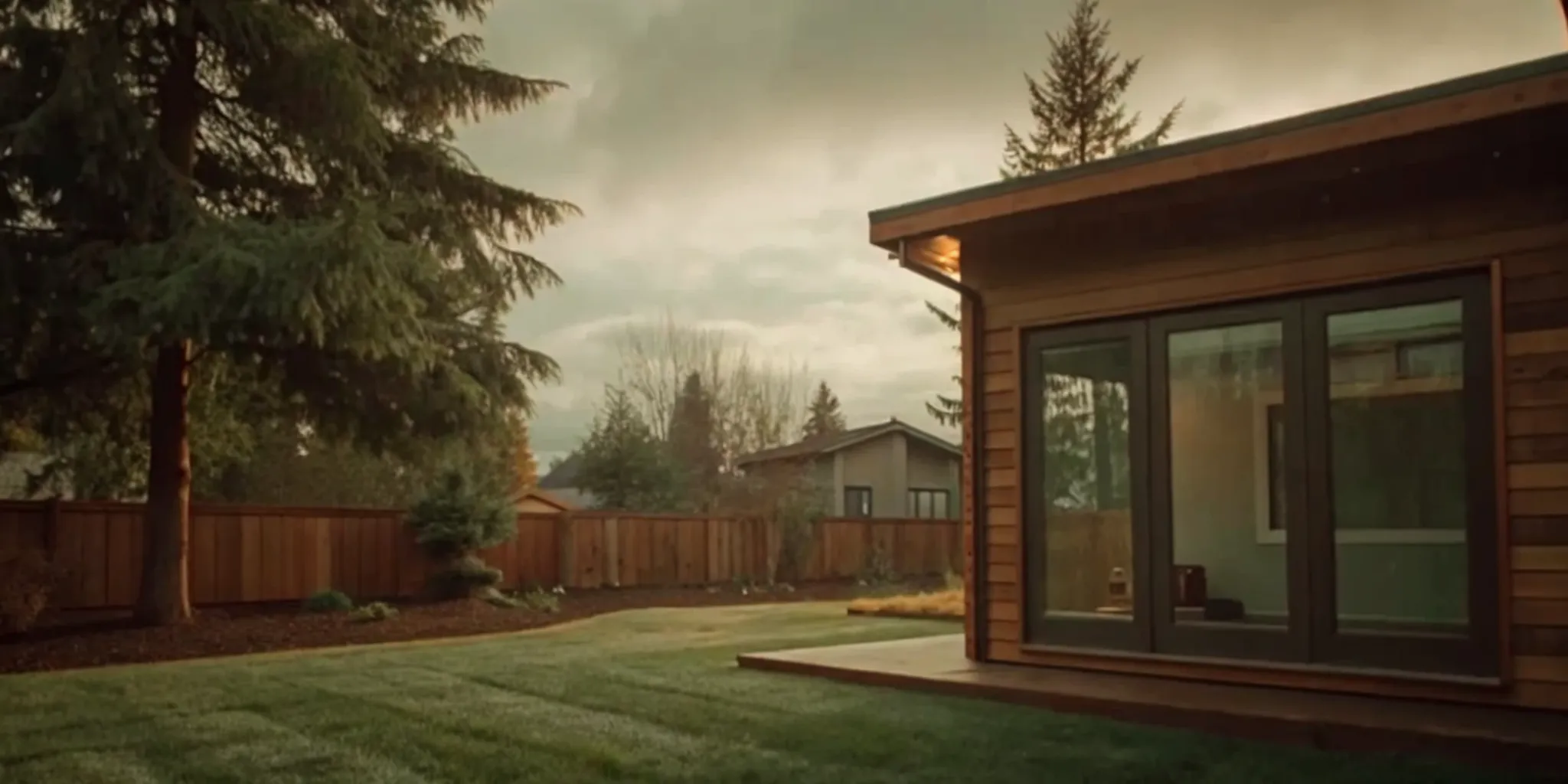
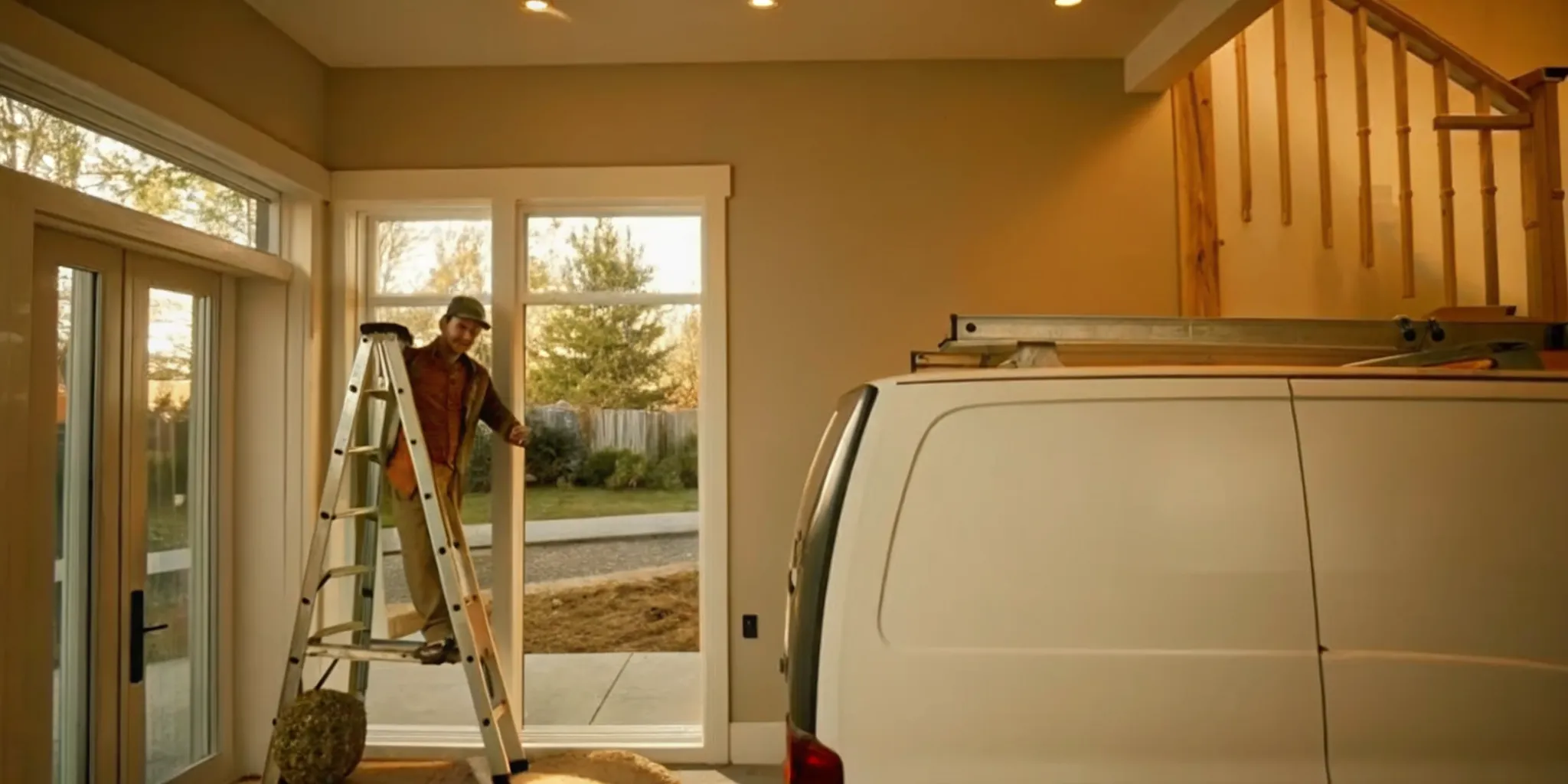
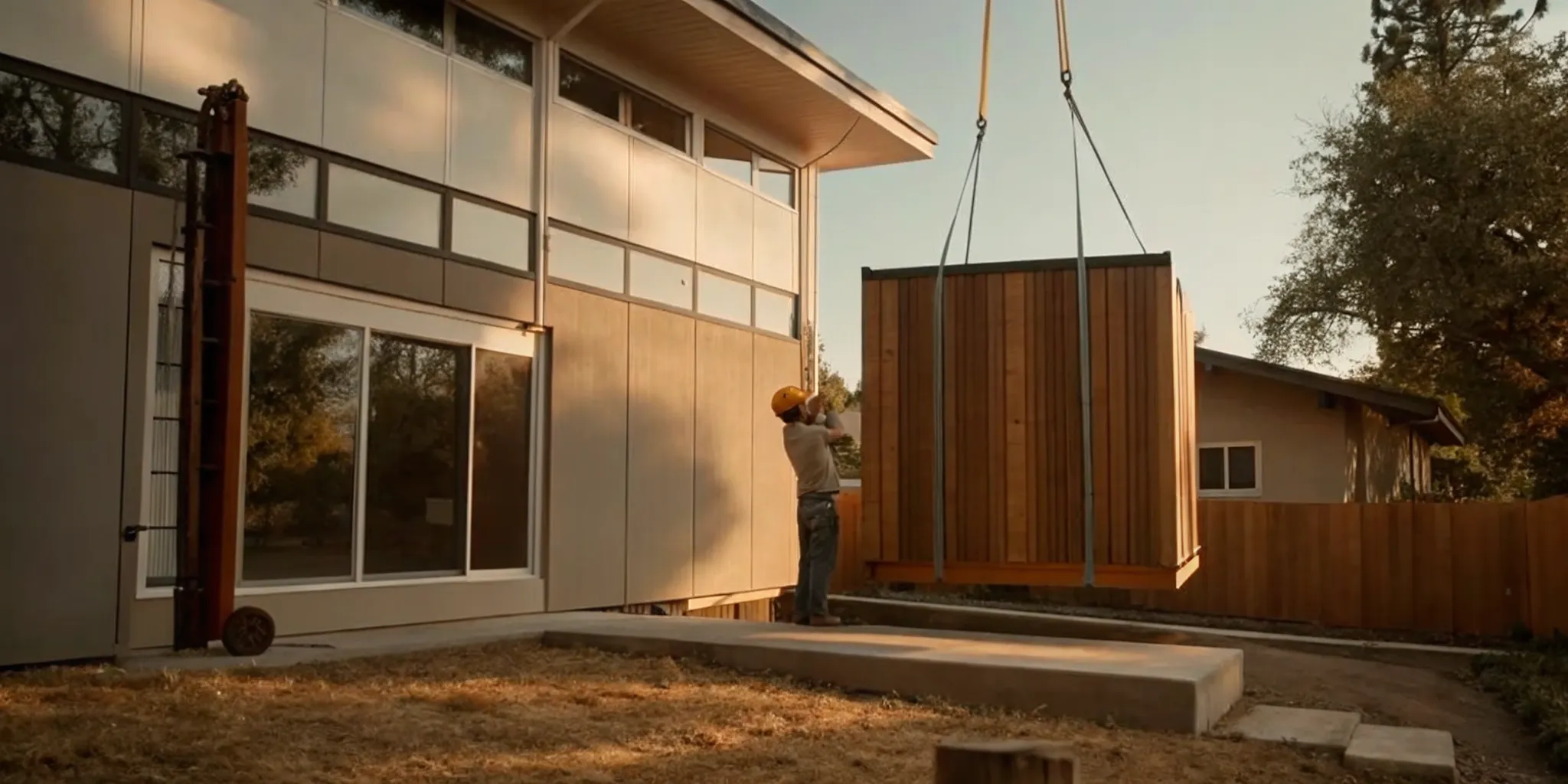
Inspiring Garage Conversion Ideas: Before and After
See real garage conversion ideas before and after, plus tips to turn unused space into a home office, guest suite, gym, or family room.
|
November 13, 2025

In this article:
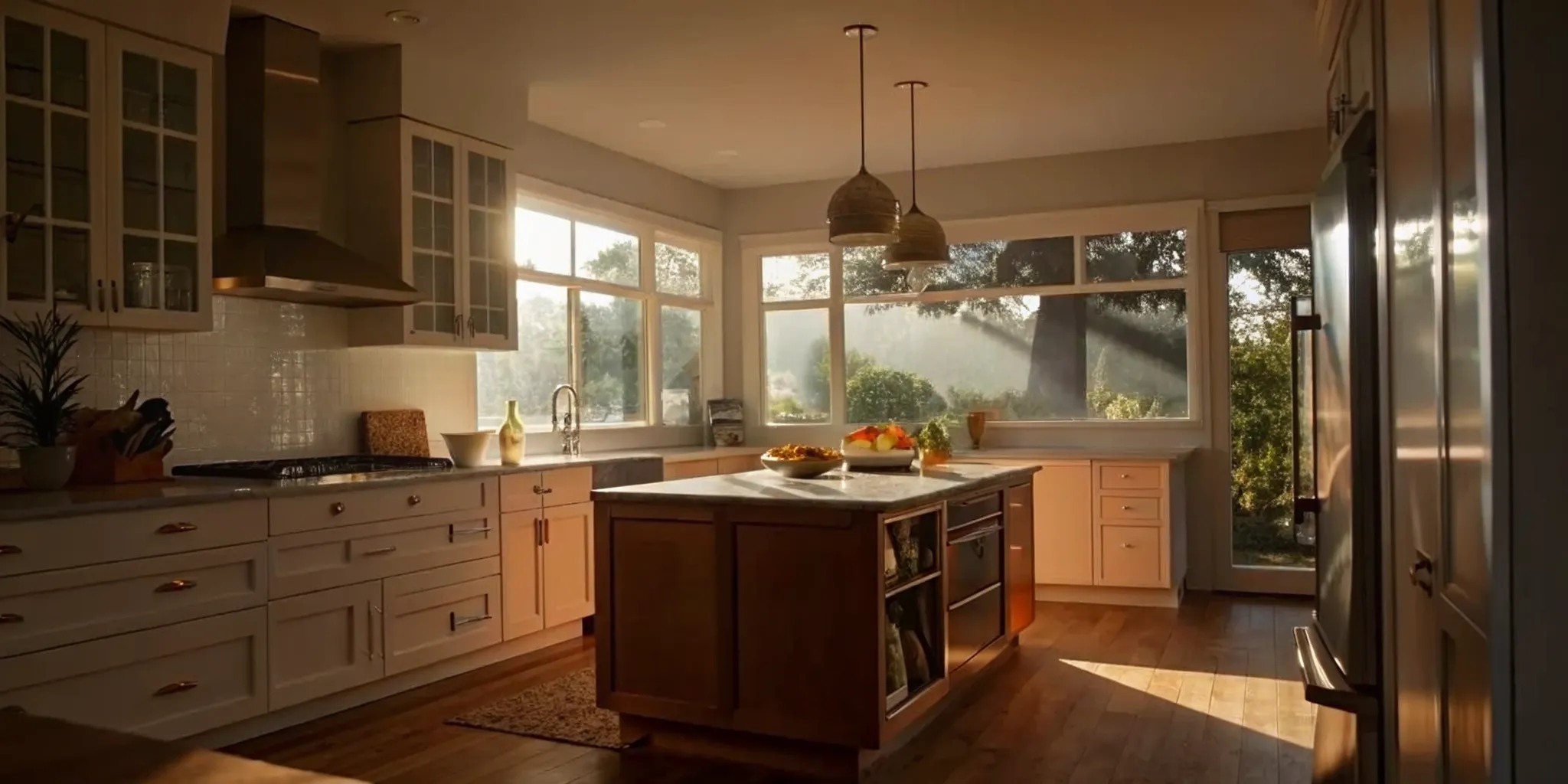
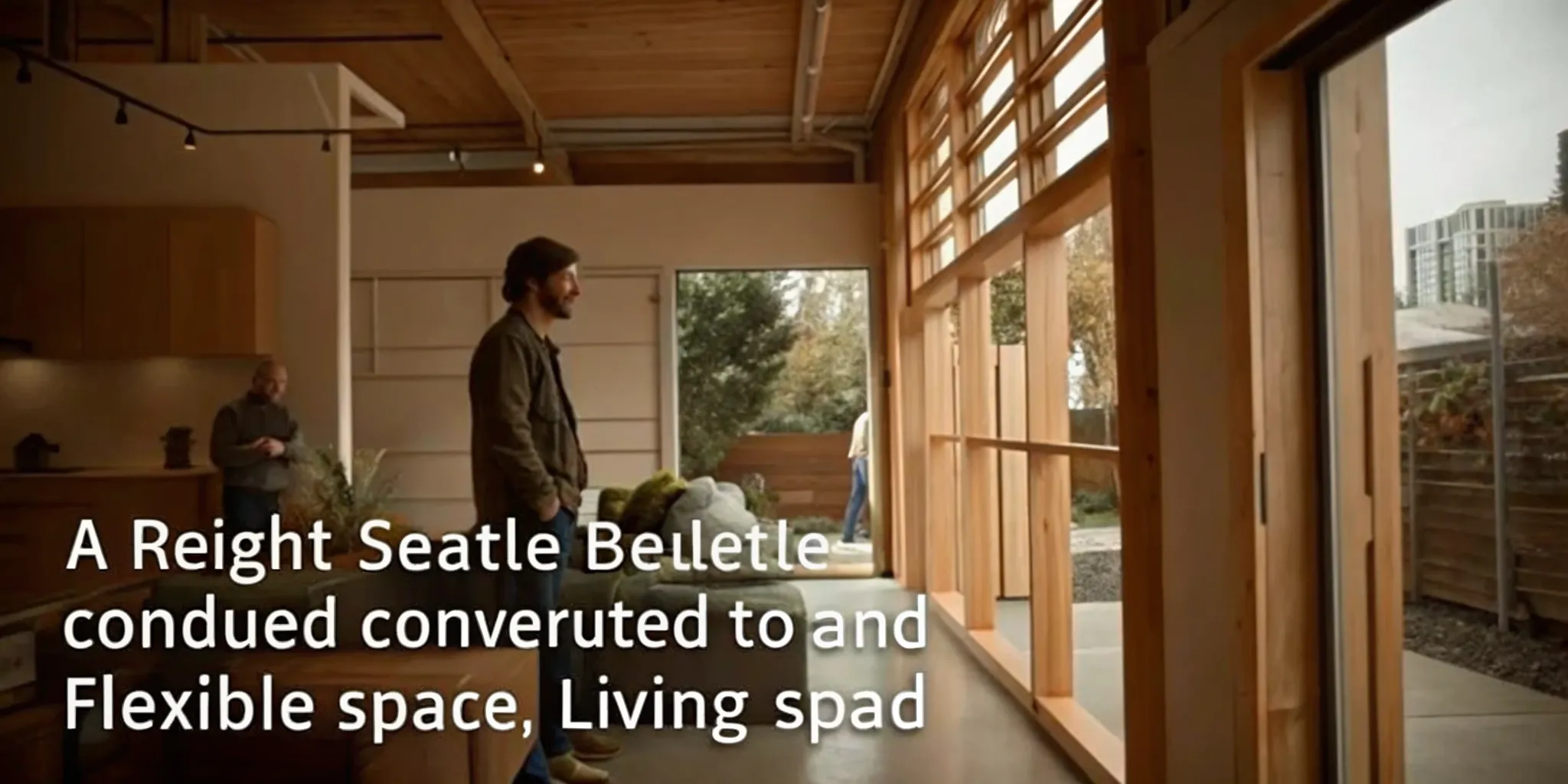
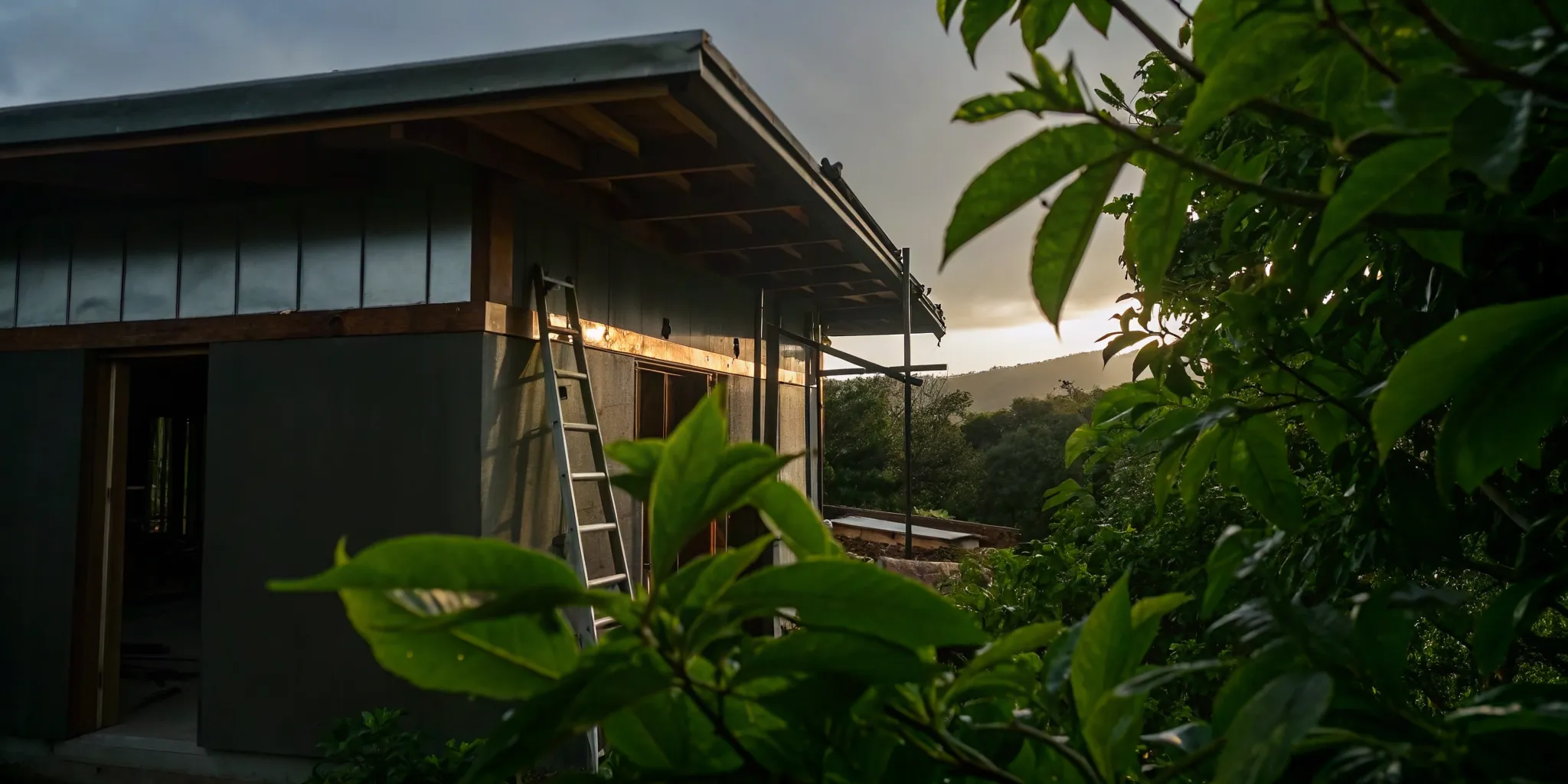
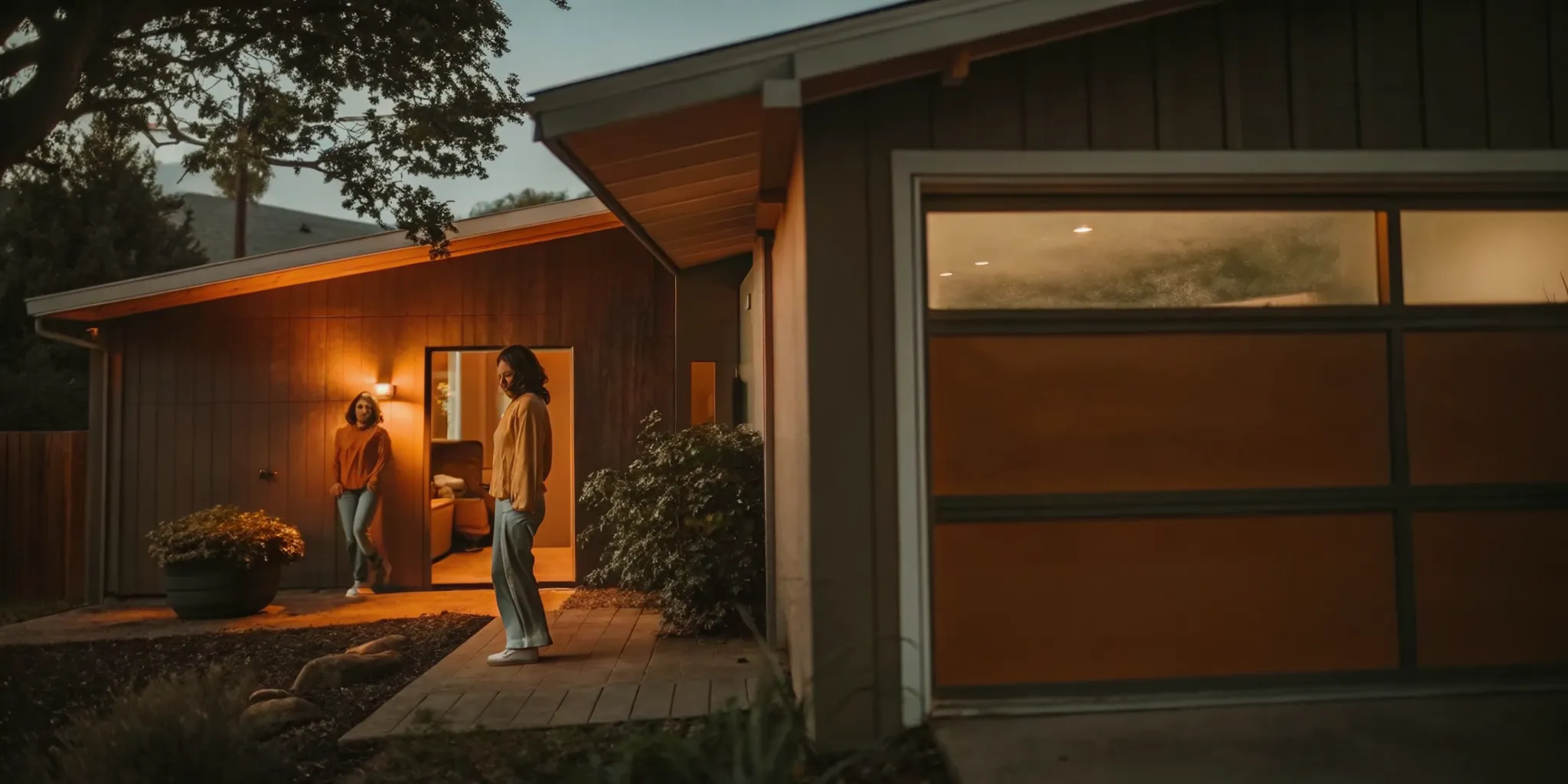
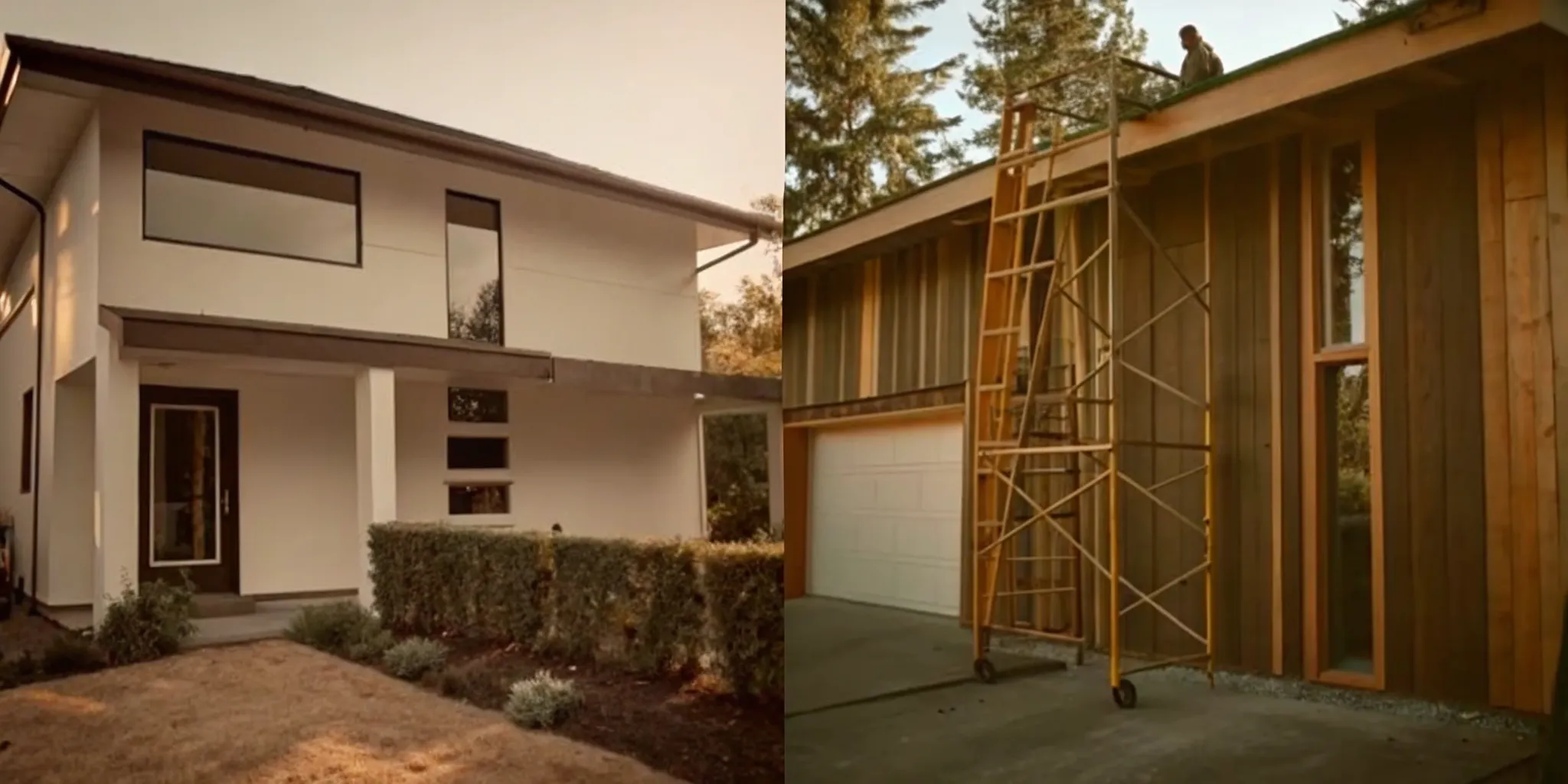
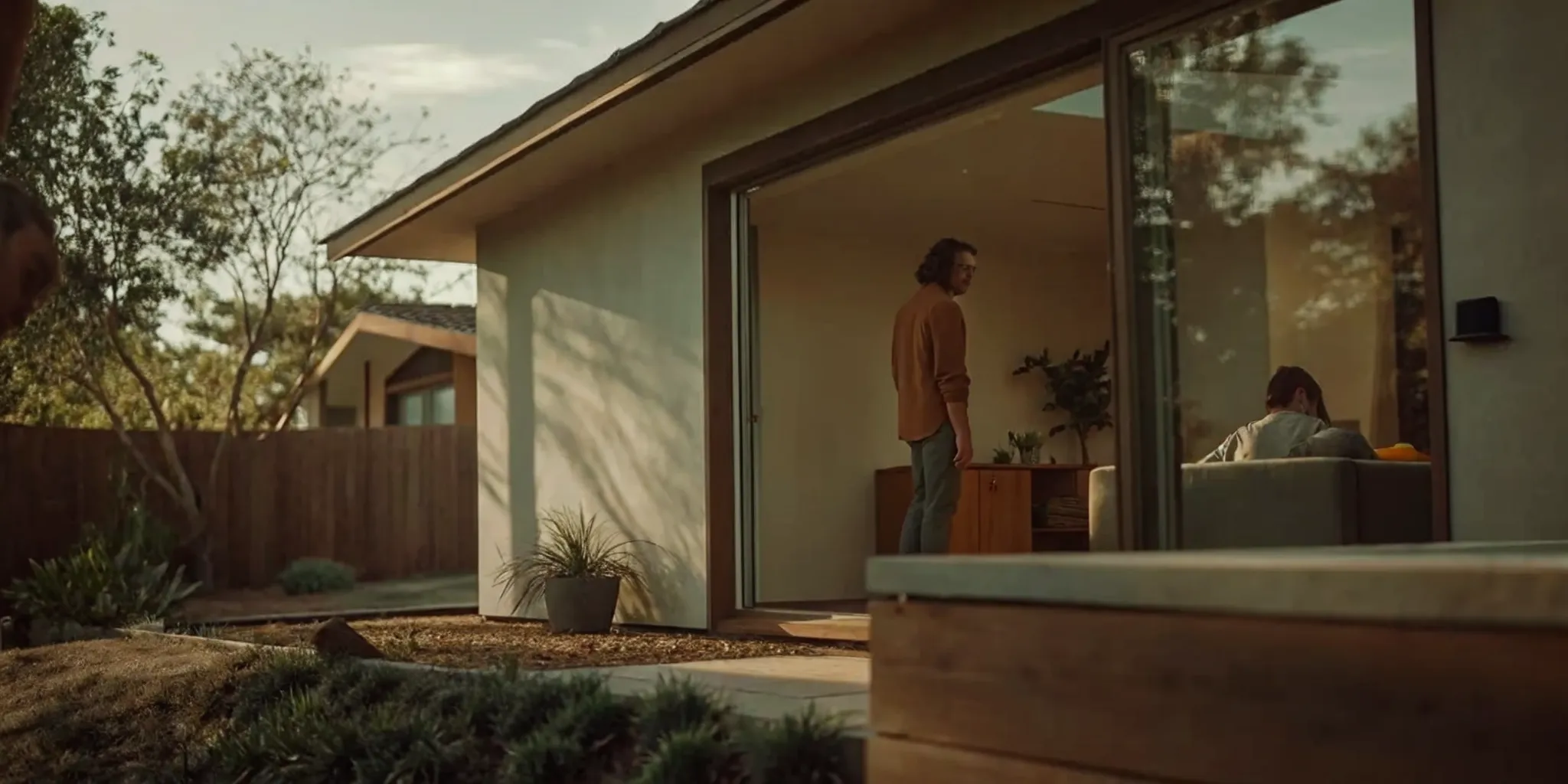
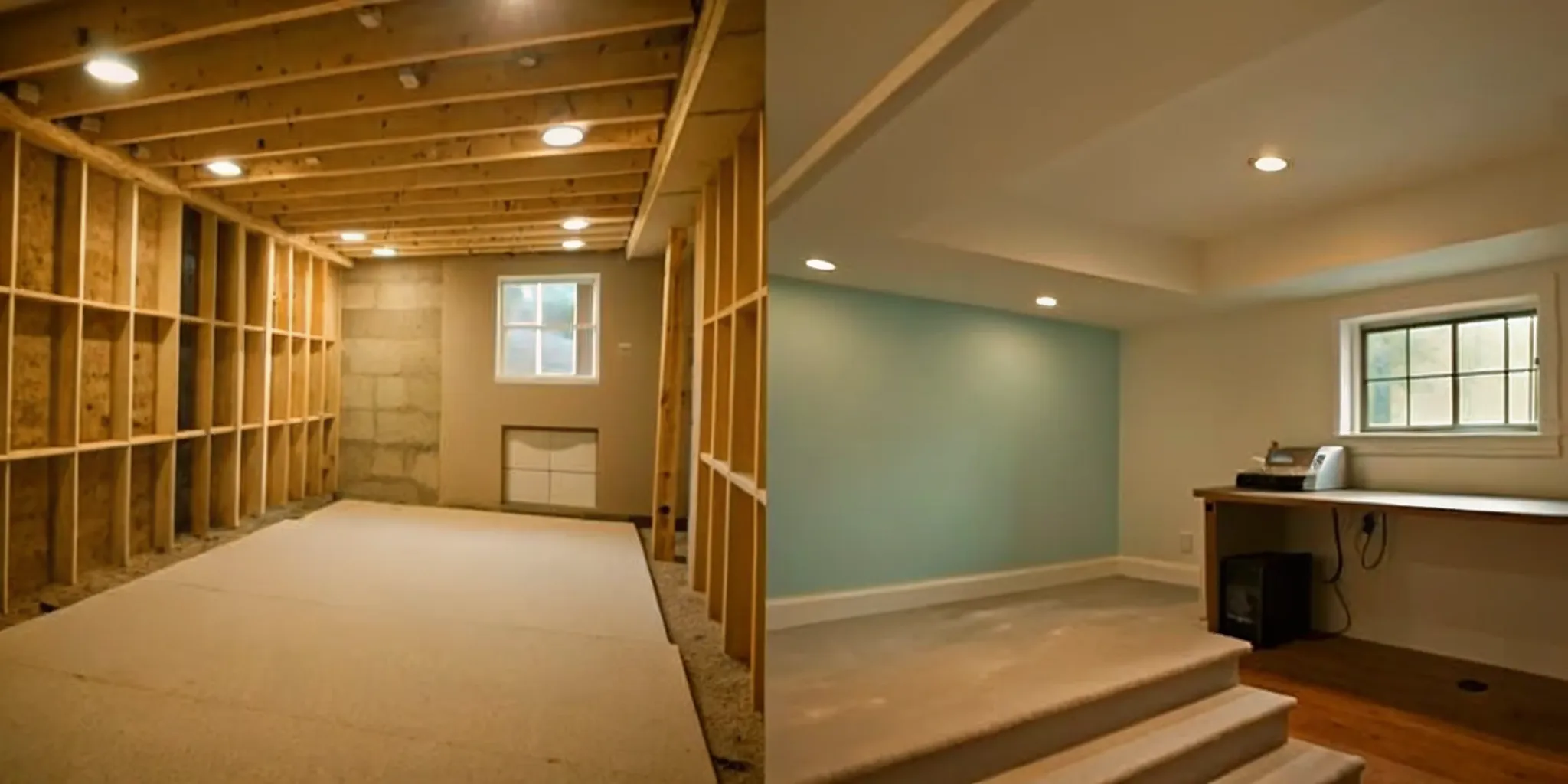
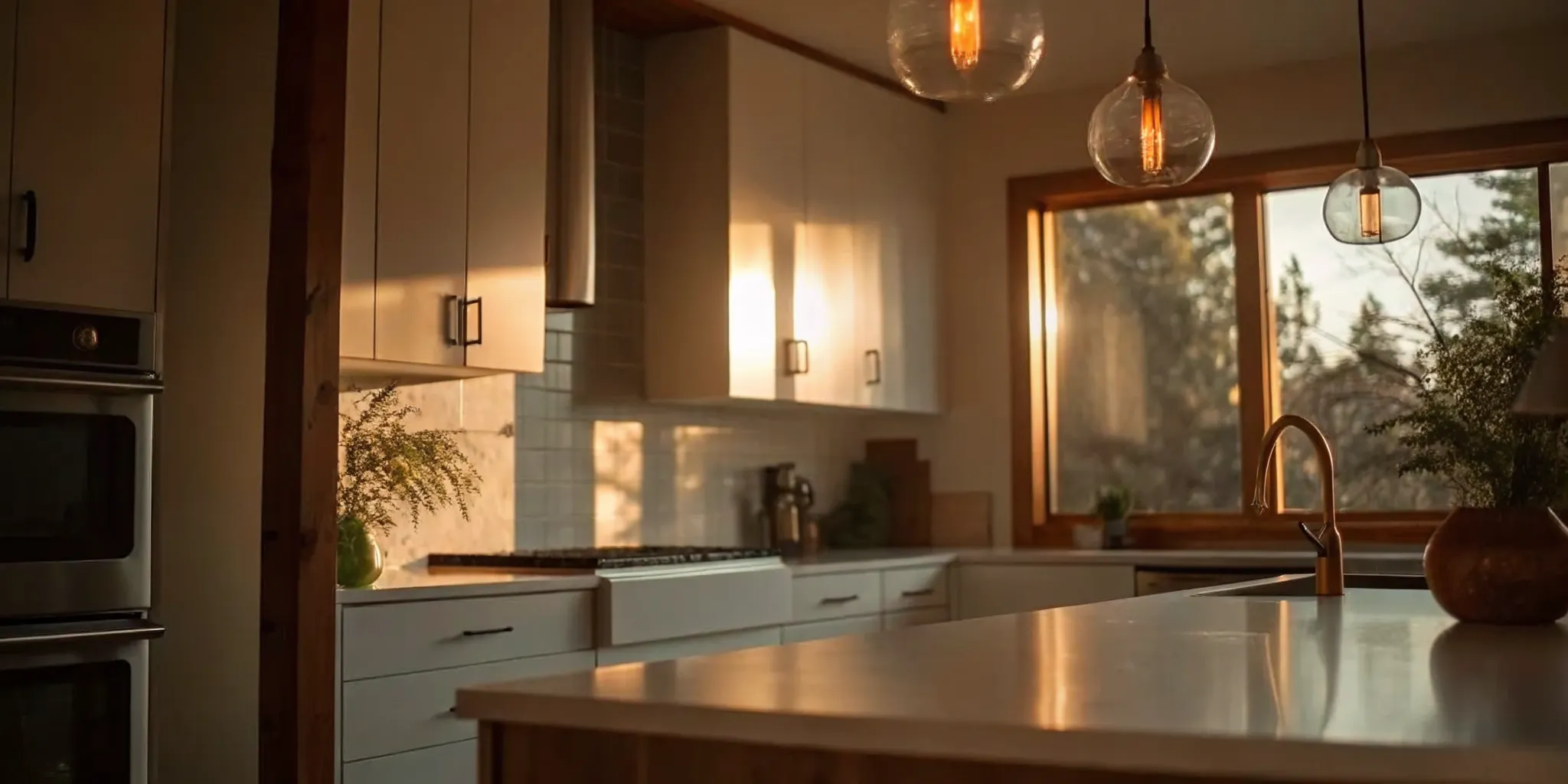
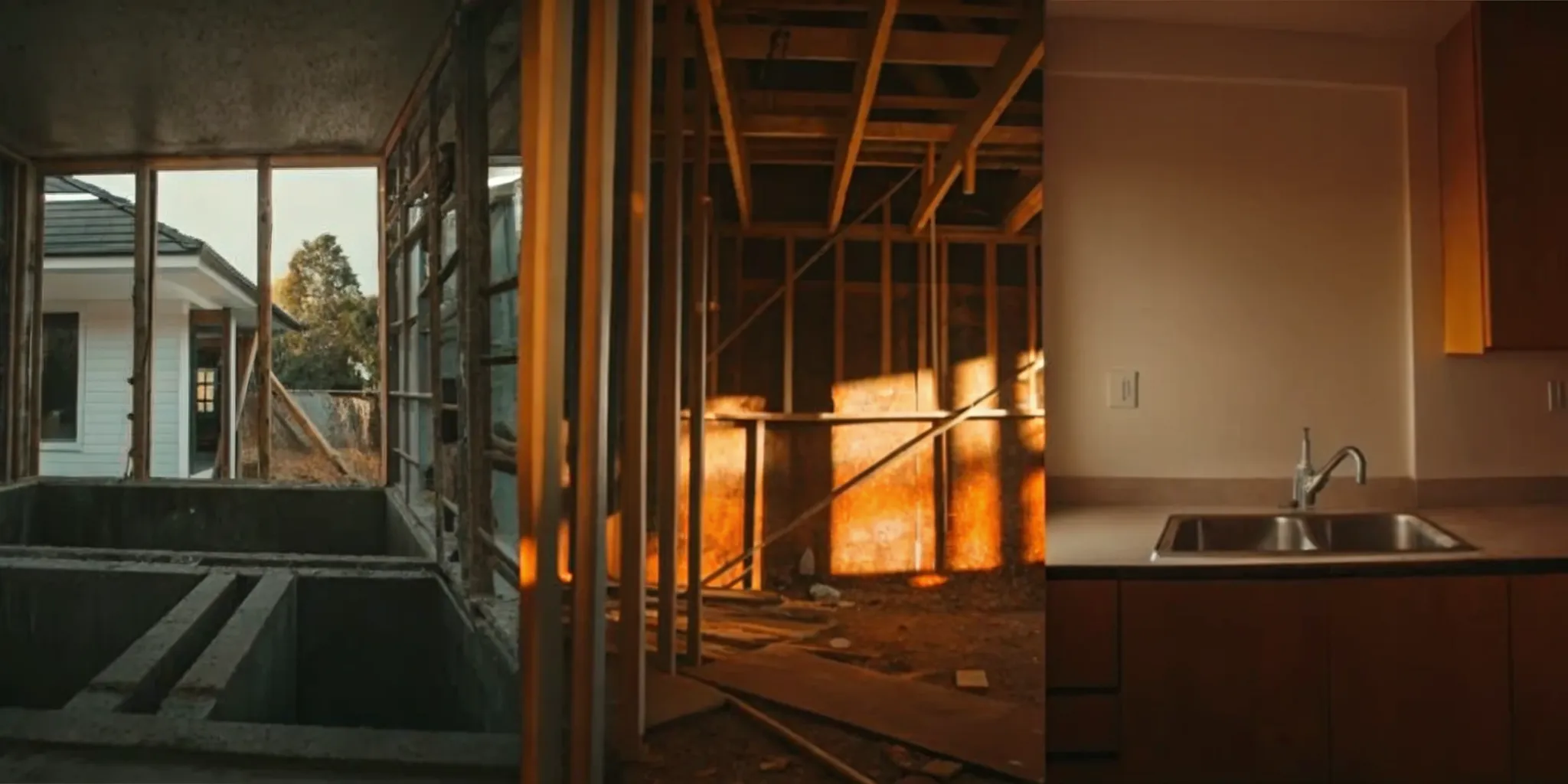
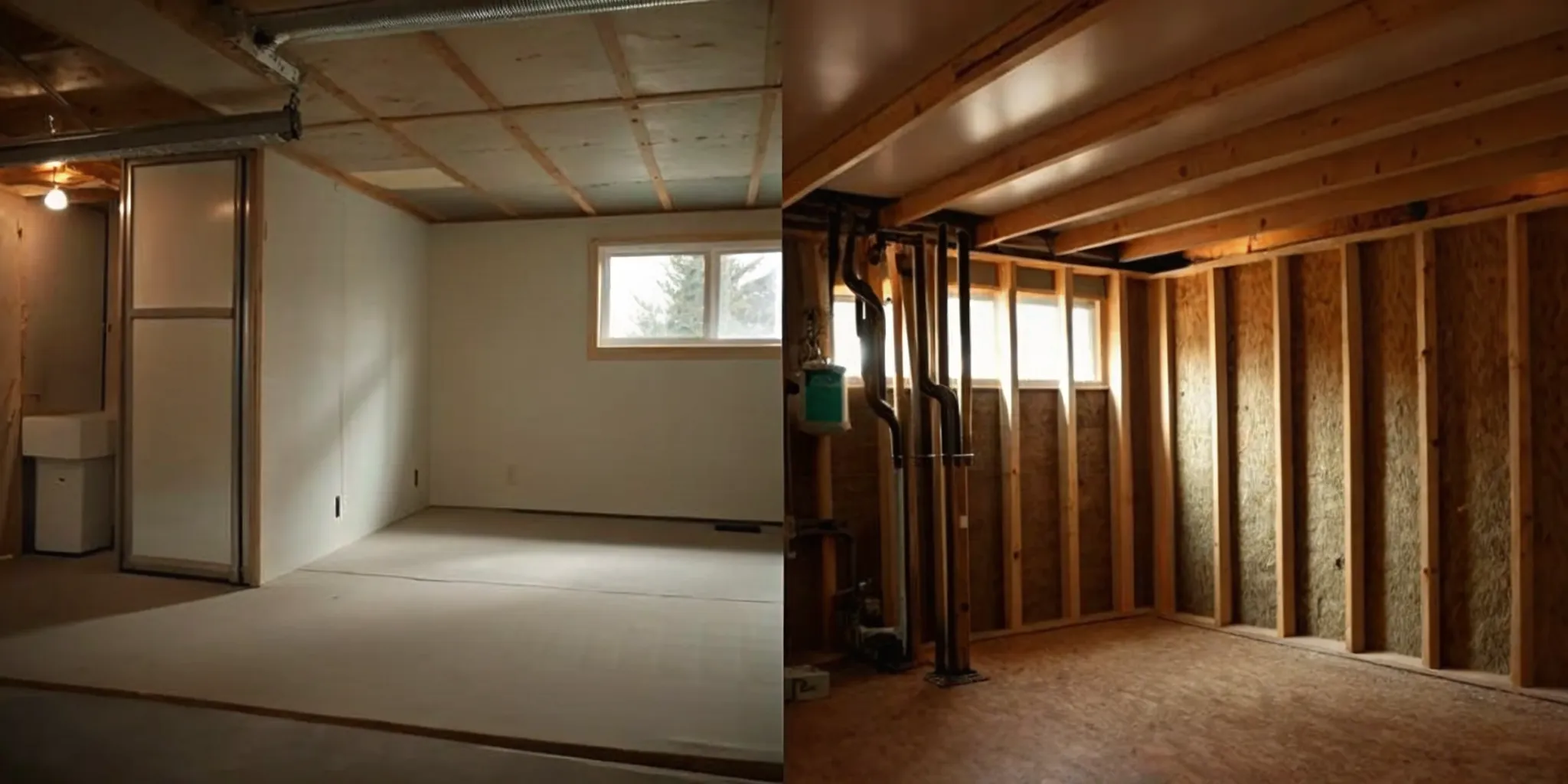
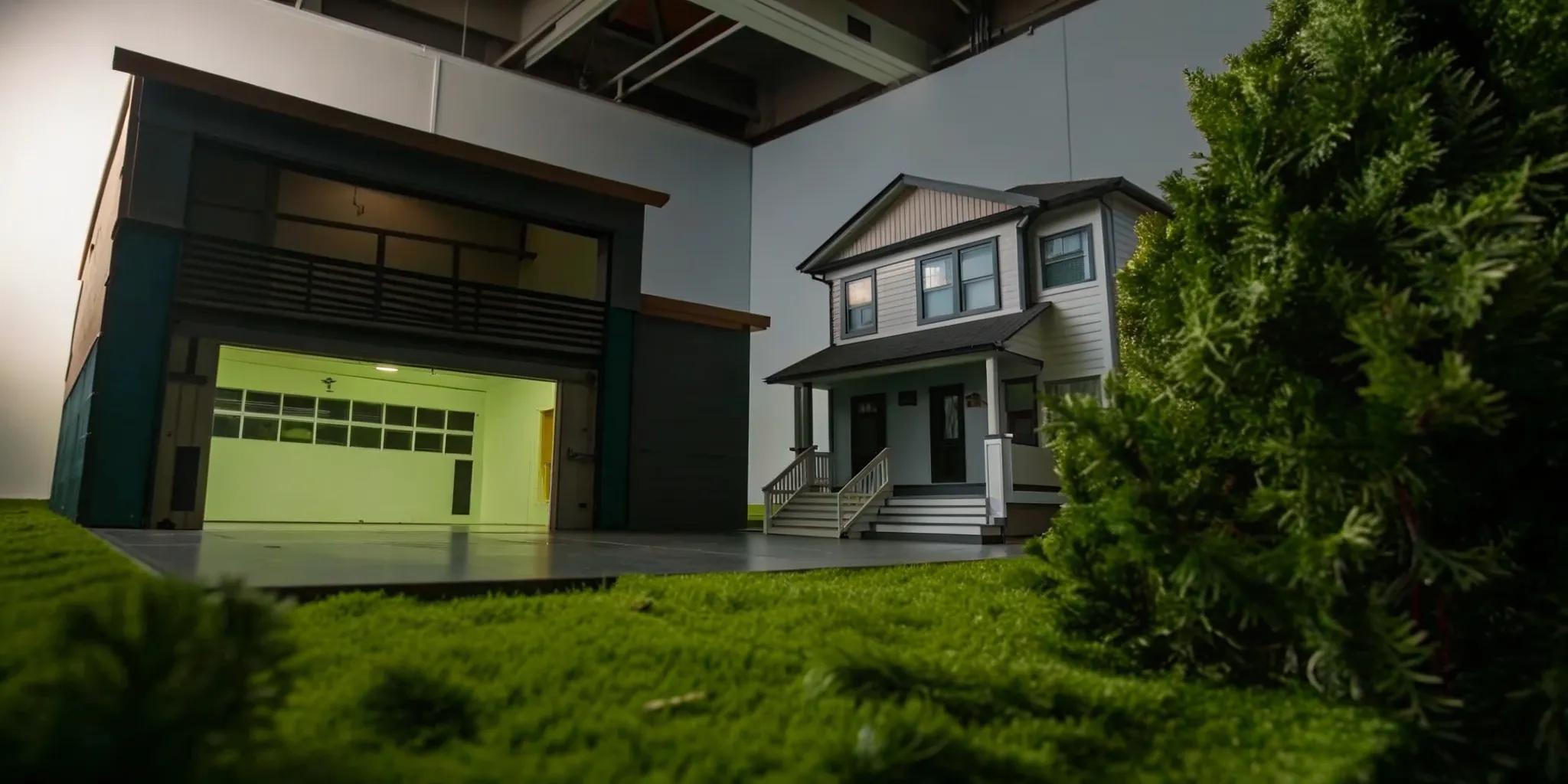
There’s something incredibly satisfying about a dramatic transformation. It’s why we love scrolling through garage conversion ideas before and after photos—they show the amazing potential hiding in plain sight. That dark, cluttered garage can become a bright, airy art studio, a cozy home theater, or a fully equipped guest apartment. This project is your chance to get creative and design a space that’s all about your passions and needs. If you’re in the dreaming phase, this guide is for you. We’ll move from inspiration to action, covering everything from popular design concepts to the practical steps required to bring your vision to life and create your own stunning 'after' photo.
Key Takeaways
- Address the Unseen Essentials First: A successful conversion depends on getting the foundational work right. Prioritize permits, structural assessments, and utility planning before you start designing to avoid costly surprises and ensure the space is safe and comfortable.
- A Garage Conversion is a Smart Investment: This project does more than just add a room; it adds significant value and flexibility to your home. A well-planned conversion can offer a high return and make your property more appealing, whether you use it as a home office, guest suite, or gym.
- Design for Comfort to Erase the 'Garage' Feel: To make the new space feel like a true part of your home, focus on elements that create a welcoming environment. This means installing proper insulation, a dedicated climate control system, and layered lighting to overcome the area's original limitations.
Garage Conversion Ideas to Inspire Your Project
If you’re looking for more usable square footage, the answer might be right under your own roof. Converting your garage is one of the smartest ways to add functional living space to your home without the cost and complexity of a full-scale addition. It’s a chance to get creative and design a room that perfectly fits your family’s needs, whether that’s a quiet place to work, a private suite for guests, or a dedicated spot for your hobbies. So often, garages become cluttered with forgotten boxes and things we mean to sort through "someday." Reclaiming that space gives you a fresh start and a brand new room tailored to you.
A garage conversion can transform an underused area into one of the most valuable parts of your home. Think of it as a blank canvas. With the right planning and design, you can create a space that not only makes your daily life better but also increases your property value. The possibilities are truly exciting, from practical solutions like a home office to fun additions like a game room. Let’s explore some popular ideas to get your imagination going. If you're ready to see what's possible for your home, you can get a personalized plan that breaks down the costs, timeline, and potential return on your investment.
Create a Home Office or Workspace
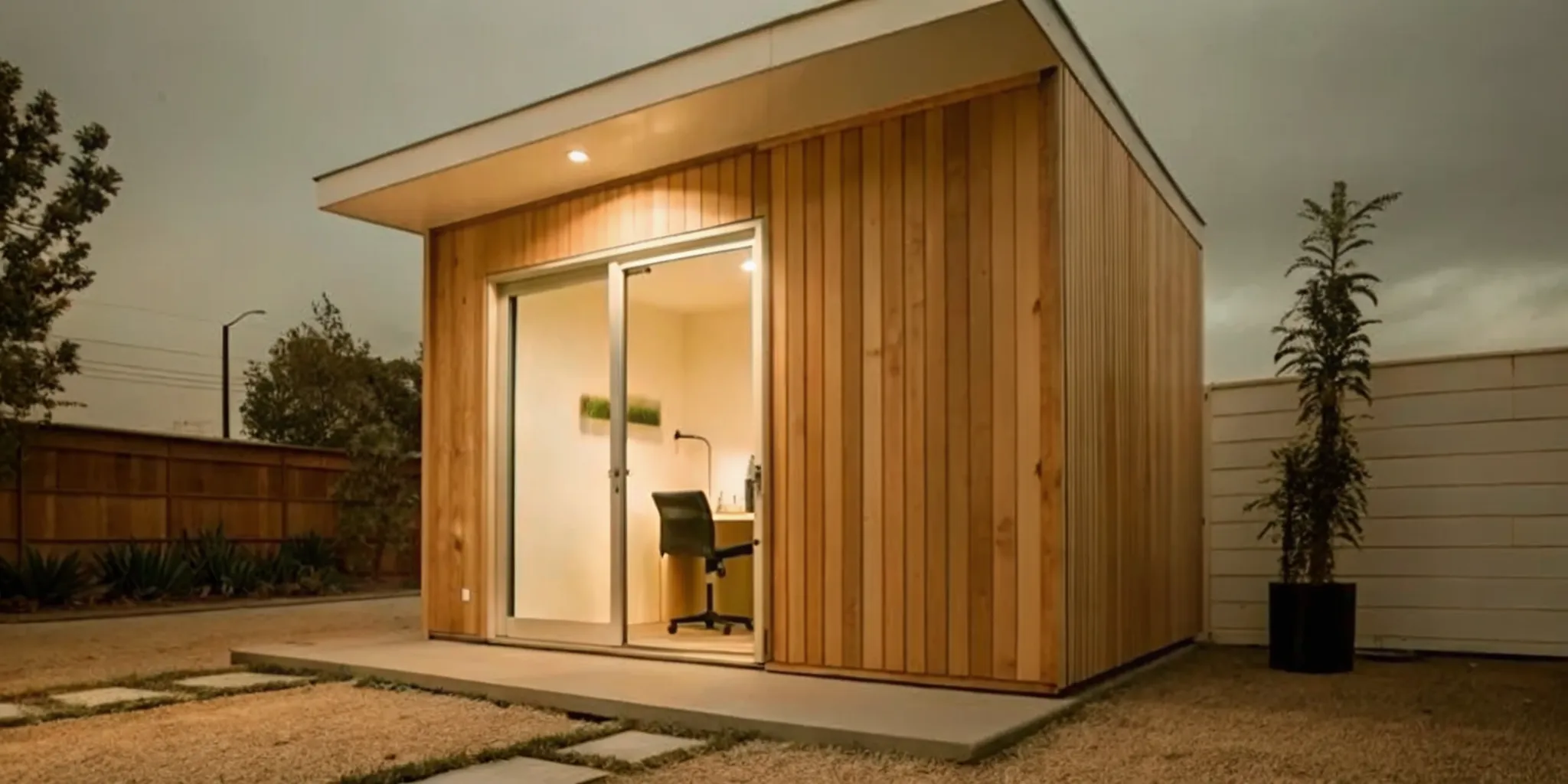
With more people working from home than ever, a dedicated office is no longer a luxury—it's a necessity. Converting your garage into a home office gives you a quiet, separate space to focus, take calls, and keep your work life from spilling into your living areas. This transformation provides a dedicated workspace and adds a ton of functionality to your home. Imagine a bright, organized room with built-in shelving, great lighting, and a door you can close at the end of the day. It’s the perfect solution for creating a healthy work-life balance while making your property more attractive to future buyers.
Design a Guest Suite or Extra Bedroom
Turning your garage into a guest suite or an Accessory Dwelling Unit (ADU) is a fantastic way to add versatility to your home. This isn't just about adding a spare bedroom; you can create a complete living space with its own bathroom, kitchenette, and entrance. An ADU is perfect for hosting long-term guests, housing aging parents, or giving adult children their own space. It can also become a source of rental income, helping you offset the project costs. This type of garage conversion significantly enhances your home’s appeal and flexibility for whatever life throws your way.
Build an Entertainment or Recreation Room
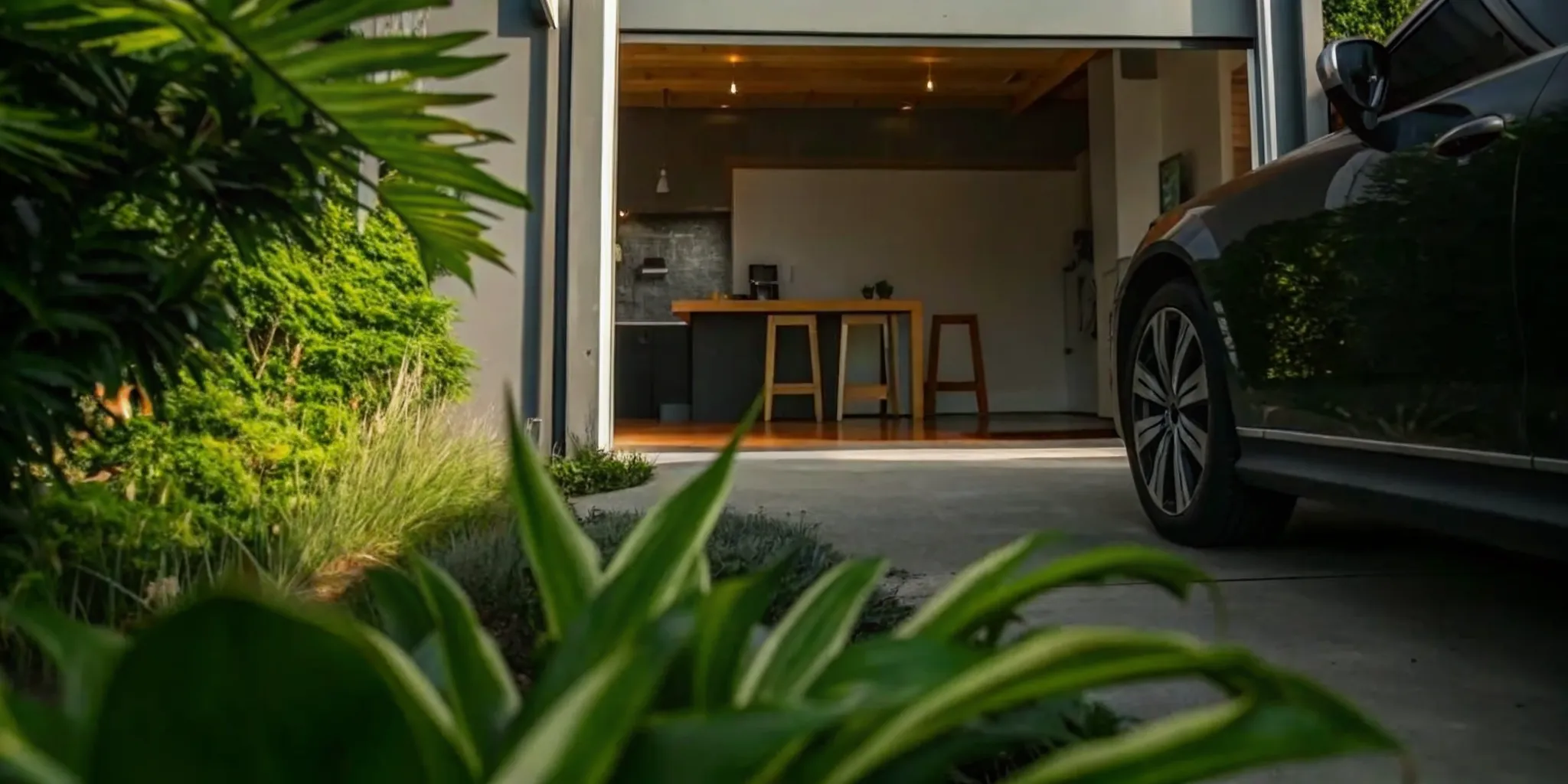
Why not dedicate your extra space to pure fun? Transforming your garage into an entertainment or recreation room creates a go-to spot for family and friends to gather. You could design a cozy home theater with a big screen and comfy seating, a game room with a pool table and arcade machines, or a soundproofed music studio for the aspiring musician in your family. This is your chance to build a space that reflects your passions, whether it’s a woodworking shop, an art studio, or a kids' playroom. It’s all about creating a vibrant area for leisure that makes your home more enjoyable for everyone.
Set Up a Home Gym or Wellness Space
Skip the gym membership and create a personalized wellness space just steps from your door. A garage is the perfect size for a home gym, whether you’re into weightlifting, cardio, or yoga. You can install durable flooring, mirrors, and all the equipment you need to stay active. But it doesn’t have to stop there—consider creating a true wellness retreat with a sauna, a meditation corner, or a massage table. A home gym not only supports a healthy lifestyle but also adds serious value to your property. Homeowners often see a great return on their investment when they add functional, health-oriented spaces like this.
What to Consider Before You Start
Before you start picking out paint colors and furniture, there are a few practical steps you need to take. A garage wasn't originally designed as a living area, so addressing the structural, legal, and environmental basics is the key to a successful, safe, and comfortable conversion. Getting these foundational elements right from the beginning will save you from major headaches and unexpected costs down the road. Think of it as building a strong base for your creative vision. By tackling these considerations first, you ensure your new space is not only beautiful but also fully functional and built to last.
Assess Structural and Safety Needs
Your garage was built to house cars, not people. That’s why a thorough structural assessment is non-negotiable. One of the most common complications in a garage renovation is encountering structural issues that need to be addressed, like foundation problems or the need for additional support beams. You’ll want a professional to check the integrity of the foundation, walls, and roof. Are there any cracks? Is the concrete floor level? If you plan to add a second story or heavy fixtures, you’ll need to confirm the existing structure can handle the load. This is also the time to plan for safety essentials like proper egress windows and smoke detectors to ensure the space is up to code for habitation.
Understand Local Permits and Building Codes
Navigating the world of permits can feel daunting, but it’s a critical step you can’t afford to skip. As one expert notes, "The most common challenges I see when my clients are looking to convert their garage into living space are related to permits and local regulations." Every city has its own set of rules for converting a garage, especially if you’re creating an Accessory Dwelling Unit (ADU). These building codes dictate requirements for ceiling height, insulation, ventilation, and electrical wiring. Working with a professional who understands local regulations, like the team at Realm, can streamline this process and ensure your project is fully compliant, avoiding potential fines or legal issues.
Address Foundation and Flooring Issues
A common mistake in a garage conversion is overlooking the foundation and floor. Garage floors are typically concrete slabs that are sloped to allow for drainage, which isn't ideal for a living space. You'll need to level the floor before installing any finished flooring like wood, laminate, or carpet. This usually involves pouring a self-leveling compound. You also need to consider insulation. A cold, hard concrete slab will make the room feel chilly and uninviting. Installing a proper subfloor with a vapor barrier underneath will not only provide insulation but also protect your new floors from moisture seeping up from the ground.
Plan for Moisture Control and Waterproofing
Garages are prone to moisture, which can lead to mold, mildew, and an uncomfortable environment. As one designer points out, "Garage floors weren’t designed for comfort or warmth, making your new living space feel cold and industrial." To combat this, you need a solid waterproofing plan. This starts with sealing the concrete foundation and walls to prevent water intrusion. Installing proper insulation in the walls and ceiling is also crucial for both moisture and temperature control. Good ventilation, whether through windows or an exhaust fan, will help maintain healthy air quality and keep the space feeling fresh and dry year-round.
How Much Does a Garage Conversion Cost?
Figuring out the budget is one of the first steps in any renovation, and a garage conversion is no different. The final cost can swing quite a bit depending on how ambitious your plans are, where you live, and the materials you choose. A simple, functional office will cost much less than a fully equipped guest suite with a bathroom and kitchenette.
To give you a clearer picture, let's break down the typical costs into a few common budget ranges. Keep in mind that these are estimates, and getting a detailed quote from a professional is the best way to understand the investment for your specific project. At Realm, we help homeowners create a realistic budget and connect them with vetted contractors who can provide accurate pricing for their vision.
Budget-Friendly Options ($5,000-$15,000)
If you're looking for a straightforward update, you can create a comfortable, finished space for a relatively modest investment. In this price range, you can typically cover the essentials: insulating the walls and ceiling, adding drywall, installing durable flooring like vinyl or laminate, and running basic electrical for lights and outlets. This budget is perfect for creating a simple home gym, a kids' playroom, or a functional home office. While it won't include major plumbing or structural changes, it’s a fantastic way to add usable square footage and increase your home's value.
Mid-Range Transformations ($15,000-$35,000)
With a mid-range budget, you can start to incorporate more complex features and higher-quality finishes. This is where you can add a bathroom with a shower or a small kitchenette, making the space suitable for a guest suite or an in-law unit. This budget generally allows for upgraded flooring, better lighting fixtures, and the installation of a dedicated heating and cooling system, like a ductless mini-split. You might also be able to add a larger window or a new door to bring in more natural light and create a more seamless connection to the rest of your home.
High-End Conversions ($35,000+)
For those dreaming of a truly custom space, a high-end budget opens up a world of possibilities. This price point can cover a full-scale accessory dwelling unit (ADU) with a complete kitchen, a full bathroom, and separate living and sleeping areas. You can invest in premium materials like hardwood floors, custom cabinetry, stone countertops, and designer fixtures. This budget also accommodates more significant structural work, such as raising the ceiling or making large openings in exterior walls for expansive windows or glass doors. A high-end conversion essentially adds a small, beautifully finished apartment to your property.
Plan for Hidden Costs
No matter your budget, it’s smart to set aside a contingency fund—usually 10-15% of your total project cost—for unexpected expenses. During a garage conversion, you might uncover issues that need addressing before you can move forward. Common hidden costs include upgrading your home’s main electrical panel to support the new space, addressing any moisture or foundation issues, and ensuring the new living area meets all local building codes. Planning for these potential surprises from the start helps keep your project on track and your stress levels down.
How to Plan Your Garage Conversion
With your inspiration in hand, it’s time to move from dreaming to doing. A solid plan is the foundation of any successful renovation, and it’s what keeps your project on track and on budget. Breaking the process down into manageable steps makes it feel less overwhelming and helps you make smart decisions from the start. Let’s walk through the three key phases of planning your garage conversion.
Define Your Vision and Design
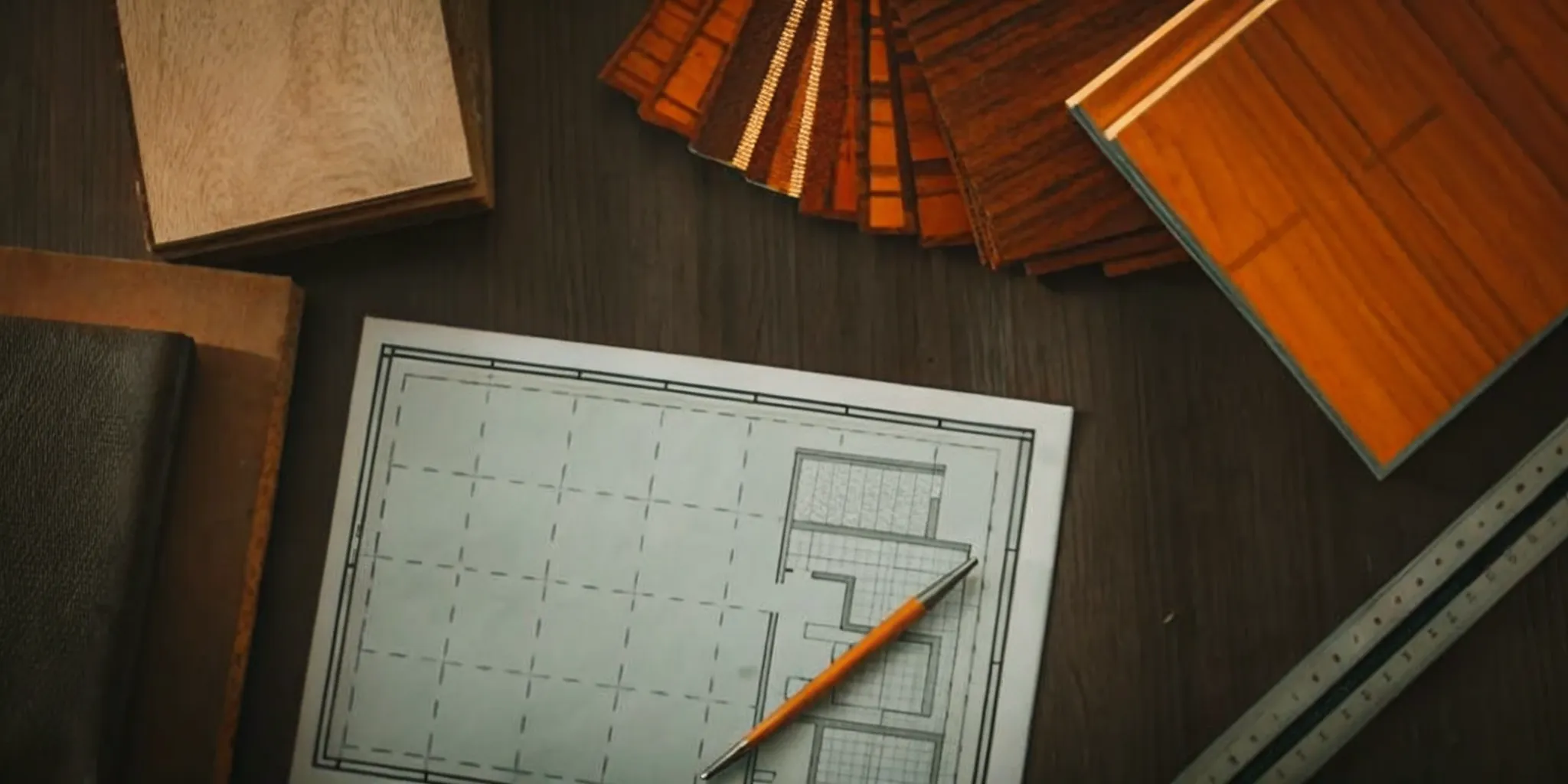
Before you knock down any walls, get crystal clear on what you want to achieve. What is the primary function of this new space? A quiet home office will have different needs than a family game room or a private guest suite. Start by creating a mood board with colors, textures, and furniture you love. Sketch out a basic floor plan to figure out where everything will go. Remember to plan for storage. Incorporating efficient solutions like built-in cabinets or shelving from the beginning will help you maintain a tidy and functional space long after the project is done. This is your chance to design a room that truly works for your lifestyle.
Create a Realistic Timeline
A detailed timeline is your roadmap for the entire project. It helps you coordinate with contractors and manage your own expectations. A garage conversion almost certainly needs new electrical wiring and heating/cooling systems to make the room comfortable year-round, so factor those installations into your schedule. Break the project into phases: design and permitting, demolition, framing, plumbing and electrical work, insulation and drywall, and finally, the finishing touches like paint and flooring. Working with an experienced general contractor can help you build a timeline that accounts for potential delays, like waiting for permit approvals or material deliveries.
Find and Vet the Right Professionals
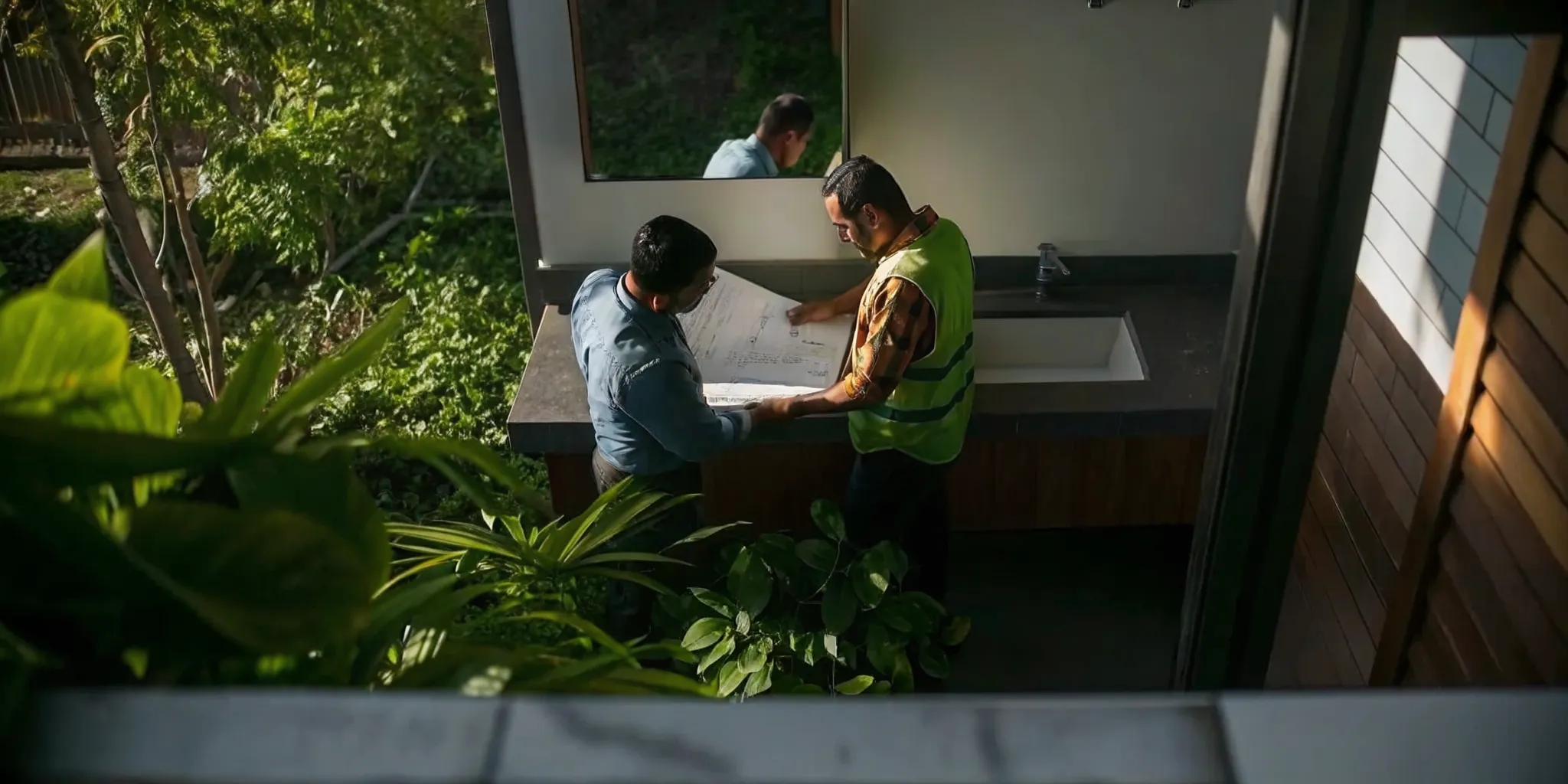
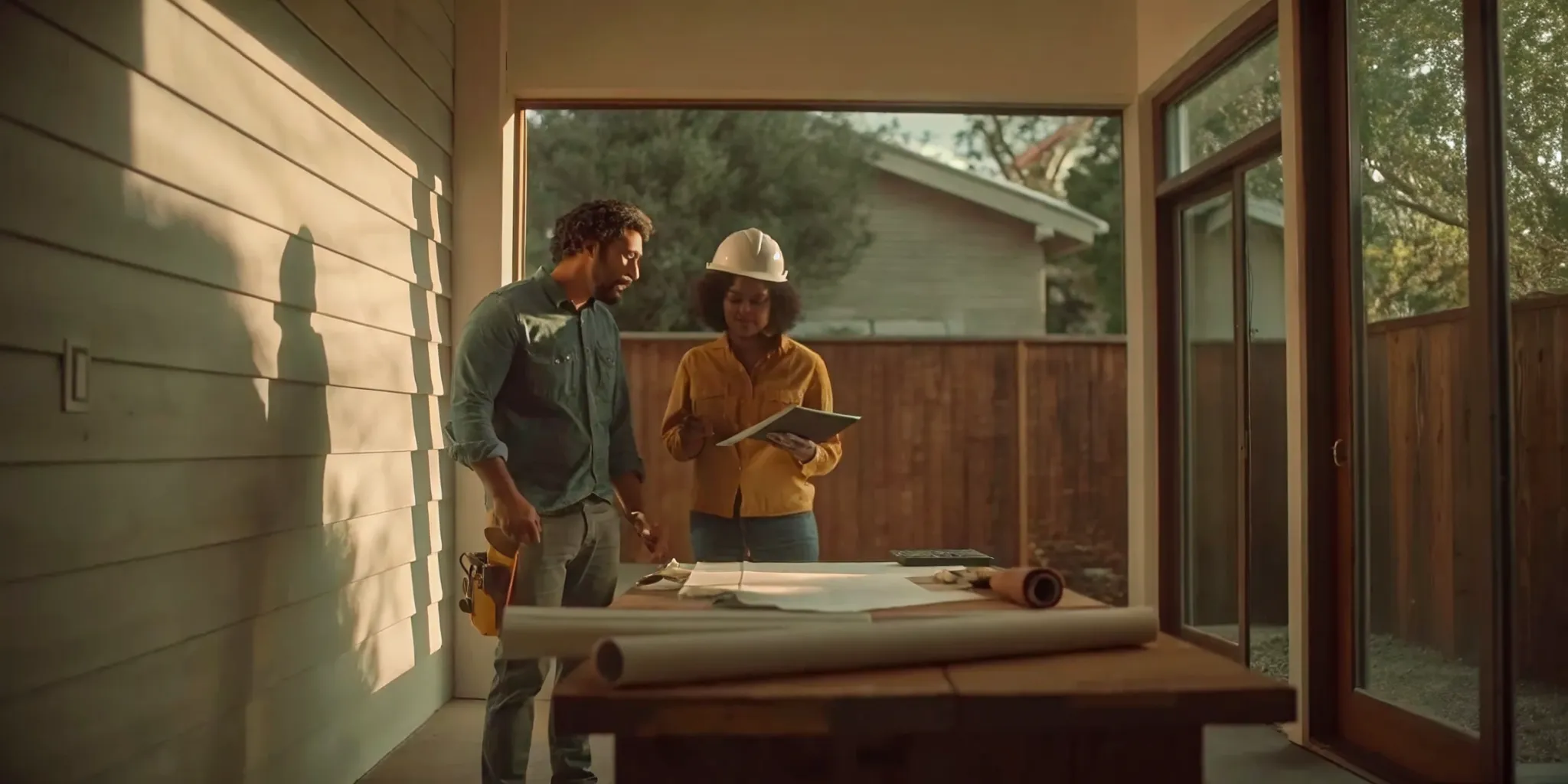
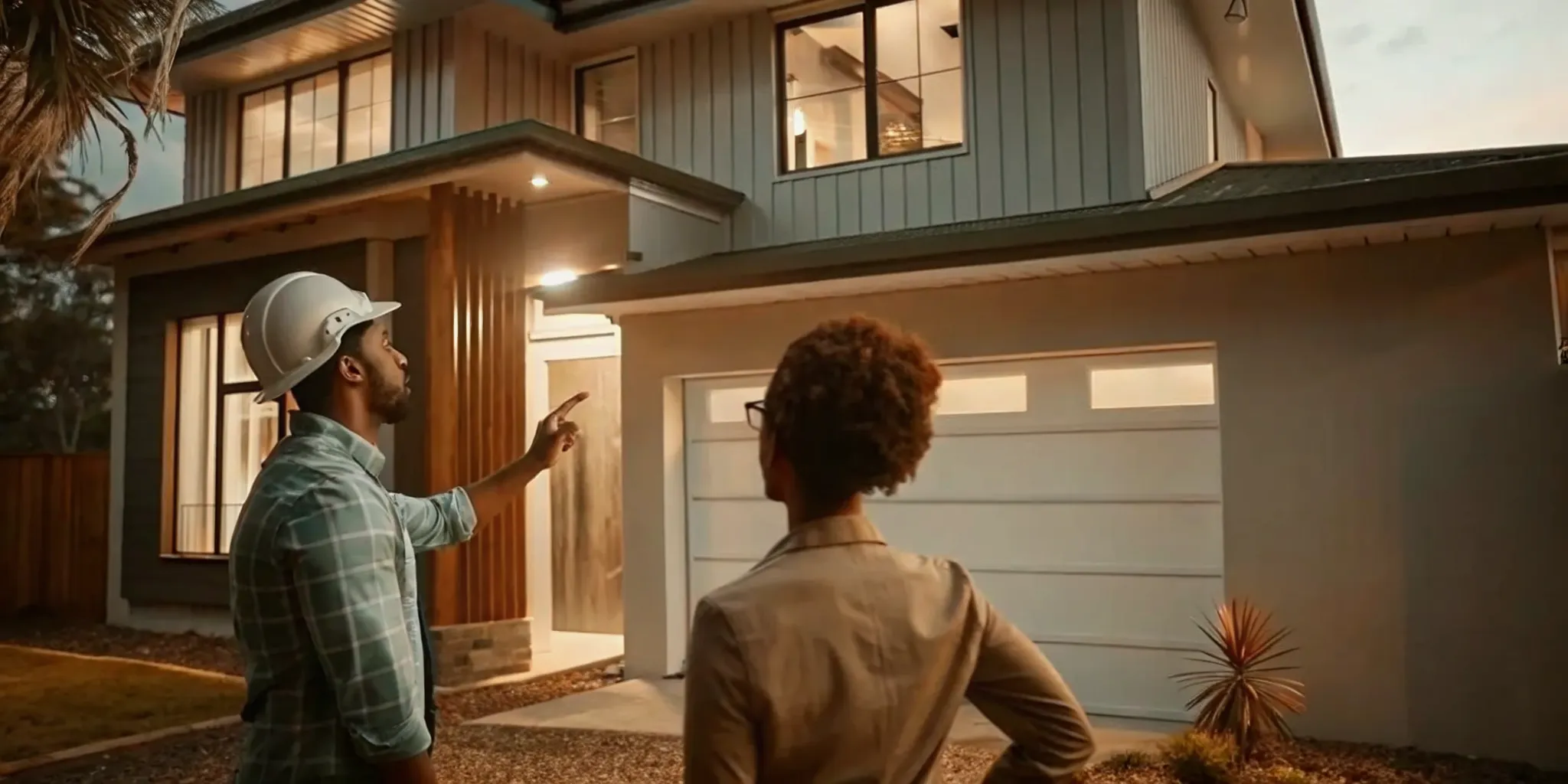
Unless you’re a seasoned contractor, a garage conversion is not a weekend DIY project. There are significant structural items to consider, and a common mistake is overlooking the foundation, which may need to be reinforced or leveled. You’ll likely need a team that includes a designer or architect, a structural engineer, and a general contractor to manage the build. When hiring, always check for licenses, insurance, and references. Ask to see a portfolio of their previous work to ensure their quality meets your standards. Using a service that provides vetted local professionals can save you time and give you peace of mind that you’re working with a qualified team.
Design Tips for a Stunning Transformation
Once you’ve handled the structural and foundational work, you can get to the fun part: designing a space that feels like a true extension of your home. A few thoughtful choices can turn a basic box into a beautiful, functional room. The key is to focus on elements that add comfort, light, and personality, making it hard to believe the space was ever a garage. From the ground up, these design decisions will define the character of your new room and ensure it’s a place you and your family will love to spend time in. A dedicated project advisor can help you sort through these options to find what works best for your vision and budget.
Choose the Right Flooring
The concrete slab in your garage is a starting point, but it’s not a finished floor. It was designed for cars, not comfort, and will make your new living space feel cold and industrial. To create a warm and inviting room, you’ll need to install proper flooring. First, ensure the concrete is level and sealed against moisture. Then, you can explore options like luxury vinyl plank (LVP) for durability and a wood-like appearance, engineered hardwood for a classic look, or even carpet tiles for a cozy home gym or playroom. The right choice depends on how you plan to use the space.
Maximize Natural and Artificial Light
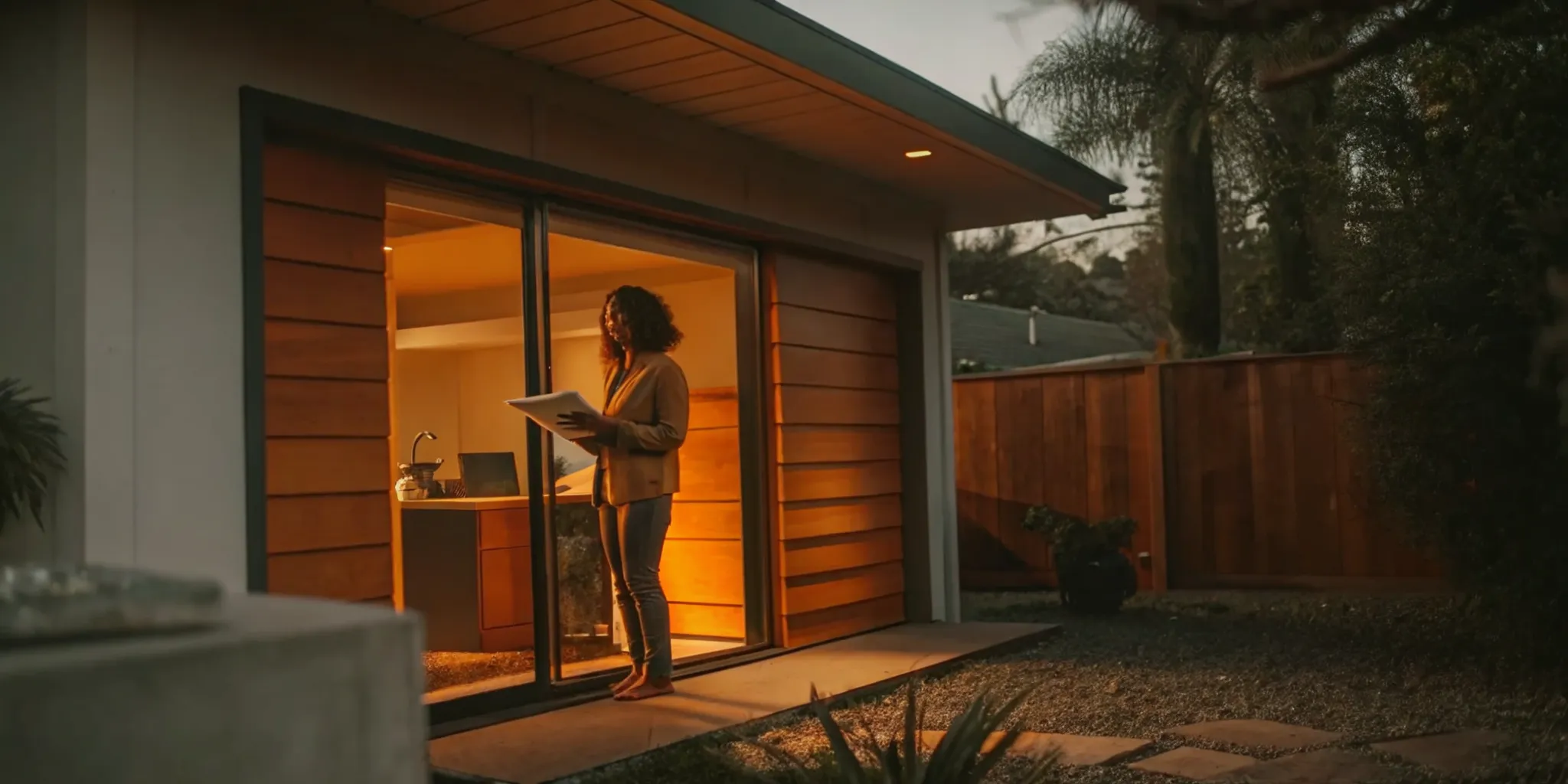
Garages are notoriously dark, so a smart lighting plan is essential. If your budget and local codes allow, adding windows or swapping the garage door for French doors or a large picture window will flood the space with natural light. For artificial light, you’ll need more than a single bulb in the center of the room. Plan for layers of lighting: recessed ceiling lights for overall ambient light, task lighting like a desk lamp for a home office, and accent lighting like wall sconces to add warmth and style. A qualified electrician can help you map out a plan and safely run the new wiring.
Install Proper Insulation and Climate Control
To make your garage conversion comfortable year-round, you can’t skip insulation and climate control. Garages typically have little to no insulation, so you’ll need to add it to the walls and ceiling to regulate temperature and improve energy efficiency. When it comes to heating and cooling, you have a few options. You might be able to extend your home’s existing HVAC system, but a more common solution is to install a ductless mini-split system. These units are highly efficient and allow you to control the temperature in the new space independently from the rest of the house.
Pick Your Paint and Wall Finishes
Paint is one of the easiest ways to transform the look and feel of your new room. Since many garage conversions have limited natural light, lighter colors like soft whites, light grays, or pale blues can make the space feel brighter and more open. Don’t be afraid to add personality with a feature wall using a bold color, wallpaper, or a unique finish like shiplap. The goal is to choose finishes that make the room feel intentional and cohesive with the rest of your home’s style, rather than like an afterthought.
Get Smart with Storage and Space
You’re gaining a new room, but you’re likely losing your primary storage area. It’s crucial to incorporate smart storage solutions into your design from the very beginning. Think vertically with tall shelving units or built-in cabinets that reach the ceiling. Consider multi-functional furniture, like an ottoman with hidden storage or a Murphy bed in a guest suite. By planning for storage ahead of time, you can keep the space organized and functional without it feeling cluttered, ensuring you get the most out of every square foot.
Common Garage Conversion Challenges (and How to Solve Them)
Every renovation project comes with its own set of puzzles, and garage conversions are no exception. Garages are built for cars, not people, so turning one into a comfortable living space requires some clever problem-solving. The good news is that these challenges are well-understood, and with the right plan, you can address them head-on. Thinking through these potential hurdles from the start will save you time and stress later, ensuring your new space is as functional as it is beautiful.
A successful conversion is all about anticipating the unique needs of the space. From bringing in more light to ensuring the air is fresh and clean, each step is an opportunity to make smart decisions. By working with a team that understands these specific issues, you can transform a dark, utilitarian space into a bright, welcoming part of your home. Let’s walk through some of the most common challenges and how you can tackle them.
Working with Low Natural Light
Garages often have few, if any, windows, which can leave your newly converted space feeling more like a cave than a cozy room. The key is to be intentional about adding sources of light. Consider replacing the main garage door with a wall that includes large windows or even a set of French doors to let sunlight pour in. If your garage has exterior walls, you can add new windows to brighten things up. For a more dramatic effect, skylights are a fantastic option for bringing in overhead light without sacrificing wall space. Don’t forget to plan a layered artificial lighting scheme with recessed lights, pendants, and lamps to keep the room bright after the sun goes down.
Improving Ventilation and Air Quality
Proper ventilation is a must for any living space, and it’s especially important in a former garage. You’ll need a system that provides heating, cooling, and fresh air. Depending on your home’s setup, you might be able to extend your existing HVAC ductwork into the garage. If that’s not feasible, a ductless mini-split system is an efficient alternative that allows you to control the temperature in the new room independently. Good ventilation not only keeps the room comfortable but also improves air quality, which is crucial in a space that may have once housed cars and chemicals.
Planning for Electrical and Plumbing Upgrades
A typical garage has minimal electrical wiring—maybe one overhead light and a couple of outlets. This won't be enough for a home office, gym, or guest suite. You will almost certainly need to run new electrical circuits to support lighting, outlets for appliances, and any other electronics. A licensed electrician can help you map out a plan that meets building codes and your specific needs. If your conversion includes a bathroom or kitchenette, you’ll also need to plan for plumbing. This involves running new supply and drain lines, which is a complex job best left to a professional.
Making the Most of Low Ceilings
Many garages are built with lower ceilings than the rest of the house, which can make the converted space feel cramped. While raising the roof is a major structural project, there are plenty of design tricks to create the illusion of height. Paint the ceiling a bright white or a shade lighter than the walls to make it feel more expansive. Use low-profile furniture and vertical patterns on walls or curtains to draw the eye upward. Recessed lighting is a great choice because it doesn't hang down and break up the visual space. By making smart design choices, you can make even a low-ceilinged room feel open and airy.
How to Show Off Your Finished Space
After all the planning, dust, and decisions, your garage conversion is finally complete. This is the moment to step back, admire your hard work, and, of course, show it off. Documenting the transformation isn’t just about getting likes on social media; it’s about capturing the value you’ve added to your home and creating a personal record of what you accomplished. Here’s how to capture your new space in a way that does it justice.
Take Great Before-and-After Photos
The key to a dramatic "after" photo is a solid "before" photo. Before the first hammer swings, take a few clear pictures of your garage in its original state. Try to stand in the same one or two spots when you take your "after" shots to create a consistent perspective that really highlights the changes.
For the best results, use natural light whenever possible and tidy up the area before you start snapping. You want the focus to be on the renovation, not any lingering clutter. Seeing stunning before-and-after examples can help you appreciate just how far your own space has come.
Create Impactful Side-by-Side Comparisons
Nothing tells the story of a renovation quite like a side-by-side comparison. Placing your before-and-after photos next to each other creates an immediate and powerful visual impact. It’s the quickest way to show friends, family, and even a future homebuyer the scale of the transformation.
You don’t need to be a graphic designer to do this. Many free apps and simple online tools can help you create a collage in just a few minutes. These images are perfect for sharing and can even inspire others who are thinking about their own garage makeover. It’s a satisfying way to put a final bow on your project.
Film a Quick Video Tour
While photos are fantastic, a short video can capture the feeling and flow of your new room in a way static images can’t. A quick video tour allows you to walk people through the space, showing how it connects and functions in real life.
Keep your video brief—under 60 seconds is usually perfect. Move slowly and steadily as you film, and consider narrating to point out your favorite features. You can explain how the new layout works for your family or highlight a specific design choice you love. A video is the best way to show off the functionality of the space, whether it’s now a modern and inviting home gym or a cozy guest suite.
Mistakes to Avoid During Your Conversion
A successful garage conversion is all about smart planning. While it’s exciting to jump into the design phase, overlooking a few key steps can lead to costly fixes and major delays. Thinking through these common pitfalls from the start will help you create a space that’s safe, comfortable, and built to last. With a solid plan and the right team, you can sidestep these issues and keep your project running smoothly from day one.
Don't Skip Permits and Inspections
It can be tempting to treat a garage conversion like an internal decorating project, but it’s a significant renovation that requires official approval. Skipping this step is one of the most common and costly errors a homeowner can make. Local regulations are in place for your safety, and unpermitted work can result in large fines, orders to tear down your new space, or serious problems when you eventually sell your home. Working with an expert who understands local building codes ensures everything is done correctly, giving you peace of mind. A dedicated project advisor can help you manage the permitting process so you can focus on the fun parts of your renovation.
Plan Ahead for Utilities
Your garage wasn't originally designed to be a living space, so its utility systems will need a major upgrade. You’ll almost certainly need new electrical wiring to handle lighting, outlets, and appliances safely. Proper heating and cooling are also essential to keep the room comfortable year-round, which may mean extending your home’s existing HVAC system or installing a new, separate unit. If you’re adding a bathroom or kitchenette, you’ll also need to plan for new plumbing lines. Thinking through these needs early in the planning stage helps you create an accurate budget and avoid surprises.
Choose Materials Built for a Garage
The materials you choose will make all the difference in turning a cold, industrial-feeling garage into a warm and inviting room. The concrete slab floor is a perfect example. Without proper preparation, it can make the space feel chilly and damp. It’s worth investing in professional sealing, a quality subfloor, and proper insulation before laying down your finished flooring. The same goes for the walls and ceiling, which will need insulation to regulate temperature and reduce noise. Choosing the right materials from the start ensures your new space feels like a true extension of your home.
The Long-Term Payoff of Converting Your Garage
A garage conversion is more than just a home improvement project; it’s a strategic investment in your property and lifestyle. While the immediate benefit is extra square footage, the long-term advantages can be even more rewarding. From a significant bump in your home's value to creating a more energy-efficient living environment, transforming your garage pays dividends for years to come. It’s about making your home work better for you, both now and in the future. If you’re weighing the pros and cons, understanding these long-term benefits can make the decision much clearer. Let's look at how this project can be one of the smartest updates you make to your home.
Add Value and Appeal to Your Home
One of the most compelling reasons to convert your garage is the financial upside. Adding finished, functional living space almost always increases a property's value. Research shows that a well-executed garage conversion can add 10-15% to your home's market price. This makes it a worthwhile investment that enhances your daily life while building equity. Plus, when it comes time to sell, homeowners typically recoup around 80% of the project's cost. A converted garage not only adds a quantifiable line item to your home’s appraisal but also broadens its appeal to potential buyers who might be looking for a home office, in-law suite, or playroom.
Gain More Functional Living Space
Beyond the numbers, a garage conversion gives you something invaluable: more room to live. This isn't just about adding a spare room; it's about creating a space that perfectly fits your family's evolving needs. That underused garage can become a quiet home office, a private guest suite for visitors, a spacious primary bedroom, or a dedicated workshop for your hobbies. This project allows you to tailor the space to your specific needs without the cost and disruption of building a full-scale addition. You’re simply making better use of the footprint you already have, turning a storage area into a vibrant, essential part of your home.
Improve Your Home's Energy Efficiency
A thoughtfully planned garage conversion can also make your entire home more comfortable and energy-efficient. Garages are often uninsulated, which can lead to heat loss in the winter and heat gain in the summer, affecting the temperature of adjacent rooms. During a conversion, you’ll add proper insulation to the walls and ceiling. This simple step makes the new room comfortable year-round and helps lower your overall energy bills. Depending on your home’s layout, you may also need to extend or upgrade your HVAC system to service the new space, ensuring consistent and efficient heating and cooling throughout your home.
How to Find the Right Professionals for Your Project
Finding the right team is one of the most important steps in your garage conversion. This isn't just about hiring a contractor; it's about finding a partner who understands your vision and can handle the unique challenges of turning a garage into a beautiful, functional living space. A great professional will make the process smoother and ensure the final result meets building codes and your expectations.
Start by looking for contractors with specific experience in garage conversions. A general contractor is great, but someone who has done this exact type of project before will be familiar with the specific requirements for insulation, moisture-proofing, and integrating plumbing and electrical systems into a space that wasn't designed for them. When you have a few candidates, it's time to do your homework. Always confirm that they are licensed, bonded, and insured. This is non-negotiable—it protects you from liability if something goes wrong on the job site.
Ask for a portfolio of their past garage conversions and contact a few of their recent references. Get at least three to five detailed estimates to compare costs and project scope. During the interview, ask about their communication process, how they handle unexpected issues, and what their projected timeline looks like. This vetting process can feel overwhelming, which is why many homeowners choose to work with a service like Realm. We help you find and vet trusted professionals from our network, so you can feel confident you have the right team on your side from day one.
Frequently Asked Questions
Do I really need a permit to convert my garage? Yes, you almost certainly do. Think of it this way: you're changing a space designed for cars into a space designed for people. That involves significant electrical, structural, and safety updates that your local building department needs to approve. Skipping the permit process can lead to fines, issues with your homeowner's insurance, and major headaches when you eventually decide to sell your home. It’s a critical step to ensure your new room is safe and legally recognized as living space.
What's the difference between a simple garage conversion and an ADU? The main difference comes down to function and features. A simple conversion turns your garage into a single-purpose room like a home office, gym, or playroom that remains part of your main house. An Accessory Dwelling Unit, or ADU, is a complete, independent living space. To qualify as an ADU, it typically needs its own separate entrance, a kitchen or kitchenette, and a bathroom, making it a rentable unit or a private suite for family.
How long does a typical garage conversion take? The timeline can vary quite a bit based on your project's complexity and how quickly your local permit office works. A straightforward conversion into a home office or gym might take anywhere from 4 to 8 weeks once construction begins. If you're planning a full ADU with a kitchen and bathroom, you should plan for a longer timeline, likely in the 3 to 6 month range from the start of construction to the final touches. The initial design and permitting phase can add a few months to the front end of any project.
What should I do with all the stuff I'm storing in my garage? This is the perfect opportunity to declutter. Before your project begins, go through everything and decide what you truly need to keep, what can be donated, and what can be thrown away. For the items you're keeping, you have a few options. You could rent a portable storage unit that can sit in your driveway, build a new shed in your backyard for tools and outdoor gear, or get creative with storage solutions inside your home.
Besides adding a bathroom, what are the biggest factors that increase the cost? While plumbing for a bathroom is a major expense, other big-ticket items can also drive up your budget. Making significant structural changes, like raising the ceiling or altering the roofline, will add considerable cost. The same goes for replacing the garage door with a large glass wall or multiple high-end windows. Finally, your choice of finishes plays a huge role. Custom cabinetry, hardwood floors, and premium lighting fixtures will naturally cost more than standard, builder-grade options.