How to Hire a General Contractor for House Renovation
Find out how to hire a general contractor for house renovation, with tips on vetting, contracts, and building a smooth, stress-free renovation process.
|
January 16, 2026

In this article:
Think of your home renovation like a movie production. You have the vision, the script, and the budget, but you need a director to bring it all together. That’s exactly what a general contractor does. They are the on-site leader who coordinates the entire cast of characters—from plumbers and electricians to painters and tilers—ensuring everyone hits their marks on time and on budget. Without one, you’re left trying to manage a dozen different schedules and personalities. Finding the right general contractor for house renovation is the single most important decision you’ll make, turning potential chaos into a smooth, well-managed process. This guide will walk you through how to find, vet, and build a great partnership with the right professional for your project.
Key Takeaways
- Vet Your Contractor Like a Business Partner: Before signing anything, confirm their license and insurance are valid and call their recent references. This due diligence is your best protection against project issues and ensures you're working with a true professional.
- A Detailed Contract is Your Best Tool: Insist on a written agreement that clearly defines the project scope, materials, timeline, and a payment schedule tied to completed work. This document prevents misunderstandings and keeps everyone aligned.
- Proactive Communication Prevents Problems: Establish a clear communication plan from the start and make material decisions promptly. Being an engaged and responsive client is key to keeping your renovation on schedule and on budget.
What Is a General Contractor and Why Do You Need One?
Think of a general contractor (GC) as the project manager for your home renovation. They are the professional who oversees the entire construction process, from the first swing of a hammer to the final coat of paint. A good GC coordinates all the moving parts, ensuring your project stays on schedule and within budget. Instead of you having to juggle a plumber, an electrician, and a painter, the GC acts as your single point of contact, managing all the specialized workers, or subcontractors, needed to get the job done right. They are responsible for hiring these subcontractors, scheduling inspections, and making sure the quality of work meets the standards you expect.
For any project that’s more complex than a simple weekend DIY, a general contractor is essential. They bring expertise, an established network of tradespeople, and a deep understanding of the construction process. Their job is to translate your vision and architectural plans into a finished space. By handling the day-to-day logistics, they save you from the stress of managing a construction site. At Realm, we help you connect with vetted, reliable contractors, so you can feel confident you have the right leader for your project. Having an expert guide you through finding the right professionals is the first step toward a successful renovation.
What Does a General Contractor Do?
A general contractor takes your approved design plans and brings them to life. They are responsible for the hands-on management of the construction site. This means they organize the workflow, schedule the various tradespeople—like plumbers, electricians, and drywall installers—and make sure everyone shows up on time and does their job correctly. They are the on-the-ground leader, solving problems as they arise and ensuring the actual construction follows the blueprint. If you have a clear plan for your renovation, the GC is the one who will execute it, turning architectural drawings into a physical reality while you focus on the bigger picture.
A Contractor's Core Responsibilities
Beyond managing the daily schedule, a general contractor has several core responsibilities that are critical to your project's success. They handle the entire budget, tracking expenses to prevent cost overruns. They are also in charge of securing all necessary permits and ensuring the project complies with local building codes and regulations. This is a huge weight off your shoulders, as navigating municipal requirements can be tricky. A GC also manages all communication, acting as the bridge between you and the subcontractors. They provide regular updates, answer your questions, and make sure your feedback is implemented correctly on the job site.
When to Hire a General Contractor
You should hire a general contractor for any significant renovation that involves multiple trades. Think kitchen remodels, bathroom renovations, home additions, or projects that require structural changes. If your project needs a plumber, an electrician, and a carpenter, a GC will coordinate their work seamlessly. For smaller, single-focus jobs like painting a room or replacing a light fixture, a handyman might be enough. But for larger investments, hiring a GC ensures the project is managed professionally, which helps you avoid common pitfalls like unexpected delays and budget issues. It’s an investment in a smoother process and a high-quality result.
How to Find and Vet the Right Contractor
Finding the right general contractor is a lot like dating—you need to find someone you can trust, communicate with, and who ultimately shares your vision. This is the person who will be in your home for weeks or months, making critical decisions that affect your budget and your daily life. Taking the time to properly vet your options isn't just a good idea; it's the most important step in ensuring your project runs smoothly and ends successfully.
The goal is to find a professional partner who is not only skilled but also reliable and transparent. This process involves more than just a quick search online. You’ll want to dig into their background, see their work firsthand, and have frank conversations about expectations. Think of it as a job interview where you’re the hiring manager. By following a structured approach, you can confidently choose a contractor who will bring your renovation dreams to life, without the drama. At Realm, we simplify this by connecting you with our network of vetted professionals, but understanding these steps will empower you no matter how you find your candidates.
Where to Find a Great Contractor
The best place to start your search is with people you trust. Ask friends, family, neighbors, and co-workers for recommendations. Nothing beats a firsthand account from someone who has been through the process. If they had a positive experience, ask if you can see the finished work. Beyond your personal network, local real estate agents and architects often have a list of contractors they’ve worked with and can recommend. Online platforms and local community forums can also be useful, but always treat online reviews with a healthy dose of skepticism and prioritize recommendations that come with a personal story.
Verify Their Credentials and Insurance
This step is non-negotiable and protects you from major financial and legal risks. Before you even think about signing a contract, you need to verify that your potential contractor has a valid license for your state and carries the proper insurance. This includes general liability insurance, which covers property damage, and workers' compensation, which covers injuries that might happen on your property. You can typically check a contractor's license status online through your state's licensing board. Ask for copies of their insurance certificates and call the insurance provider to confirm the policies are active. A legitimate professional will have no problem providing this information.
Review Their Portfolio and Check References
Seeing is believing. A reputable contractor will be proud of their past projects and should have a portfolio ready for you to review. Look for projects that are similar in scope and style to what you’re planning. This helps you gauge their experience and see if their aesthetic aligns with yours. Even more important than the portfolio is checking their references. A great contractor will happily provide a list of recent clients. Be sure to actually call them and ask specific questions about their experience, like: "Did the project stay on budget?" "How did the contractor handle unexpected issues?" and "Would you hire them again?"
Red Flags to Watch For
Knowing what to avoid is just as important as knowing what to look for. Be wary of any contractor who pressures you to make a quick decision or offers a deal that seems too good to be true. A major red flag is a request for a large upfront payment or a demand to be paid in cash. Vague contracts without specific details on materials, timelines, and costs are also a warning sign. If a contractor can't provide proof of licensing, insurance, or a list of references, you should walk away immediately. Trust your gut—if something feels off during your initial conversations, it probably is.
Key Questions to Ask Potential Contractors
When you interview potential contractors, having a list of questions ready will help you compare them effectively. This conversation is your chance to understand their process and communication style. Start with the basics, like how long they’ve been in business and if they’ve completed projects like yours before. Then, get into the details. Ask who the main point of contact will be and how often you can expect updates. Inquire about their team and whether they use subcontractors. It's also smart to ask how they handle disagreements or changes to the project plan. Their answers will reveal a lot about their professionalism and how they operate.
Specialized Structures: ADUs, Lofts, and Offices
Detached Structures
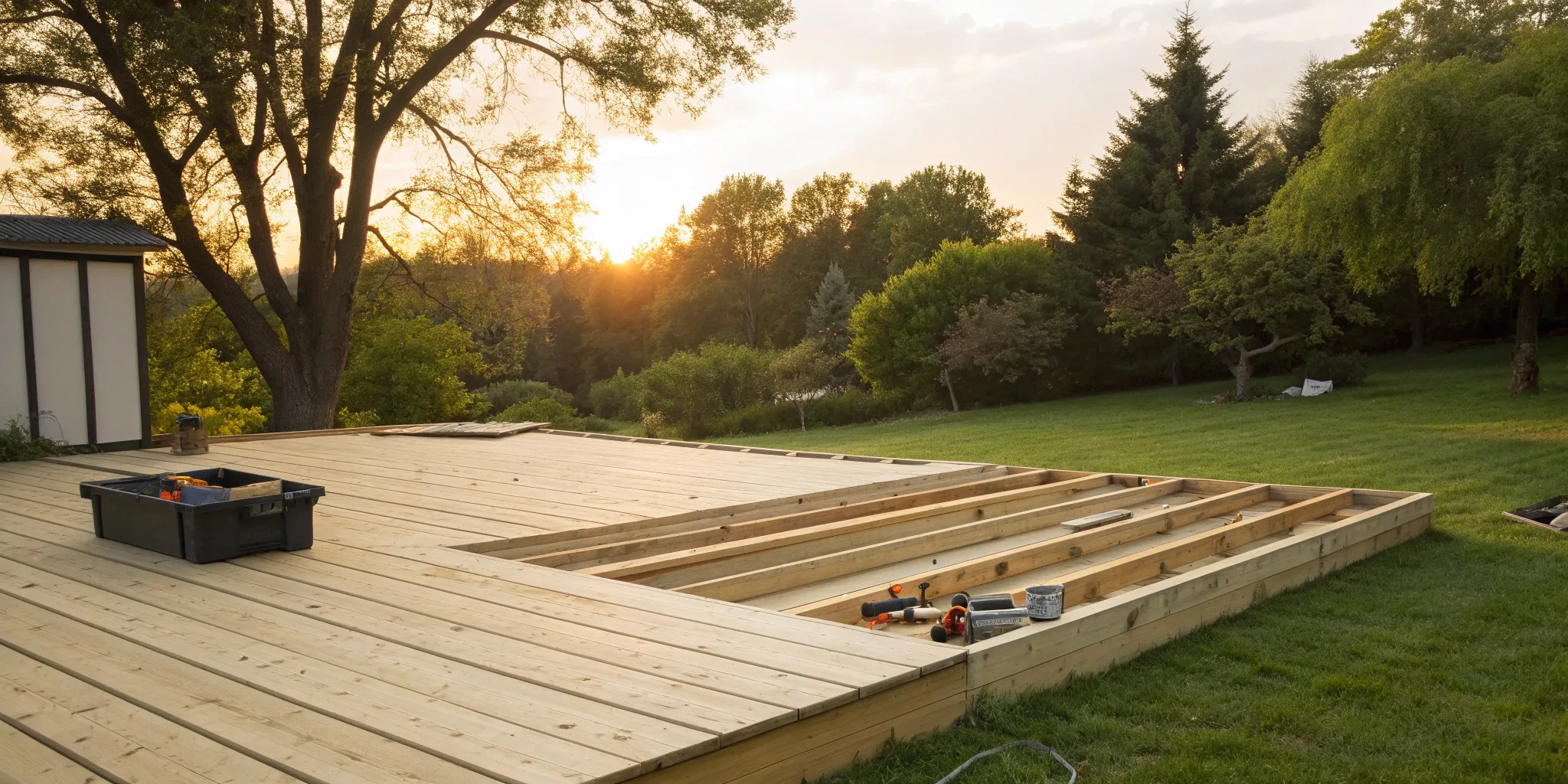
Whether building a backyard office pod or a guest shed with a bathroom, detached units offer the best privacy. Note that adding a bathroom to a backyard shed often triggers "ADU" (Accessory Dwelling Unit) zoning laws, which are stricter than standard shed permits.
Conversion Potential: Attics and Lofts
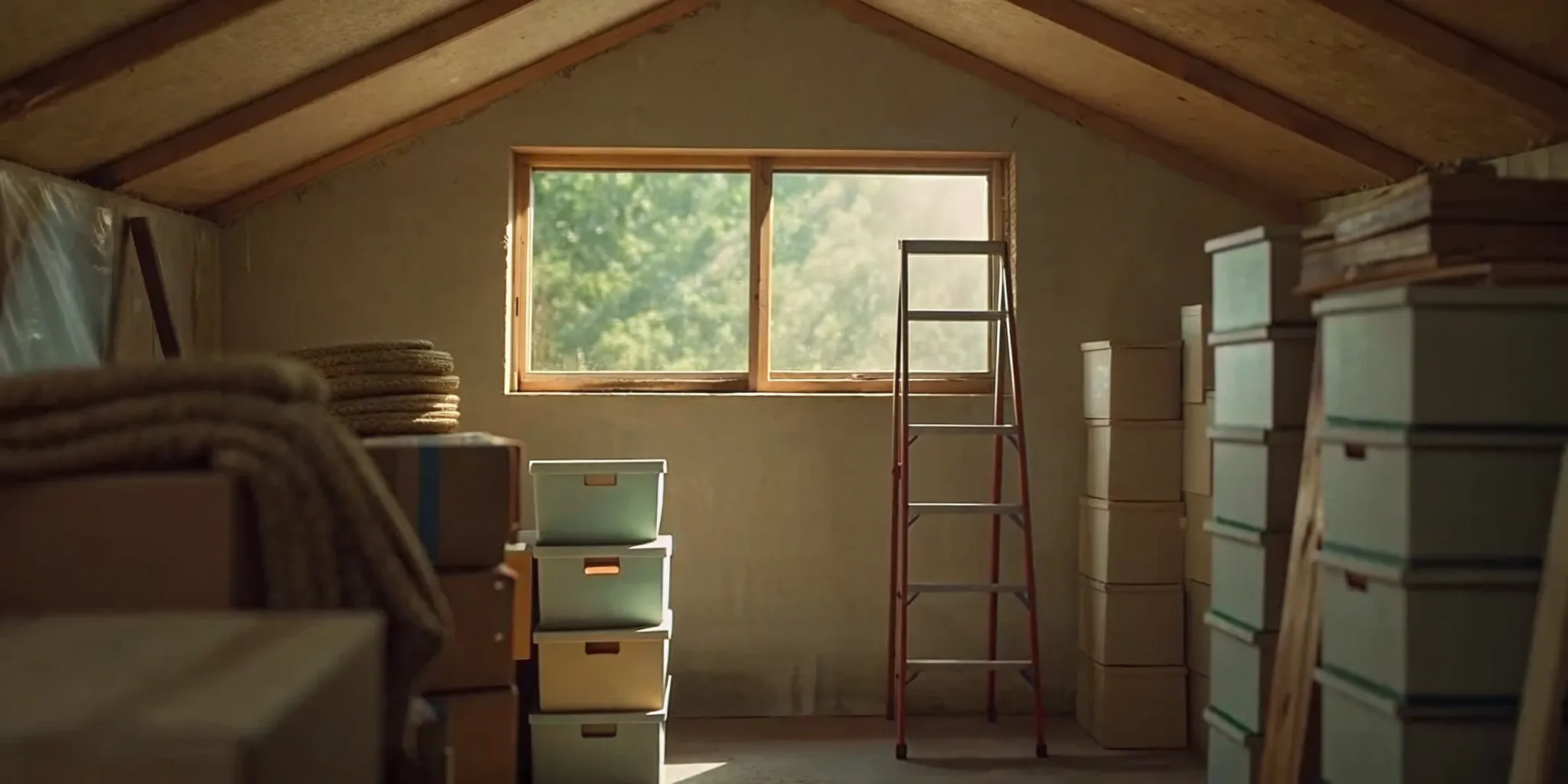
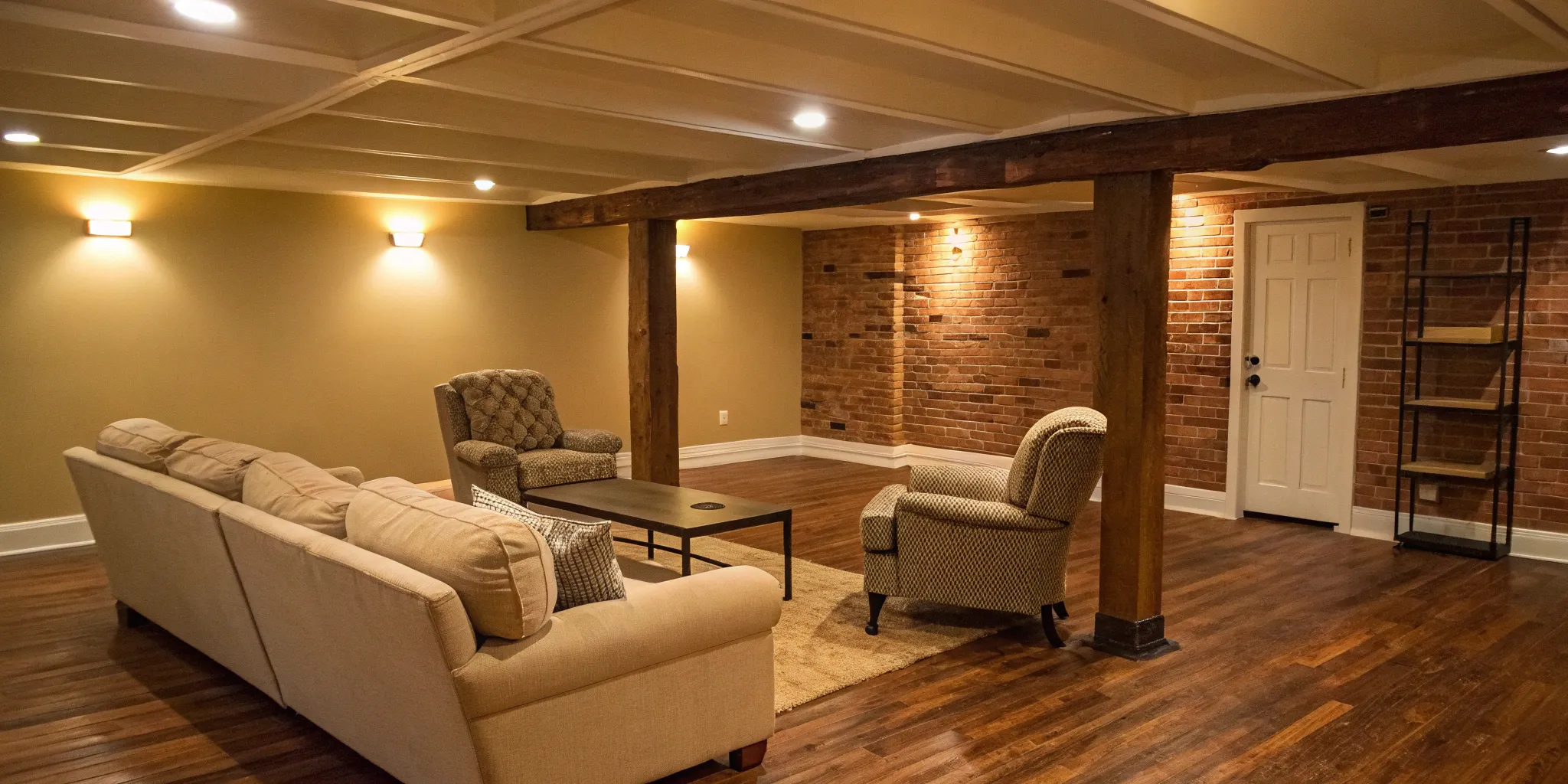
Attic conversions are high-value projects but require a "structural load" check to ensure the floor joists can support furniture and people. Loft conversions are particularly popular in urban areas to add a bedroom without changing the home's footprint.
DIY vs. Professional Construction
While DIY can save 30-50% on labor, always hire a licensed professional for electrical, plumbing, and structural framing to ensure your home remains insurable and meets safety codes.
Breaking Down the Costs and Contract
Once you’ve found a contractor you trust, the next step is to get everything in writing. This is where you’ll align on the project scope, timeline, and, most importantly, the budget. A detailed contract is your best tool for ensuring a smooth project and protecting your investment. It’s not just a formality; it’s the roadmap that you and your contractor will follow from demolition day to the final walk-through. Let’s get into the key financial and contractual details you need to understand before signing on the dotted line.
How Do Contractors Structure Their Fees?
Understanding how contractors price their work is the first step to building a realistic budget. While the average home renovation costs around $48,000, a project can range anywhere from about $18,000 to over $78,000. For a whole-house renovation, a common rule of thumb is to budget for $100 to $200 per square foot. Your contractor will provide a bid, which is a fixed-price proposal for the entire project. This is generally preferable to a "time and materials" estimate, where the final cost can be unpredictable. A clear, detailed bid helps you plan your project with confidence and avoid financial surprises down the road.
Factors That Affect Your Project's Cost
Several key factors will influence your final renovation bill. The size of your home is the most obvious one—more square footage means more materials and labor. The age of your house also plays a big role; older homes can hide surprises like outdated wiring or plumbing, which can add 20-30% to your costs. Location matters, too. Renovations in major metro areas like Los Angeles and the SF Bay Area are typically more expensive than in other parts of the country. Finally, remember that labor usually accounts for 20-35% of the total budget, so the complexity of the job will significantly impact the price. You can explore more renovation insights in our resource library.
What to Look For in Your Contract
Your contract is the single most important document in your renovation. Never proceed with a project without a detailed, written agreement signed by both you and your contractor. The contract should clearly outline the full scope of work, a project timeline with key milestones, and a fixed price based on the contractor’s bid. It should also specify the materials to be used and who is responsible for purchasing them. This document protects both parties and serves as the official guide for the project. Having an expert help you review these details can give you peace of mind that nothing has been overlooked.
Understand the Payment Schedule
A professional contractor will outline a clear payment schedule in the contract that’s tied to project milestones, not arbitrary dates. Be cautious of anyone who asks for a large percentage of the total cost upfront. A small deposit to secure your spot on their schedule is normal, but subsequent payments should be made only after specific phases of the work are completed (e.g., after demolition, after framing is complete, after drywall is installed). This structure ensures that the work is progressing as promised and incentivizes the contractor to stay on schedule. This milestone-based approach is a standard part of a well-managed renovation process.
Plan for Change Orders and Surprises
Even with the most detailed plan, surprises can happen. That’s why it’s essential to build a contingency fund into your budget—typically 10-20% of the total project cost. This fund is your safety net for unexpected issues like discovering mold behind a wall, needing to fix termite damage, or running into unforeseen structural problems. It also covers "change orders," which are formal amendments to the contract for any additions or changes you decide to make along the way. Planning for the unexpected from the start keeps your project on track and prevents financial stress when challenges arise. For more homeowner tips, check out our full library of resources.
Create a Great Partnership With Your Contractor
Hiring the right contractor is a huge step, but the work doesn't stop there. A successful renovation depends on a strong, collaborative relationship between you and your contractor. Think of them as your partner in bringing your vision to life. Like any good partnership, it thrives on clear communication, mutual respect, and shared goals. By establishing a solid foundation from day one, you can work through challenges together and ensure the project runs as smoothly as possible. This isn't about micromanaging; it's about being an engaged and informed client who helps keep the project on track. When you and your contractor are on the same team, you’re much more likely to love the final result.
Set Clear Expectations from the Start
The best general contractors work as partners with their clients, not as adversaries. To build that partnership, you need to set clear expectations before the first hammer swings. This means having an open conversation about your vision, your non-negotiables, and your budget. Be specific about the quality of materials and the level of finish you expect. It’s also your chance to understand their working style, site rules, and how they’ll protect your home during construction. A great way to formalize this is by creating a detailed project scope document that you both agree on. Getting everything in writing helps prevent misunderstandings and ensures you’re both aiming for the same target.
Establish Your Communication Plan
Clear and consistent communication is the backbone of a successful renovation. Before the project begins, agree on a communication plan. How often will you check in? Is a weekly site meeting best, or would a daily text update work better? Who is your single point of contact on their team? Establishing these ground rules early on saves a lot of frustration. Providing feedback to your contractor is essential, so you need a process that feels comfortable for both of you. Whether you’re discussing progress or raising a concern, having a structured communication plan ensures everyone stays informed and aligned throughout the project.
Track Your Renovation's Progress
Staying informed about your project’s progress is crucial, but it doesn’t mean you need to hover over your contractor’s shoulder. With their expertise in construction management, general contractors are pros at keeping the project moving forward smoothly. Your role is to stay engaged from a healthy distance. Ask for regular photo updates or schedule brief, weekly walk-throughs to see the progress firsthand. This allows you to spot potential issues early and ask informed questions. At Realm, we simplify this by giving you a dedicated advisor and a digital dashboard, so you can easily track project milestones and see what’s happening without having to be on-site 24/7.
Keep Your Project on Schedule
While your contractor manages the overall timeline, you play a key role in keeping things on schedule. One of the most common causes of delays is homeowner indecisiveness. When it’s time to select tile, paint colors, or fixtures, try to make your decisions promptly. Your contractor orders materials and schedules subcontractors based on a tight timeline, and a delay in one area can create a domino effect. Of course, some setbacks are out of anyone’s control, like bad weather or supply chain issues. The key is to be prepared, communicate openly about any potential delays, and work with your contractor to adjust the renovation timeline as needed.
How to Handle Issues When They Arise
Even with the best planning, issues can pop up during a renovation. Maybe a material arrives damaged, or something doesn’t look the way you envisioned. When this happens, don’t panic. The best approach is to address the problem as soon as you notice it. Schedule a time to talk with your contractor away from the noise of the job site. Discuss any issues openly and constructively to maintain a good working relationship. Frame the conversation around finding a solution together, rather than placing blame. Refer back to your contract and project scope to clarify expectations. A calm, collaborative approach will almost always resolve the issue faster and more effectively.
The Final Walk-Through and Sign-Off
As your project nears completion, it’s time for the final walk-through. This is a critical step to ensure every detail is completed to your satisfaction before you make the final payment. Walk through the space with your contractor and create a "punch list," which is a detailed list of any remaining small items that need to be fixed or finished. This could be anything from a paint touch-up to a missing piece of hardware. A good contractor will be happy to address these items. Don’t feel rushed during this process. Once you’ve signed off and paid the final invoice, it’s much harder to get things fixed, so take your time and be thorough.
The Nuts and Bolts of Managing Your Project
Once the contract is signed and the work begins, your role shifts from planner to project manager. While your general contractor is in charge of the day-to-day construction, staying organized and engaged is the best way to ensure your project runs smoothly. Think of this phase as a partnership. Your contractor brings the building expertise, and you bring the vision and oversight. Keeping a handle on these key areas will help you maintain control over your timeline, budget, and the final outcome of your renovation.
Handle Permits and Local Rules
Navigating the world of building permits can feel complicated, but it’s a non-negotiable step. Permits are official approvals from your local government, ensuring that your project meets safety, zoning, and construction standards. Typically, your general contractor is responsible for securing all necessary permits, but you should always confirm this is included in your contract. The process can sometimes impact your timeline, so it’s wise to discuss it early on. Understanding the local building codes and requirements yourself can also empower you to ask the right questions and understand why certain things need to be done a specific way.
Stay on Top of Your Budget
Even the most detailed plan can encounter surprises. That’s why it’s crucial to set aside a contingency fund—about 10% to 20% of your total project cost—for unexpected issues like hidden water damage or outdated wiring. Your main job during the renovation is to track every expense against the agreed-upon budget. A simple spreadsheet can work wonders here. Log every payment, review invoices carefully, and approve any change orders in writing before the work proceeds. This diligence helps prevent budget creep and ensures there are no major financial shocks at the end of your project.
Understand Who Manages the Subcontractors
Your general contractor is the conductor of your renovation orchestra. They are responsible for hiring, scheduling, and managing all the specialized workers, or subcontractors, like plumbers, electricians, and painters. To keep communication clear and efficient, you should always direct your questions, feedback, and concerns to your GC. Going directly to a subcontractor can create confusion and undermine the GC’s authority. This chain of command is a key reason you hire a general contractor in the first place—they handle the complex coordination so you don’t have to.
Ensure High-Quality Work
Regular communication is the bedrock of a successful project. Plan for weekly check-ins with your contractor to walk through the site, discuss progress, and address any concerns. Don’t be afraid to provide constructive feedback if you see something that doesn’t look right. It’s much easier to fix a small issue as it happens than to correct it after the fact. Taking photos throughout the process is also a great way to document the work. This creates a visual record of progress and can be incredibly helpful if you need to reference how something was installed later on.
Keep Important Documents Organized
From day one, create a central hub for all your project paperwork. A digital folder or a physical binder works perfectly. This is where you’ll store your signed contract, change orders, contractor’s license and insurance information, lien waivers, receipts, and copies of permits. Having all your important documents in one place is essential for staying organized and protecting yourself. If any questions or disputes arise, you’ll be able to find what you need quickly without having to dig through a mountain of emails and loose papers.
Frequently Asked Questions
Can I save money by acting as my own general contractor? While it might seem like a way to cut costs, managing a renovation yourself is a full-time job that requires a lot of expertise. You become responsible for everything from scheduling plumbers and electricians to ensuring all the work meets building codes. A good general contractor's experience and network of trusted subcontractors can actually prevent costly mistakes and delays, saving you stress and money in the long run.
What's the most important thing to look for in a contract? The single most critical element is a detailed scope of work. Your contract should spell out exactly what will be done, including specific materials, brand names, and model numbers. A vague contract leaves room for misunderstandings and unexpected costs. Make sure it also includes a clear payment schedule tied to project milestones and a projected timeline.
How much should I pay for a deposit? A large upfront payment is a major red flag. A reasonable deposit is standard to secure your project on the contractor's schedule, but it shouldn't be a huge percentage of the total cost. In some states, like California, the legal limit for a deposit is 10% of the project cost or $1,000, whichever is less. Subsequent payments should always be tied to the completion of specific stages of work, not arbitrary dates.
What happens if I want to change something after the project has started? It's completely normal to want to make a change once you see the project taking shape. This is handled through a "change order," which is a written amendment to your original contract. It will detail the new work, the additional cost, and any impact on the project's timeline. Always make sure you review and sign a formal change order before the new work begins to keep the budget and schedule clear for everyone.
How do I handle a disagreement with my contractor? The best approach is to address the issue directly and calmly as soon as it comes up. Schedule a time to talk away from the job site, and bring your contract and any relevant documents. Frame the conversation around finding a solution together, rather than assigning blame. Clear, respectful communication can resolve most issues and keep your project moving forward on a positive note.



.png)





























































.png)