How to Find a General Contractor for Bathroom Remodel
Find a reliable general contractor for bathroom remodel projects with tips on vetting, comparing quotes, and asking the right questions before you hire.
|
November 19, 2025
In this article:
The thought of a brand-new bathroom is exciting, but the process of finding someone to build it can feel overwhelming. With so many options out there, how do you know who to trust with your home and your budget? Making the wrong choice can lead to delays, unexpected costs, and a lot of stress. This guide is designed to demystify the process. We’ll walk you through the essential steps for finding and vetting a top-notch general contractor for a bathroom remodel. You’ll learn how to spot the pros, what red flags to avoid, and how to set your project up for success from day one.
Key Takeaways
- Look Beyond the Portfolio: A beautiful gallery of past projects is a great start, but your first step should always be to confirm a contractor's license is active and that they carry both general liability and workers' compensation insurance to protect your project.
- A Detailed Contract is Your Best Friend: Don't accept a one-page estimate. A professional contract is your project's roadmap, clearly itemizing costs, materials, a payment schedule, and a realistic timeline to prevent misunderstandings.
- Define Your Communication Plan: A successful remodel depends on clear communication. Before work starts, agree with your contractor on how and when you'll receive updates to ensure you stay informed and the project runs smoothly.
What Makes a Great General Contractor?
Finding the right general contractor for your bathroom remodel is about more than just getting a good price. You’re looking for a partner who will bring your vision to life, manage the complexities of the job, and communicate clearly from start to finish. A great contractor combines technical skill with professionalism and reliability. Before you even start looking at portfolios, there are a few core qualifications that separate the pros from the pack. These non-negotiables form the foundation of a successful project and give you peace of mind.
Licensing and Insurance
First, a great contractor is always licensed and insured—this is the absolute baseline. A valid contractor's license proves they’ve met state requirements for knowledge and experience. You can typically check their license status online to ensure it’s active. Equally important is insurance. Your contractor should carry both general liability and workers' compensation. General liability protects your home from accidental damage, while workers' comp covers injuries on the job site. Without this coverage, you could be held financially responsible. Always ask for proof of insurance before signing anything.
Relevant Bathroom Remodel Experience
Not all renovation experience is created equal. A bathroom remodel is a specialized project involving intricate plumbing, electrical, waterproofing, and tile work in a tight space. You want a contractor with a proven track record with bathrooms specifically. Ask to see a portfolio of their previous work, paying close attention to before-and-after photos of projects similar to yours in scope and style. A contractor proud of their work will be eager to share it. This is your chance to assess their craftsmanship and see if their aesthetic aligns with your vision.
Professional Certifications
While not always required, professional certifications are a strong indicator of a contractor's commitment to their craft. Credentials from organizations like the National Association of the Remodeling Industry (NARI) show a dedication to ongoing education and high industry standards. These certifications often require rigorous testing and adherence to a strict code of ethics. When a contractor invests in their professional development, it signals they are serious about quality and client satisfaction—exactly what you want for your project.
How to Find and Vet Contractors
Finding the right general contractor is one of the most important decisions for your bathroom remodel. This is the person who will bring your vision to life and manage the project in your home for weeks or months. Doing your research upfront will save you from major headaches later. A great contractor is more than just skilled; they’re a reliable partner. The key is knowing where to look and what to look for.
Start with Trusted Recommendations
Your search should begin with the people you trust most. Ask friends, family, and neighbors who have recently completed a similar project. A personal referral is powerful because it comes with a real-life story and honest feedback on everything from work quality to communication style. Don't just ask if they liked their contractor. Dig deeper with questions like, "Did they finish on time and on budget?" and "How did they handle unexpected issues?" These insights are invaluable for building a shortlist of contractors who have already earned a stamp of approval.
Use Vetted Online Platforms
After gathering personal recommendations, expand your search using trusted online resources. While a quick web search yields plenty of names, focus on platforms that vet their professionals. Websites like the Better Business Bureau (BBB) let you check a company's rating and see if they are accredited, which signals a commitment to high standards. This is also where a service like Realm can make a huge difference. We simplify this step by connecting you with our network of vetted local contractors, so you can feel confident that you’re starting with a list of highly qualified and reliable pros.
Read Reviews and Compare Quotes
Once you have a shortlist, it’s time for a final check. Read online reviews on multiple platforms to get a well-rounded view of other homeowners' experiences. Look for patterns in the feedback—consistent praise for communication is a great sign. Next, reach out to your top candidates and request a detailed, written quote from at least three of them. Comparing bids isn't just about finding the lowest price. It’s an opportunity to see how each contractor breaks down costs, the quality of materials they propose, and how thoroughly they’ve planned your project. A professional, detailed quote often indicates a professional contractor.
Breaking Down Contractor Costs
Understanding what you’re paying for is the first step to feeling confident about your bathroom remodel. Contractor pricing can seem mysterious, but it’s usually a straightforward calculation based on labor, materials, and overhead. While every project is unique, knowing the key components of a contractor’s quote will help you compare bids and make sure you’re getting a fair price for the work. Let's look at how these costs typically break down.
Understanding Labor and Your Budget
When you look at a quote, a significant portion will be for labor. In fact, the money you pay for a contractor's work can be a big part of the total cost, sometimes 40% to 65% of the whole bathroom remodeling budget. This covers more than just the physical work; it includes the contractor’s expertise in managing the project, scheduling subcontractors like plumbers and electricians, and ensuring everything is up to code. Think of it as paying for a skilled project manager who keeps your renovation on track and handles the complexities so you don’t have to. This is where a great contractor truly proves their worth.
What Influences Contractor Pricing?
The total cost of a bathroom remodel varies widely depending on your vision and location. A small to regular bathroom remodel usually costs between $2,500 and $15,000, while a master bathroom or a custom remodel can cost $10,000 to $30,000 or more. Several factors drive this range, including the project's scope—are you just swapping fixtures or moving walls? The quality of materials you choose, from tile to faucets, also plays a huge role. Finally, your contractor’s own business costs, like insurance, and their level of experience will be factored into the final price.
How to Plan for Unexpected Costs
No matter how well you plan, renovations can come with surprises. That’s why it’s essential to build a contingency fund into your budget. A good rule of thumb is to put aside an extra 5-10% of your budget for unexpected problems. This buffer can cover issues that pop up once the walls are open, like hidden water damage, old wiring that needs updating, or unforeseen plumbing rerouting. Having this fund ready doesn't mean you overspent; it means you’re prepared. It’s the key to keeping your project moving forward without stress when the unexpected happens.
Key Questions to Ask Potential Contractors
Once you’ve narrowed your list down to a few promising candidates, it’s time to start the interview process. This is your chance to dig deeper than online reviews and get a real sense of who you’ll be trusting with your home. Think of it as a two-way conversation to see if your project, budget, and personalities are a good fit. Being prepared with the right questions will help you compare contractors fairly and choose a partner you can count on. At Realm, we handle this vetting for you, but if you're going it alone, these questions are your best tool for making a confident decision.
Verifying Experience and Credentials
A general contractor might have years of experience, but you need someone who specifically excels at bathroom remodels. These projects involve intricate plumbing, electrical, and tile work in a small space, so specialized expertise is non-negotiable. Start by asking how many bathrooms they’ve renovated and request a portfolio with before-and-after photos. Don’t be shy about asking for references from recent bathroom projects. You’ll also want to confirm they are licensed, bonded, and insured. This protects you from liability if an accident happens on your property. A true professional will have this information ready and will be happy to share it. This is a foundational step in finding a trusted professional for your project.
Discussing Timelines, Budgets, and Contracts
This is where you get down to business. A clear, detailed contract is the foundation of a successful renovation, so it’s crucial to discuss the specifics upfront. Ask for an itemized bid that breaks down the costs for labor, materials, and any other fees. This helps you understand exactly what you’re paying for. Discuss the payment schedule—a reputable contractor will typically ask for a deposit and then schedule subsequent payments based on project milestones, not arbitrary dates. You should also get a clear start date and an estimated completion date. While delays can happen, a professional will have a realistic timeline and a plan for communicating any changes along the way.
Aligning on Communication and Project Management
Poor communication is one of the biggest sources of frustration during a remodel. To avoid it, find out how a contractor plans to keep you in the loop. Ask who your primary point of contact will be and how often you can expect updates. Will they send daily texts, weekly emails, or schedule regular on-site meetings? It’s also helpful to know how they handle issues or changes. If you decide to switch from a pedestal sink to a vanity mid-project, what does that process look like? Understanding their project management approach ensures you’re on the same page from day one and helps build a strong working relationship based on transparency and trust.
Asking About Permits, Warranties, and Subcontractors
The behind-the-scenes logistics are just as important as the visible work. First, ask about permits. A good contractor will know if your project requires them and will handle the entire application and inspection process. Next, inquire about their team. Do they use subcontractors for specialized work like plumbing or electrical? If so, confirm that every person working in your home is licensed and insured. Finally, ask about warranties. A professional contractor should stand by their work with a warranty that covers their workmanship for at least a year. They should also pass along any manufacturer warranties for the materials and products installed in your new bathroom.
Contractor Red Flags to Avoid
Finding the right contractor is just as much about knowing what to avoid as it is about knowing what to look for. Your gut feeling is a powerful tool, but it helps to have a concrete list of warning signs that signal you should walk away. A home renovation is a significant investment of your time and money, and the last thing you want is to partner with someone who adds stress to the process.
Think of this as your field guide to spotting trouble before it starts. Paying attention to these red flags during the vetting process will save you from potential headaches, budget overruns, and project delays down the line. When a contractor shows any of these behaviors, it’s a clear sign to keep looking for a professional who will be a true partner in bringing your vision to life.
High-Pressure Tactics and Vague Estimates
A great contractor is confident in their value and will give you the space to make a thoughtful decision. Be cautious of anyone who uses high-pressure sales tactics to rush you into signing a contract. This can sound like a "special price" that's only good for today or creating a false sense of urgency. A professional will encourage you to review their proposal, compare it with others, and ask questions. Similarly, a vague estimate is a major red flag. A quote that's just a single number without a detailed breakdown of costs for labor, materials, and permits is a sign of inexperience or, worse, an attempt to hide future charges. A trustworthy bid will be transparent and itemized, so you know exactly what you’re paying for.
Poor Communication or Missing Credentials
If a contractor is difficult to get ahold of when they're trying to win your business, imagine how unresponsive they'll be once the project starts. Poor communication from the outset—like unreturned calls or vague email responses—is a preview of what’s to come. You should also be wary of any hesitation when you ask for credentials. A legitimate contractor will be proud to provide their license number, proof of insurance, and a portfolio of their work. If they can't or won't share these basic details, it’s a dealbreaker. You can and should verify a contractor's license with your state's licensing board to ensure it's active and in good standing. This simple step protects you from unqualified or fraudulent operators.
Unusual Contract and Payment Requests
The contract is your project's rulebook, and it should be crystal clear. Avoid any contractor who presents you with a contract that is short, lacks detail, or has significant blank spaces. It should explicitly outline the full scope of work, specific materials to be used, a project timeline with start and end dates, and a clear payment schedule. Speaking of payments, be very skeptical of a contractor who asks for a large upfront deposit. While a modest deposit is standard, a request for more than 10-15% of the total project cost could indicate financial instability. At Realm, we ensure every project is backed by a detailed, fair contract because we know that a supported and seamless experience starts with clear expectations and financial protection for everyone involved.
How to Choose Your Contractor and Start Strong
You’ve done the research, asked the tough questions, and checked references. Now it’s time to make your final choice and get your project off to a great start. This final phase is all about making a confident decision, getting everything in writing, and establishing a solid working relationship. When you have a clear contract and open lines of communication from day one, you set the stage for a much smoother renovation experience. At Realm, we help homeowners manage this entire process, ensuring you have a vetted professional and a clear plan before any work begins. Our goal is to give you peace of mind, knowing every detail is handled.
Compare Your Top Candidates
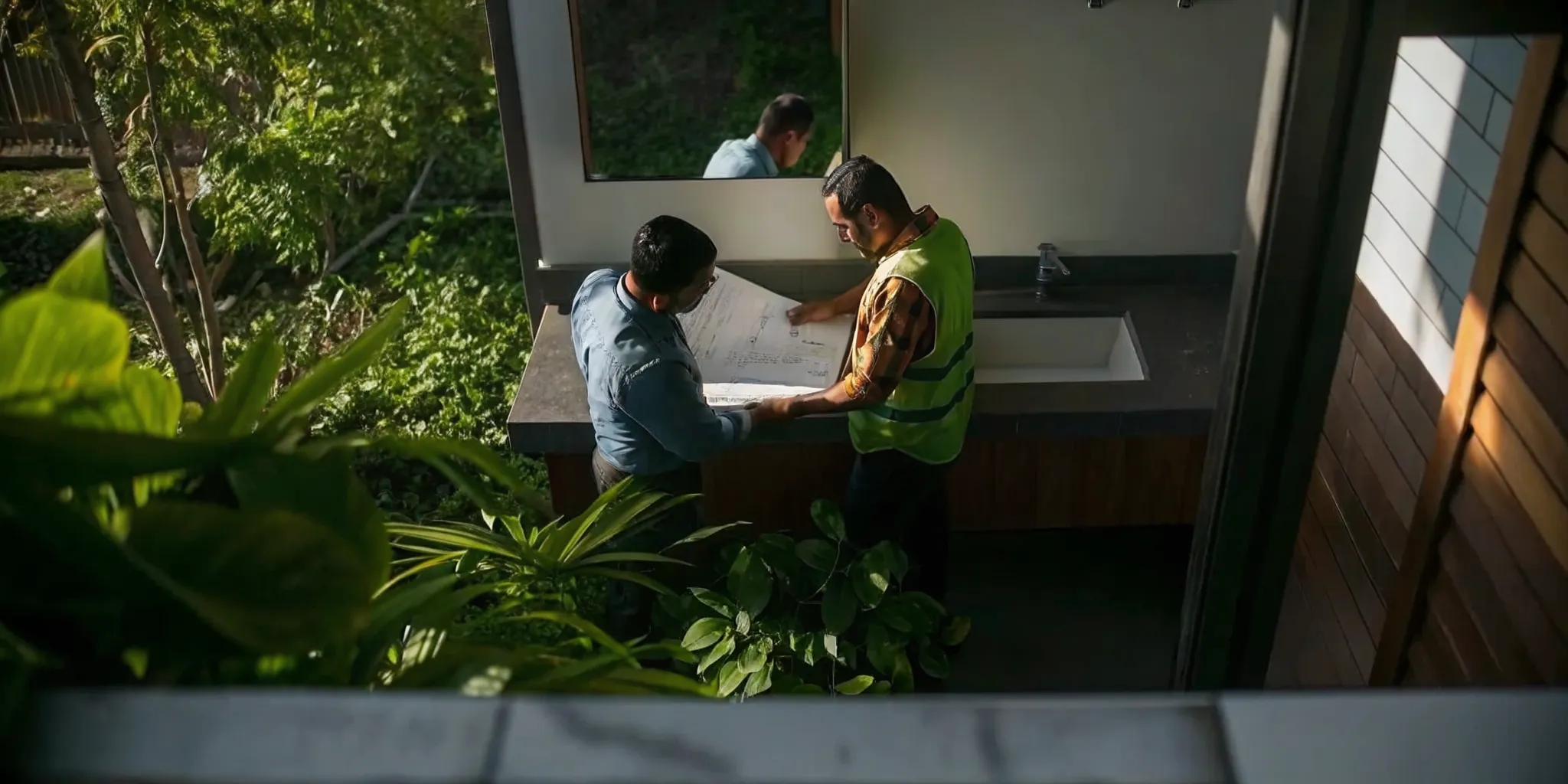
Once you’ve narrowed your list down to two or three top contenders, it’s time for a final comparison. Don’t just look at the bottom-line price. Instead, carefully review the written estimates from each contractor to ensure they’re bidding on the exact same scope of work and quality of materials. One contractor might seem cheaper, but they may have left something out that another included. You can also run a final check on trusted business sites like the Better Business Bureau to see their rating and if any complaints have been filed. This is your last chance to weigh all the factors—cost, experience, communication style, and your gut feeling—to choose the best partner for your project.
Finalize the Contract and Kick Off Your Project
Before any work begins or any significant payments are made, you need a signed contract. This document is your project’s blueprint and your protection. A thorough renovation contract should clearly spell out the full scope of work, a detailed list of materials, the payment schedule, and the projected start and end dates. It should also confirm that the contractor carries the necessary licenses, liability insurance, and worker's compensation. Read every line carefully, and don’t be afraid to ask for clarification or changes. Once you’re comfortable with the terms, you can sign with confidence and officially kick off your bathroom remodel.
Set Clear Expectations for a Smooth Remodel
Great communication is the key to a successful renovation. One of the biggest frustrations for homeowners is a contractor who is hard to reach or unclear about progress. Before the project starts, agree on a communication plan. Will you have a weekly check-in call? Is text or email the best way to ask quick questions? Who is your main point of contact on their team? Establishing these ground rules from the beginning prevents misunderstandings about timelines and project details down the road. This is a core part of how Realm works; we provide a dedicated advisor to ensure communication is always clear and consistent between you and your contractor.
Frequently Asked Questions
What's a reasonable deposit to pay a contractor upfront? A standard deposit is typically around 10% of the total project cost, though this can vary by state law. You should be cautious of any contractor who asks for a large sum of money before any work has begun, as this can sometimes signal financial instability. Your contract should clearly outline a payment schedule where future payments are tied to specific project milestones, like the completion of demolition or the installation of plumbing, not just arbitrary dates.
Why shouldn't I just go with the cheapest quote? While it's tempting, the lowest bid can come with hidden costs. A quote that is significantly lower than others may mean the contractor is using cheaper materials, cutting corners on essential steps like waterproofing, or planning to add unexpected charges later on. A detailed, professional quote shows that a contractor has thoroughly considered your project's needs, which is a much better indicator of value than the bottom-line price alone.
What's the difference between a contractor being licensed, bonded, and insured? These terms all offer you different layers of protection. A license proves the contractor has met state requirements for competency and knowledge. Insurance, specifically general liability and workers' compensation, protects you financially if there's an accident or damage to your property during the job. Being bonded means a third-party company has set aside money to cover claims against the contractor if they fail to complete the job properly, giving you an extra layer of financial security.
What should I do if I have a disagreement with my contractor during the project? The best way to handle disagreements is to address them early and directly. Your contract and the agreed-upon communication plan are your best tools. Schedule a time to talk with your contractor's main point of contact, refer back to the written scope of work, and clearly explain your concerns. A professional contractor will want to find a solution to keep the project on track and ensure you're satisfied with the outcome.
How involved do I need to be once the remodel starts? While your contractor manages the day-to-day work, your involvement is still crucial for making key decisions. You should plan to be available for scheduled check-ins and to answer questions about design choices, like grout color or fixture placement, as they come up. Staying engaged helps prevent delays and ensures the final result truly matches your vision. A good contractor will set clear expectations for when they'll need your input so you can plan accordingly.