Convert Garage to Living Space Cost: A Full Breakdown
Get a clear look at convert garage to living space cost, with real numbers, key factors, and tips to help you plan your garage conversion budget.
|
January 23, 2026
In this article:
That underused garage space is full of potential. It could be the quiet home office you desperately need, a private suite for guests, or even a rental unit to generate extra income. But turning that potential into reality starts with a realistic financial plan. Understanding the convert garage to living space cost is the critical first step that moves your project from a daydream to an actionable plan. We’ll break down every expense you can expect, from the big-ticket items like structural work to the smaller details like permits and insulation, giving you the clarity you need to move forward.
Key Takeaways
- Define Your Project Scope to Set Your Budget: The final cost is tied directly to your plans. A basic room conversion is the most affordable option, while adding a bathroom or a full kitchen for an ADU significantly increases the price due to complex plumbing and electrical work.
- Account for More Than Just Construction: A realistic budget includes essential costs like building permits, design fees, and necessary upgrades for HVAC and insulation. Always set aside a 10-20% contingency fund to cover unexpected structural or code-related issues.
- Recognize the Return on Your Investment: A professionally completed garage conversion is a smart financial move, often recouping around 80% of its cost at resale. By adding legal, livable square footage, you increase your property's value and appeal to future buyers.
How Much Does It Cost to Convert a Garage into a Living Space?
Thinking about turning your garage into a home office, gym, or extra bedroom? It’s a smart way to add valuable square footage without the headache of a full-scale addition. But let's get straight to the point: what will it cost you?
Generally, a garage conversion costs anywhere from $6,000 to over $25,000. Most projects, however, tend to fall within the $10,000 to $15,000 range. This number can shift quite a bit based on your specific plans, the materials you choose, and labor costs in your area. The final price tag depends on whether you’re planning a simple, finished room or a fully independent living space with all the bells and whistles.
The size of your garage is one of the biggest factors. Converting a one-car garage, which is typically around 240 square feet, usually runs between $6,000 and $18,000. If you’re working with a larger two-car garage of about 440 square feet, you can expect the cost to be higher, usually from $11,000 to $33,000. Remember that labor can account for about half of your total budget, so complex jobs requiring new plumbing or electrical wiring will push you toward the higher end of these estimates.
If you're planning a full Accessory Dwelling Unit (ADU) with its own kitchen and bath, the investment becomes much larger, often starting at $60,000 and going up from there. These projects are essentially building a small home within an existing structure, requiring extensive work to meet building codes for a separate dwelling.
2025 Cost Estimates by Conversion TypeMost garage conversions fall into three budget tiers.
Here is what to expect for a standard 400 sq. ft. (2-car) garage:
- Tier 1: The "Lifestyle" Space (Gym, Office, or Playroom)
- Estimated Cost: $5,000 – $12,000
- Scope: Focuses on "habitable" finishes. Includes basic floor leveling/epoxy, drywall, paint, and surface-mounted electrical. This tier typically avoids plumbing and heavy HVAC work, using space heaters or portable ACs instead.
- Tier 2: The "Habitable" Room (Bedroom or Guest Suite)
- Estimated Cost: $15,000 – $35,000
- Scope: Requires strict adherence to building codes for living spaces. Includes professional insulation (R-value compliant), permanent HVAC (typically a mini-split system), egress windows for safety, and closet framing.
- Tier 3: The "Independent" Unit (Studio Apartment / ADU)
- Estimated Cost: $50,000 – $90,000+
- Scope: A full Accessory Dwelling Unit (ADU) with a kitchen and bathroom. The majority of this cost goes toward trenching for new sewer lines, specialized plumbing, separate electrical sub-panels, and high permit fees which can range from $2,000 to $5,000 alone.
What Factors Drive Your Garage Conversion Cost?
Thinking about converting your garage is exciting, but the first question on everyone’s mind is always about the cost. The truth is, there’s no single price tag. The final number depends entirely on your specific project, from the size of your space to the finishes you choose. Understanding the key variables from the start helps you create a realistic budget and avoid surprises down the road. Let’s walk through the four main factors that will shape your project’s cost.
The Size of Your Garage
It might seem obvious, but the biggest factor influencing your budget is the size of your garage. A larger space simply requires more of everything—more drywall, more flooring, more paint, and more hours of labor to put it all together. A one-car garage conversion will have a fundamentally different starting budget than a two- or three-car space. Think of square footage as the foundation of your cost estimate. From there, you can begin to layer in the other factors that will define your project’s scope and final price.
The Complexity of Your Project
What do you envision for your new space? A simple home gym or office will cost significantly less than a fully independent living unit. The complexity of your project is a major cost driver. Adding new plumbing for a bathroom or kitchenette, for instance, immediately increases the price. If you’re planning to create a full Accessory Dwelling Unit (ADU) with a kitchen, bathroom, and separate entrance, you’re looking at a much more involved and expensive project that requires extensive planning, permitting, and construction work.
Local Labor and Material Costs
Where you live plays a huge role in your garage conversion cost. Labor and material prices vary dramatically from one city to another, especially in the metro areas Realm serves. In places with a higher cost of living, you can expect to pay more for skilled tradespeople like electricians, plumbers, and carpenters. In fact, labor costs often make up about half of the total project price. Local building permit fees and regulations can also add to the overall expense, so it’s important to factor in your specific location when building your budget.
Structural and Foundation Work
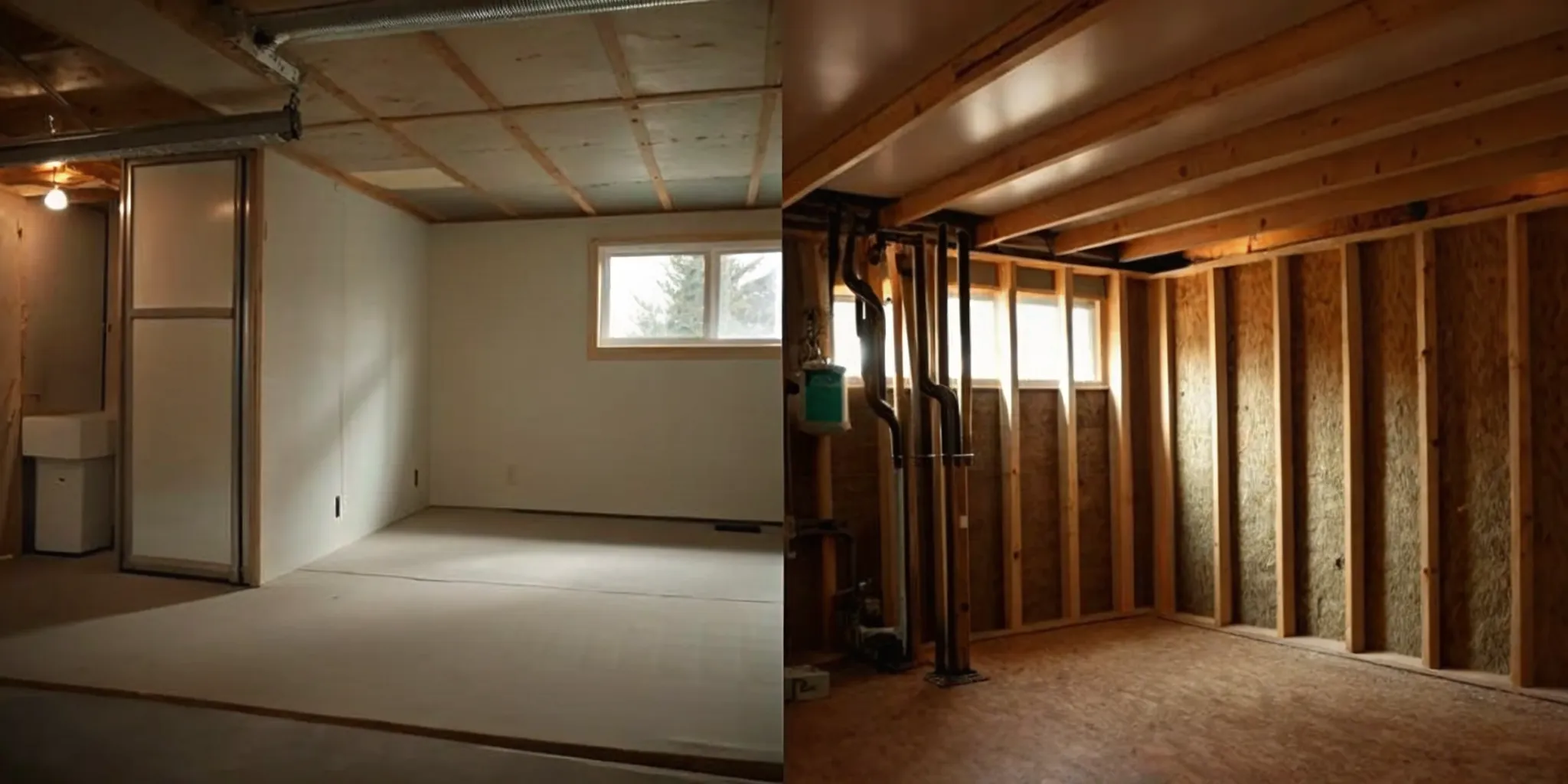
A garage is built to park cars, not to be a comfortable living space. That means it often needs significant structural upgrades to become a legal and safe part of your home. Your project might require work on the foundation, like deepening the footings or pouring a new concrete slab to bring the floor level with the rest of the house. You may also need to frame new walls, upgrade ceiling joists, or add proper insulation. These structural improvements are essential for a successful conversion and can be a major part of your budget.
A Look at Garage Conversion Costs by Project Type
The vision you have for your new space is one of the biggest factors in determining your final budget. Turning your garage into a simple home gym is a very different project—with a very different price tag—than building a fully independent apartment. The more amenities you add, like plumbing for a kitchen or bathroom, the more complex and costly the job becomes. To give you a clearer picture, let's break down the typical costs for some of the most common garage conversion projects. This will help you align your dreams for the space with a realistic financial plan. Remember, these are estimates, and working with a Realm advisor can help you get a precise quote based on your specific project and location.
Basic Office or Gym Space ($6,000-$15,000)
If you just need a dedicated space to work or work out, this is your most budget-friendly route. A basic conversion usually involves insulating the walls, putting up drywall, installing durable flooring, and adding sufficient lighting and electrical outlets. According to home services expert Angi, you can expect the cost for this kind of project to fall between $6,000 and $15,000. It’s a straightforward way to add valuable living space to your home without the complexities of plumbing or major structural changes. This option is perfect for creating a functional, comfortable room that serves a single purpose.
Simple Bedroom Conversion ($10,000-$20,000)
Need an extra bedroom for guests or a growing family? Converting your garage into a simple sleeping space is a popular mid-range option. This project includes all the basics of an office conversion, plus features required for a legal bedroom, like a closet and an egress window for safety. These additions bring the typical cost to between $10,000 and $20,000. While it doesn't involve plumbing, ensuring the room meets local building codes for bedrooms is a key part of the process and budget. This is a great way to increase your home’s bedroom count and overall functionality.
In-Law Suite with a Bathroom ($20,000-$50,000)
Creating a private suite for family or long-term guests means adding a bathroom, which significantly impacts the scope and cost. This project requires running new plumbing lines for a toilet, sink, and shower, which is a major undertaking. You’ll also need more complex electrical work and ventilation. Because of this added complexity, an in-law suite conversion typically costs between $20,000 and $50,000. While it's a bigger investment, it provides a much more self-sufficient living space for its occupants, offering both comfort and privacy.
Full Accessory Dwelling Unit (ADU) ($60,000-$150,000)
A full ADU is the most comprehensive garage conversion, transforming the space into a completely separate, rentable apartment. This includes a bedroom, bathroom, and a kitchen. The extensive plumbing, high-voltage electrical for appliances, and separate HVAC systems make it the most expensive option, with costs often ranging from $60,000 to $150,000 or more. Homeowners have shared that these projects can be a major undertaking, but the result is a fully functional dwelling that can generate rental income or add significant value to your property.
What Other Costs Should You Plan For?
When you’re budgeting for a garage conversion, it’s easy to focus on the big-ticket items like framing and drywall. But the final price tag often includes several other essential costs that can catch you by surprise if you’re not prepared. Thinking through these expenses from the start will give you a much more realistic budget and a smoother project from start to finish. These are the costs that truly transform a garage from a storage space into a safe, comfortable, and legal living area. From handling city permits to ensuring the room is warm in the winter, here are the key additional costs you should factor into your plan.
Permits and Inspections ($500-$2,000)
Before any work begins, you’ll need to secure the right permits from your local building department. This is a non-negotiable step that ensures your conversion is safe, legal, and up to code. The cost of permits varies widely depending on your city and the scope of your project. The process involves submitting your plans for review and scheduling inspections at key stages of construction. While it might seem like a hassle, getting the proper permits protects your investment and prevents major headaches down the road. A good general contractor can typically manage this process for you, but the fees will be part of your overall project cost.
Electrical and Plumbing ($3,000-$15,000)
Your garage likely has basic electrical service, but it’s probably not enough for a living space. You’ll need to budget for adding outlets, overhead lighting, and dedicated circuits for things like heaters or kitchen appliances. If your plan includes a bathroom or kitchenette, you’ll also have significant plumbing costs. This involves running new water supply and drain lines, which can be complex and expensive, especially if it requires cutting into the concrete slab. Because this work is critical for safety and function, it’s essential to hire licensed and vetted professionals to ensure everything is done correctly and to code.
Heating and Cooling (HVAC) ($2,000-$8,000)
Garages aren't designed with temperature control in mind, so making your new space comfortable year-round is a must. You have a few options here. You could extend your home's existing central HVAC system, but this isn't always feasible or cost-effective. A more common solution is to install a ductless mini-split system. These units are highly efficient, provide both heating and cooling, and allow you to control the temperature of the new space independently from the rest of the house. The right choice depends on your climate, the size of the space, and your budget.
Insulation and New Flooring ($2,000-$10,000)
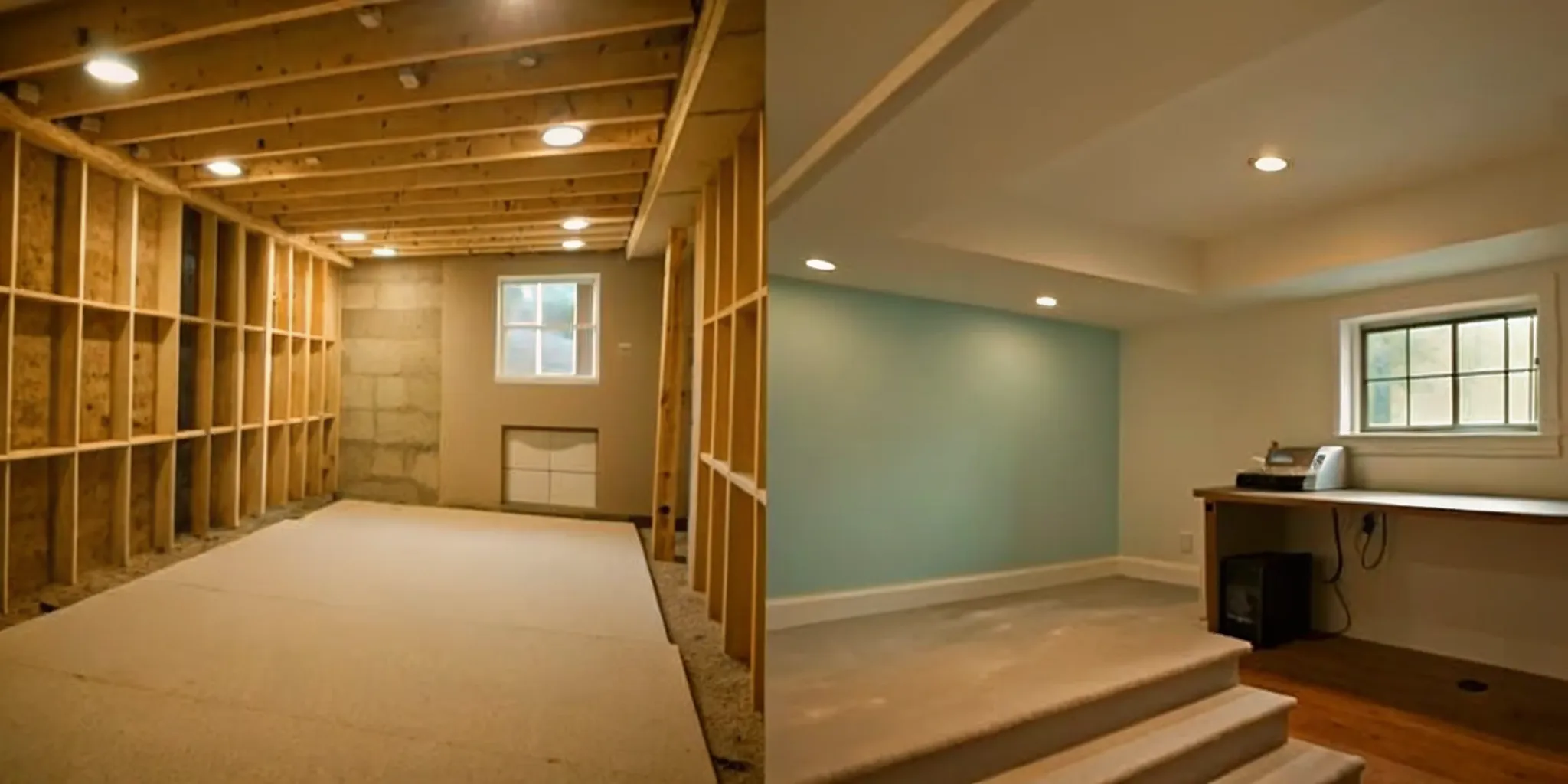
Proper insulation is what will make your converted garage feel like a real part of your home. This means adding insulation to the walls and ceiling to keep the space comfortable and energy-efficient. You’ll also need to address the concrete floor. At a minimum, you’ll want to seal it and add a subfloor to create a moisture barrier and a level surface for your finished flooring. From there, your options range from affordable choices like laminate or vinyl to more premium materials like engineered hardwood or tile, all of which will impact your final cost.
Planning for Unexpected Costs
Even with the most meticulous plan, renovation projects can throw a few curveballs. Garage conversions, in particular, often uncover issues that weren't obvious from the start. That’s why a contingency fund is your best friend. Think of it as a financial safety net for your project. A good rule of thumb is to set aside an extra 10% to 20% of your total project budget to cover these surprises. This isn't a sign of poor planning; it's a mark of a smart, prepared homeowner.
When you transform a space that was never intended for living, you might find that the original construction wasn't up to the same standards as the rest of your house. From hidden structural problems to outdated wiring, these are the kinds of things you can’t know until you open up the walls. Having a buffer in your budget means you can handle these challenges without derailing your project or compromising on your vision. A dedicated project advisor can help you anticipate these potential costs and build a realistic budget from day one, ensuring you’re prepared for whatever comes your way.
Surprise Structural Issues
Garages often hide structural secrets. Since they were built to shelter cars, not people, their foundations and framing might not meet the requirements for a habitable living space. The final cost of your conversion will depend heavily on your garage's current condition. Many older garages need significant work, like reinforcing the foundation or adding new sub-flooring to create a level, insulated base for your new room. These issues are often invisible until demolition begins, making them one of the most common and costly surprises you can encounter during a conversion.
Bringing Your Space Up to Code
Turning your garage into a legal, safe living area means bringing it up to current residential building codes. This isn't just about paperwork; it's about ensuring the safety of anyone who uses the space. You will likely need permits for the work, which ensures your project is inspected and approved. This could mean adding egress windows for fire safety, installing proper ventilation, or upgrading the electrical system to handle the demands of a living space. These code requirements are non-negotiable and are a crucial part of your project's budget and timeline.
Utility Connection Fees
Connecting utilities can be a surprisingly large expense. Your garage probably has basic electricity, but adding plumbing for a bathroom or kitchen is a different story. Tying into your home’s existing systems isn't always straightforward. For example, connecting a new sewer line can be a major undertaking, sometimes requiring a separate connection to the street rather than just tapping into your main house line. This can involve trenching through your yard and significant plumbing work, so it’s a cost you’ll want to investigate early in the planning phase.
Foundation and Subfloor Repairs
The concrete slab in your garage might look solid, but it was likely poured without the considerations needed for a living space, like insulation or a vapor barrier. It’s common to find that the slab is cracked, uneven, or sloped for drainage. Fixing these foundation problems is essential before you can install any flooring. This often involves leveling the concrete, repairing cracks, and building a raised subfloor to protect against moisture and cold. These repairs add to the cost but are critical for creating a comfortable and durable room.
How Much Should You Budget for Professional Help?
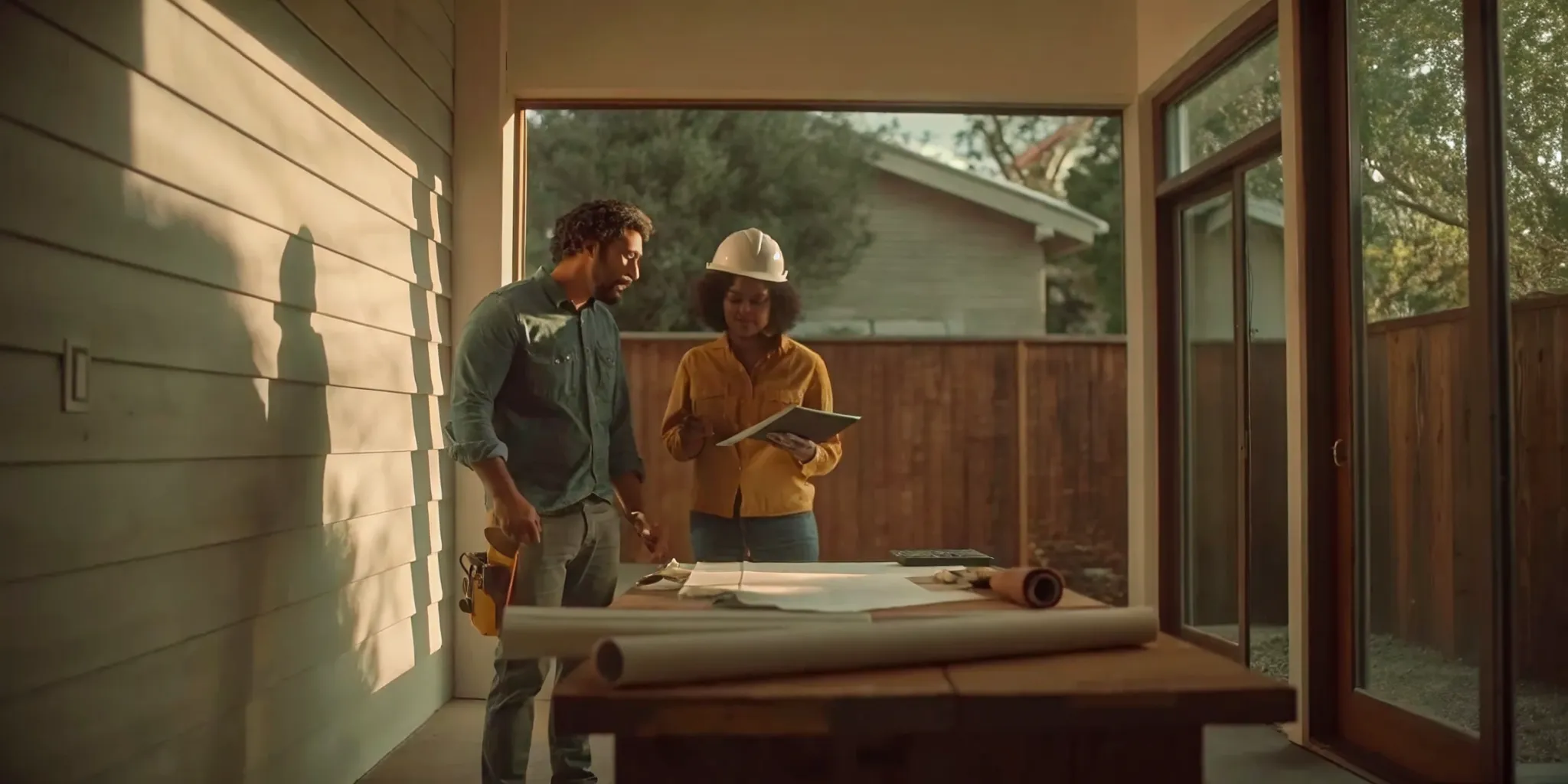
Unless you’re a licensed contractor yourself, a garage conversion isn’t a solo project. Budgeting for professional help is one of the most important steps you’ll take, as it ensures your new space is safe, functional, and up to code. The team you hire will depend on your project's complexity, but it often includes an architect or designer for the initial plans, a general contractor to manage the build, and specialized tradespeople like electricians and plumbers to handle the technical systems. Investing in the right team from the start saves you from costly mistakes and headaches down the road.
Design and Planning Fees
Before any walls come down, you need a solid plan. This is where architects and designers come in. They create the blueprints that turn your vision into a buildable reality, ensuring the layout is functional and meets all local building codes. For complex conversions, especially those involving new bathrooms or kitchens, professional design is non-negotiable. It’s always better to hire professionals for tricky work like plumbing and electrical to make sure everything is safe and done correctly. These initial planning fees are an investment in a smooth, successful project.
General Contractor vs. DIY
One of the biggest decisions you'll make is whether to hire a general contractor (GC) or manage the project yourself. A GC acts as the project manager, coordinating all the different workers—from plumbers to painters—and making sure the project follows local rules. This is a huge time-saver and stress-reducer, but it comes at a cost. If you’re looking to save some money, you could tackle simpler tasks yourself, like demolition, painting, or installing flooring. Just be realistic about your skills and the time you can commit before you decide to go the DIY route.
Costs for Specialized Trades
Certain parts of a garage conversion require licensed experts, and their fees are a significant part of the budget. If you’re adding a bathroom or kitchenette, you’ll need a plumber to run new supply and drain lines, which can cost between $1,500 and $4,000. You'll also need an electrician to install new wiring, outlets, and lighting to make the space livable, typically running from $1,000 to $3,000. These aren’t areas to cut corners, as faulty work can be dangerous and expensive to fix later. Finding vetted professionals is key to getting this work done right.
One-Car vs. Two-Car Garage: How Size Impacts Your Budget
It’s probably no surprise that the biggest factor influencing your garage conversion budget is the size of the space itself. A larger garage means more square footage to cover with flooring, drywall, insulation, and paint. It also often translates to more extensive electrical work, more lighting fixtures, and potentially a more robust HVAC system to keep the space comfortable. Think of it this way: every extra square foot adds to your material and labor costs, which is why a clear project plan is so important before you begin.
But size isn't just about the final price tag; it's also about potential. A cozy one-car garage is perfect for a dedicated home office or gym, while a spacious two-car garage opens up possibilities for a full in-law suite or an accessory dwelling unit (ADU). The scope of your project will scale with the space. For example, adding a bathroom or kitchenette to a two-car garage conversion will involve significant plumbing and electrical work that wouldn't be a factor in a simple one-car office conversion. Understanding the typical cost ranges for each will help you align your vision with your budget from the very beginning. Let’s break down what you can expect to invest based on whether you’re starting with a one-car or two-car space.
Cost to Convert a One-Car Garage ($10,000-$25,000)
A typical one-car garage is about 200 to 250 square feet, making it an ideal canvas for a single-purpose room. For a project of this size, you can expect the cost to range from $10,000 to $25,000.
At the lower end, you could create a simple, functional space like a home office or gym. This covers essentials like insulation, drywall, basic electrical, and flooring. As you move toward the $25,000 mark, you can incorporate higher-end finishes, more custom lighting, built-in storage, or a dedicated mini-split system for heating and cooling. While it’s a smaller space, a well-planned one-car conversion can add valuable living space and utility to your home without the cost of a full addition.
Cost to Convert a Two-Car Garage ($15,000-$50,000)
With a footprint of around 400 to 500 square feet, a two-car garage gives you much more flexibility. The conversion cost for a space this size typically falls between $15,000 and $50,000, but it can go higher depending on your plans.
A budget closer to $15,000 could transform the garage into a large family room or a spacious art studio. As you approach the $50,000 range, you can start planning for more complex layouts, like an in-law suite with a small bathroom and kitchenette. This requires significant plumbing and permitting work, which is where having expert guidance becomes invaluable. If you’re dreaming of a full ADU with a separate entrance and kitchen, your costs could climb higher, but the potential for rental income or multi-generational living is huge.
Is a Garage Conversion a Good Investment?
So, let's talk about the big question: is turning your garage into living space actually a smart financial move? The short answer is yes, it often is. But the full answer depends on your goals, your budget, and your local housing market. A garage conversion is one of the most cost-effective ways to add square footage to your home, which almost always translates to a higher property value. You’re using an existing structure, which saves a significant amount on foundation and framing costs compared to building a brand-new addition.
Beyond the numbers, think about the value it adds to your daily life. Whether you need a home office, a guest suite for family, or a rental unit for extra income, the new space can solve real problems and improve your quality of life. When you weigh the cost against the potential for a higher sale price down the road and the immediate lifestyle benefits, a garage conversion often makes a lot of sense. The key is to plan thoughtfully and execute the project well, ensuring the new space is a seamless and valuable part of your home.
Calculating Your Return on Investment (ROI)
When you hear people talk about return on investment, or ROI, they’re just asking a simple question: will you get your money back when you sell? For garage conversions, the data is pretty encouraging. On average, homeowners can expect to recoup about 80% of the project cost. So, if you spend $30,000 on your conversion, you could see your home’s value increase by about $24,000. Of course, this is just an average. A high-quality conversion in a desirable neighborhood could see an even higher return, especially if it creates a legal rental unit in a market with high demand for housing.
How a Conversion Affects Property Value
Adding permitted, livable square footage is one of the most reliable ways to increase your home's value. A well-designed garage conversion does exactly that. Instead of a space for cars and storage, you now have a functional bedroom, office, or even a full apartment. This not only increases the official square footage but also broadens your home’s appeal to future buyers. A family might be drawn to the extra bedroom, while another buyer might see the potential for a dedicated in-law suite. The key is ensuring the conversion is done professionally, with proper permits and a design that feels like a natural extension of the main house.
Common Myths About Garage Conversion Value
You’ve probably heard the warnings: "Don't get rid of your garage, buyers need a place to park!" While it’s true that some buyers prioritize a garage, in many dense urban areas like Los Angeles or the Bay Area, the value of an extra bedroom or a rental unit can far outweigh the need for covered parking. Another common myth is that the costs will inevitably spiral out of control. While surprises can happen in any renovation, this fear often comes from a lack of proper planning. Working with an experienced team to create a detailed scope of work and a realistic project budget from the start is the best way to keep your project on track and avoid costly surprises.
Smart Ways to Save on Your Garage Conversion
A garage conversion is a big project, but it doesn't have to drain your savings. With some strategic thinking and careful planning, you can create an amazing new space while keeping your budget in check. It’s not about cutting corners on quality, but about making smart choices that deliver the most value for every dollar you spend. From rolling up your sleeves for a little DIY to choosing the right materials from the start, there are plenty of ways to manage costs effectively. A well-thought-out plan is your best tool for saving money, ensuring you know where your funds are going before the first wall comes down.
Deciding What to DIY vs. Hire Out
One of the most direct ways to save money is by handling some of the work yourself. If you’re comfortable with it, tasks like demolition, hauling away debris, painting, or installing baseboards are great candidates for DIY. This can cut down significantly on labor costs, which often make up a large portion of the total budget. However, it’s just as important to know your limits. Complex jobs involving electrical, plumbing, or structural changes are best left to licensed professionals. Trying to tackle these without the right expertise can lead to costly mistakes and safety hazards. The key is to find a balance that plays to your strengths while relying on vetted professionals for the critical, technical work.
Choosing Cost-Effective Materials
Your choice of materials will have a huge impact on your final bill. The goal is to find options that are durable and look great without the high-end price tag. For example, instead of expensive hardwood, consider luxury vinyl plank (LVP) flooring. It’s incredibly durable, waterproof, and comes in a wide variety of realistic wood and stone finishes at a fraction of the cost. When it comes to cabinetry, stock or semi-custom options from big-box stores can provide a high-end look for much less than fully custom units. Do your research, compare prices, and don’t be afraid to ask for samples before you commit. A little extra time spent here can lead to big savings.
The Importance of Smart Planning and Timing
A detailed plan is your most powerful money-saving tool. Before you start, think through exactly how you want to use the space and create a clear budget. Knowing what you want from the beginning helps prevent expensive changes mid-project. Part of this planning process should involve getting quotes from at least three different contractors. This allows you to compare prices and understand the scope of work each professional is proposing. A platform like Realm can simplify this entire process, helping you create a customized plan and connect with trusted contractors. Proper planning ensures there are fewer surprises, keeping your project on time and on budget.
Ready to Start Your Garage Conversion?
Feeling inspired? Turning that vision into a reality starts with a solid plan and the right team. A garage conversion is a major project, but breaking it down into manageable steps makes the whole process feel much more approachable. With a clear budget, a realistic timeline, and trusted professionals by your side, you can transform your underused garage into a space you’ll love.
How to Find the Right Professionals
For a project with this many moving parts, it’s usually best to hire a general contractor. Think of them as the project manager for your renovation—they hire and coordinate all the different workers, like plumbers and electricians, and ensure everything is done according to local building codes. This saves you the headache of managing multiple schedules and personalities. To make sure you’re getting a fair price, get quotes from at least three different professionals. When you’re ready to find your team, Realm’s process is designed to connect you with a network of vetted local professionals to simplify your search and give you peace of mind.
Setting a Realistic Budget and Timeline
The cost of a garage conversion can vary quite a bit depending on where you live and the complexity of your plans. Most projects take between four and eight weeks from start to finish, but this can change based on permit approvals and how ambitious your design is. It’s also wise to plan for the unexpected. Many experienced homeowners recommend adding a 15-20% contingency fund to your budget to cover any surprises. Having a detailed project plan from the start helps you get a more accurate estimate, and a Realm advisor can help you build one tailored to your specific goals and property.
Frequently Asked Questions
Do I really need to get a permit for my garage conversion? Yes, you absolutely do. Think of a permit as your project's official green light, ensuring that all the work is done safely and meets local building codes. It protects you, your family, and your home's value. A conversion done without permits can create major problems when you eventually sell your home, and it can even be a serious safety risk if the electrical or structural work isn't inspected.
Will I hurt my home's value by losing a garage? This is a common concern, but in many housing markets, the value of additional, permitted living space far outweighs the value of a garage. A legal bedroom, a home office, or an in-law suite adds functional square footage that can significantly increase your property value and appeal to a wider range of buyers. The key is to create a high-quality space that feels like a natural part of the home.
How long does a typical garage conversion take from start to finish? Most garage conversions take between four and eight weeks to complete once construction begins. However, the total timeline can be longer when you factor in the initial planning and permitting phases. The design process, getting contractor bids, and waiting for your local building department to approve your plans can add several weeks or even months to the front end of your project.
What's the difference between a simple conversion and a full ADU? The main difference comes down to independence. A simple conversion creates a room—like an office, gym, or bedroom—that is still functionally part of the main house. An Accessory Dwelling Unit (ADU) is a completely separate living space, complete with its own kitchen, bathroom, and private entrance. Because they are essentially small apartments, ADUs have much stricter code requirements and are a more complex and expensive project.
What is the most common surprise cost I should prepare for? The most frequent surprise is the condition of the concrete slab floor. Garages are built for cars, so the floor is often sloped for drainage and lacks the proper insulation or vapor barrier needed for a living space. You may need to level the floor, repair cracks, or build a raised subfloor to create a warm, dry, and comfortable foundation for your new room, which can add an unexpected expense to your budget.