Small Bathroom Remodel Cost: A Full Breakdown
Get a clear answer to how much does it cost to remodel a small bathroom, plus tips to plan your budget and avoid hidden expenses during your renovation.
|
December 15, 2025
In this article:
Figuring out how much it cost to remodel a small bathroom can feel like trying to hit a moving target. The final number is a puzzle made of many different pieces: labor rates in your city, the price of the tile you fell in love with, and whether you need to move any plumbing. A project in the San Francisco Bay Area will have a different price tag than one elsewhere. Instead of giving you a vague, one-size-fits-all answer, we’re going to show you how the puzzle fits together. We’ll explore all the variables so you can calculate a realistic budget for your specific project.
Key Takeaways
- Always build in a 10-20% contingency fund: Renovations rarely go exactly as planned. This buffer is your non-negotiable safety net for handling unexpected issues, like old plumbing or water damage, without derailing your budget.
- Keep your layout the same to save the most money: Relocating plumbing and electrical fixtures is the fastest way to inflate your budget. Sticking with the existing footprint allows you to focus your spending on high-impact cosmetic updates instead of costly structural work.
- Get at least three contractor bids before hiring: Never settle for the first quote. Comparing detailed bids helps you understand the fair market rate for your project and find a trustworthy professional whose plan aligns with your budget and vision.
How Much Does It Really Cost to Remodel a Small Bathroom?
Let's get straight to the point: planning your budget is the first, and arguably most important, step of any renovation. For a small bathroom remodel, you can expect the average cost to be around $6,500. However, that number can swing dramatically, with projects ranging anywhere from a budget-friendly $1,500 to a more involved $15,000 or more.
So, why the huge range? The final price tag really comes down to the scope of your project. Are you planning a simple cosmetic refresh or a full-gut renovation? A cosmetic update—think new paint, a modern vanity, and updated fixtures—is on the lower end of the cost spectrum because you aren't moving any plumbing or electrical. A full renovation, where you tear everything out to the studs and potentially change the layout, will naturally cost more. Your choice of materials and whether you hire a professional or tackle some work yourself will also be major factors in your final budget.
Your location plays a big role, too. If you live in a major metropolitan area like Los Angeles or the San Francisco Bay Area, you can expect labor and material costs to be higher than the national average. It’s also smart to plan for the unexpected. We always recommend setting aside a contingency fund of about 10% to 20% of your total budget. This buffer covers any surprises that might pop up once the walls are opened, like hidden water damage or old wiring that needs to be brought up to code. Having this fund in place gives you peace of mind and keeps your project from getting derailed by an unforeseen issue.
What Factors Affect Your Remodel Budget?
A small bathroom remodel isn’t a one-size-fits-all project, and the final price tag can swing wildly based on a few key decisions. Understanding these factors from the get-go is the best way to build a budget that doesn’t give you sticker shock later. From the pros you hire to the tiles you fall in love with, every choice has a cost attached. We'll break down the main drivers so you can decide where to splurge and where to save.
Labor and Contractor Costs
Don't be surprised if labor is the biggest line item on your quote—it can easily make up half, or even two-thirds, of your total project cost. Hiring skilled, experienced contractors is an investment in quality and peace of mind, but it will be reflected in the price. While it might be tempting to go with the lowest bid, remember that quality work prevents costly fixes down the road. A great contractor handles everything from demolition to installation, ensuring your project runs smoothly. Finding the right team is crucial, which is why working with vetted professionals can make all the difference in sticking to your budget and timeline.
Your Choice of Materials
This is where your personal style really comes into play—and where your budget can quickly expand. The materials you choose have a huge impact on the final cost. For example, luxurious natural stone countertops and custom tiles will be significantly more expensive than standard ceramic tiles and a pre-fabricated vanity. The same goes for fixtures; a high-end faucet or designer light fixture costs more than a basic model from a big-box store. It's all about finding a balance between the look you want and the price you're comfortable with. Think about one or two "splurge" items and find more budget-friendly options for the rest.
Plumbing and Electrical Updates
If your dream bathroom involves moving the toilet to the other side of the room or adding a new outlet for your vanity, be prepared for the cost to go up. Relocating plumbing and electrical lines is complex work that requires licensed professionals and can add a significant amount to your labor costs. Sometimes, you don't know what you're dealing with until the walls are open. Hidden issues like old, corroded pipes, water damage, or outdated wiring can surface unexpectedly, leading to expenses you didn't plan for. This is a major reason why having a contingency fund is non-negotiable for any remodel.
Changing the Layout
Want to knock down a wall to make your small bathroom feel more spacious? Any major changes to the existing footprint will increase your costs. A project that keeps the original layout—what we call a "pull-and-replace" remodel—is always more affordable than one that involves moving walls, doors, or windows. A complete gut renovation, where the room is stripped down to the studs and rebuilt, is the most expensive approach. It gives you a blank slate but requires more labor, more materials, and often more complex permits. Before you commit to a new layout, make sure the functional benefits are worth the added investment.
Permits and Local Codes
This is the not-so-glamorous side of remodeling, but it's incredibly important. Most structural, plumbing, and electrical work requires a permit from your local municipality, and these come with fees. The cost and complexity of permits can vary a lot depending on where you live. Working with a contractor who is familiar with local building codes is essential to ensure everything is done correctly and safely. Failing to get the right permits can lead to fines and major headaches when it's time to sell your home. An experienced project advisor can help you sort through the requirements and make sure your project is fully compliant from day one.
Three Tiers of Bathroom Remodels (and What They Cost)
Bathroom remodels aren't one-size-fits-all, and their costs can vary wildly. To make sense of it all, it helps to think about projects in three general tiers: a light cosmetic refresh, a full gut renovation, and a high-end custom remodel. Each level involves a different scope of work, which directly impacts the timeline and your total budget. Understanding which category your vision falls into is the first step toward planning a project you can afford and will love for years to come. Whether you're just swapping out a faucet or moving walls, knowing the potential costs will help you set realistic expectations from the start. Let's break down what you can expect to pay for each level of renovation.
The Cosmetic Refresh
This is your go-to option for a big impact on a smaller budget. A cosmetic refresh focuses on surface-level updates without changing the bathroom's layout or moving any plumbing. Think fresh paint, a new vanity, updated light fixtures, or even reglazing your existing tub. It’s all about making the space feel new without major demolition. On average, these cosmetic changes can range from $1,500 to $15,000, with many projects landing around the $6,500 mark. This tier is perfect if your bathroom's layout works well but the style feels dated. It’s a fantastic way to add value and personality to your home without the cost and complexity of a larger renovation.
The Full Gut Renovation
If your bathroom needs more than just a facelift, you’re likely looking at a full gut renovation. This means tearing everything out—the old tile, tub, toilet, and vanity—and starting with a clean slate. While you’re keeping the existing layout and plumbing locations, everything you put back in is brand new. This is where you can address bigger issues like replacing old flooring or installing a modern, walk-in shower where a tub used to be. Costs for a full gut renovation can range significantly, typically from $20,000 to $55,000. The final price depends heavily on the materials you choose and the labor involved, which is why finding a vetted contractor is so crucial for keeping the project on track.
The High-End Custom Remodel
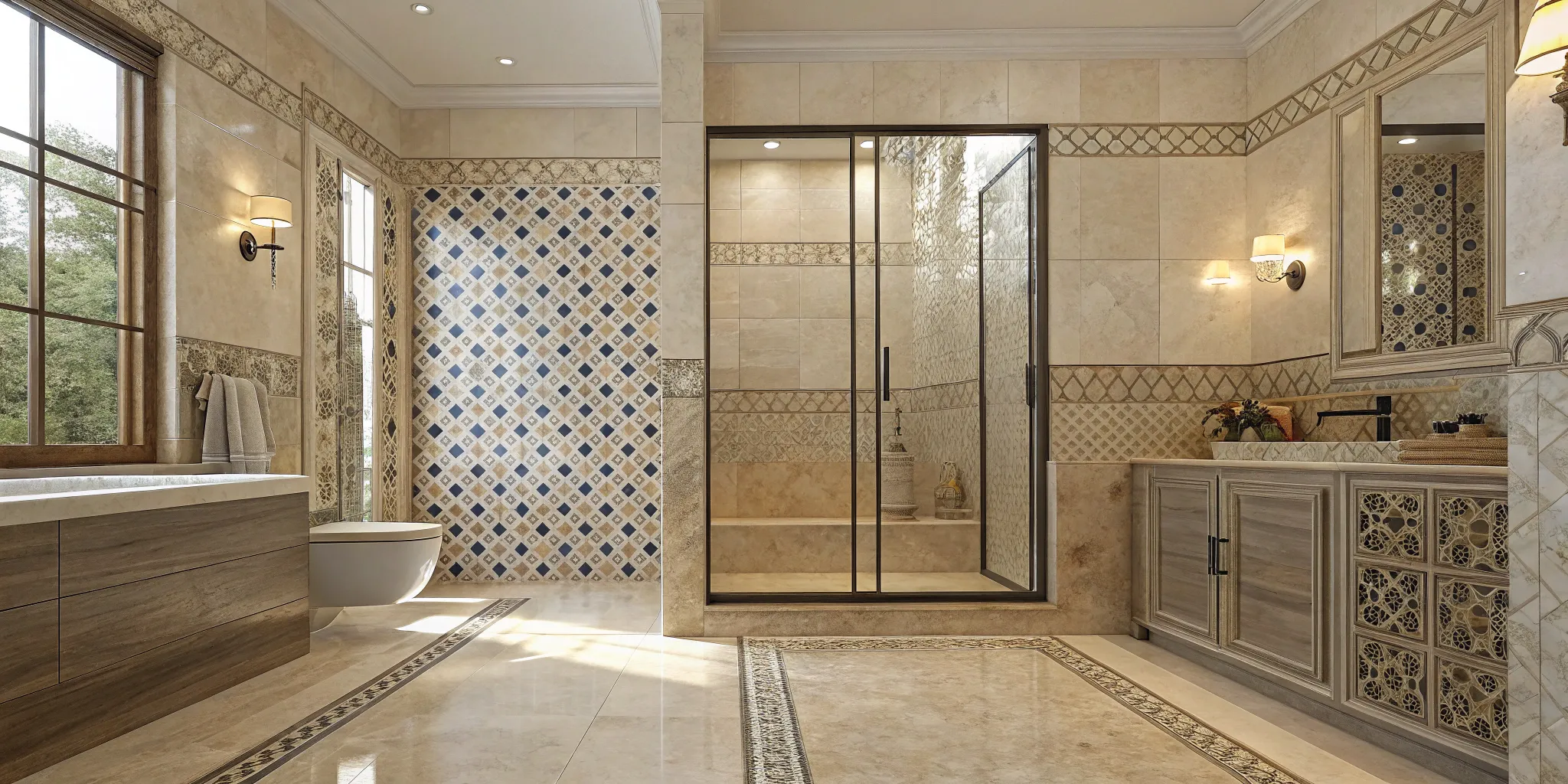
Welcome to the dream bathroom tier. A high-end remodel is where you can truly customize the space to fit your vision, which often means changing the layout, moving plumbing, and even knocking down walls to expand the room. This level of renovation includes premium features like a steam shower, a freestanding tub, custom cabinetry, and luxury materials like natural stone or marble. Because of the complexity and quality of finishes, these projects have the widest cost range, starting around $18,000 for a complete redesign and soaring to $80,000 or more for a truly luxurious result. These projects require meticulous planning and a team of skilled professionals to bring your unique vision to life with high-end materials.
Where Does the Money Go? A Cost Breakdown
When you get your first contractor quote, it can be a little jarring to see the total. But where is all that money actually going? Understanding the line items helps you see how the costs add up and where you might be able to save. A clear budget breakdown is a key part of any successful renovation plan. Let’s look at the major expenses for a small bathroom remodel so you can see how your budget gets allocated across the project.
Flooring
Let's start from the ground up. Your flooring sets the tone for the entire room, but it also needs to be durable and water-resistant. The material you choose is the biggest factor here. Luxury vinyl tile (LVT) is a popular and budget-friendly option, while natural stone or intricate ceramic tile patterns will sit at the higher end of the price scale. On average, you can expect to spend between $800 and $3,500 on materials and installation for a small bathroom. Keep in mind that if your subfloor needs repairs, that will add to the final cost.
Vanity and Sink
The vanity is often the focal point of a bathroom, serving as a key piece of furniture that provides essential storage. A simple, pre-fabricated vanity from a big-box store can be quite affordable, while a custom-built piece with a high-end countertop will be a much larger investment. Costs for a new vanity and sink installation typically range from $500 to $3,800. The price depends heavily on the size, material (like solid wood versus particleboard), and whether you choose an integrated sink or a separate vessel and faucet.
Toilet
While not the most glamorous part of a remodel, a new toilet can improve both the look and efficiency of your bathroom. A basic, builder-grade toilet is relatively inexpensive, but prices can climb for models with features like dual-flush technology, elongated bowls, or smart functions. The cost to purchase and install a new toilet generally falls between $350 and $800. This is one area where you can often find a good balance between style and affordability without a huge impact on your overall budget.
Shower and Tub
This is one of the biggest-ticket items in any bathroom renovation. Are you keeping your existing tub and just re-tiling the surround, or are you doing a full tub-to-shower conversion? A simple fiberglass tub and shower combo is the most economical choice. However, a custom-tiled walk-in shower with a frameless glass door will significantly increase the cost. Expect to budget anywhere from $3,000 to $10,000 or more for a new shower or tub, including installation, plumbing, and fixtures.
Lighting and Fixtures
Good lighting is non-negotiable in a bathroom. This category includes your main overhead light, vanity sconces, and any accent lighting, like a light in the shower. Fixtures cover everything from your faucets and showerhead to towel bars and cabinet pulls. While you can find stylish, budget-friendly options, designer brands and premium finishes like matte black or brushed brass will cost more. Plan to spend between $500 and $2,500 for all your new lighting and fixtures, including the cost for an electrician to install them.
Paint and Finishes
A fresh coat of paint is one of the most effective and affordable ways to transform a space. For a small bathroom, you’ll likely only need a gallon of high-quality, moisture-resistant paint. This, along with other finishing touches like trim and wall texturing, is a relatively small part of the budget. You can expect to pay a professional painter between $200 and $600 for a small bathroom. If you’re comfortable doing it yourself, you can cut this cost down to just the price of materials.
Watch Out for These Hidden Costs
No matter how carefully you plan your budget, renovations have a way of throwing a few curveballs. In a bathroom, where water and old plumbing are involved, surprises are even more common. Being aware of potential hidden costs from the start is the best way to protect your budget and keep your project on track. Think of it as financial self-defense for your remodel. Here are the most common surprises to prepare for.
Demolition and Debris Removal
The demolition phase is more than just swinging a sledgehammer. This is when you might uncover the first signs of trouble, like crumbling drywall behind the old tile. You also have to account for the cost of getting rid of all that old material. Debris removal fees can add a few hundred dollars to your project total, depending on how much you’re tearing out. If your new layout involves moving walls, you'll also need to factor in the cost of permits, which is an easy line item to forget.
Unexpected Structural or Water Damage
Once the walls and floors are open, you get a clear look at your home’s bones—and any problems they might have. It’s common to find issues like a rotted subfloor under the toilet, leaky supply lines behind the vanity, or even termite damage. These problems aren't optional fixes; they have to be addressed before any new materials go in. Repairing water damage is a crucial step that can add hundreds or even thousands of dollars to your budget, depending on the extent of the problem.
Mold Removal
Finding mold is a homeowner's nightmare, but it's a real possibility in a damp space like a bathroom. If your contractor spots mold, work will have to stop until it's properly handled. This isn't a DIY job—professional mold remediation is essential for your family's health and to ensure it doesn't come back. The cost for remediation varies widely based on the size of the affected area, so it's a good idea to have some money set aside in your contingency fund just in case this issue pops up.
Bringing Plumbing and Electrical Up to Code
If you live in an older home, your project might trigger a need for system upgrades. Building codes change over time to improve safety. If your contractor moves a light fixture or a plumbing line, they'll be required to bring the affected systems up to current code. This could mean replacing old galvanized pipes with copper or PEX, or adding a dedicated GFCI circuit for the bathroom outlets. These updates are non-negotiable for safety and passing inspections, but they can definitely add to your final bill.
Which Design Choices Affect Your Budget Most?
Once you’ve set a budget for labor and any structural changes, your design choices are where you have the most control over the final cost. The materials, fixtures, and finishes you select can swing your total spend by thousands of dollars. This is your chance to decide where to splurge and where to save to create a bathroom that fits both your style and your wallet. Let's break down the key decisions that will have the biggest impact on your budget.
Custom vs. Stock Vanities
The vanity is often the focal point of a small bathroom, and your choice here is a major budget-setter. A stock vanity from a big-box store is your most affordable option. It comes in standard sizes with fewer finish choices, but it’s ready to install. A custom vanity, on the other hand, is built to your exact specifications, allowing you to maximize storage and get the precise look you want. This tailored approach, however, comes with a significantly higher price tag due to the cost of materials and the skilled labor required to build and install it.
Tile and Countertop Materials
Tile is one of the most transformative elements in a bathroom, but the costs can add up quickly. Materials like natural stone (think marble or slate) are gorgeous but sit at the high end of the price spectrum. For a more budget-friendly alternative, ceramic and porcelain tiles offer incredible durability and a vast range of styles. In fact, many modern porcelain tiles do an amazing job of mimicking the look of natural stone without the high cost or maintenance. The same principle applies to countertops, where laminate or cultured marble can provide a beautiful finish for a fraction of the cost of quartz or granite.
The Quality of Your Fixtures
Fixtures—your faucet, showerhead, lighting, and even cabinet pulls—are like the jewelry of your bathroom. You can find basic, functional options that are very affordable, or you can opt for designer pieces that make a statement. While it might be tempting to save here, investing in high-quality fixtures can enhance the entire look and feel of the space. Good quality faucets and showerheads also tend to last longer and perform better. This is a great area to mix and match: consider splurging on a beautiful faucet while choosing more standard options for your lighting or towel racks.
Smart Storage Solutions
In a small bathroom, every inch of storage counts. While custom cabinetry is an option, there are more creative and affordable ways to get the space you need. Instead of replacing your existing vanity, consider refinishing the cabinets with a fresh coat of paint and new hardware for a completely updated look. You can also add vertical storage with floating shelves or a slim wall cabinet. Thinking creatively about your existing pieces can save you a significant amount of money; for example, reglazing a dated but functional bathtub is far more cost-effective than a full replacement.
How to Save Money on Your Small Bathroom Remodel
A small bathroom remodel doesn't have to come with a huge price tag. While it’s easy for costs to add up, a little strategic planning can make a world of difference for your budget. By making smart choices about your layout, materials, and timing, you can create a beautiful, functional space without overspending. The key is to know where to save and where it’s worth it to spend a little more. Here are some of the most effective ways to keep your project on track financially.
Don't Move the Plumbing
If there’s one rule to follow for a budget-friendly remodel, it’s this: work with the layout you already have. The moment you decide to move a toilet, sink, or shower, your costs will jump significantly. Relocating plumbing and electrical lines isn't a simple task; it involves opening up walls and floors, rerouting pipes, and potentially bringing everything up to current building codes. This adds a lot of labor hours and complexity to the job. By keeping your fixtures in their original spots, you can focus your budget on the updates that make the biggest visual impact, like new tile, a modern vanity, and updated lighting.
Select Smart, Budget-Friendly Materials
You can get a high-end look without paying high-end prices for every single item. The secret is to mix and match. Splurge on one or two focal points that you absolutely love—maybe it’s a stunning countertop or a unique floor tile—and choose more affordable options for everything else. For example, you can pair a standard, budget-friendly subway tile in the shower with designer-quality cabinet pulls on a stock vanity. This high-low approach lets you add personal style where it counts most. You can also find great deals on materials at salvage yards or by looking at remnant pieces of stone for your vanity top.
Handle Some of the Work Yourself
If you’re comfortable with a bit of DIY, taking on some of the labor yourself is a fantastic way to cut costs. Tasks like demolition, painting, and installing simple fixtures like a toilet or faucet are often manageable for a handy homeowner. Even small jobs, like installing a new mirror, towel bars, or shelving, can save you money on a professional’s time. Just be honest about your skill level. It’s wise to leave complex plumbing, electrical, and tile work to the pros. A DIY mistake can end up costing more to fix than it would have to hire a vetted contractor from the start.
Get Multiple Contractor Bids
Never settle for the first quote you receive. It’s essential to get at least three bids from different contractors to ensure you’re getting a fair price for the work. When you compare quotes, don’t just look at the final number. Make sure each bid includes a detailed breakdown of costs for materials and labor, a clear scope of work, and an estimated timeline. A surprisingly low bid could be a red flag, as it might mean the contractor is cutting corners or using subpar materials. Getting multiple bids helps you understand the market rate and find a reliable professional you feel comfortable working with.
Schedule Your Project for the Off-Season
Timing can play a big role in your remodel’s cost. Contractors are often busiest during the spring and summer when demand for home renovations is high. If you can wait, consider scheduling your project for the off-season, which is typically in the late fall or winter. During these slower months, some contractors may be more willing to offer competitive pricing to keep their crews busy. You might also find that they have more availability, allowing your project to get started sooner and receive more focused attention. It’s a simple shift in timing that could lead to some welcome savings.
Avoid These Common Budgeting Mistakes
Creating a budget is a great first step, but sticking to it is where the real challenge lies. Even the most carefully planned projects can go off track if you’re not prepared for the realities of renovation. A detailed budget is your roadmap, and avoiding a few common pitfalls can mean the difference between a smooth project and a stressful one. By being aware of these potential missteps, you can protect your investment and ensure your vision for a new bathroom becomes a reality without breaking the bank.
Forgetting a Contingency Fund
Think of a contingency fund as your project’s safety net. No matter how thoroughly you plan, renovations can uncover surprises, like hidden water damage behind a wall or old wiring that isn't up to code. Without a buffer, these unexpected issues can derail your budget and timeline. It's a smart move to set aside an additional 10% to 20% of your total project cost for these "what if" scenarios. This isn't slush money for upgrading your tile at the last minute; it's a dedicated fund for true, unforeseen expenses. Having it in place provides peace of mind and keeps your project moving forward smoothly.
Making Changes After Work Starts
One of the fastest ways to inflate your budget and extend your timeline is to make changes once demolition has begun. Deciding to move a vanity or switch from a bathtub to a walk-in shower mid-project isn't a simple swap. It creates a domino effect, requiring your contractor to issue a "change order" that can impact plumbing, electrical, framing, and finishes. This often leads to rework, material restocking fees, and scheduling delays. To avoid this, finalize every single detail in your customized plan before the first hammer swings. Lock in your layout, materials, and fixtures to ensure the project stays on course.
Only Getting One Quote
Accepting the first and only quote you receive is a significant risk. You have no way of knowing if the price is fair, competitive, or even realistic for the scope of work. We recommend getting at least three detailed bids from different contractors. This process allows you to compare not just the final price but also the proposed timelines, material quality, and the contractor's understanding of your project. When you have multiple bids, you get a much clearer picture of the market rate in your area. It’s a crucial step in doing your due diligence and finding a partner you can trust to deliver quality work at a fair price.
Underestimating Labor Costs and Timelines
It’s easy to get excited about picking out beautiful tiles and fixtures, but it's the labor that often makes up the largest portion of a remodel budget. In many cases, labor can account for 40% to 60% or more of your total costs, especially in areas with a higher cost of living. When reviewing bids, make sure they provide a clear and detailed breakdown of labor expenses versus materials. Similarly, be realistic about the timeline. A full bathroom gut can take several weeks. Ask contractors for a project schedule and build in a small buffer for potential delays, ensuring you’re not left without a functional bathroom for longer than expected.
DIY vs. Pro: When to Hire an Expert
Deciding which parts of your remodel to tackle yourself and which to hand over to a professional is a huge part of managing your budget. While it’s tempting to save on labor costs by doing it all yourself, some jobs are best left to the experts. A botched DIY job can lead to more expensive repairs down the road, not to mention major safety risks. Knowing your limits is key to a successful—and sane—renovation.
The right approach is often a hybrid one, where you handle tasks like painting or demolition and bring in licensed professionals for the technical work. This way, you save money where you can without compromising on the quality and safety of your new bathroom.
Why You Should Hire a Pro
Labor can make up a significant portion of your total project cost, sometimes as much as two-thirds. While that number might seem high, you’re paying for expertise, efficiency, and peace of mind. For any work involving plumbing, electrical, or structural changes, hiring a licensed professional is non-negotiable. These are complex systems where a small mistake can cause major issues like leaks, electrical faults, or structural instability. A pro will also ensure all work is up to code and handle the necessary permits, saving you from potential legal headaches. Think of it as an investment in your home’s long-term safety and value. At Realm, we connect you with expert guidance to make sure these critical jobs are done right the first time.
How to Find a Vetted Contractor
Finding a reliable contractor can feel like searching for a needle in a haystack, but it’s one of the most important steps in your renovation. Start by asking for recommendations from friends, family, or neighbors. Once you have a few names, do your homework. Check their licenses, insurance, and online reviews. A reputable contractor will have a portfolio of past work and be happy to provide references. It’s crucial to get multiple bids—at least three—to compare prices and project approaches. This isn’t just about finding the lowest price; it’s about understanding the value each contractor offers. The process of finding and vetting professionals can be time-consuming, which is why Realm maintains a network of trusted vendors to simplify your search.
How to Get an Accurate Quote
A quote should be more than just a final number on a piece of paper. To accurately compare bids, ask each contractor for a detailed, itemized breakdown. Make sure you understand exactly what the quote includes. Does it cover both labor and materials? What about permits, demolition, and debris removal? Getting clarity on these details upfront prevents surprise costs later. It’s also smart to plan for the unexpected. We always recommend setting aside a contingency fund of 10-20% of your total budget. This buffer will cover any unforeseen issues, like hidden water damage or outdated wiring, without derailing your entire project. A clear plan helps you manage your renovation without the financial stress.
Create a Realistic Remodel Budget
Budgeting isn't the most glamorous part of a remodel, but it's the most important. A clear, realistic budget is the foundation of a successful project, preventing stress and ensuring you get the bathroom you want without overspending. Think of it as your roadmap—it guides every decision, from the tile you choose to the contractor you hire. With a solid plan, you can feel confident and in control from demolition day to the final reveal.
Set a Realistic Goal
First things first, you need a number. A great way to start is by looking at typical project costs. Most small bathroom remodels land somewhere between $5,000 and $15,000, with a national average hovering around $7,000. Of course, this varies widely based on your location, the materials you select, and how much professional help you need. Use this range as a starting point to set a practical budget that feels comfortable for you and aligns with the scope of your project.
Build in a Contingency Fund
If there’s one rule in remodeling, it’s to expect the unexpected. When you tear down walls or pull up floors, you might find anything from outdated plumbing to hidden water damage. That’s why a contingency fund is non-negotiable. Plan to set aside an extra 10% to 20% of your total budget to cover these unforeseen costs. This buffer isn't for splurging on fancier tile; it's your safety net that keeps the project moving forward when surprises pop up, giving you peace of mind.
Separate Your "Must-Haves" from "Nice-to-Haves"
This is where you get to dream a little, but with a practical filter. Grab a notebook and make two columns: "Must-Haves" and "Nice-to-Haves." Your must-haves are the essentials—maybe a new, non-leaky toilet and a functional vanity with enough storage. The nice-to-haves are the extras, like heated floors or a high-end rain showerhead. This simple exercise helps you prioritize your spending and makes it easier to decide where to cut back if costs start to creep up.
Consider Your Home's Resale Value
A bathroom remodel isn't just an upgrade for you to enjoy; it's also an investment in your home. A thoughtfully updated bathroom can be a major selling point and can significantly increase your home's value. While you should design the space for your own needs, choosing timeless styles and quality materials often yields a better return. Making smart choices that you'll love now and that will pay off later is much easier when you have expert guidance to help you weigh your options.
Related Articles
- How to Estimate Bathroom Remodel Cost Accurately
- Bathroom Remodel Estimate Sample: A Cost Breakdown
- How Much Does A Bathroom Renovation Cost?
Frequently Asked Questions
What's the most important thing I can do to keep my remodel on budget? Without a doubt, the best way to control costs is to keep your bathroom's existing layout. The moment you decide to move the toilet or shower, you introduce the high costs of re-routing plumbing and electrical lines. This adds significant labor and complexity to the project. Finalize all your design and material choices before any work begins to prevent expensive mid-project changes.
Is it worth it to remodel a small bathroom before selling my house? Yes, it's generally a smart investment. Bathroom remodels consistently offer one of the best returns on investment of any home project. A fresh, updated bathroom is a major selling point for potential buyers. If you're renovating for resale, stick with timeless and neutral choices for tile and fixtures to appeal to the widest audience.
How long should I expect a small bathroom remodel to take? The timeline really depends on the scope of your project. A simple cosmetic refresh might only take a week or two. A full gut renovation, where everything is being replaced, will likely take anywhere from three to five weeks, sometimes longer if there are delays with materials or inspections. Always ask potential contractors for an estimated project schedule with their bid.
If I have a small budget, what one or two things will make the biggest impact? For the most bang for your buck, focus on a fresh coat of paint and a new vanity or lighting. Paint is an inexpensive way to completely change the feel of a room. A modern vanity and stylish light fixtures can instantly update the space and serve as a beautiful focal point, making the entire bathroom feel more current without the cost of a full renovation.
Why is labor so expensive, and is it really worth it? Labor often makes up more than half of the total cost because you're paying for much more than just installation. You're investing in a professional's skill, experience, insurance, and ability to solve the inevitable problems that pop up. Quality work from a vetted pro ensures your bathroom is safe, up to code, and built to last, which prevents you from having to pay for costly repairs down the road.















.png)







.avif)