How Much to Convert Attic to Living Space? A Breakdown
Curious how much to convert attic to living space? Get a clear cost breakdown, key factors, and tips to plan your attic conversion with confidence.
|
January 13, 2026
In this article:
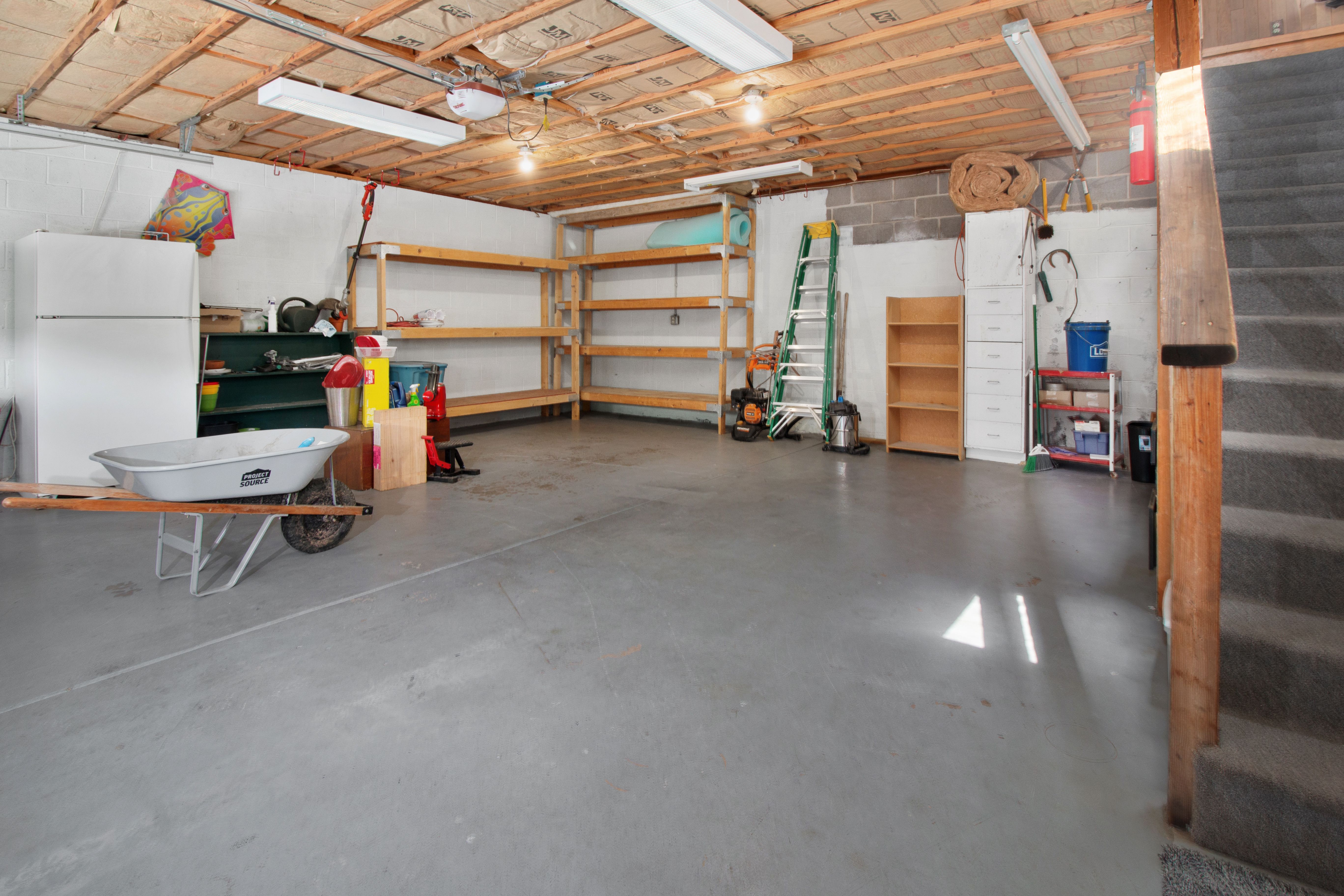
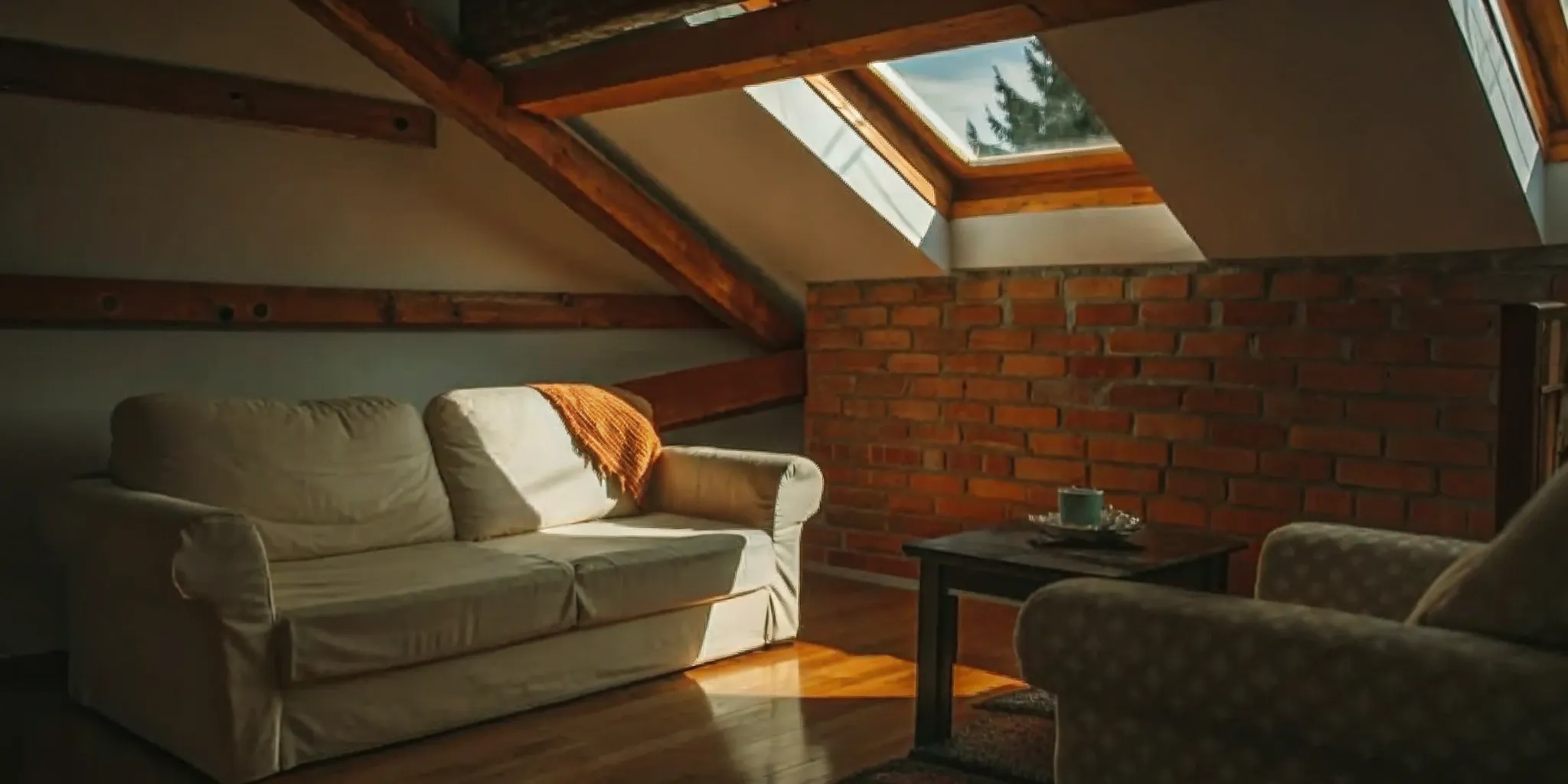
That dusty, unused space above your head holds so much potential. It could be the quiet home office you’ve been dreaming of, a cozy guest suite, or a much-needed playroom for the kids. Transforming it from a storage space into a true living area is one of the smartest ways to add square footage and value to your home without building an addition. But before you start pinning design ideas, the first and most important question is a practical one. Understanding how much to convert attic to living space is the critical first step in turning your vision into a reality. This guide will break down the costs, from structural necessities to finishing touches, so you can build a realistic budget and plan your project with confidence.
Key Takeaways
- Look Beyond Square Footage for Your Budget: The biggest costs in an attic conversion aren't the finishes, but the foundational work. Your budget will be most impacted by structural reinforcements, adding a proper staircase, and running new electrical and plumbing lines to the space.
- Factor in Permits and Inspections from Day One: Don't treat permits, structural engineering assessments, and safety features like egress windows as optional. Budgeting for these requirements upfront is essential for a legal, safe project that protects your home's long-term value.
- Balance DIY Savings with Professional Expertise: You can save significantly on labor by handling finishing tasks like painting or installing certain types of flooring yourself. However, always hire licensed professionals for structural, electrical, and plumbing work to ensure the job is done safely and correctly.
How Much Does an Attic Conversion Really Cost?
So, what’s the bottom line for turning that dusty attic into a dream space? The truth is, it varies—a lot. Generally, you can expect an attic conversion to cost anywhere from $20,000 to $95,000. The average project tends to fall between $50 and $150 per square foot, but this isn't a hard-and-fast rule. If you’re dreaming of high-end finishes, a spa-like bathroom, or complex structural changes, your costs could easily climb above $200 per square foot.
This wide range exists because no two attics—or renovation projects—are the same. The final price tag depends on the size of your space, what you plan to use it for, the condition of your home’s existing structure, and the quality of materials you select. Think of this range as a starting point for your budget. It’s less about finding a single magic number and more about understanding the variables that will shape your final investment. Knowing what drives these costs will help you create a realistic budget and make informed decisions as you begin to plan your project. The more you know upfront, the better prepared you’ll be to create a space you love without unexpected financial surprises down the road. It’s all about balancing your vision with your budget to find that sweet spot.
Breaking Down the Cost Per Square Foot
The best way to estimate your budget is to think about how you’ll use the new space. The cost per square foot is directly tied to the complexity of your vision. If you’re simply looking to create a clean, finished storage area, you might spend around $30 per square foot. For a comfortable living space, like a home office or a simple bedroom, the cost typically ranges from $30 to $60 per square foot.
However, if your plans are more ambitious—say, a primary suite with a full bathroom or a family room with custom built-ins—the investment grows. These more complex projects can push costs to $200 per square foot or more, since they require plumbing, more extensive electrical work, and higher-end finishes.
How Location Affects Your Budget
Where you live plays a significant role in your total renovation cost. Labor and material prices can vary dramatically from one city to another. If you’re in a major metropolitan area like Los Angeles or the SF Bay Area, you can expect to pay more than someone in a smaller town, simply because the cost of doing business is higher.
Beyond the sticker price of labor and materials, there are often other costs tied to your location. These can include building permits, structural assessments from an engineer, and fees for utility connections. These expenses are often overlooked in initial estimates but can add up quickly. Working with a dedicated advisor can help you anticipate these local requirements and build a comprehensive budget that accounts for every line item from the very beginning.
What Drives Up the Cost of an Attic Conversion?
When you start budgeting for an attic conversion, it’s helpful to know which factors have the biggest impact on the final price tag. While every project is unique, a few key elements consistently drive costs up. The size of your attic is a major one, but so are the structural changes needed to make the space safe and livable. You’ll also need to account for essentials like plumbing, electrical, and HVAC systems, which are critical for turning a dusty storage area into a comfortable room. Understanding these core components will help you create a more realistic budget and plan a project that meets your needs without unexpected financial surprises. Let's break down the main cost drivers you should keep on your radar.
Your Attic's Size and Layout
It makes sense that the bigger your attic, the more your project will cost. But the purpose of the new space is just as important. A simple, finished storage area is on the lower end of the cost spectrum, typically running between $4,600 and $18,900. However, if you’re planning to create a true living space, like a bedroom or office, the price jumps significantly. Transforming your attic into a single habitable room can cost anywhere from $10,000 to $40,000. The layout you choose and the complexity of the design will also play a big role in the final estimate your contractor provides.
Necessary Structural Changes
Before you can think about drywall and paint, you have to be sure your attic can handle its new role. Most attics were designed to hold insulation and storage boxes, not people and furniture. A structural engineer will need to assess your home’s framing to see if the floor joists need reinforcement to support the added weight. This is a non-negotiable step for safety and code compliance. You’ll also need a proper staircase for access, which can add another $3,000 to $6,000 to your budget. These foundational changes are crucial for creating a safe and functional living area.
Adding Electrical and Plumbing
Most unfinished attics don’t have adequate wiring or any plumbing, so you’ll need to budget for bringing these utilities upstairs. Running new electrical wiring for lights and outlets typically costs between $1,300 and $3,000. If your plans include a bathroom, adding plumbing is another significant expense, often starting around $1,100 before you even factor in the cost of fixtures like a toilet or sink. These are the kinds of details that are easy to overlook in early planning but are essential for making your new space fully functional. A dedicated project advisor can help you account for these costs from the start.
Factoring in Insulation and HVAC
To make your new attic room comfortable year-round, you’ll need proper insulation and a way to heat and cool the space. Upgrading your insulation can cost anywhere from $800 to $3,500, but it’s a smart investment that pays off in energy savings. Extending your home’s existing HVAC system is another major consideration, with costs often ranging from $1,000 to $5,000. This ensures your new room stays cool in the summer and warm in the winter without putting a huge strain on your utility bills. Proper climate control is key to transforming your attic from a storage space into a truly livable part of your home.
Common Attic Projects and Their Price Tags
Once you have a handle on the structural and utility needs, you can start dreaming about what your new attic space will become. The scope of your project will be the biggest factor in your final budget. Let’s look at some common attic conversions and the typical price tags that come with them, so you can get a clearer picture of what to expect for your own home. A dedicated Realm advisor can help you create a more precise budget based on your specific goals and property.
Creating a Simple Office or Guest Room
Need a quiet place to work from home or a spot for guests to stay? Turning your attic into a simple office or bedroom is one of the most popular and cost-effective options. This kind of project usually involves adding drywall, flooring, electrical outlets, and lighting. You can expect the cost for a finished attic like this to fall between $10,000 and $40,000. The final price depends on the size of the space and the quality of the materials you choose.
Adding an Attic Bathroom
Adding a bathroom to your attic conversion is a game-changer for convenience, but it comes with a higher price tag. The main reason is plumbing—running water and drain lines up to a third floor is a complex job. The cost for an attic bathroom addition can range from $9,600 to $52,000. This wide range reflects differences in plumbing requirements, the size of the bathroom, and the quality of the fixtures and tiles you select.
Building a Full Primary Suite
If you’re looking to create a true retreat, a full primary suite with a bedroom and an en-suite bathroom is the ultimate attic conversion. This is a major renovation that essentially adds a new luxury space to your home. Because it’s a more extensive project, the cost for an attic remodel of this scale starts around $50,000 and can easily go over $100,000. Your total investment will depend on the square footage, the complexity of the layout, and high-end features like a walk-in closet or custom shower.
Designing a Finished Storage Space
Sometimes, all you need is more room to store your belongings. A finished storage space is a practical and budget-friendly way to use your attic. This project focuses on making the space clean, accessible, and safe for storage—think reinforced flooring, drywall, and basic lighting. It’s a great way to declutter the rest of your house without a full-scale renovation. The cost for a basic storage conversion typically runs from $5,000 to $25,000.
Planning for Permits and Structural Needs
Before you start picking out paint colors and flooring, there are a few foundational steps you can’t skip. Getting the proper permits and ensuring your attic is structurally sound are non-negotiables for a safe and legal conversion. It might seem like a hassle, but handling these details upfront will save you major headaches down the road. Think of it as building a strong base for the beautiful new space you’re about to create. A dedicated advisor can help you manage these logistics, ensuring everything is up to code from the very beginning.
Meeting Building Codes and Ceiling Height Rules
For your attic to officially count as a living space, it needs to meet specific building codes. One of the biggest rules to watch for is ceiling height. The standard requirement is that "at least half of your finished attic space must have ceilings that are 7 feet or higher." If your attic has a low, sloped roof that doesn't meet this height, you might need to consider a larger project like raising the roof. This is a significant structural change, so it’s important to know if it’s necessary before you get too far into planning.
Installing an Egress Window
Safety is always the top priority. Every bedroom or living space needs a clear exit in case of an emergency, and your new attic room is no exception. Building codes require you to have at least one egress window, which is a window large enough to be used as an exit. Specifically, "you must have at least one emergency exit window (5.7 square feet)." The cost for this can range from $2,500 to $5,100. The good news? A large skylight can often fulfill this requirement, adding both safety and a beautiful source of natural light to your new space.
How Much Do Permits Cost?
Navigating the world of building permits can feel complicated, but it’s a crucial step. Permits ensure your project is inspected and approved by your local municipality, confirming it’s safe and compliant with all regulations. The cost for permits can vary quite a bit depending on where you live and the complexity of your renovation. You should budget anywhere from "about $100 to $1,500 or more" for this part of the process. Your contractor or a Realm project advisor can help you figure out exactly which permits you’ll need and what they’ll cost in your area.
Budgeting for Inspections and Engineering
Since your attic wasn't originally designed to be a primary living area, you may need to bring in a structural engineer. This is especially true if you plan to add heavy elements like a bathroom. An engineer’s job is to "check if it's strong enough and tell you how to make it safe," which usually involves reinforcing the floor joists to handle the extra weight. This inspection is a critical investment in your home’s long-term safety and stability. It gives you peace of mind knowing your new room is built on a solid foundation.
Pricing Out the Essentials
Once you’ve handled the major structural, electrical, and plumbing work, it’s time to focus on the elements that make your attic a truly functional and inviting space. These essential components—windows, stairs, flooring, and storage—play a huge role in both the final look and the final budget of your project. Planning for these costs ahead of time will help you make smart decisions that align with your vision and your wallet.
Dormers vs. Skylights: A Cost Comparison
Letting natural light into your new attic space is a must, and you generally have two main options: dormers or skylights. Dormers are window structures that project vertically from a sloped roof, creating additional headroom and usable space. While adding dormer windows can make the attic feel more like a traditional room, they are the more expensive choice due to the complex framing and roofing involved. Skylights, on the other hand, are installed directly into the roofline. They are a more budget-friendly way to flood the space with light but don’t add any extra square footage. Your choice will depend on your budget and how you plan to use the room.
Installing or Upgrading Your Stairs
How will you get up to your new living space? If your attic only has a pull-down ladder, you’ll need to install a proper staircase to meet building codes for a habitable room. This is a significant expense that can’t be overlooked. A straight, simple staircase might cost between $3,000 and $6,000. However, if you need a more complex design, like a walk-up attic staircase with landings or turns to fit your home’s layout, the cost can climb substantially, sometimes reaching $25,000. This is a crucial line item to discuss with your contractor early in the planning process.
Choosing Your Flooring
The flooring you choose will have a major impact on the look, feel, and sound of your converted attic. Because this is a new space, you have a blank slate. Do you want cozy carpeting, classic hardwood, or durable luxury vinyl plank? Your material choice is the biggest factor driving the price. Overall, you can expect flooring costs to range from $1,500 to over $5,000, depending on the square footage and the materials you select. Remember to also factor in the cost of underlayment for soundproofing, which is especially important if the new room is above a bedroom.
The Cost of Built-In Storage
Attics are known for their slanted ceilings and awkward corners, which can make standard furniture a tricky fit. This is where built-in storage becomes your best friend. Custom shelves, cabinets, and window seats can turn those unusual nooks into highly functional and stylish features. While the cost varies widely based on the complexity and materials, planning for storage solutions from the start is a smart investment. It maximizes every square inch of your new space and helps you avoid the common mistake of ending up with a beautiful room that lacks practical storage.
How Finishes and Features Affect Your Budget
Once you’ve handled the major structural work, it’s time for the fun part: choosing the details that will turn your attic into a beautiful, functional room. This is also where your budget can quickly expand if you’re not careful. The finishes and features you select—from light fixtures to faucets—play a huge role in the final cost. While a basic, builder-grade finish will keep costs down, high-end or custom selections can add thousands to your project. Planning these details ahead of time is the key to creating a space you love without unexpected expenses.
Upgrading Lighting and Ventilation
Attics aren't typically built with the same lighting and airflow as the rest of your home, so upgrades are a must. You’ll need to budget for an electrician to run new wiring for overhead lights, outlets, and switches. The type of fixtures you choose can also impact the price, with recessed lighting often costing more to install than simple surface-mounted lights. Just as important is ventilation. Proper airflow keeps the space comfortable and prevents moisture issues. This might mean adding an exhaust fan, especially in a bathroom, or ensuring your HVAC system is extended to properly service the new room.
Selecting Bathroom Fixtures and Finishes
If you’re adding a bathroom to your attic, the fixtures and finishes will be a significant part of your budget. The cost can vary dramatically based on your choices. For example, a simple pedestal sink and a standard fiberglass shower stall are far more affordable than a custom vanity with a quartz countertop and a fully tiled walk-in shower. It’s easy to get carried away when looking at beautiful tile and high-end faucets, so it’s wise to set a clear budget for these items early on. Smart bathroom design is also crucial for making the most of a space that might have sloped ceilings or other quirks.
The Price of Custom Built-Ins
Attics often have slanted walls and awkward nooks that make standard furniture a poor fit. This is why custom built-in shelving, desks, or closets are such a popular solution—they maximize every square inch of usable space. While built-ins are incredibly functional and can look amazing, they come at a higher price than off-the-shelf furniture. The cost will depend on the complexity of the design and the materials used. If you’re considering custom work, be sure to get a detailed quote from a carpenter or cabinet maker to factor into your overall renovation budget from the start.
Factoring in Materials and Labor
Underestimating the cost of materials and labor is one of the most common budgeting mistakes. Every finish, from the type of flooring you choose to the paint on the walls, has a price tag. Hardwood floors, for instance, will cost significantly more than laminate or carpet. Beyond the materials themselves, remember that more complex installations require more skilled labor, which also adds to the cost. When you get a project estimate, make sure it provides a detailed breakdown of all material and labor costs so you have a clear picture of where your money is going and can avoid any surprises.
Budgeting Mistakes to Avoid with Your Attic Conversion
An attic conversion is an exciting project, but a successful outcome hinges on a realistic and comprehensive budget. It’s easy to focus on the fun parts, like picking out paint colors and furniture, but overlooking key costs can quickly derail your plans. A little foresight goes a long way in preventing budget overruns and ensuring your new space is everything you hoped for. By steering clear of a few common financial pitfalls, you can keep your project on track and avoid stressful surprises. Here are the top budgeting mistakes to watch out for as you plan your renovation.
Don't Skip Permits or Inspections
It can be tempting to bypass the paperwork to save time and money, but skipping permits is a costly gamble. Most attic conversions involve significant electrical, plumbing, or structural work that legally requires a permit and subsequent inspections. Failing to secure the right permits can lead to hefty fines, orders to tear out completed work, and major problems when you eventually sell your home. Think of permits not as a hassle, but as a safeguard. They ensure the work is done to code, keeping your family safe and protecting your home’s value. Factor these administrative costs into your budget from day one.
Don't Underestimate the Total Cost
One of the most common renovation regrets is underestimating the final price tag. It’s crucial to account for every single expense, from labor and materials to fixtures and finishes. Beyond the obvious costs, always build a contingency fund into your budget—typically 10% to 20% of the total project cost. This buffer will cover any unexpected issues that might pop up, like discovering hidden structural problems or deciding on a last-minute upgrade. Working with an expert to create a detailed project plan can give you a much clearer picture of the true cost and help you prepare for the unexpected.
Plan Ahead for Utilities and Access
Thoughtful design is your best defense against expensive changes mid-project. Before any walls go up, you need a solid plan for how you’ll get utilities and people into your new space. Where will the staircase go without disrupting the floor below? How can you maximize natural light? Where do you need electrical outlets, light switches, and plumbing lines? Making these decisions early in the process is far more cost-effective than realizing later that you need to move a wall or reroute plumbing. A well-designed layout ensures your finished attic is both functional and beautiful.
Prioritize Proper Insulation and Ventilation
An attic is often the hottest part of the house in the summer and the coldest in the winter. Without proper insulation and ventilation, your new living space could be incredibly uncomfortable and expensive to heat and cool. Don’t treat these elements as optional upgrades. Investing in high-quality insulation and ventilation will make your attic a pleasant place to be year-round and will pay for itself over time through lower energy bills. Be sure to include these essential items in your initial budget to create a space that’s truly livable and efficient.
DIY vs. Hiring a Pro: Where to Save and Where to Spend
One of the biggest questions in any renovation is deciding what to do yourself versus what to leave to a professional. An attic conversion is no different. Making the right calls here can save you thousands, but making the wrong ones can lead to costly, and even dangerous, mistakes. The key is to be honest about your skills, your timeline, and your budget. Think of it as a strategic trade-off. You can trade your time and effort to save on labor costs for some tasks, but for others, investing in professional expertise is the smartest, safest, and most cost-effective choice in the long run.
Finding that perfect balance is what will make your project a success without breaking the bank. Before you pick up a hammer, take a realistic inventory of what you can do. Have you successfully tackled a large-scale painting project before? Do you own the right tools for installing flooring? Being realistic from the start prevents you from getting halfway through a task only to realize you’re in over your head. This is where a detailed project plan becomes invaluable. At Realm, we help homeowners build a project plan that clarifies exactly where a pro is needed, taking the guesswork out of the equation and ensuring you have a clear roadmap from day one. This approach helps you allocate your budget effectively, so you know exactly where you’re saving and where you’re investing in quality.
What You Can Tackle Yourself
If you're comfortable with a bit of hands-on work and want to trim your labor costs, there are definitely parts of an attic conversion you can manage. Think about the finishing touches. Simpler tasks like painting, putting up wallpaper, and installing certain types of flooring (like laminate or vinyl plank) are great DIY projects. You can also handle the final cleanup and debris removal. For those who are more experienced, even installing drywall can be a manageable task. Taking on these jobs allows you to put your budget toward the more complex parts of the project while still feeling a sense of ownership over your new space.
When to Call in the Experts
While rolling up your sleeves can save you money, some jobs are strictly for the pros. Anything involving your home's core systems—like plumbing and electrical work—should be handled by licensed professionals. These tasks are not only complex but can be dangerous if done incorrectly. You’ll also need to hire an expert for any structural changes. An architect or structural engineer needs to confirm your attic's floor can support the weight of a living space and draw up the necessary plans. This isn't just a suggestion; it's a critical step for safety and for meeting local building codes.
Balancing Your Budget with Quality Work
A successful attic conversion is all about smart spending. Labor typically accounts for a large chunk of the total project cost—often around 40%—so every task you can safely DIY makes a real difference. However, it's crucial to invest that saved money back into quality work where it matters most. Paying for a licensed electrician, a skilled plumber, and an experienced contractor for the structural build-out ensures the project is done right. This approach protects your home's long-term value and gives you peace of mind. Ultimately, finishing an attic is a fantastic way to add useful space to your home, and balancing your budget with quality work is the best way to get there.
Getting the Best Return on Your Investment
An attic conversion is more than just a home improvement project; it's an investment in your property's future. While the initial costs can feel substantial, transforming unused space into a functional room adds significant long-term value. Think of it as a two-for-one deal: you get to enjoy a beautiful new bedroom, office, or playroom now, while also making your home more appealing to future buyers.
The key is to approach the project with a clear understanding of how your choices will impact your home’s overall worth. From structural changes to finishing touches, every decision contributes to the final return on investment (ROI). Smart planning, quality craftsmanship, and a focus on features that buyers love can make a huge difference. By working with a dedicated advisor, you can ensure your project not only meets your family’s needs but also delivers a strong financial return when it’s time to sell. This strategic approach helps you spend wisely and create a space that adds value for years to come.
How Much Value Does an Attic Conversion Add?
Finishing your attic is one of the most effective ways to increase your home's value because it directly adds to its gross living area. When you convert an attic into a bedroom or office, you’re not just renovating—you’re expanding your home’s official square footage and room count. These are two of the biggest factors appraisers and buyers look at. According to Angi, you can expect to recoup at least 50% of the project's cost in added home value. A home with a new primary suite or an extra bedroom is simply worth more, making your investment a smart financial move for the future.
Adding Value with Energy-Efficient Upgrades
An often-overlooked benefit of an attic conversion is the opportunity to improve your home's energy efficiency. Proper insulation is a requirement for making the space comfortable, but it also has a major impact on your utility bills. A well-insulated attic prevents heat from escaping in the winter and keeps your home cooler in the summer. This can lead to significant savings year after year—one estimate suggests you could save over $400 annually on gas heating alone. By upgrading your insulation and installing energy-efficient windows or skylights, you’re not just creating a cozy new room; you’re making a long-term investment in lower energy costs.
Understanding Your Cost Recovery
When you invest in a major renovation, it’s natural to wonder how much of that money you’ll get back when you sell. For an attic conversion, the average return on investment (ROI) is quite strong. Most homeowners can expect to recover between 56% and 67% of the project’s cost at resale. While you may not get back every single dollar, the value you gain from having an extra, fully functional living space is immense. The added comfort, utility, and enjoyment for your family are benefits you can’t put a price tag on. Plus, a home with more usable square footage often sells faster than its smaller counterparts.
Related Articles
- How Much Does an Attic Conversion Cost?
- What's the Cost to Finish Attic for Storage?
- 5 Inspiring Finished Attic Before and After Ideas
Frequently Asked Questions
Why is the cost range for an attic conversion so wide? The price tag for an attic conversion varies so much because the projects themselves are incredibly different. A simple, finished storage area is on a completely different scale than a full primary suite with a bathroom. The final cost depends on what you want to create. Major factors include the structural work needed to support the new room, the complexity of adding plumbing and electrical systems, and the quality of the finishes you choose.
What is the absolute first step I should take before planning anything else? Before you get attached to any design ideas, your first move should be to get a structural assessment. Most attics were not built to support the weight of a living space, so you need a structural engineer to inspect your home’s floor joists. They will determine if reinforcement is needed to safely handle the load of furniture and people. This is a non-negotiable step that dictates the feasibility and initial cost of your entire project.
How can I save money without cutting corners on safety? The best way to save is by striking a smart balance between DIY work and professional help. You can reduce labor costs by handling cosmetic tasks yourself, such as painting, installing click-lock flooring, or doing the final cleanup. However, you should always invest in licensed professionals for any structural, electrical, or plumbing work. This ensures the core of your project is safe and up to code, which is the most important investment you can make.
Does my attic have to meet certain requirements to be converted? Yes, for an attic to be considered a legal, habitable living space, it must meet local building codes. The most common requirements include having a permanent staircase for access, a ceiling that is at least 7 feet high over half of the floor area, and at least one egress window large enough for an emergency exit. These rules are in place for your safety and are essential for the project to be approved.
Besides the cost, how long does a typical attic conversion take? The timeline depends entirely on the scope of your project. A straightforward conversion into a simple office or bedroom might take between 4 to 6 weeks from the start of construction. If your project is more complex and includes adding a bathroom, dormers, or significant structural changes, you should plan for a longer timeline, likely in the range of 2 to 4 months.